LEED: An Economical and Ecological Choice
By Editorial Team
Updated on November 8, 2023
At the beginning of the millennium, the construction industry started doing its part for sustainable development under the four letters L-E-E-D. This certification which can be applied to both houses and apartment buildings is not an ecological guarantee but a way to reduce one’s financial load.
Established in 1998 by the US Building Council in the United States, the North American system for standardizing buildings with a high degree of sustainability, “Leadership and Environmental Design” (LEED) is designed to evaluate the efficiency of a building based on energy consumption as well as its water and heating consumption. This assessment also considers the use of locally sourced materials and the use of their surplus.
In Canada, the Green Building Council (CGBC) has taken the lead in taking charge of LEED certification across the country. The organization, whose members are businesses, helps to develop green strategies and conducts training programs. Nevertheless, this framework would not have been as impactful in recent years without the initiatives of major eco-housing projects.
Habitations Mont-Royal has constructed 3000 residential units with LEED certification. A project by Faubourg Cousineau located in the Saint-Hubert district in Longueuil is one of the first eco-neighbourhoods in Quebec.
The developer Sotramont has constructed a residential complex of affordable condominiums which are both LEED certified and within proximity to public transport. This residential zone for young families and couples is situated in the Bois-Franc neighbourhood of Ville Saint-Laurent.
The non-profit organization Habitats for Humanity has also built a LEED-certified duplex in the borough of Saint-Henri.
What advantages to the owner does LEED certification offer?
The non-profit organization Ecohabitation aims to facilitate the emergence of green housing by raising public awareness of the benefits of living in a LEED certified home.
This certification grants financial benefits to the owner, such as discounts on insurance premiums and advantageous offers on mortgages.
A homeowner can see savings of up to 70% in energy and up to 200% in water savings. The residents will be less exposed to harmful substances using healthy materials, radon control and adequate ventilation. Every LEED certified home receives an EnerGuide rating which indicates its level of energy efficiency. This certification provides financial benefits to the owner including discounts on insurance and advantages on mortgages.
Québec has the most LEED-certified homes in Canada, according to a study by Ecohabitation conducted in February 2016.
Owners now have access to a multitude of financial assistance programs offered by both federal and provincial governments, l’Agence de l’efficacité énergetique du Quebec, the suppliers of electricity and gas and certain municipalities, including big cities such as Montreal, Laval and Quebec City.
Financial assistance to obtain LEED certification
The Canada Mortgage and Housing Corporation (CMHC) offers borrowers a reimbursement of up to 25% on their insurance premium on an insured loan. This is a considerable deduction when taking into account that the organization doesn’t require borrowers to wait to buy a home by paying a minimum down payment of 5%.
La Société d’habitation du Québec (SHQ) provides a subsidy of up to 95% without exceeding $1200 if the work costs less than $2000.
If you’re hesitating because you are considering selling your home, market research in the United States shows that LEED-certified homes are reselling for more and stay on the market for less time, according to Ecohabitation.
If your house is LEED, certified you can save 10% on your home insurance. Additionally, certification indirectly brings you savings in heating and air conditioning, (Source: Du Proprio).
Author: René-Maxime Parent
Translated to English by: David Benzaken
Get 3 quotes for LEED certification
RenoQuotes.com can help you get quotes for your home's LEED certification. If you submit your project to us, we’ll put you in contact with top-rated contractors. Fill in the form on the homepage (it only takes a few minutes), and you will receive quotes from companies that are specialized in home renovations.
Dial 1-844 828-1588 to speak with one of our customer service representatives
Looking for something else?
Related articles
The latest industry news, interviews, technologies, and resources.

Amanda Harvey
•05 Dec 2023
We all know that the yearly heatwave is imminent, as summer heat records continue to soar under the weight of our rising global temperature. For many homeowners, dealing with this means installing an air conditioning system, making sure family and friends have a place to feel calm, cool, and comfortable.
Léa Plourde-Archer
•29 Oct 2026
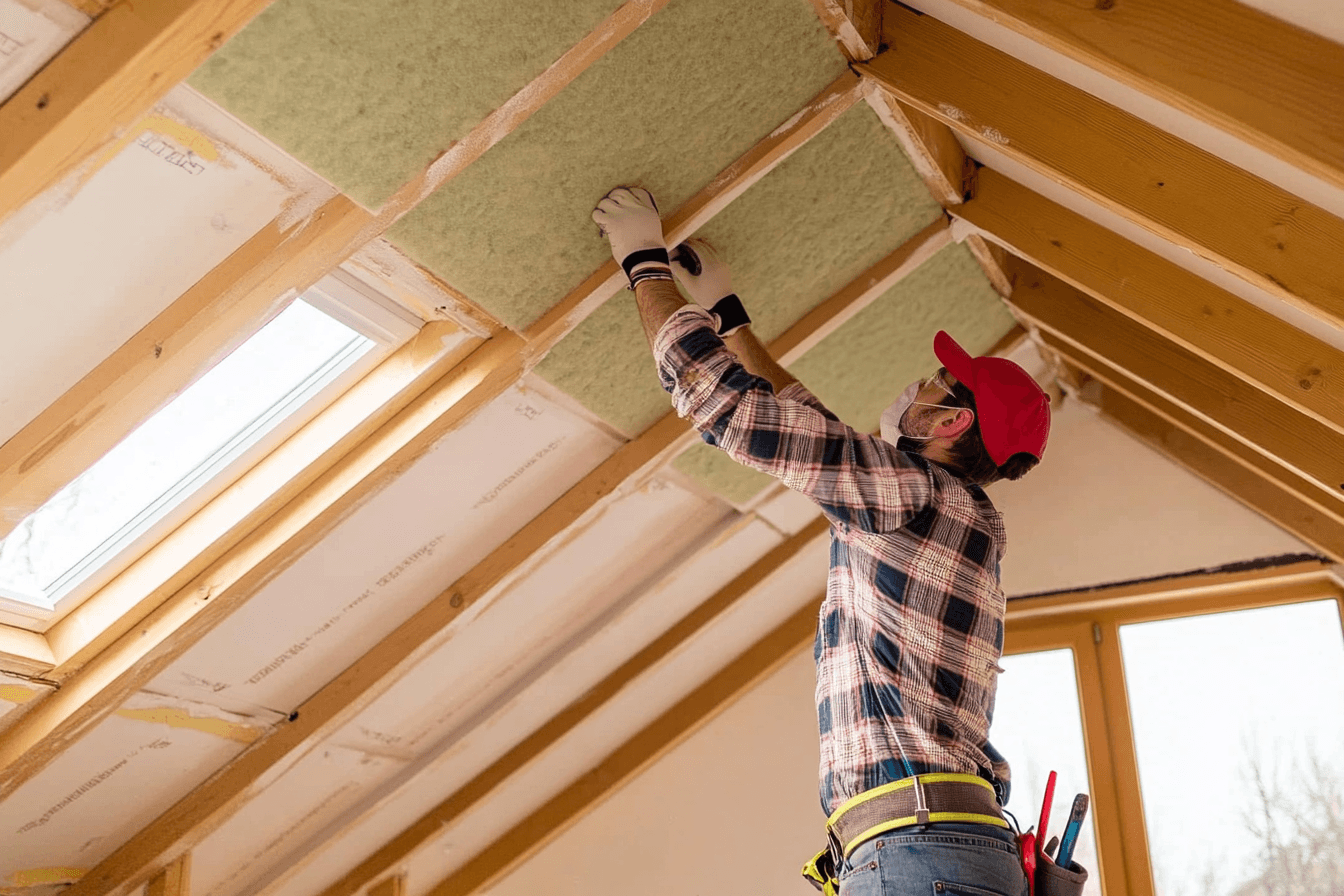
Proper attic insulation is essential for improving your home's comfort and reducing heating and cooling costs. Across Canada, where temperatures can vary significantly throughout the year, choosing the right insulation can make a considerable difference in your energy consumption.
Editorial Team
•05 Dec 2025
As the crisp fall air begins to settle in, it’s never too early to start preparing for wintertime. If the trees in your neck of the woods have already started shedding their leaves, then the time has come for you to start winter-proofing your house.

Editorial Team
•25 Sep 2024
Ceramic tile flooring has a slew of advantages. Not only is it a resilient and long-lasting material, but it also requires minimal maintenance and is likely to increase the value of your home.

Cynthia Pigeon
•19 May 2026
In Canada, the cost of interlocking paver installation generally ranges from $150 to $350 per square metre, or about $15 to $35 per square foot. In Quebec, prices often fall within the same range, especially for turnkey residential projects that include excavation, granular base preparation, paver installation, and labour.