Basement Soundproofing - How to Effectively Reduce Noise
By Amanda Harvey
Updated on March 31, 2025
Unanticipated noises in the wrong place at the wrong time can be jarring, stressful, and annoying. The best way to deal with it is soundproofing at the source.
Is your partner, or are your kids, video game enthusiasts or aspiring musicians? Is your home theatre a bit loud for your liking? Soundproofing specific rooms around your house—those likely to leak sound—is a great way to improve your day-to-day comfort. We’ve chosen to focus on one specific area in particular, which often hosts the loudest hobbies: the basement.
What are the best ways to effectively insulate a basement? Which materials are best suited to block out sounds directly at the source? This article will provide advice on creating a peaceful environment.
Can You Soundproof a Basement? DIY Solutions to Soundproof a Basement, Floor-to-Ceiling
The first step to effective soundproofing is understanding how sound works and travels. That way, you’ll know how to prevent sound from leaking through walls, doors, and floors.
Best Way to Soundproof a Room: Seal All Gaps
Start by inspecting the space in question from all angles, literally! Some areas, like your basement ceiling, require insulation, while others don’t need much attention.
Soundproofing caulks, commonly available in hardware stores, are specifically designed to eliminate or absorb sound waves. Gaps in ceilings or walls allow sounds to escape, so applying soundproofing caulk generously can help muffle noise, limiting leakage. Seal all visible cracks before moving on to the next step.
Soundproof and Seal Windows and Doors
Some basements don’t have windows. However, if you're among the lucky few with access to natural light in the depths of your home, now’s the time to seal and cover those openings. If closing off the windows isn't an option, consider installing soundproof windows. These can be installed directly over the existing ones, allowing natural light to filter in while minimizing noise.
Soundproofing doors can be a bit tricky, especially since you need at least one for basement access. Consider upgrading the door or adding new materials like thick fibreboard or medium-density fibreboard, both of which offer great soundproofing properties and are more affordable than heavy wood or steel panels.
Insulate Heating and Cooling Units
HVAC units in your basement do more than just heat and cool your home; they also allow sound to travel within the space. To prevent sound waves from leaking through the ductwork that feeds the rooms above, the unit should be closed off or fitted with a barrier.
Use a foam mat to insulate your air conditioning unit or open ducts. Foam mats are flexible and can be easily shaped around square or round surfaces. For added soundproofing, consider boxing in the unit with drywall. Doing so will help prevent basement noises from spreading throughout the house.
Soundproof and Insulate Walls
Next, you’ll need to strip the basement walls down to their studs to effectively soundproof all areas. Using a roll of insulation or another soundproofing material, fill the space between the studs by stapling or adhering your chosen soundproofing product to the wooden beams, securing it in place. Repeat the process around the room's perimeter for the best basement soundproofing results.
Add drywall to further soundproof your basement. Drywall panels are retailed in different formats, including wall panelling, plasterboard, and gypsum board. Sheetrock brand gypsum boards and sound-dampening drywall are commonly used for home soundproofing projects, especially since such panelling has a soundproofing layer and is thus more effective than regular drywall.
If you’re using regular drywall, you’ll need 0.5-inch thick sheets, cutting the sheets to the desired size and making sure they butt squarely together. Screw the drywall panels into the studs and use drywall tape or soundproofing tape at the seams. Then, coat the joints with drywall compound. Once dry, sand the wall and apply a coat of paint in your desired colour.
How to Reduce Noise from Upstairs—Ceiling Noise Insulation Ideas

Source: Wikimedia Commons
If your basement ceiling was never finished and still features bare rafters from the construction process, sound will leak through, both up and down. Depending on your soundproofing project goals, the material used to further soundproof the room is likely to change. For a bare ceiling, if you’re hoping to muffle carrying voices from above, a simple soundproofed ceiling made with ⅝-inch drywall can suffice, provided all joints are covered with soundproofing tape.
If you’re looking for something more heavy-duty, mass-loaded vinyl is recommended for its innate soundproofing capabilities. Mass-loaded vinyl can be used in walls and in between drywall sheets. So, depending on how intense your soundproofing materials need to be, this is an option worth the effort.
Are you planning a basement renovation project? We've compiled a super handy checklist to help manage the different aspects of your project.
FAQ About Sound Insulation
How can you minimize noises emanating from a basement?
To dampen noise coming from your basement, you can attach gypsum panels to the walls and ceiling. Adding suspended ceiling tiles and sound-absorbing materials can also help reduce noise levels from above. Using thick carpeting and foam underlayment can muffle footsteps. Lastly, installing solid core doors and caulking around windows and doors can prevent sound leakage.
Is it worth soundproofing a basement ceiling?
Yes, insulating or soundproofing a basement ceiling and walls can prove worthwhile. Thermal insulation can help retain heat, while acoustic insulation dampens sounds between the basement and the floors above. A properly insulated basement will provide a house with better thermal benefits and energy efficiency.
What is the cheapest way to soundproof a basement?
Note that an unfinished basement can be louder than one fully furnished and decorated. But, the best and cheapest way to soundproof a basement is by purchasing effective soundproofing products, such as green glue, door seals, padding, caulking seals, and soundproof paint. Then, make sure all gaps are sealed and, if you want to ensure music or any other basement noise doesn't leak through the ceiling, get a fluffy carpet or rug for the floors above. That way, you're revamping the space above while soundproofing below.
Looking for something else?
Related articles
The latest industry news, interviews, technologies, and resources.
Editorial Team
•13 Sep 2024
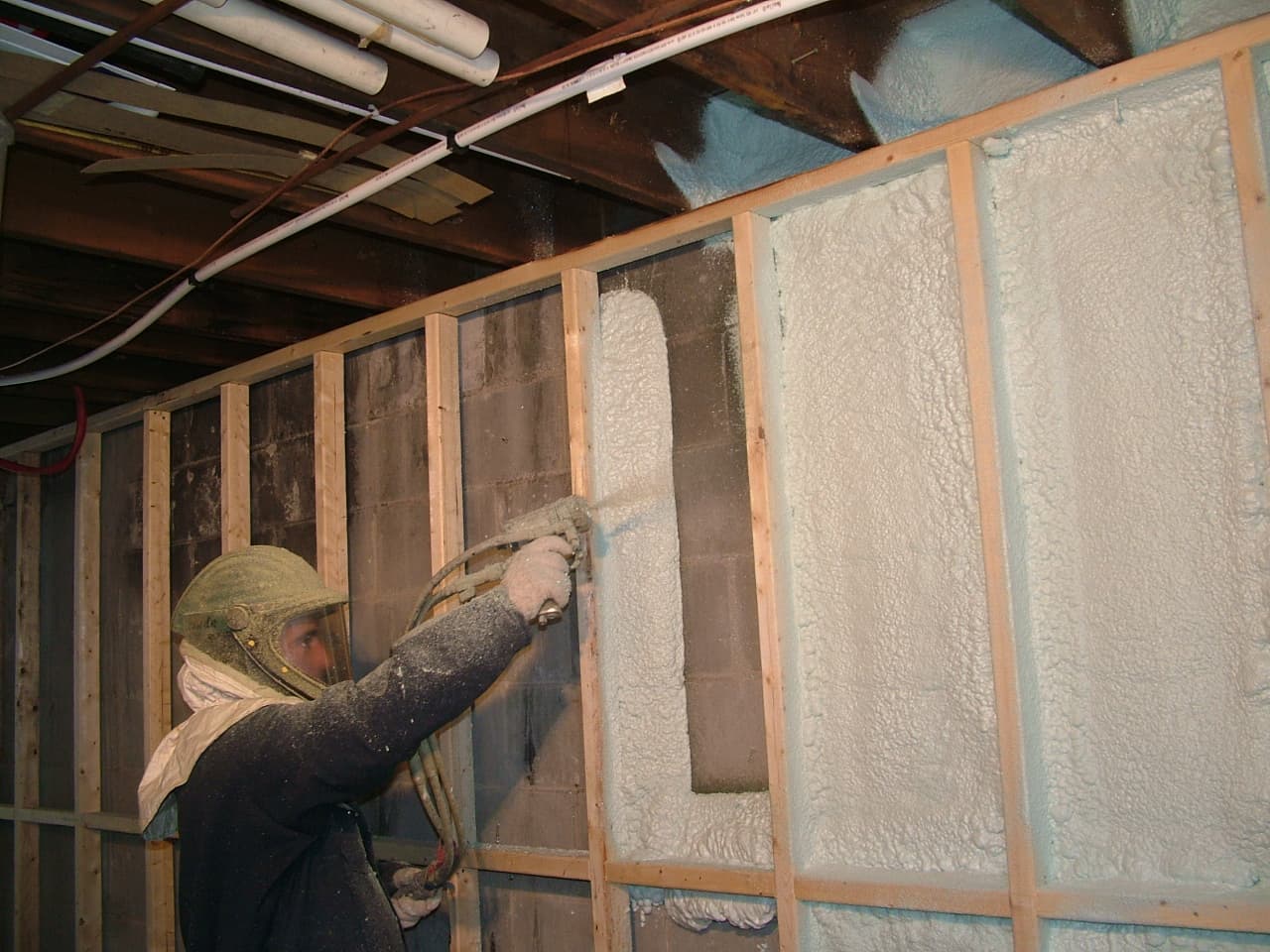
Synthetic insulation is some of the best you can buy to help insulate your home. Derived from petrochemicals, the popularity of synthetic insulation is explained by a high degree of efficient insulation and very affordable prices. Here at RenoQuotes.com, we’ve prepared this article to help you break down the different varieties of synthetic insulation on the market today.
Editorial Team
•13 Sep 2024
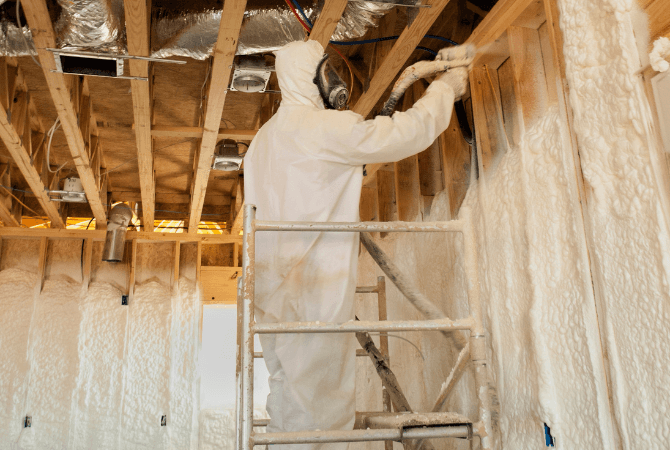
Foam insulation is a valuable product, especially since it’s lightweight and easy to install. It’s also an effective way to insulate walls and floors in your home. However little known, polyurethane foam is an amazing product that can very likely be a solution to many a problem. Since it’s particularly adhesive and effectively insulates, every year, this product enables Canadians to shield their residences from the harsh winter cold.
Cynthia Pigeon
•31 Aug 2026
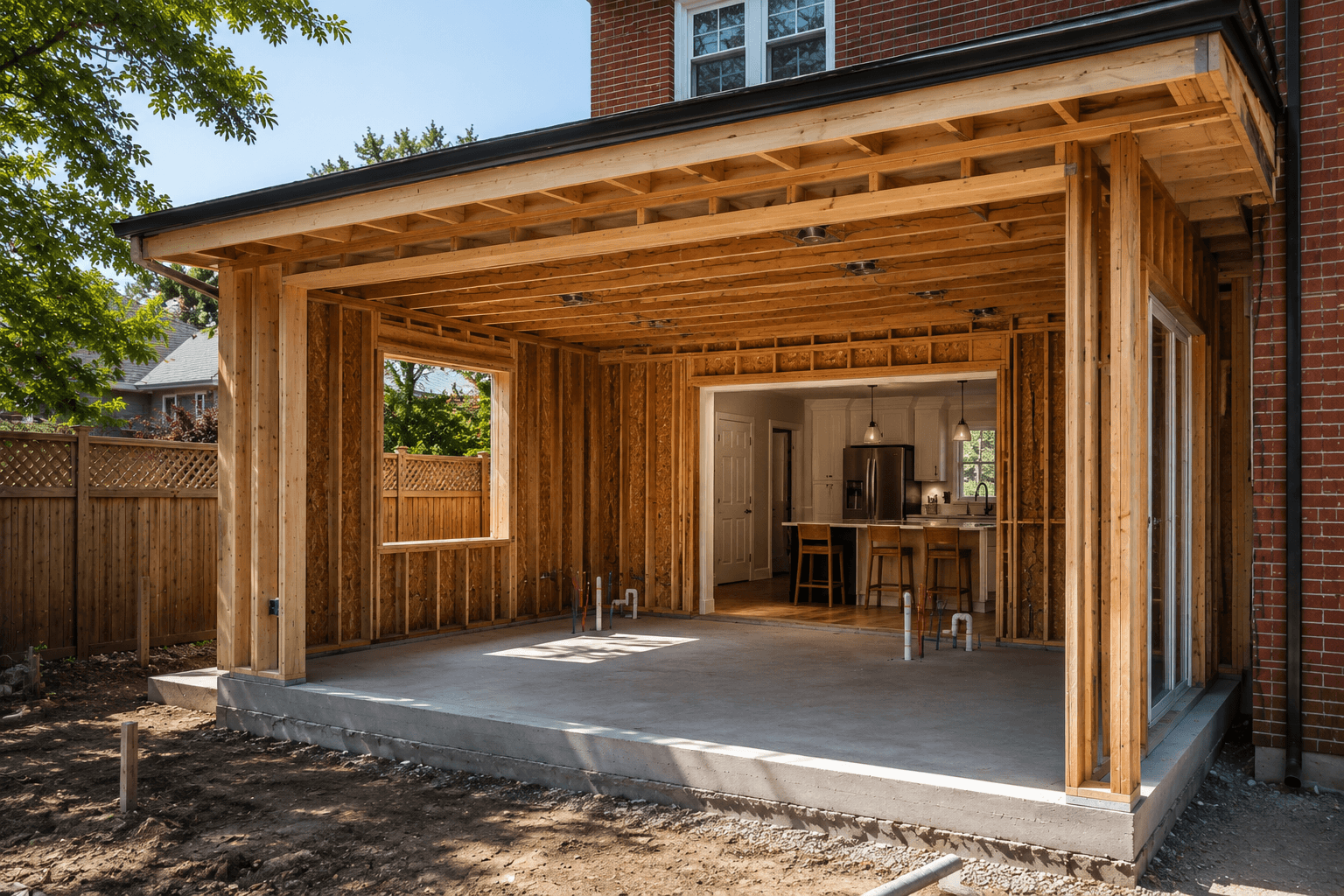
Expanding a kitchen is a popular home renovation project in Quebec and across Canada. Modern kitchens are no longer solely used for meal prepping; they have become central gathering spaces, often featuring large islands, walk-in pantries, and plenty of natural light. However, when expanding the home's footprint, an important technical question comes up: should you excavate and build a poured concrete foundation, or choose an insulated slab-on-grade?

Collaboration
•12 Feb 2026
You know that thing where you wake up and realize you've been clinging to about six inches of mattress while your partner's somehow claimed the remaining 90%? Or maybe it's 3 AM and they just rolled over—again—and now you're wide awake wondering if you'll ever get back to sleep. Fun times, right?

Amanda Harvey
•03 Aug 2026
A pressure washer is an excellent way to clean away the dirt and grime from the winter season that has accumulated on your outdoor surfaces. A pressure washer works efficiently, and with a speed and intensity that normal modes of cleaning can’t achieve. However, there are some safety methods and precautions that come along with pressure washing.