Green renovation initiatives in Toronto | Renovation Quotes
By Amanda Harvey
Updated on July 23, 2026
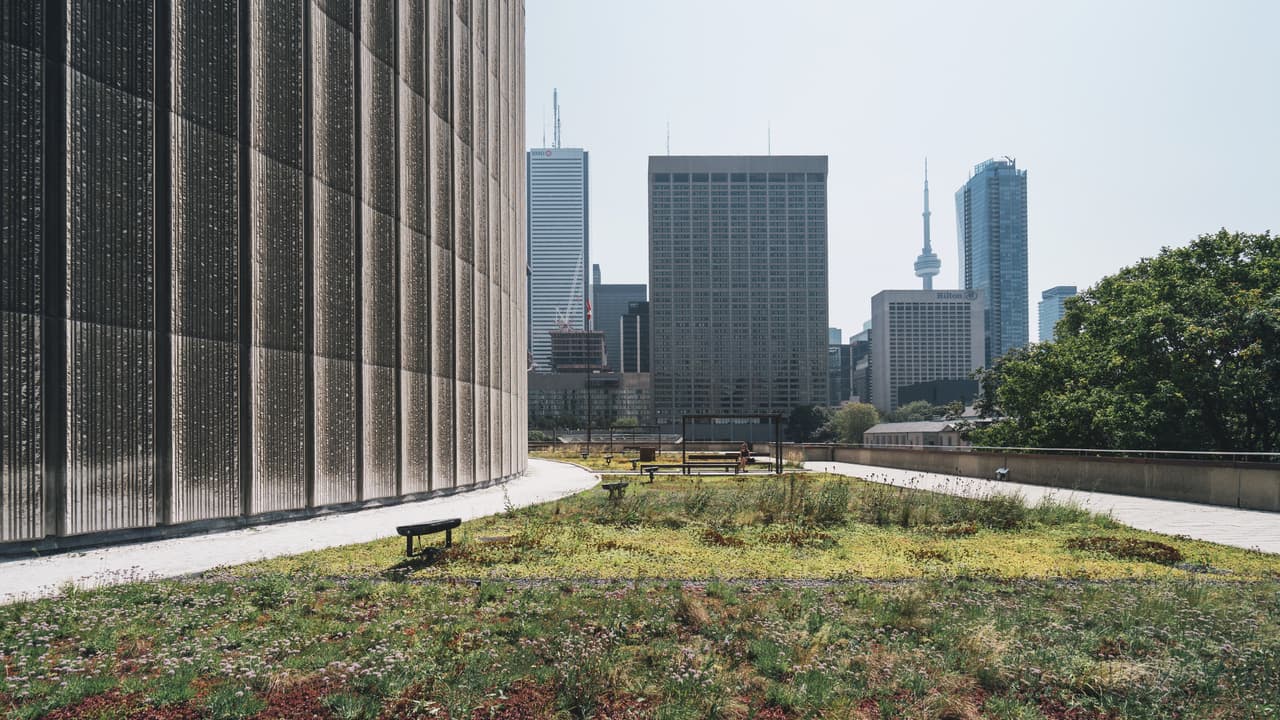
Living responsibly and acknowledging that it is important to be environmentally conscious is becoming a core value of many homeowners. When you consider ways to live green, it might come down to making some significant changes to the materials or structures of your home.
For residents of Toronto and the GTA, green-friendly renovations and buildings have been trending for the last few years. Although many commercial buildings have adopted environmentally-friendly methods, these trends are just starting to make their way towards residential homes.
Finding a way to add sustainable, responsible and green elements in your home does take a little bit of time, research and money. However, it could save you a significant amount on monthly bills while offering you the peace-of-mind in knowing that you are participating in a highly important practice. Are you a Toronto homeowner interested in green renovations? Read on for all the necessary information!
Toronto green renovations: what to know!
LEED home construction and renovation projects

source: Pexels
LEED stands for Leadership in Energy and Environmental Design. It is a green building rating system designed by the U.S. Green Building Council (USGBC) and administered here by the Canada Green Building Council (CaGBC), that is recognized in over 160 countries as the international mark of excellence. LEED evaluates the environmental performance of a building to encourage a market-wide shift toward sustainable design.
This system works because it acknowledges that sustainability should be at the heart of architecture, design, and renovation. Until recently, LEED initiatives in Toronto were primarily focused on commercial skyscrapers. However, over the last few years, these standards have increasingly shifted toward residential buildings and single-family homes. Certified LEED homes offer owners better indoor air quality, reduced construction waste, lower utility bills, and decreased water consumption.
Although LEED is becoming more common, the system was not originally built with casual DIY renovations in mind. Today, the official LEED for Residential (v4/v4.1) program provides strict, standardized pathways for homes. To achieve certification, homeowners in Toronto work with accredited LEED Green Raters who perform rigorous on-site inspections and performance testing.
If you are building a home from scratch, pursuing LEED certification forces you to carefully consider how the building's orientation, window placement, and HVAC efficiency will affect its overall environmental footprint.
For an existing house, obtaining certification usually requires a full "gut rehab" (gut renovation). It is often necessary to strip the structure down to its wooden studs to install the high-performance insulation, continuous air-barrier systems, and low-VOC materials required by LEED standards. If you are serious about making your home exceptionally eco-friendly, we suggest taking the time to find an experienced contractor with LEED AP (Accredited Professional) credentials to guide you through the process.
For more about LEED renovations, check out: "LEED: an economical and ecological choice".
Eco-Roofs: green roofs in Toronto

source: Pixabay
Toronto’s other major energy-efficient initiative is the eco-roof or green roof initiative. A green roof is an extension of an already existing roof and is built on top of a man-made structure. A green roof is designed and constructed to allow vegetation to grow. As a minimum, a green roof will require a root repellent system, a drainage system, a filtering layer, a medium for growing your plants as well as plants. This system will need to be installed on a waterproof membrane of an applicable roof.
There is more than one type of green roofing system, and this includes three mains systems and two different types:
Complete systems: In a complete green roof system, all design components are in place to support the growth of vegetation, including the roof membrane. This type of green roof provides the most variety in terms of what can be planted and grown, as well as drainage options and protective layers.
Modular systems: Modular systems are trays of plants and vegetation that are grown off-site and placed on the existing roofing system to cover it completely. These systems are available in a variety of sizes and weights; however, the vegetation can be limited.
Pre-cultivated vegetation: This is also a pre-grown system and is a blanket-like structure that consists of the growing medium as well as live plants. This green roof is rolled onto the existing roofing system with drainage mats as well as root barriers. Pre-cultivated vegetation systems are more versatile than modular systems, and generally require very little maintenance based on the plants included in the blanket.
Intensive: Intensive or active green roofs employ a variety of plants which support growth as well as landscape design. This type of green roof is generally reserved for commercial buildings and used as an accessible recreational space.
Extensive: An extensive green roof is the opposite of an intensive green roof. This type of green roof employs a shallow growing medium. The landscaping on an extensive eco-roof is designed to be self-sustaining and does not require as much maintenance as an intensive system. Extensive roofs are less expensive since they are not as heavy and do not require as much structural support. This system is more common for residential use.
New or retrofit green roofs: The wonderful thing about green roofing is that it can be added to an already existing structure, installed on the roof of your home, garage or shed long after it’s been built. When a building is designed with a green roof in mind, it will already have the structural support required. Also, the building will generally be designed with the aesthetic value in mind. Of course, retrofit eco-roofs, or those added after, are also a possibility.
The benefits of green roofing

source: Pixabay
There are plenty of environmental benefits when installing a green roof on your house or any building. Firstly, there are several environmental benefits, especially in an urban setting like Toronto. There is an obvious reduction in energy consumption, as well as a reduction in the urban heat and cooling costs.
Green roofs also offer both commercial spaces and homeowners the potential for local food production. For example, if you don’t have the space to grow your own garden, you could install a green roof on your garage with the intention of growing vegetation. In commercial spaces, green roofs reduce stormwater runoff which can affect the quality of local water resources as well as the drinking supply.
Applying for a green roof permit in Toronto requires the submission of engineering plans, and standard building permit fees apply to verify the structural safety of the project. Although the City of Toronto regulates green roof installations, residential buildings under six storeys, including most single-family homes and garages, are exempt from the mandatory requirements of the Green Roof Bylaw.
Installation is therefore voluntary, but the project must still comply with the Toronto Green Roof Construction Standard to ensure proper waterproofing and confirm that the building can safely withstand snow and rain loads.
For all the information on these specifications, look here.
Other energy-efficient renovation initiatives
Although Toronto is a rapidly growing city, many initiatives are in place to keep sustainable construction and renovation practices at the heart of its development. The Toronto Green Standard (TGS) is a three-tier set of performance measures designed to address issues such as air and water quality, greenhouse gas emissions, energy efficiency, solid waste, and the natural environment.
Historically, all large buildings constructed in Toronto were required to meet the first tier of this standard. However, the province’s recent adoption of Bill 98 now limits the City’s authority to impose certain environmental requirements. As a result, many TGS measures are transitioning to voluntary participation. Developers who choose to meet the higher performance tiers, Tiers 2 and 3, may qualify for substantial financial rebates on their development charges.
For developing programs for Toronto residents, check this out.
Looking for something else?
Related articles
The latest industry news, interviews, technologies, and resources.
Editorial Team
•08 Jun 2026
In many Canadian regions, fireplaces become the heart of the home for 3 out of the 4 seasons. The wood crackling in the hearth, the comforting smell of burning wood, and the cozy ambience of the room—whether we consciously acknowledge it or not—all contribute to a fireplace's undeniable charm.

Editorial Team
•08 Nov 2023
Not every home is privy to a huge backyard with ample green space. Some of us live in tiny homes or high rise apartments. If your home is far from the ground, but you find your green thumb itching, then you can create a mini garden or greenhouse right indoors!
Amanda Harvey
•13 Oct 2026
Painting kitchen cabinets is the highest-impact weekend project in a kitchen, and the cheapest way to make an outdated room look current. A professional refinish costs $4,000 to $6,000, while doing it yourself costs $300 to $600 in materials.
Editorial Team
•08 Nov 2023
Once you know which type of wood you want to install, the following step will be to determine which are the desired characteristics. One of the main things to do is to choose which type of essence you are looking for. Different options are available for all tastes and budgets.

Editorial Team
•28 Aug 2024
The wires running behind the walls of your home are hidden, but that doesn’t mean they aren’t putting in plenty of work. Having electricity that runs smoothly is key to keeping your home safe and comfortable. It’s crucial to keep your home wiring in excellent condition, as doing otherwise will compromise the safety of both your family and your home. Wiring that is outdated, damaged or in poor condition needs to be taken seriously, but how do you spot a problem?