How much do floating floors cost nowadays? Depending on the product range you’re looking for, hardwood or laminate floating floor installation budgets can waver on both ends of the scale.
Floating floor installations are especially sought-after on account of their aesthetic finish and affordable price point, including widespread flooring options ranging in both cost and quality. While no standards are established in the province of Quebec to assist potential buyers in choosing between the array of products retailed, there are still some important guidelines with which you should familiarize yourself.
How Much Should You Budget to Install Floating Floorboards?
Product or Service | Average Cost |
Affordable flooring options | $1,50–$3 per square foot |
Mid-range flooring options | $2,50–$5 per square foot |
High-end flooring options | $4,50–$12 per square foot |
Installation | Roughly $1–$4 more per square foot |
Affordable Options
In terms of costs, low-end typically means between $1,50–$3 per square foot. While this type of flooring provides sufficient resistance, looks-wise, it doesn’t resemble genuine hardwood flooring by any stretch of the imagination.
Mid-Range Options
Quality-wise, mid-range costs span $2,50–$5 per square foot. It’s the best option in terms of value for money. Not only is the product quality above average but, aesthetically speaking, the floorboard shape closely resembles that of hardwood.
High-End Options
As for high-end floating floor options, prices range from $4,50 to $12 per square foot. High-end options differ from the rest on account of the product’s above-grade finish. Unlike the previously mentioned options, this type of flooring closely models genuine wood grain.
Installation Costs
While floating floors can be DIY installed, hiring a specialized flooring contractor is best. Should you choose the latter, budget, on average, $1–$4 per square foot.
What Factors Affect Pricing?
Source: Canva
Material and Quality
No surprise here, but material and quality are the most influential factors affecting the cost of floating flooring. The more high-quality the material and the better the finish, the more expensive the flooring.
Size and Thickness
Laminate flooring is retailed in a wide array of sizes and thicknesses. Typically, the wider the planks, the higher the price tag. Also, thicker floorboards, which are often more durable and provide better soundproofing, are more expensive.
Design and Finish
Loose-lay laminate flooring is available in a variety of designs and finishes, including realistic wood floor-like grain, authentic stones and tiles. Pricing is greatly affected by design complexity and authenticity; high-end options with high-resolution patterns and detailed textures are typically more expensive.
Additionally, in terms of available styles, colours, and patterns, including textured or embossed—which may affect costs—note that more detailed or high-end finishes tend to be more costly.
What About Additional Costs?
Source: Canva
Labour
Keep in mind that additional fees may be tagged onto the initial project cost. Such fees can include material delivery, shifting/moving around furniture, and the amount of time needed to remove the old flooring and dispose of it. Additional costs must be factored in when requesting a complete flooring renovation project quote and budget.
Subfloor Preparation
Furthermore, certain fees may apply if your subfloor needs to be prepared before the new flooring is installed, or if additional materials are required, beyond those already purchased.
FAQ
What are the benefits of a floating floor?
There are so many advantages to opting for a floating floor installation; it's long-lasting, DIY-friendly, and less expensive than traditional floor laying methods.
What is the downside to floating floors?
While quite long-lasting, floating floors tend to have a shorter lifespan compared to glue-on flooring, and are susceptible to liquid damage from oversaturation.
What is the lifespan of a floating floor?
On average, laminate floors last between 15 to 25 years.
What are the most sought-after examples of floating floors?
Several different types of flooring can be installed using a loose-lay method; here are the top three:
Laminate Floor Tiles
Laminate flooring is a very popular choice, showcasing durable floorboards with a Click Lock function with tongue snaps and grooves, devoid of nails and adhesive.
Engineered Hardwood Flooring
Engineered wood floors are made with several layers of wood covered by a piece of hardwood, making for a lightweight, sustainable, and low-maintenance option. The planks often include recycled or pressed wood layers, which improve the flooring’s longevity. This flooring is also available in a Click Lock loose-lay, glue-on, or nailed-down installation formats.
Luxury Vinyl Flooring
Luxury vinyl plank flooring is available in two formats: luxury wood-like vinyl planks or luxury ceramic- or stone-like vinyl tiles. Both types of flooring are retailed in a tongue and groove or Click Lock function for a floating installation method, with a glue-on alternative.
What is considered the most affordable floating floor?
While costs vary based on the aforementioned factors, laminate flooring is typically the most cost-effective option compared to luxury vinyl flooring and engineered wood.
How to calculate the average cost to lay floating floors?
Use our article as a general guide regarding the key factors to consider when estimating the cost of laying floating flooring. Then, do your research, looking at the specific costs across a broad range of brands and companies. You’ll also need to choose the type of flooring you want, whether that be luxury vinyl or laminate—including plank size, thickness, and desired design options—as well as a ballpark quantity.
What is the best example of floating floors for basements?
When it comes to basements, vinyl is best on account of its durability and water resistance. It's retailed in either sheet or tile form, can mimic wood or stone, and is moisture-resistant. Vinyl is made with PVC, is robust, and is designed for heavy foot traffic areas. And, since it can be installed directly on a plywood subfloor, it makes for an easy installation process.
For more information about floating floors, check out our articles Choosing the Right Floating Floor: Characteristics and How to Install a Floating Floor.
Looking for something else?
Related articles
The latest industry news, interviews, technologies, and resources.

Cynthia Pigeon
•09 Jul 2026
When it comes time to choose new flooring for a residential property in Quebec, the classic dilemma often comes down to the refined look of hardwood versus the affordable durability of vinyl. Yet in 2026, the shift toward greener renovations and better energy efficiency is leading many eco-conscious homeowners and local interior designers to consider an underrated alternative: cork.
Editorial Team
•07 May 2026
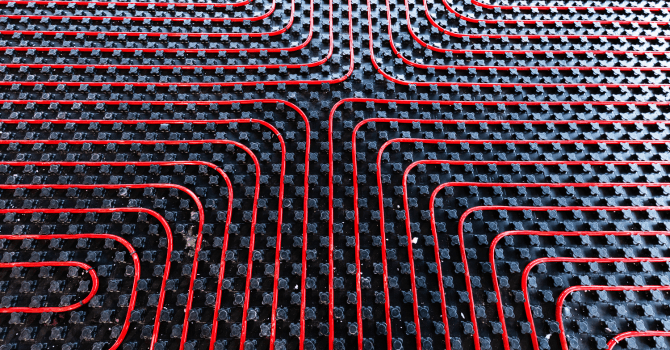
Electric underfloor heating systems, also known as radiant underfloor heating, are a modern and efficient solution, appealing to an ever-increasing number of homeowners. Why? Because these systems allow heat to spread evenly from the ground up, eliminating drafts and providing unparalleled thermal comfort.
Editorial Team
•08 Nov 2023
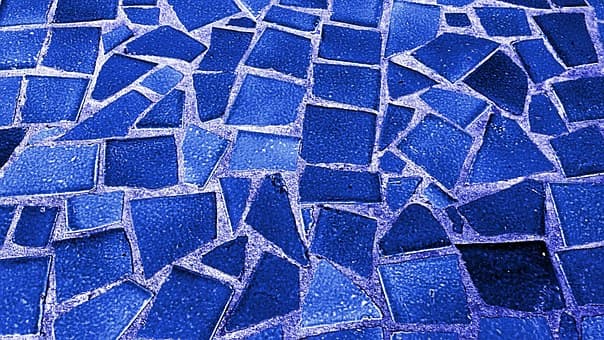
Whether choosing to renovate the kitchen or bathroom, ceramics are an excellent choice as they allow you to conceive designs as diverse as they are original. Available in a large variety of styles, ceramics make it easy to create custom pieces as they offer an infinite range of possibilities.
Cynthia Pigeon
•05 May 2026
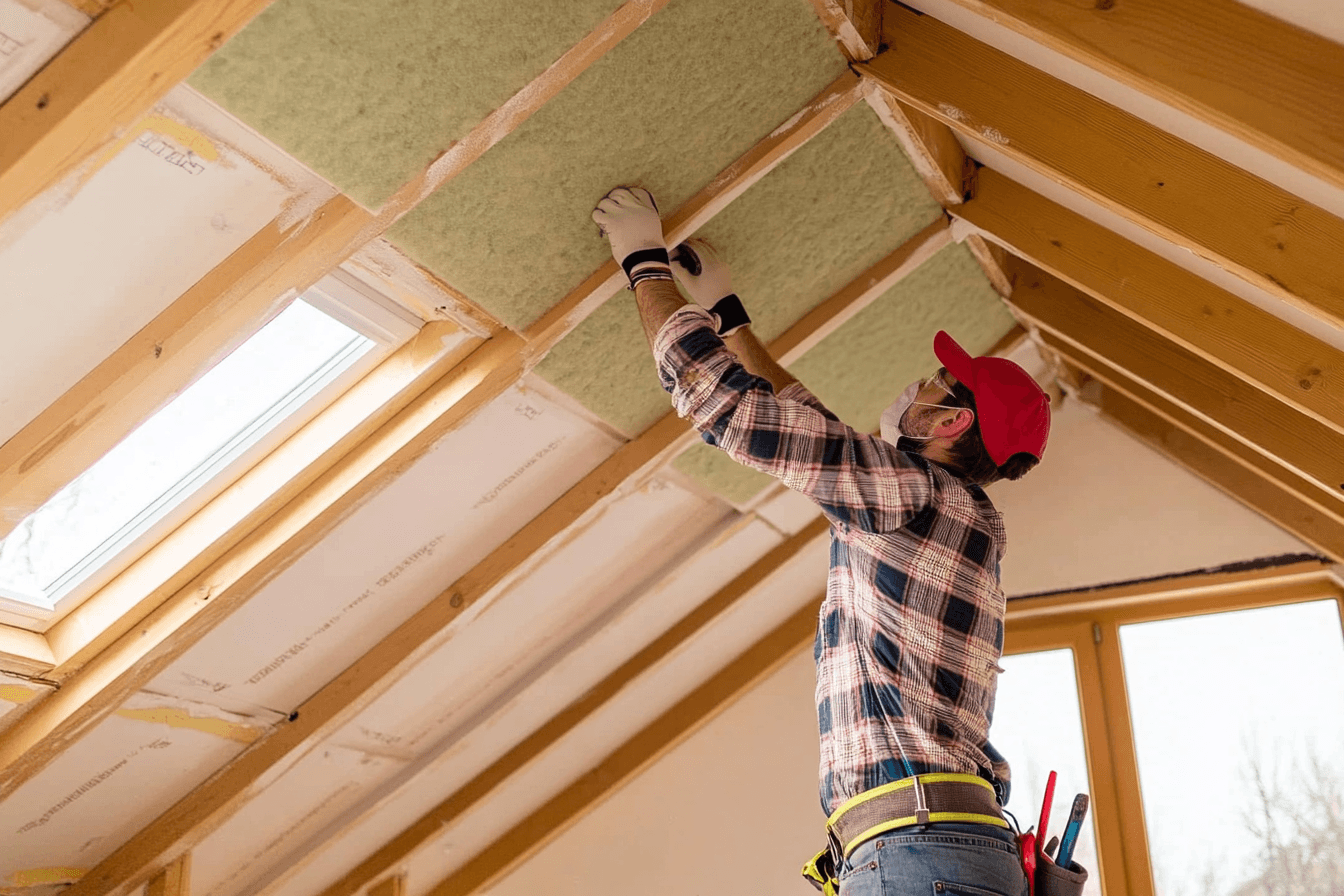
To maximize a home’s energy efficiency in Canada, the recommended R-value for attic insulation is R-60 (approximately 16 to 20 inches thick). While the National Building Code of Canada (NBC) typically requires a minimum of R-40 to R-50, depending on climate zone, aiming for R-60 can reduce heating costs by up to 15% to 30%, especially if your current insulation is outdated. Blown-in cellulose is one of the most commonly used methods to achieve this level of thermal performance in cold climates.
Editorial Team
•05 Dec 2025
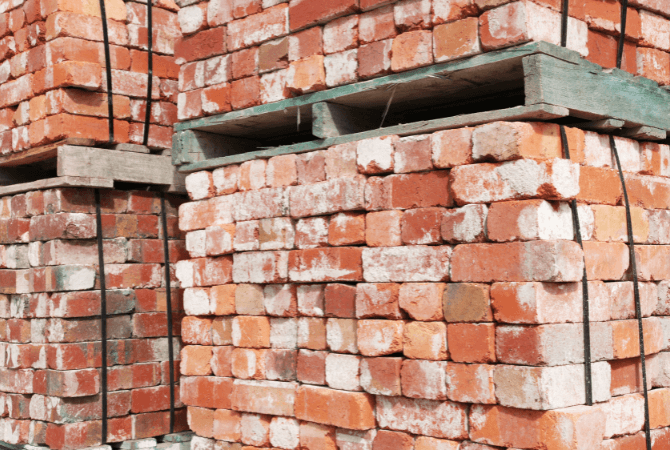
At a time when everyone is conscious of environmental protection issues, we're looking to recycle and upcycle everything that's no longer needed. As such, the urge to upgrade your home's brick cladding is reason enough to think this over.