Hiring an Asbestos Decontamination Company
By Editorial Team
Updated on May 29, 2026
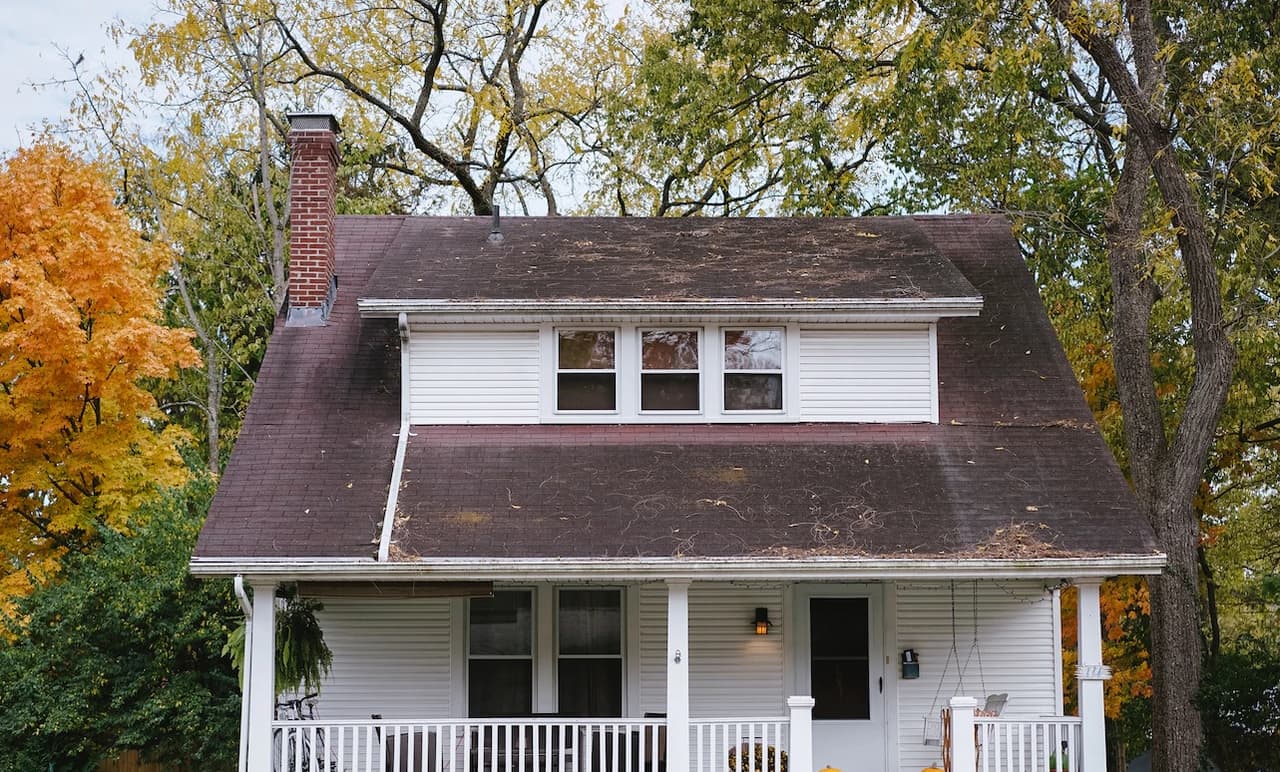
Is your home contaminated with asbestos? Call in a professional decontamination company! Working with asbestos experts from a demolition company will save you from becoming just another number amongst those infected with asbestos in Quebec. Worldwide, 100,000 people die every year as a result of asbestos exposure.
Hiring an Asbestos Decontamination Company
As there’s no safe level of exposure, meaning a level at which exposure to asbestos is benign, any inhalation of fibres can lead to disastrous health consequences:
Pleural cancer;
Peritoneal cancer;
Laryngeal cancer;
Ovarian cancer;
Lung cancer;
Peritoneal mesothelioma;
Pleural plaques;
Asbestosis (fibrotic lung disease).
Furthermore, improper handling of asbestos millboard can release any number of airborne fibres, and be inhaled by your family members or by you. Even very small doses of asbestos can cause serious respiratory issues. For this reason, in Quebec, any work carried out on a construction site which involves dealing with asbestos imposes the following requirements:
Worker-related training on the risks associated with asbestos;
Worker-related training on working methods;
Providing a certificate of training completion;
Description of working methods implemented;
Forwarding this information to the CNESST.
Now you probably understand why hiring a decontamination company is a must. If you still have doubts, our section on the safe management of asbestos should clear them right up.
Decontamination Services Offered
Specialized asbestos decontamination and abatement companies also offer additional services:
Demolition and reconstruction cost estimates;
Water jetting the pipes.
What's Vermiculite and Why Should it be Removed?

Source: Pexels
Vermiculite is a rock classified under the phyllosilicate group of minerals. It is widely used to insulate homes in North America but has gained attention due to the natural presence of asbestos in its composition.
Asbestos found in vermiculite rocks was extracted from the Libby mine in Montana from 1919 to 1990. It has led not only to its widespread use in homes through insulation but also to the contamination of 10% of the population of the town of Libby. A public health emergency was declared in 2009 by the U.S. Environmental Protection Agency (EPA) and remained in place until 2019, when the EPA completed most of the historic cleanup of the town's soil and structures.
Nowadays, insulation made from vermiculite is much more controlled, and the vermiculite that contains asbestos is no longer sold. In Canada, although the Canadian Environmental Protection Act was enacted in 1999, this dangerous material was not formally banned until 2018, with the entry into force of the Prohibition of Asbestos and Products Containing Asbestos Regulations.
Are you looking for experts to tackle your decontamination project?
Fill out our form to receive quotes from certified contractors!
What should I do if there’s vermiculite in my attic?
If your home was insulated with vermiculite prior to 2000, there is a high likelihood that it contains asbestos. The Government of Canada offers the following advice on how to avoid asbestos exposure:
Keep attic space off-limits to your family members;
Do not use your attic;
Use a sealant to fill in the holes in insulated walls and ceilings;
Caulk attic access hatch and light fixtures.
Is your attic infested with mould and thus needs to be decontaminated? Check out this article for more information on the matter! (French only.)
Removing Vermiculite
As with any asbestos-contaminated product, vermiculite removal requires the services of trained professionals. It goes without saying that we strongly urge you to call on professionals in the industry. The reasons why? Because you are not only responsible for your health, but also for that of others.
Also, effective waste management resulting from insulation removal is indispensable. Transporting such waste materials must be done according to the rules of the trade, and so must their reprocessing. They cannot be disposed of in a public landfill, especially not in nature.
Asbestos Training

Source: Pexels
You can receive training for asbestos removal from specialized organizations. Before choosing one, ensure they provide training that complies with the requirements of the CNESST (Commission des normes, de l'équité, de la santé et de la sécurité du travail) and Quebec's Safety Code for the Construction Industry. Recognized options include:
ASP Construction (the industry's official joint association);
Private consulting firms specializing in occupational health and safety (OHS).
Asbestos training is intended for abatement contractors, but also for all construction and maintenance workers who may be exposed to it. Generally lasting 6 to 8 hours, these training sessions cover:
All the health risks associated with asbestos;
Prevention methods and best practices to implement when working around asbestos;
Safety measures to take based on the level of risk (low, moderate, high).
These courses include an assessment (usually in the form of a quiz) to validate your skills and issue a mandatory certificate required to work on sites involving an exposure risk.
Cost of Asbestos Removal

Source: Pexels
Although exact rates vary from one project to another and require an expert evaluation, industry standards in Quebec are very strict. To give you a clear idea of what you are paying for, here are the essential technical steps that should always be included in a professional's quote:
Installing a negative air machine fitted with a HEPA filter;
Getting a special waste container and transporting the waste to a dedicated waste disposal site;
Cleaning the site with a HEPA-filtered vacuum cleaner;
Encapsulating asbestos with CP-240 sealant;
Post-work air analysis with a certificate of conformity.
Therefore, expect to pay:
Approximately between $5,000 and $20,000 for asbestos removal in the stucco siding (ceiling and walls) of a residential house;
Approximately $30,000 for asbestos removal in a building (decorative finish, joints, cement plaster);
Approximately between $2,500 and $10,000 for vermiculite removal in a house (attic, walls, ceilings, basement);
Thus, while the price of asbestos removal depends on the surface area and the quantity of materials to be removed, it is primarily dictated by the risk level (low, moderate, or high), the accessibility of the work site, and the containment protocols required by the CNESST.
For a house with asbestos-contaminated insulation, expect to pay anything from $15,000 to $30,000. But note that buildings built between the 19th century and 1985 in Quebec most likely contain asbestos. This hazardous material is also suspected of being used in homes built up until 1999.
This information must be taken into account when buying a house or building. Furthermore, these are the issues that have given rise to litigation in Quebec courts. So be vigilant.
Safe Management of Asbestos
Asbestos removal work has to comply with the Safety Code for the construction industry. The CNESST (Commission des normes, de l'équité, de la santé et de la sécurité au travail) ensures that all protective measures are respected, as they vary according to the health risks that the work poses to the workers.
If you still had some doubts about whether or not working with asbestos requires extremely serious measures, those are behind you now. As a result, you understand that hiring a Quebec-based asbestos decontamination company is a must.
A company specializing in asbestos decontamination handles not only the equipment but also the demolition of a building containing asbestos. In addition, all the protective measures required to work in an asbestos-contaminated environment are put in place.
Want to learn more about it? Check out our article How Does Asbestos Disposal Work?
Looking for something else?
Related articles
The latest industry news, interviews, technologies, and resources.
Editorial Team
•08 Nov 2023
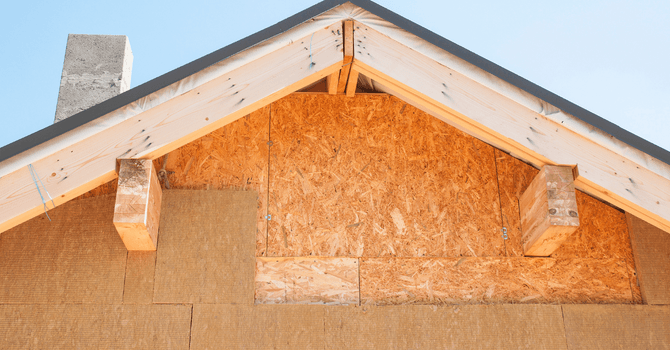
Thermally insulating your roof is absolutely necessary to prevent temperature variations. Since the roof makes up the largest enclosure that’s in direct contact with the outside, thermal losses can reach up to 30% in the event of poor insulation.
Cynthia Pigeon
•30 Apr 2026
Across Canada, the cost of an asbestos test for a residential property typically ranges between $200 and $950. A simple DIY sampling kit costs around $200, while a full professional inspection with a certified report generally falls between $500 and $950. Testing materials before any demolition or renovation—especially in homes built or heavily renovated between 1930 and 1990—is a critical step to protect occupants’ health and ensure compliance with occupational health and safety regulations.
Editorial Team
•05 Dec 2025
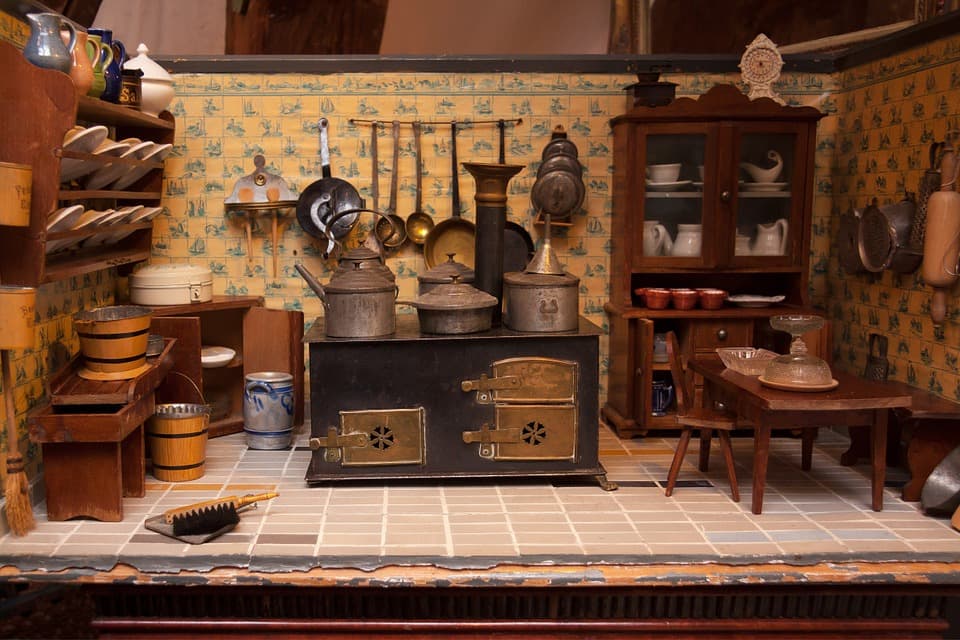
A space for gatherings and lively conversation, the kitchen has always been considered the heart of any dwelling. Since cooking is a time-consuming calling—and for that reason alone—it’s without a doubt why this particular part of a home has witnessed the most amount of change throughout the years.

Karine Dutemple
•11 May 2026
Whether you're messy or on the contrary, ultra-organized, you'll agree that a tidy pantry is very convenient on a daily basis! We go to the pantry several times a day to pick up snacks, ingredients and to store groceries.
Christine Simard
•02 Dec 2024
In Montréal or Québec City, the unique architecture of buildings and apartment complexes is a part of the city’s visual design signature. Some of these buildings are so important that a good deal of them are protected by laws when it comes to renovations, stemming either from neighbourhood rules or municipal bylaws.