How to Renovate a Bathroom Ceramic Floor
By Léa Plourde-Archer
Updated on November 8, 2023
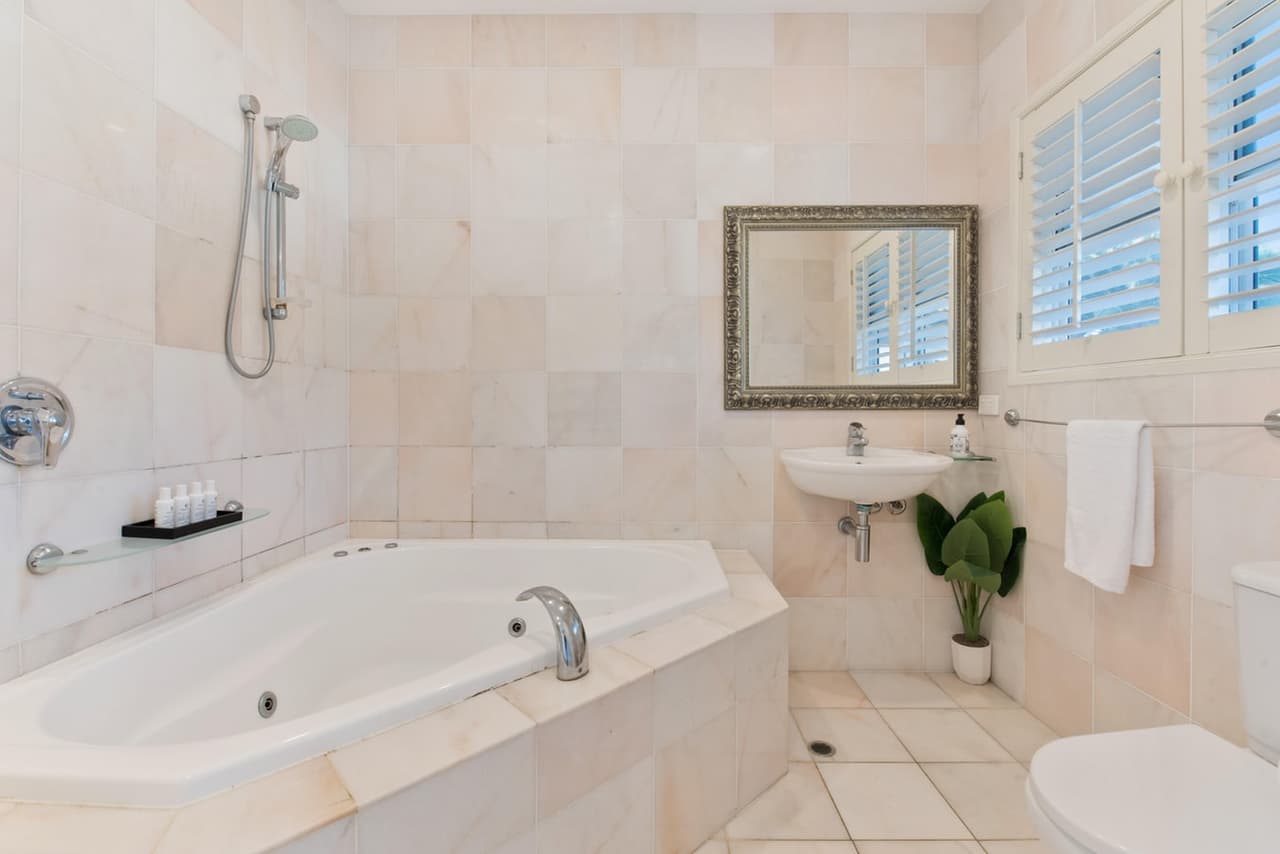
Ceramics look beautiful in almost any home, whether used as a material for the kitchen backsplash or as a beautiful mosaic accent piece on a wall. This material is versatile, low-maintenance, sturdy and with an excellent lifespan if looked after correctly. Another place a tile floor is commonly found is in the bathroom. If you already have one installed, then you’re one step ahead of us.
Although a sturdy material, tile can break if something lands on it the wrong way. If you've come across a chip in your ceramic tile, all hope isn’t lost. This article is here to address how to repair and rebuild a ceramic tile floor.
Here's how to renovate a bathroom ceramic floor!
Getting started
There are plenty of reasons why you might want to replace or repair your tiles, whether you’re changing the decor of your entire bathroom or it’s simply outgrown your personal style. In any case, the job itself is fairly simple and will not require too much expertise in the realm of home renovation. Of course, with that in mind, it’s still important to be careful and prepared for all renovation projects.
Since tile is a material that chips and causes an excessive amount of dust, we would suggest using safety goggles as well as gloves for the job. This will help you avoid getting any dirt or debris in your eyes or embedded into your skin. This is a very important note because any fragments that find their way into your eyes once you begin breaking the floor can lead to long-term damage. Proper ventilation is also necessary, so make sure to keep windows and doors open for the duration of this job

Photo: MaxPixel
1- Break and clear away the old tile floor
The first step will require you to begin breaking the floor with a hammer. If you are working around a damaged tile and only repairing a section of the floor, you’ll need to begin by removing the grout around the tile. This can be done using a carbide-tipped scoring tool. Be very gentle with this job, as you want to avoid damaging the tiles around the original one. Surround the broken tile with painter's tape in order to protect the ones directly adjacent.
If you’re working to remove an entire floor, you’ll need to begin by removing a large section of the floor tiles. Once you’ve removed a significant enough piece, you can move on to using a floor scraper and easily remove the remaining tiles. Get rid of all the discarded pieces and make sure to clear off the surface of your floor, making it completely smooth and free of any dirt or dust. If needed, use a vacuum cleaner to get rid of excess dust or tile build up.
2- Prepare your tile cement
In order to glue your new ceramic tiles to the floor, you’ll need to work with a tile cement product that should be prepared right before placing the tiles down. Prepare your tile cement as per the manufacturer's instructions. Once the cement has been mixed, use a trowel to spread the tile cement section by section. Make sure that you apply cement in a uniform manner, and further, work quickly so the mix doesn’t dry too quickly. Work in smaller rather than bigger sections to keep things manageable and under control.
3- Install your new ceramic floor
Once you’ve laid some cement, you can begin to start placing and installing your tiles. In general, the best way to proceed is to lay the tiles one at a time, starting in the middle of the bathroom and working your way towards the edges. For best adhesion, we’d suggest buttering the back of your new tiles with thinset. Complete this process until the entire floor has been completed. Be careful to make sure that the joints are even as well as bearing in mind that the mosaic is well done. Once completely laid, you’ll need to let the new ceramic floor completely dry. The exact drying time will be specified by the manufacturer.

4- Finishing touches
Once completely dry, you’ll have to apply grout on the surface of these tiles. This will work to keep tiles in place while also extending their lifespan. The proper tool to use when applying grout is called a float. Be careful to fill the joint's surrounding tiles in completely and evenly. Wait ten minutes and then begin removing any traces of excess grout with a wet sponge. Afterwards, let the grout dry according to the manufacturer’s instructions. Once it has dried, well congratulations: you’ve got a new ceramic floor on your hands!
To see examples of bathroom renovation projects completed by RenoQuotes.com contractors, check out "10 examples of beautiful bathroom renovation projects".
Get 3 renovation quotes for your ceramic flooring project
RenoQuotes.com will put you in contact with 3 reliable contractors for your ceramic flooring renovation project. Fill in the form on our homepage (it only takes a few minutes), and you will receive quotes from trusted professionals.
Looking for something else?
Related articles
The latest industry news, interviews, technologies, and resources.
Editorial Team
•21 May 2026
Given that we spend a significant amount of time in our bathrooms, they get dirty in the blink of an eye. Your ceramic bathroom floor may darken, and the grout joints are likely to accumulate dirt. So, how can you effectively clean your bathroom ceramic tile floor?
Editorial Team
•08 Nov 2023
Small rooms in the home require ample planning in order to set the right tone. Lighting is an integral part of this process, as excellently designed and placed lighting and fixtures can help a space to really shine.

Editorial Team
•16 Dec 2024
Whether it’s your house, condo, or apartment, the need or desire to spruce up the decor after a while is completely expected. But, who should you hire for this sort of project, an interior decorator, an interior designer, or maybe even an interior architect? While these professions might appear similar, they involve distinct skills and roles, each tailored to specific needs.

Editorial Team
•23 Jul 2025
Given that your kitchen floor is exposed to it all, from dirt, grime, and wear and tear from heavy foot traffic, boiling and oily spills from falling pots and pans, flooring has to be as tough and resilient as they come. Yet, it still has to look good, stylish even, blending seamlessly with the overall decor.