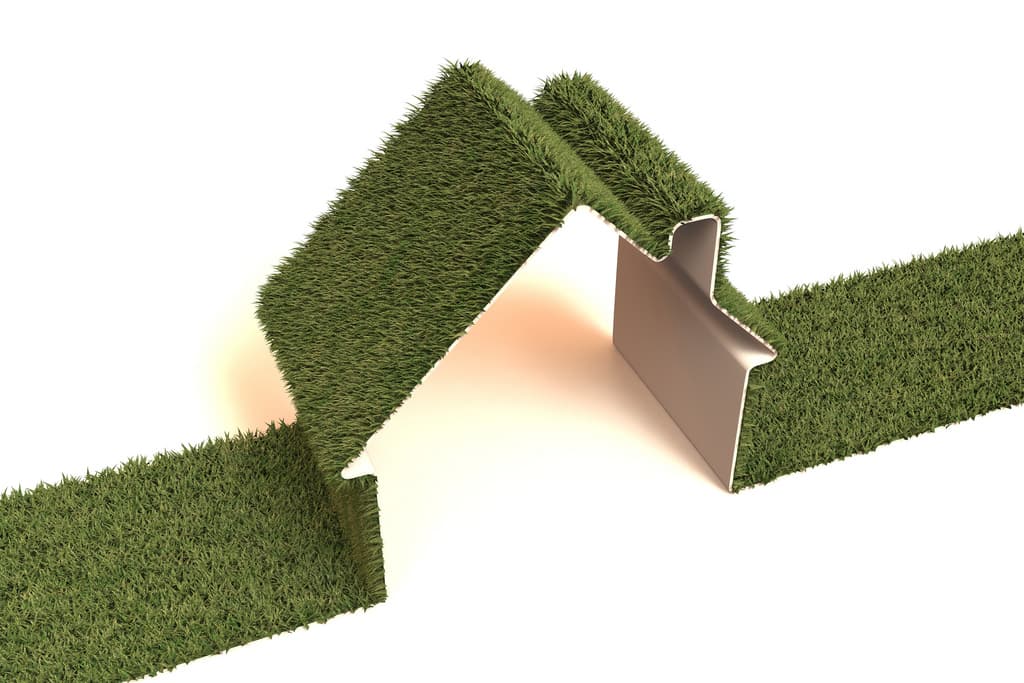
More and more people are beginning to realize the impact their home has on the environment and as a result are starting to make updates to their homes. The added benefit to these green tips is that ultimately, they help save you money, which in turn translates into your peace of mind.
Many people assume that green upgrades will break the bank and while you can do costly things like install a green roof or add photovoltaic solar panels, there are very affordable options that can have a significant impact.
Here is a list we’ve compiled of tips and upgrades that will be easy on your wallet while also helping you save money in the long term.

Photo: Pixabay
Being environmentally friendly in the kitchen
Since the kitchen is a place where you undoubtedly spend lots of time, it will likely be the first space you’ll want to spruce up.
A great way to start is by looking for Energy Star qualified appliances. Appliances with the Energy Star certification use roughly 10% to 15% less electricity as compared to standard kitchen appliances.
If your kitchen is always sunny and you notice that your fridge is sitting directly in the sunlight, move it to a shady area. If you look closely you’ll notice that extra heat generated by the sun beaming on the fridge actually makes the fridge work harder to stay cold, costing you more in electricity.
Before opening the fridge, decide what you want. Believe it or not, the simple act of keeping the refrigerator door open while you decide what to eat can cost you almost anywhere from $30 to $60 every year in wasted energy.
Most people are surprised to find out that a microwave uses less energy than a conventional oven. Opting to cook what you can in the microwave as opposed to the oven can mean almost 50% less energy is used to cook dinner.

Greener living area tips
Apart from the tips mentioned above, other tips exist for those who wish to adopt environmentally friendly practices.
First of all, we suggest starting by replacing traditional incandescent light bulbs with compact fluorescent light bulbs. This measure will save you up to 65% more energy.
Also, let's mention that bamboo is highly sustainable due to the quickness at which it grows naturally. Installing bamboo flooring rather than hardwood will undoubtedly have a positive impact on the environment.
Note that leaving your blinds open as often as possible is also an excellent idea. Although in Canada we can have some drab gray days, it’s important to keep your blinds open in order to get as much natural light as possible into your home. In fact, almost 10% of your energy expenditure on heat can be saved simply by allowing the sunlight to add warmth naturally.
Everyone with wood floors knows just how uncomfortably cold they can be underfoot during the winter. By laying down a rug over your cold wood floor you can save up to 6% on your energy bill since you won’t be increasing the temperature to keep your feet warmer.
On another note, it's worth mentioning that most people don’t realize that just by turning the thermostat down by only 1°C you can save up to $100 every year. The best part is that a 1° drop in temperature is so negligible that you probably won’t even notice it.
Lastly, let's remind ourselves that growing plants is a great way to make your home literally greener. Growing small vegetables like cherry tomatoes is a simple way to add colour and have a quick snack on hand. One great part about indoor plants is that some of these remove toxins and purify the air of your home. Garden Mum, dracaena and bamboo are only a few of your many options.
Conserving energy in the bathroom
The bathroom is a haven, somewhere you can spend plenty of time so it is extremely important to curb wasteful bathroom habits by:
Turning the tap off: One of the biggest household wastes is keeping the faucet running when brushing your teeth, once you’ve curbed this habit you’ll be more conscious of how you use your water.
Installing low flow fixtures: These days, showerheads and faucets are being manufactured to waste less water while in operation and this also happens to save you money in the long run. Much like EnergyStar for appliances, WaterSense is used to designate fixtures that will help you lower your water consumption. Just by installing a low-flow showerhead, an average family of 4 can save about 150,000 litres of water. For information consult our article Choosing a Showerhead.
General tips on conserving energy
Many people don’t realize the impact their laundry room has and it’s a convenience few people are willing to compromise on. Fear not, there are some tweaks you can make that will help make you less reliant on energy in the laundry room.
First of all, you can hang dry as often as possible. The clothing dryer is responsible for producing almost 3 kilograms of carbon emissions every hour! This exhaust can be easily avoided by using a low-tech clothesline or clothing rack to air dry your clothes.
Of course, you can use cold water to do your laundry. Several detergent companies have acknowledged over the years how much more efficient your cleaning cycle can be if cold water is used as opposed to hot water.
In fact, it’s beneficial to your wardrobe to use cold water as the lower temperature helps to preserve the dyes and prevents shrinkage. Making sure your water temperature is 30°C or less will help you use roughly 40% less electricity.
Taking some, if not most of these steps, in combination will help you to have a noticeable impact on your annual energy bills. As you start to save, you can begin considering bigger projects that will help completely change your home's carbon footprint. Remember, significant renovations of that nature should always be done by a licensed professional contractor.
Would you like to continue your reading on the subject? Check out our article Sustainable interior design practices.
Get 3 renovation quotes for your green renovation project
RenoQuotes.com can help you get quotes for your eco-friendly renovation project. If you submit your project to us, we’ll put you in contact with top-rated contractors. Fill in the form on the homepage (it only takes a few minutes), and you will get estimates from trusted professionals.
Dial 1-844 828-1588 to speak with one of our customer service representatives.
Looking for something else?
Related articles
The latest industry news, interviews, technologies, and resources.
Cynthia Pigeon
•30 Sep 2026
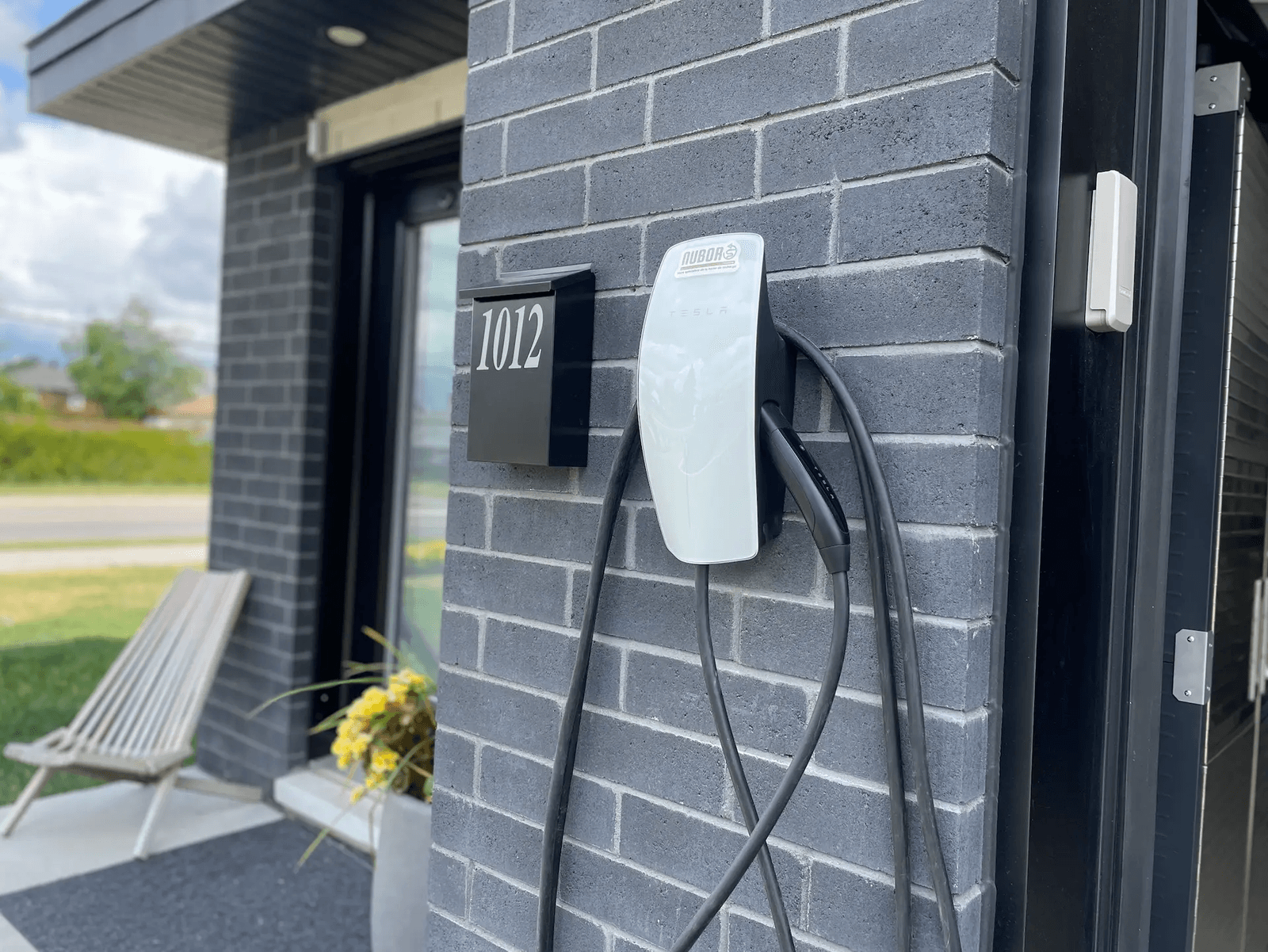
Installing a Level 2 EV charger at home allows Canadian homeowners to charge their electric vehicles faster and more conveniently than with a standard 120 V outlet. In 2026, a practical budget for a typical residential installation is approximately $1,500 to $4,500 before taxes, including the charging unit and professional installation. However, major electrical upgrades, extensive wiring or excavation can increase that cost considerably.

Cynthia Pigeon
•24 Oct 2026
Have you ever accidentally started a fire by leaving something in the oven? Has your son accidentally broken a neighbour's window while playing street hockey? Have you ever broken a valuable object while having dinner at a friend's house? Has your daughter's dog ever bitten someone, causing serious injuries?

Editorial Team
•03 Aug 2026
A fireplace situated anywhere in your house makes an impact. It creates an ambiance that adds to the sense of comfort. You can place it in a corner, blend it with the rest of the décor, place it high up on the wall or even on the floor.

Paul Riopel
•25 Jun 2026
Entering the world of subcontracting in Ontario? This article will walk you through the essentials - from gaining relevant work experience, understanding the legalities such as employment status and taxes, to navigating the job market.
Karine Dutemple
•08 Nov 2023
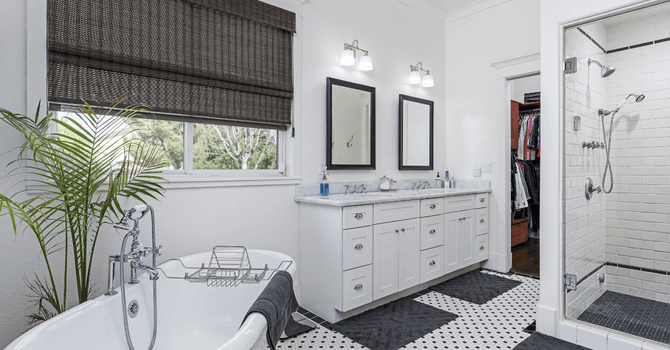
When large-scale renovation projects are happening, you may lose full access to the most important sections of your home, such as the kitchen or bathroom. In the case of a bathroom renovation, depending on the work that is being carried out and the agreement you have signed with the contractor, the timespan of the project can vary and sometimes last several weeks, thus creating a certain period of inconvenience for you or your family, especially if you have young children.