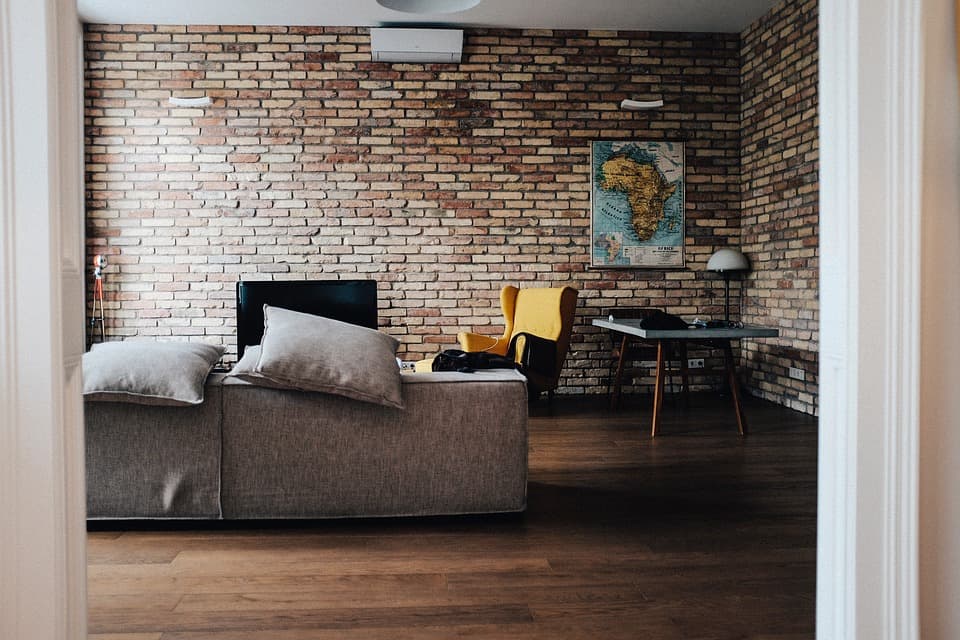
Real bricks and fake bricks are currently a staple on the home decor scene: when used as a wall covering material, they add a lot of warmth and character to interior decor. Learn more about the different characteristics of this material, which is durable and stylish.
Interior brick walls: installation and characteristics
Brick is often used for chimneys, kitchens, living rooms or bedrooms. In many cases, only one or two of the walls are covered in bricks, giving a nice contrasting effect. The style is at once modern and traditional, in addition to being very sophisticated.
These types of wall coverings are either made with real bricks or decorative bricks, which are perfect imitations of the latter. Both come with a lifetime warranty, are quite affordable and easily accessible. Moreover, different colours, sizes and shapes are available, meaning you can adapt your interior brick wall according to your personal taste. In Canada, several companies make this type of material.
Real brick, when used as a wall covering, is the same as traditional masonry brick. Empty bricks are usually covered. This material is mostly made of baked clay to which fibres or sand are sometimes added. As for outdoor installation, brick on interior walls is bonded to the wall surface and mortar is used for the joints. The surface must be prepared, either by applying primer if the wall is virgin or by soft sanding if it is already painted.

Photo: MaxPixel
Installing an interior brick wall
The installation process for an interior brick wall is the same as that of an exterior brick wall: the bricks are glued to the wall and mortar is used between the joints. The surface has to be prepared beforehand. If the wall is untouched, a layer of primer will do the trick and if the wall has already been painted, the surface can be evened out using sandpaper. Installing bricks can be a rather complicated process and in order to do a good job, one needs to have a bit of knowledge about masonry.
Decorative brick- also known as fake brick- is more popular than real brick for interior walls. Thinner and lighter, it offers a perfect imitation of the real thing. In most cases, decorative brick is made using concrete, aggregates and pigments. They are easier to install but still require glue and mortar, except in the case of bricks that already come with a self-adhesive product on one of the faces.
Both have similar drawbacks. Real brick and decorative brick are not easy to install. They must be glued brick by brick and left to dry before applying the mortar between each joint. Moreover, the maintenance process can be complicated depending on the type of brick.
Other imitation brick products exist, like brick panels. In general, these panels are made using bricks that are glued to a rigid material. This type of product makes the installation process much easier and much quicker.
Looking to maintain an interior brick wall? Check out our article: How to refinish and maintain an exposed brick wall in your home
Also, if you want to hang decorative items on your wall, you will need to follow certain steps. Here is what you need to know: Exposed brick walls and how to hang things on them.

Photo: MaxPixel
The cost of installing an interior brick wall
If you feel up to it, you can install real or decorative bricks yourself. However, this process can be quite tedious, especially for real brick. Only by hiring a contractor or a qualified mason will you have a guarantee that the result will be up to your expectations.
In terms of prices, expect to pay somewhere around $7 per square foot for real and decorative brick and around $48 for an 8x4 brick panel.
You will find more information about prices in the article: Interior brick walls: cost of installation and maintenance.
Interior decors featuring exposed brick
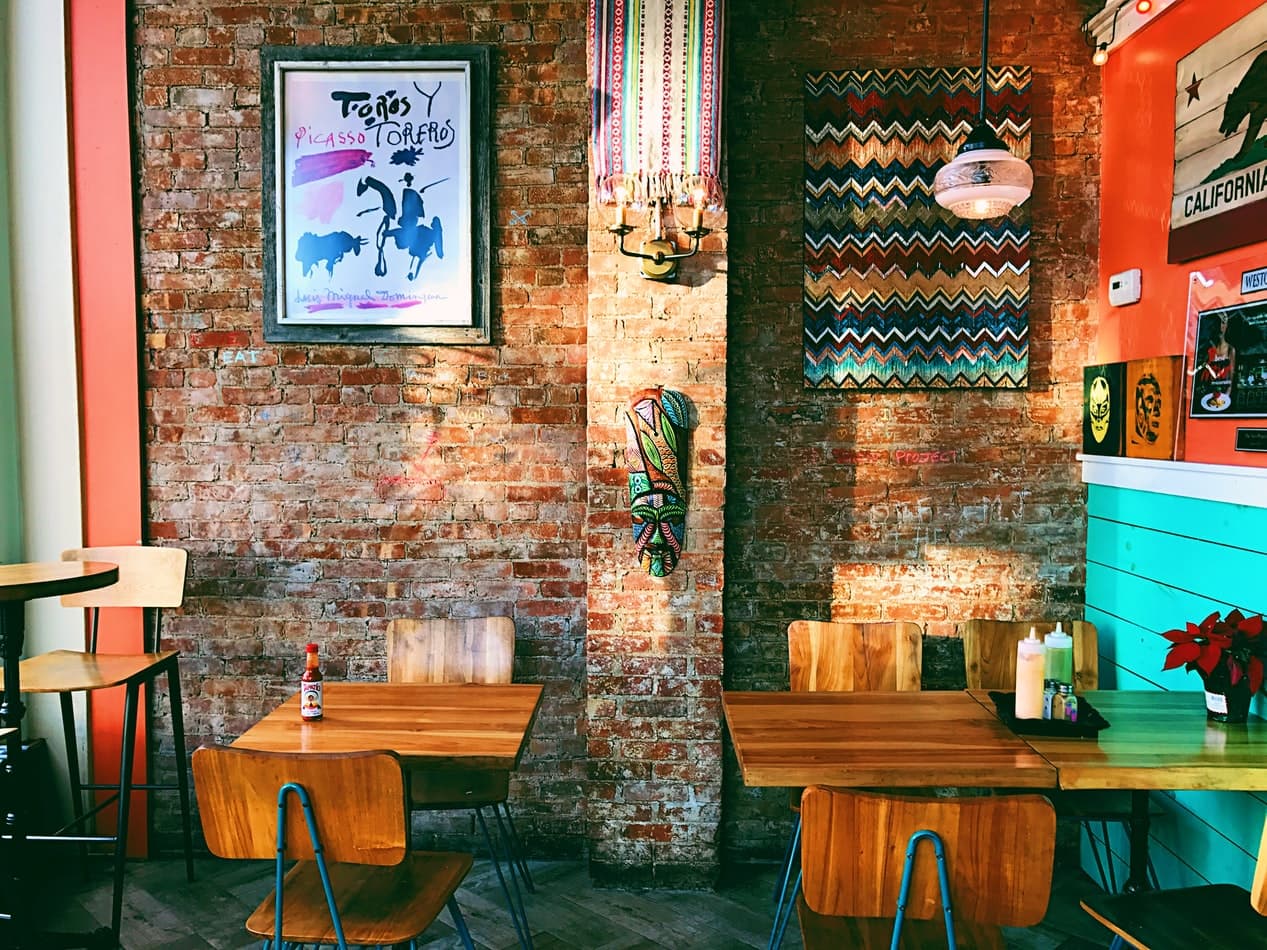
Brick walls suit most decor types. From rustic living rooms to contemporary kitchens, what is more, charming than a textured and colourful wall? This material adds an interesting visual element and offers an alternative to gypsum walls or other wall-covering materials available on the market.
Are you looking for ideas to incorporate a brick wall into your home? Visit Pinterest to discover hundreds or even thousands of examples. Also take a look at our decoration guides, mainly those that address rustic and industrial decor. You will learn more about colour schemes, materials and more.
Would you like more information on the different types of wall coverings? Check out our Paint and wall covering renovation guide and 10 Examples of Unique Wall Covering Materials article.
Get 3 renovation quotes from masonry contractors
RenoQuotes.com can help you get quotes from qualified masons and renovation contractors for your interior brick wall. If you submit your project to us, we’ll put you in contact with the best masons in our contractor network. Fill in the form on (it only takes a few minutes), and you will get quotes from qualified masons and home renovation companies.
Dial 1-844 828-1588 to speak with one of our customer service representatives.
Looking for something else?
Related articles
The latest industry news, interviews, technologies, and resources.
Editorial Team
•05 Dec 2025
Are you lucky enough to have a bathroom right off your master bedroom? To turn this space into a little oasis that instills rest and relaxation, and which you can enjoy after a hard day’s labour, a little inspiration wouldn’t hurt! Here are a few inspiration-fulled examples.
Editorial Team
•25 Apr 2024
There’s nothing like a bit of paint to morph a room, to then embrace the environment in no time. While painting projects are mostly feasible by all, it still goes without saying that professionals have proficient knowledge of the basics of painting to carry out a flawless finish. If that doesn’t reflect your abilities, unsightly marks could give you away sooner or later...like paint blisters or bubbles appearing on a freshly coated wall.
Editorial Team
•25 Jul 2025
The kitchen is a focal point in any home; an area which we tend to gravitate toward and spend a lot of time in. Kitchen flooring renovation projects are very common among homeowners looking to revamp their living spaces. There are a myriad of reasons why you would be looking to undertake such a project. Among the many, it may be to improve the overall look of your kitchen, increase the value of your home, or revamp damaged, worn, or outdated flooring.
Cynthia Pigeon
•12 May 2026
Replacing a bathtub with a shower in Canada is a strategic renovation that generally costs between $5,000 and $12,000, depending on the materials, the existing plumbing, and the complexity of the work. This upgrade can improve the functionality, comfort, and perceived value of a home, especially when it supports accessibility, aging in place, or a more modern bathroom layout. Given that this type of project may involve plumbing, drainage, waterproofing, ventilation, and sometimes floor preparation, it is important to plan carefully. Depending on the province or municipality, plumbing work may need to be completed by a licensed plumber or qualified contractor. In many bathtub-to-shower conversions, the existing drain may also need to be assessed or upgraded to meet the requirements of the new shower installation.
Léa Plourde-Archer
•08 Nov 2023
Brick is a building material that's been used for hundreds, if not thousands, of years. In terms of sustainability, it has proven its worth. It is a very clever system used for structures and exterior cladding. Brick is made to withstand different climates and is suited to both modern aesthetics and more classic looks. In other words, basic brick work has a very long service life, spanning decades and even more!