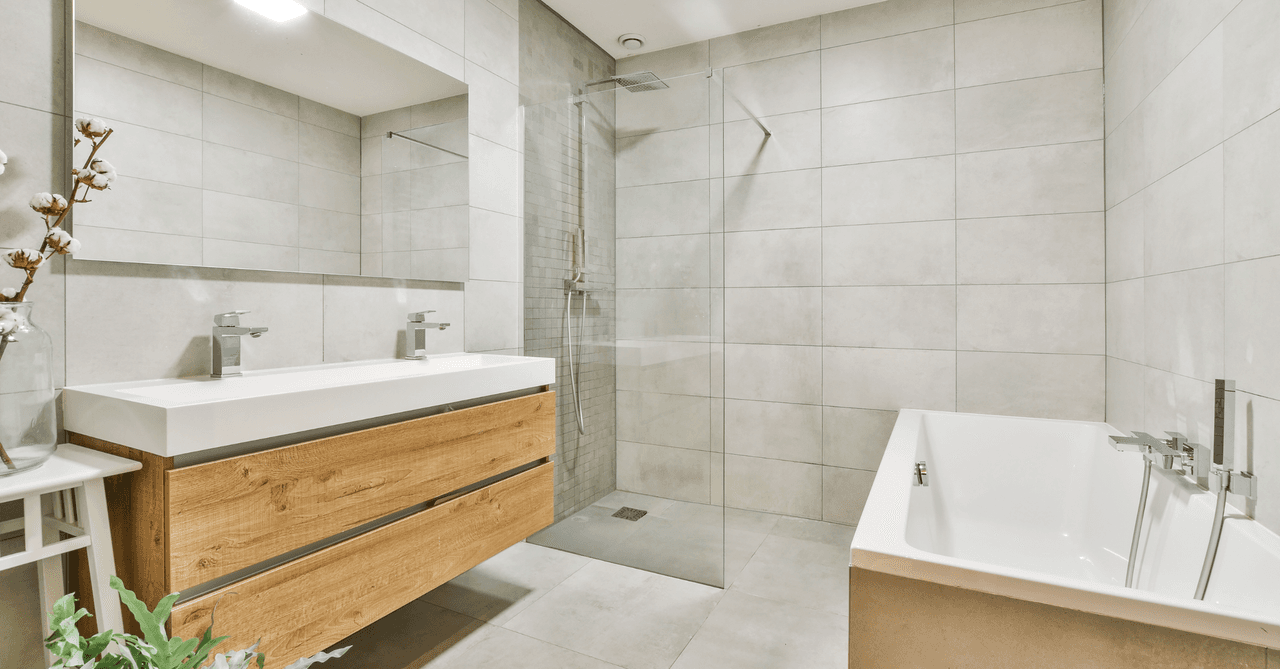
Thinking about laying tiles as a wall covering? Learn more about the different characteristics of this material that’s both durable and customizable, as well as maintenance tips, and the average cost of tiles.
What are tiles exactly?
Source: Canva
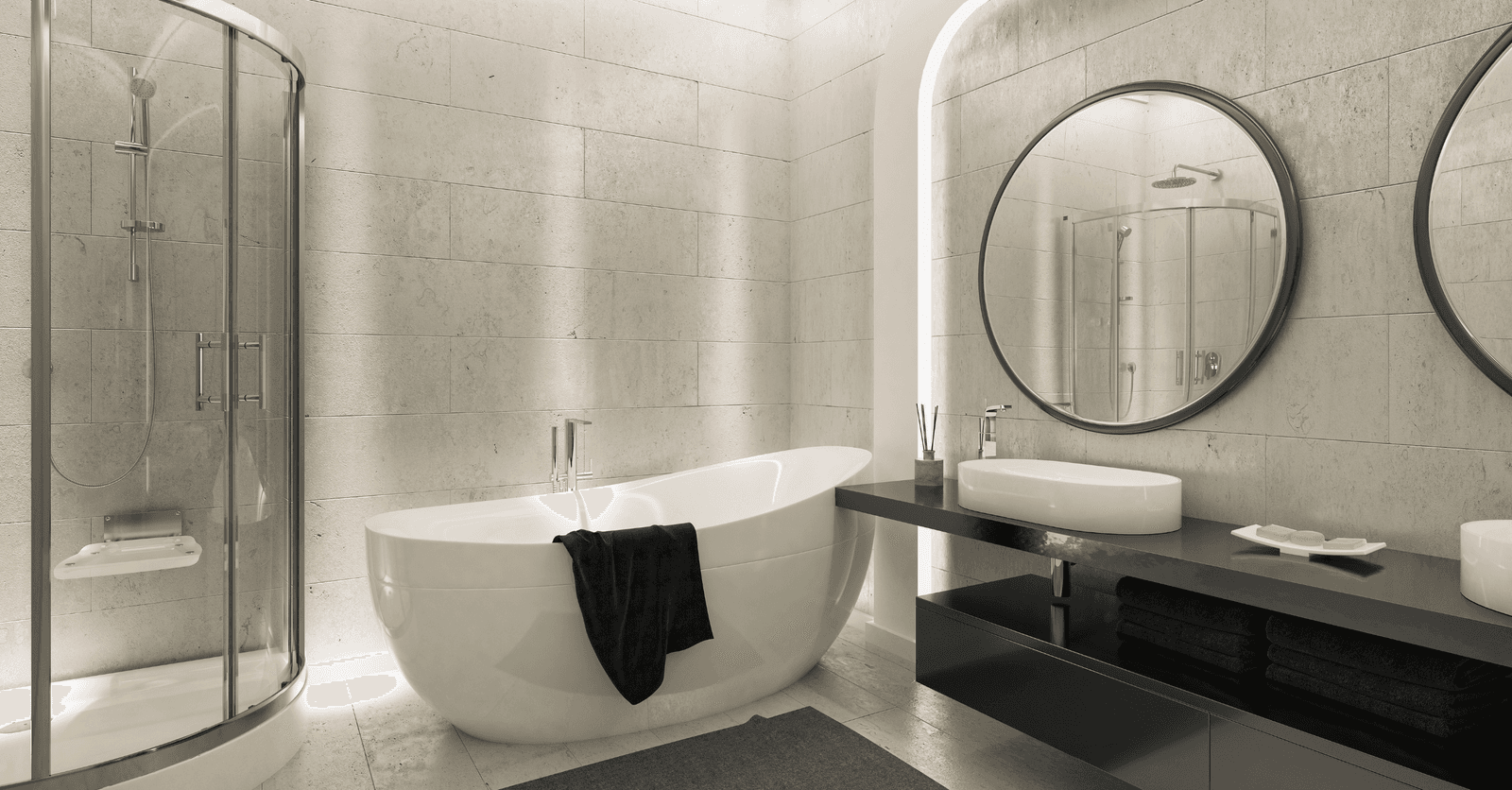
When it comes to tiles, it’s basically a ceramic issued from high-temperature, hard-wearing minerals. This vast group of materials includes porcelain and other tiles, however, they’re most often classed apart. As a matter of fact, when it comes to wall coverings, clay- and porcelain-issued materials are called ceramics.
Other types of tiles, issued from glass and earth, are also available. The tile surface is typically glazed, meaning smooth and glossy. Numerous colours, sizes, and patterns are available, some even mimicking wood. One can also paint tiles if you’re looking to adapt them according to your interior décor. Tiling is virtually infinite, ranging from simple alignments to complex mosaic patterns.
Advantages of Wall Tile Coverings
Typically, wall tiles are either installed in the kitchen, bathroom, or basement. However, such covering can be adapted to any room. Tiles have many advantages. First of all, they’re both durable and resistant. If you clean them on a weekly basis with a bit of soapy water, they’ll last a lifetime. For a quick wash, you may want to use a vacuum cleaner or a broom.
Furthermore, tiles are waterproof, which means they’re well-suited to surfaces that are often exposed to water or steam (bathroom, kitchen backsplash, etc.) They’re also quite easy to install: each tile is laid on the wall using grout, glue, or a self-adhesive product applied directly on the back of the tile.
Downsides of Wall Tiles
Porcelain and other types of tiles also have a few drawbacks. First of all, tiles tend to amplify sound and are quite bad at retaining heat. Therefore, given Canada’s weather conditions, this type of wall covering isn’t recommended in bedrooms and living rooms.
Furthermore, if you use grout to lay the tiles, they risk accumulating dirt rather quickly; dust and other types of grim tend to get embedded in between the joints. Be sure to clean the grout joints using an especially designed tool or a soapy water solution in a spray bottle. A toothbrush can also get the job done just fine.
Cost of Wall Tiles
In terms of cost, on average, it will increase if you hire professionals to carry out the installation. According to Yanick Dupré, of Dupré Carrelage Inc., an expert in the field we consulted on the matter, hiring a contractor to lay wall tiles costs between $10 and $16 per square foot. The price for 2025 will be between $10 and $32 per square foot.
Don’t forget to account for the number of tiles you need according to the installation surface. Always get extra tiles in case some of them break or are damaged in the process.
Wall Tile Covering Maintenance Tips

Source: Canva
Regular tile maintenance plays a huge factor when it comes to service life and appearance in general. And that’s why it’s especially important to carry out regular maintenance work, even an occasional deep clean, to ensure the tiles and grout joints are looking good and in good condition.
In terms of weekly cleaning, note that choosing the right products to clean with prevents damaging the tiles’ surfaces. Indeed, certain products can be effective on the spot but harmful in the long run. For example, it’s best to avoid using alkaline and acidic products too often, which help remove harsh stains but are rather harmful if used on a weekly basis. Instead, it’s best to choose neutral detergents that can be purchased in hardware stores and most cleaning supply stores.
You can find more detailed tile maintenance tips in this article, which is floor-specific, but also applies to wall coverings.
Want to learn more about the various types of wall coverings? Check out our Paint and Wall Covering Renovation Guide.
Get 3 renovation quotes for your wall tile installation project
RenoQuotes.com can help you get quotes for your wall tile installation project. If you submit your project, we’ll put you in contact with the most suitable contractors for your project. Fill in the form on our homepage (it only takes a few minutes), and you will get quotes from trusted professionals.
Dial 1-844 828-1588 to speak with one of our customer service representatives.
Looking for something else?
Related articles
The latest industry news, interviews, technologies, and resources.
Editorial Team
•08 Nov 2023
Rail-mounted light systems are a wonderful and versatile fixture made to suit the needs and décor of any home. This style of light consists of an electrical track that mounts to the wall or ceiling, with individual lamps attached at various points along the track.

Cynthia Pigeon
•08 Nov 2023
During summer heat waves, many dream of escaping, somewhere, anywhere North to flee the intolerable heat and humidity. However, this solution is not always tangible, therefore, there are various tools and apparatuses that can help you create a better, more comfortable home.
Léa Plourde-Archer
•08 Nov 2023
In Canada, bathrooms tend not to be very spacious, yet this part of the home is first and foremost meant to be a place of relaxation where occupants should be made to feel comfortable. By optimizing the layout of your bathroom, you can enjoy a more refined space, especially by focusing on storage furniture. Home furnishing stores are full of ideas of any kind to allow you to optimize every inch of the room. There is something for everyone and all budgets!

Cynthia Pigeon
•03 Nov 2025
Are your living room windows looking a little drab for your liking? Lucky for you, the various models available on the market are as ample as they are diverse! Should you be struggling to find the perfect model for your living room, check out the following models that are sure to help you make up your mind, regret-free.
Léa Plourde-Archer
•10 Sep 2026
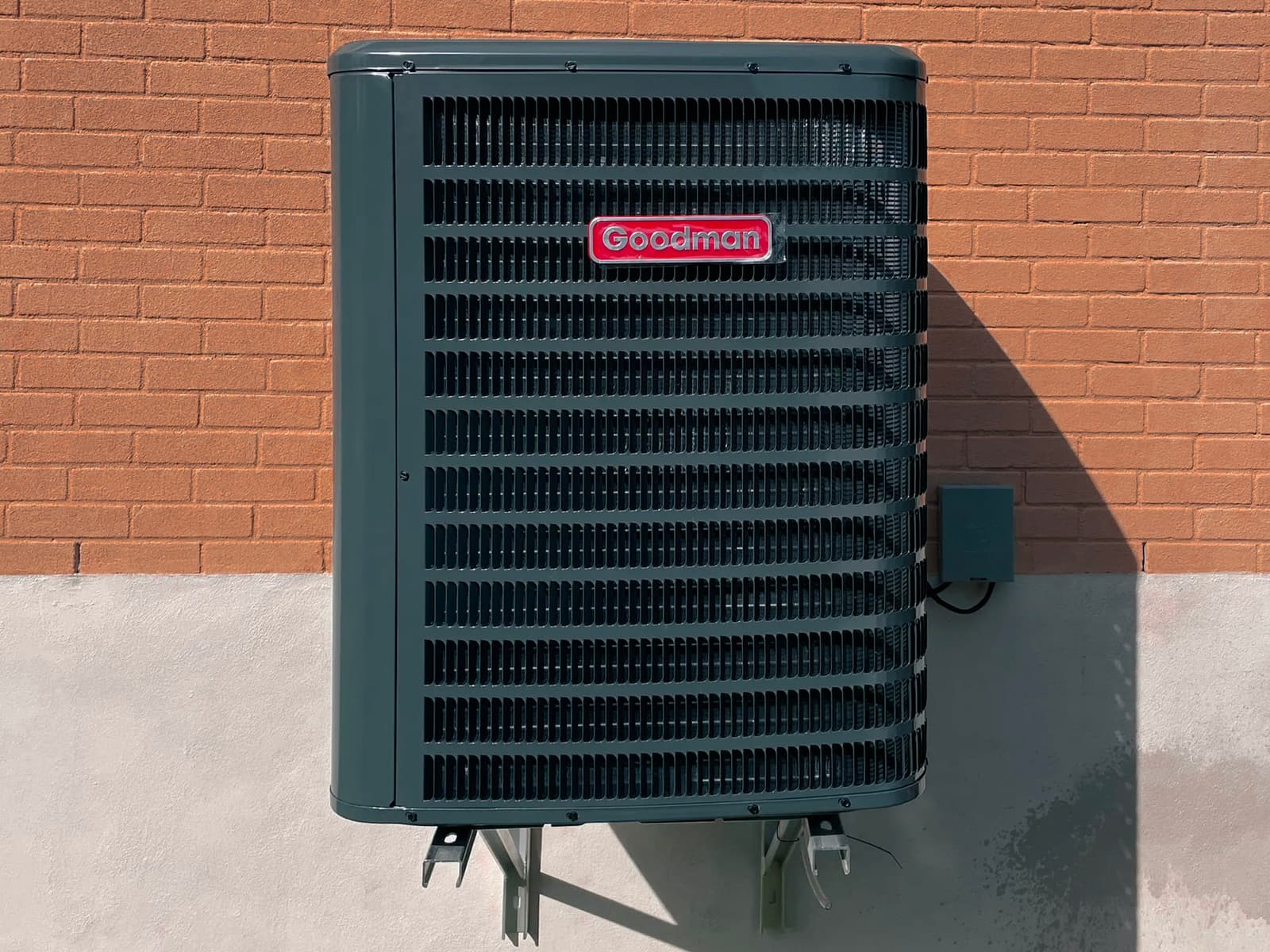
Choosing the right air conditioner (AC) or heat pump system for your Canadian home is an important long-term decision. From the scorching humidity of summer to bitter cold winters in cities like Montreal and Toronto, your HVAC system must deliver reliable comfort, efficiency, and performance across seasons. In this article we’ll compare three of the most notable brands available in Canada: