Design: The Best Practices for a Small Space
By Editorial Team
Updated on November 8, 2023
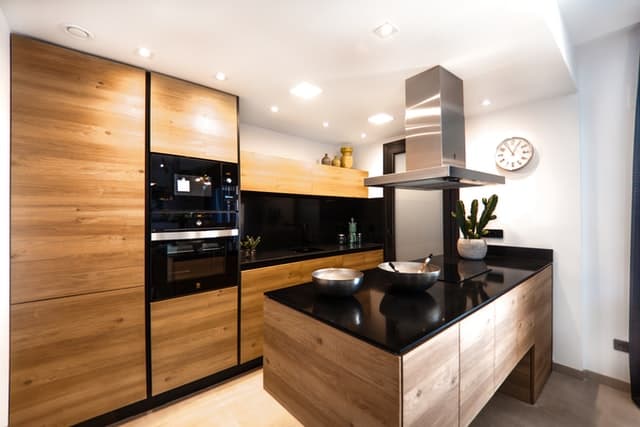
When working with a small living space, it’s possible you’ve already explored the tried and true practices tested out by interior designs: hang multiple mirrors, use furniture that has several functions, find ways to maximize every square inch.
Of course, as we spend more and more time indoors, it’s crucial for our spaces to feel both chic and comfortable, and thus, we need to reach beyond trying to make the most of the space just for the sake of it. What are truly the best design practices for a small apartment?
Well, we’d guess, one size doesn’t necessarily fit all. However, we’re here to offer some creative and inspirational ways you can approach a small apartment, or even a tiny home, to make the most of what you’re working with while keeping things stylish.
The best design practices for a small space
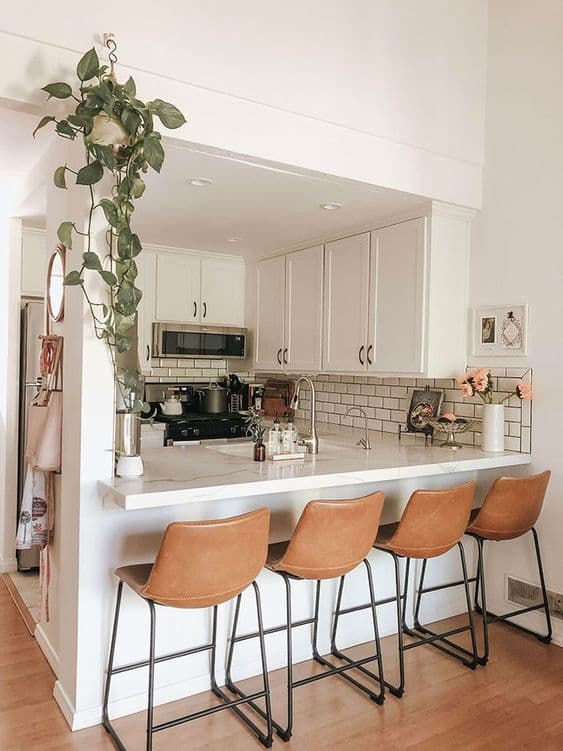
source: sisoo sarah
1- Purge
This may seem like a strange place to start from, but when living in a small apartment, tiny home or space, having fewer things tends to go a long way. Moving around generally means accumulating a lot of stuff that we wish to hold onto, but that may no longer serve us.
Further, if we’re trying to level up, it’s important to get rid of some of the pieces we’ve been carrying with us and choose furniture and objects that we can carry with us into later stages of life. This often means opting for better quality, timeless pieces. Consider what you own, what can stay and what can go. Be brutally honest with yourself and let go of any worn or tired items. Another important note is that when living in a smaller space, it’s likely that you’ll spend a lot of time looking at all of the things you’re surrounded by, so make sure to keep only the pieces you really love.
2- Centre your daily routine or favourite pieces
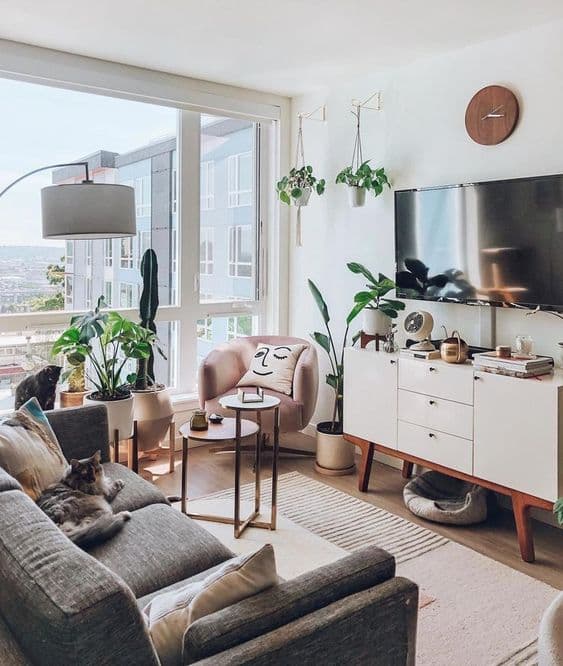
It’s important to think practically about your daily routines and consider how to best optimize your space to coincide with these. Making the most efficient use of each room, or organizing furniture in a way to divide up space into functional sections will take some thought and consideration. Before you start rearranging your furniture, begin the floorplanning process in your head, ask yourself what your priorities are and how you can accommodate them.
For example, if you’re working from home, maybe the most important thing is an office nook, or perhaps your bed is your sanctuary, and you want to focus all your attention on keeping it as such. Thus, try and find a way to arrange pieces so they work in harmony with the most important factors.
source: Birds of a Feather
3- Find the right fit
We’re all guilty of falling in love with a piece of furniture before really considering how it fits into our space. As mentioned, when it comes to living in a small apartment or a tiny home, it’s crucial to be intentional about the pieces you’re choosing. Purchasing furniture that is the correct scale for the size of the apartment will really make all the difference. Of course, this will mean taking careful measurements of your space as well as some very careful planning to really craft a beautiful flow between rooms or various sections.
4- Divide the space with colour and furniture
When working with a small home or apartment, it can be difficult to make the distinction between rooms. For many tiny places, you may not have a separate living or dining room, or even a separate bedroom if living in a studio. Thus, you can work with your colour scheme and your furniture to create different zones within the space.
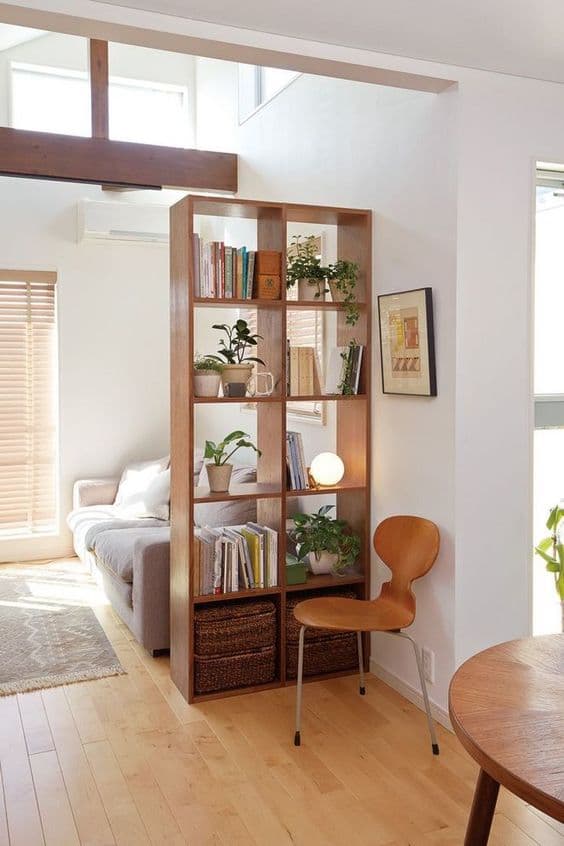
If you’re working with some larger pieces of furniture, like a couch or shelving unit, these can be used as a wall to divide one large room into separate areas. An open-concept shelving unit makes for a beautiful room divider, placing plants or small knick-knacks in the openings for a chic and kitschy feel.
When working with colour, you may consider breaking up your space by painting various walls in different shades of one or two colours. Begin with a specific colour scheme, and then work from section to section, finding a way to make each space feel distinct while keeping things cohesive.
source: Pecantshomedecor
5- Multi-functional piece, building upwards
Ah yes, we’ve come to the most common piece of advice offered to those living in small spaces: invest in multi-purpose furniture. As mentioned in our introduction, this is a tried and true solution for those looking to maximize every square inch of their interior. Now, if you’re not looking to invest in new pieces, there are a few ways to make furniture serve multiple needs.
Consider working with the available vertical space in your home; how can you build upwards? Mount things on the walls, including lighting, small shelves and plants. Whenever possible, hang things from the ceiling. This may even include a decorative piece of fabric or curtain to further divide the space. If you’re running out of room on your floor, why not stack multiple shelves atop one another? Be playful when it comes to the structural design of your interior, but also remember to think practically!
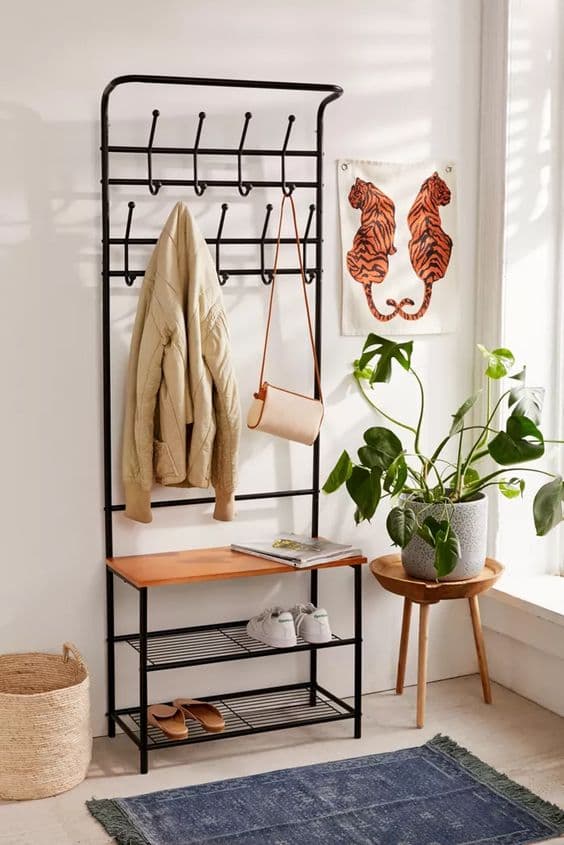
source: urban outfitters
Get 3 renovation quotes for your home renovation project
RenoQuotes.com can help you get quotes for your home renovation project. If you submit your project to us, we’ll put you in contact with the best contractors in our network. Fill in the form on the homepage (it only takes a few minutes), and you will receive quotes from home renovation companies.
Dial 1-844 828-1588 to speak with one of our customer service representatives.
Looking for something else?
Related articles
The latest industry news, interviews, technologies, and resources.

Editorial Team
•08 Nov 2023
Whether working, taking care of young ones, recovering from a cold or cooped inside for one reason or another, there are times when we’re stuck at home for days with no end in sight.
Editorial Team
•05 Dec 2025
Sometimes, it can be hard to sort through all the ideas swirling around when you start thinking about renovations.

Editorial Team
•28 Jan 2026
As the demand for energy-efficient climate control grows across Quebec, many homeowners are turning to heat pumps as a reliable year-round solution. Among the top contenders, Fujitsu heat pumps stand out for their exceptional performance, durability, and advanced features. Whether you live in a cottage in Estrie or a bungalow in Laval, understanding how to compare Fujitsu models will help you make a sound investment in 2026.
Équipe éditoriale
•08 Nov 2023
If you’re living under a roof where privacy is a privilege, you might be thinking about how you can section off the rooms of your home to make them more intimate. Building a non-bearing interior wall can add an element of separation and independence to even the most open of spaces. This project requires basic carpentry skills, as well as tools to go along with them.

Editorial Team
•21 Aug 2026
During home renovations, electrical work must be carefully planned to ensure the safety, durability, and reliability of the improvements made to the property. Finding the right balance between cost and quality helps avoid compromises that could affect the proper functioning of electrical systems.