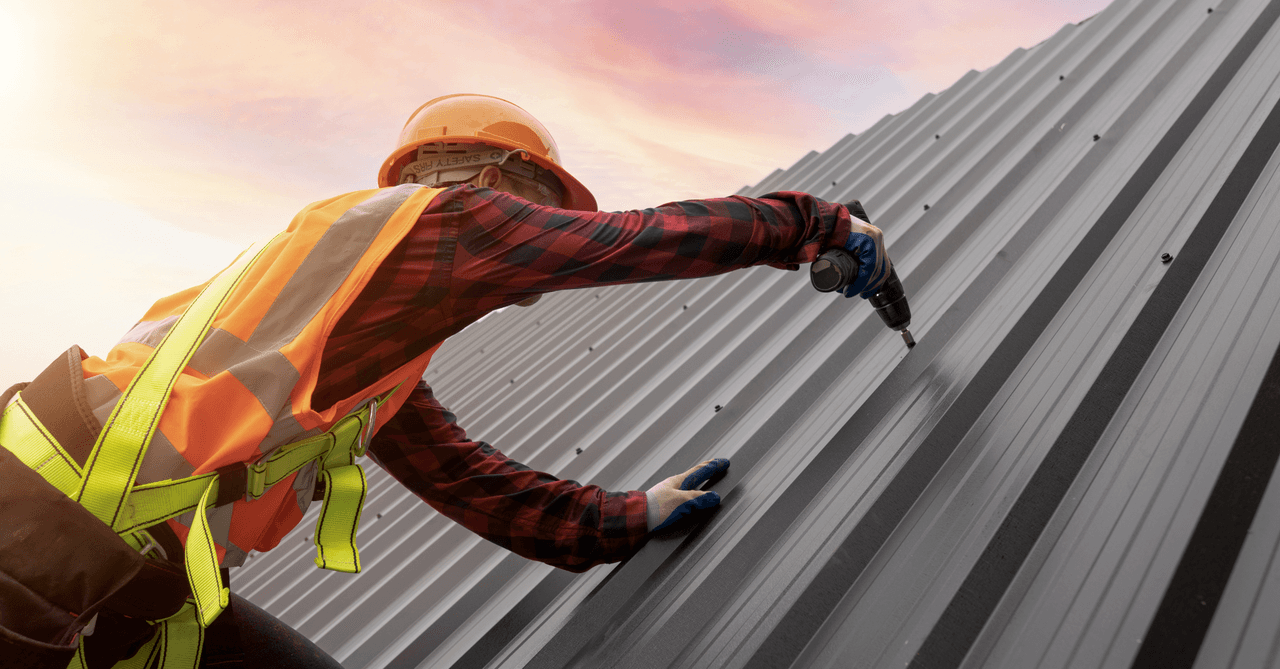
Metal roofs, particularly pre-painted galvanized steel, are among the strongest and most durable on the market. They can last between 60 and 100 years, providing long-term protection for your home. Despite this durability, they remain susceptible to corrosion, temperature fluctuations, and weather conditions. Like any roof, regular maintenance is necessary to preserve both their efficiency and appearance.
Get Your Project Started Today
Submit your details and receive three free quotes from trusted contractors.
Maintaining a metal roof is not just a matter of aesthetics: a neglected roof can cause structural problems and affect attic ventilation. In this article, discover all the steps to properly care for your metal roof and extend its lifespan.
Maintaining a Metal Roof in Three Steps
Step 1: Inspect the Metal Roof
This is the first step to determine whether your roof requires any repairs. If so, this is the perfect time to fix it before moving on to cleaning.
For example, screwed metal roofs can lose their fasteners over time, especially if the screws are of poor quality. The goal is to ensure that no screws are missing, as even a small gap can cause leaks.
Seals should also be checked around dormers, skylights, chimneys, and vents. Even a minor break could compromise your roof when you least expect it.
Does your roof require repairs? Check out “What Is the Cost of Repairing a Metal Roof?”
How Often Should a “Canadian-Style Metal Roof” Be Inspected?
If your home is an older property with a “Canadian-style metal roof,” you should clean gutters, downspouts, and pre-painted aluminium annually. At the same time, tighten or replace fasteners with metal compatible with the roof, gutters, and decorative elements, following the same schedule.
Every five years, you should repaint galvanized steel panels and gutters using rust-proof paint.
Step 2: Clean a Metal Roof
Occasional cleaning of pre-painted surfaces is recommended to extend their lifespan and maintain their appearance. Clean unexposed surfaces annually using a garden hose with clear water. Waxing can further prolong the life of pre-painted materials.
For areas with significant dust buildup, use a solution of 100 ml laundry detergent in 4 litres of water. Scrub with a soft-bristle brush, then rinse thoroughly with clear water. In humid areas, if mold stains appear, use a solution of 100 ml detergent, 200 ml trisodium phosphate (TSP), 1 litre 5% sodium hypochlorite (bleach), and 3 litres water. Rinse with clear water.
Avoid solvents and abrasive cleaners. Sealant, oil, tar, wax, or other similar substances can be removed with mineral spirits. After using any solvent, wash with detergent and rinse thoroughly.
What Other Products Protect Metal Roofs?
Some metal roof restoration specialists can restore a roof using a liquid rubber product. After pressure-cleaning the roof and coating joints and screws with a rubber-based sealant, they apply the product using a spray gun.
This effective solution waterproofs your roof and resolves all water infiltration issues. It outperforms paint, providing enhanced durability and longevity for your roof.
Step 3: Painting
Generally, metal roofs have a varied lifespan depending on their material (copper, aluminium, galvanized steel). Unlike asphalt shingle roofs, metal roofs can be repainted after a few years. The aesthetic function of paint, available in a wide range of colours, also serves as a protective layer. Here are five reasons to repaint your metal roof:
Your metal roof paint is peeling
You no longer like the colour
The roof colour is faded
The paint needs touch-ups
You don’t want to invest in a new metal roof
However, repainting does not replace a new roof, guarantee waterproofing, or improve insulation. It primarily provides protection and decoration. It’s best to hire professionals who will use a product that remains flexible at low temperatures to withstand metal expansion.
Before applying new paint, remove any remaining old paint or coating. Options include sandblasting, high-pressure stripping, or gel stripping. Sandblasting uses a powerful sand jet, high-pressure stripping uses a water jet, and gel is applied and removed with rotating nozzles.
Before painting, scrape and brush off any loose material. Rust or stubborn grease should be cleaned with a high-pressure oxidizer to improve adhesion. Applying a primer adds extra protection in areas with rust.
Maintaining a Metal Roof: Precautions to Take
Wear Appropriate Footwear
Roofs, particularly metal ones, are slippery due to the metal surface. Investing in safety shoes is wise, especially as they will be useful for most residential maintenance or renovation tasks.
Choose Dry Weather
As you might expect, maintenance or repair work should not be performed in poor weather. Summer is the ideal season to maintain your metal roof and avoid accidents.
Seek Assistance (Especially for Holding the Ladder)
Roof work is dangerous since you’ll be several metres above the ground. It’s important to have a friend or family member assist you, at least to ensure balance when using the ladder.
Watch for Electrical Wires
When working on your roof, you may encounter overhead cables. This presents a double risk: electrocution and falling from the roof.
If in danger, contact Hydro-Québec customer service at 1-888-385-7252 or online.
Looking for more information about roofs? Check out our Roof Renovation Guide.
Bonus: Eco-Friendliness and Recyclability of Metal Roofs
Beyond durability, metal roofs stand out for their excellent environmental profile. Made mainly from metals such as steel or aluminium, they often contain a high percentage of recycled material and are fully recyclable at the end of their lifespan.
Unlike other roofing types, metal produces very little waste because it can be melted down and reused. This green lifecycle significantly reduces the building’s environmental footprint, making metal roofs a responsible choice for environmentally conscious homeowners.
Maintaining your roof also extends its lifespan, reducing the need for replacement and the production of new materials.
FAQ
How often should I inspect my metal roof?
Inspect your metal roof at least once a year, and after major weather events.
Can I walk on my metal roof to do maintenance?
Yes, but use caution. Wear soft-soled shoes, avoid stepping on seams or raised portions, and never walk on wet or icy surfaces.
How do I safely clean my metal roof?
Use a garden hose or soft brush with mild detergent. Avoid abrasive cleaners, high-pressure washers, or harsh chemicals.
When should I repaint my metal roof?
Repaint when the paint is peeling, faded, or needs touch-ups—typically every 5 to 10 years, depending on exposure and paint quality.
What should I do if I find rust?
Remove surface rust with a wire brush, apply a rust inhibitor, and touch up with rust-proof paint. For large or deep rust spots, consult a professional.
Can I use a pressure washer on my metal roof?
Light pressure is safe, but avoid high-pressure washing that could damage the coating. When in doubt, hire a professional.
Is mould or mildew a concern on metal roofs?
Yes, especially in humid areas. Clean with a solution of mild detergent and diluted bleach, then rinse thoroughly.
Do metal roofs require special products for maintenance?
Generally, no. Use products recommended by your roof manufacturer or installer. For restoration, some professionals use liquid rubber coatings.
Are metal roofs environmentally friendly?
Yes. Most are made from recycled materials and are fully recyclable at the end of their lifespan.
Is professional maintenance necessary?
DIY maintenance is possible, but hire a professional for repairs, repainting, or if you’re unsure about safety.
Looking for something else?
Related articles
The latest industry news, interviews, technologies, and resources.
Karine Dutemple
•08 Nov 2023
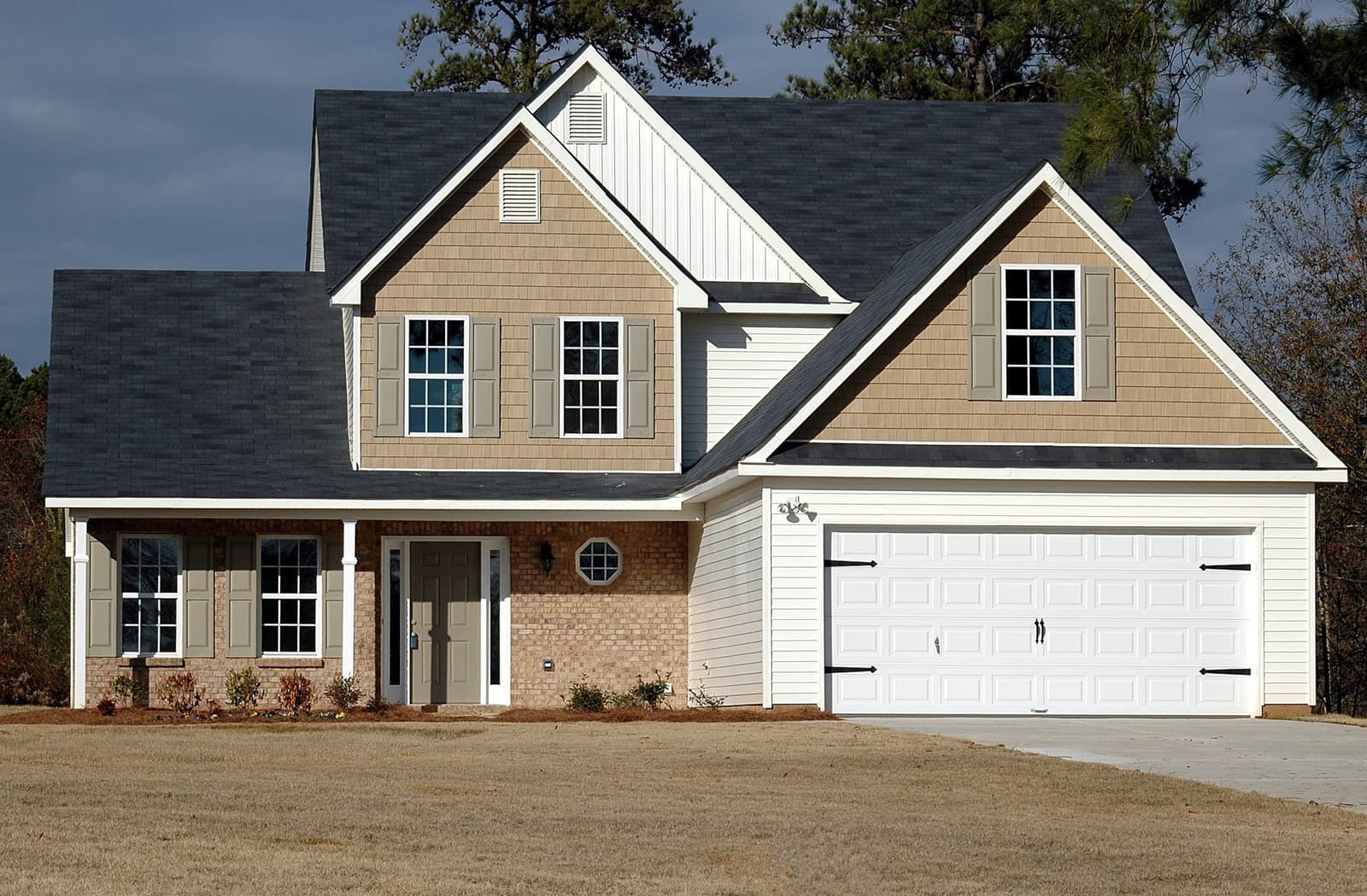
The exterior of a home has much more than an aesthetic function. Although its impact on the appearance of a property and its façade is considerable, other factors come into play when replacing it. Indeed, it is essential to choose a siding that also has soundproofing and insulating properties.

Cynthia Pigeon
•08 Nov 2023
Roofing underlayment isn’t a luxury. It’s the one element that guarantees a decent and weather-protected structural design.
Editorial Team
•08 Nov 2023
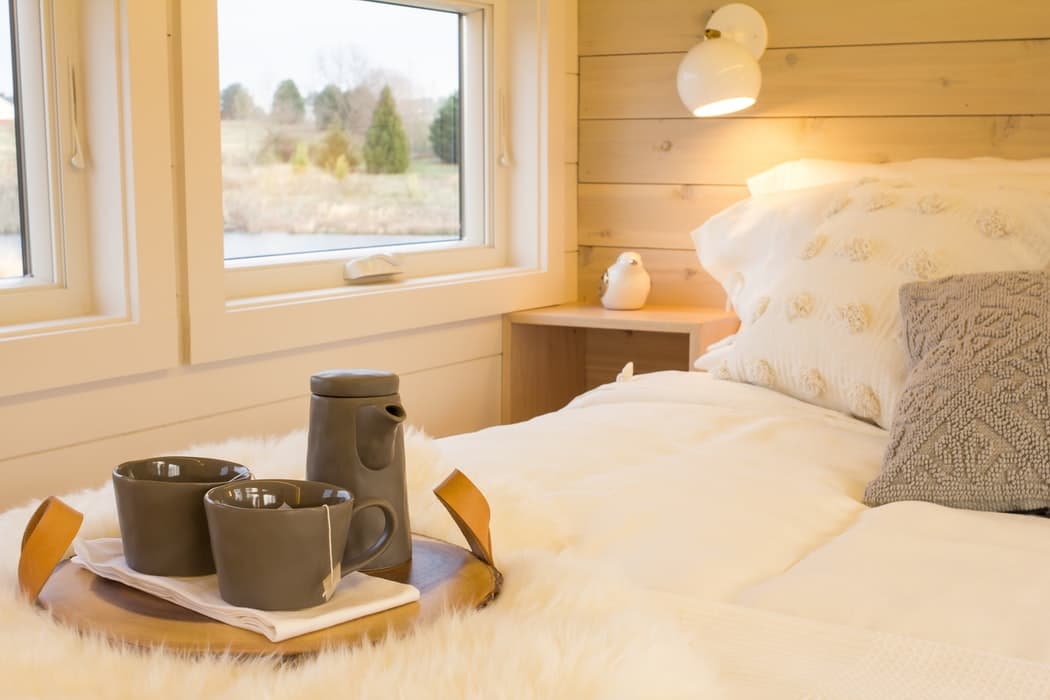
Are your bedroom dimensions rather small? Although this situation requires us to show ingenuity and creativity, the fact remains that it’s possible to make even the smallest space both relaxing and grandiose.

Editorial Team
•08 Nov 2023
As August comes to an end, it’s time for us once again to get busy and dig through the internet in search of the best articles on interior design, decor and renovation written this past month!

Editorial Team
•08 Nov 2023
Have you heard of the cantilever extension? This term isn’t common for the average person, but if you work in the field of renovations, you’re likely familiar with it.