Construction Fencing: Rules, Safety, Cost, and More
By Editorial Team
Updated on April 21, 2026
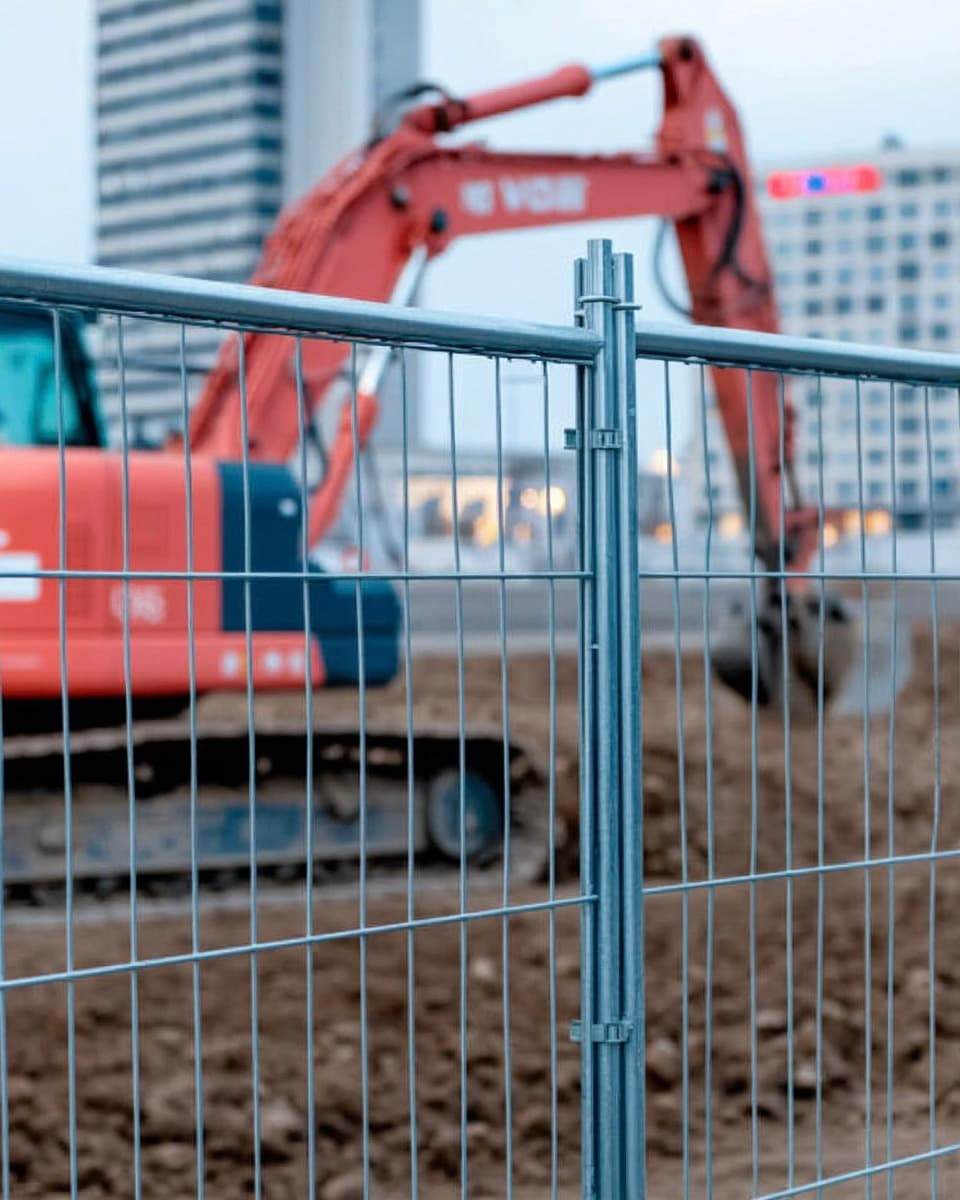
Construction fencing is a temporary fencing system used to define a jobsite perimeter, control access, and improve safety and security—and summer is when those needs spike. If you’re gearing up for peak-season work like downtown renovations, subdivision builds, utility crews, or short-term staging areas, now’s the time to optimize your team and processes: confirm panel inventory and accessories, plan delivery and pickup windows, and lock in clear access points so installs don’t bottleneck busy sites. A fast, organized construction fencing setup protects workers, the public, and equipment while keeping projects moving and compliant.
Join Our Network and Receive Real Leads!
Do you want to start getting some real leads with serious customers?
This guide is built for Canadians comparing temporary fencing options and suppliers, with practical details on products, pricing factors, safety, rules, and what to ask for when requesting a quote—so you can respond quickly to summer demand. If you’re fielding inquiries now, follow up promptly with fence line sizing, dates, and gate needs to secure availability and keep client timelines on track.
What Construction Fencing Is Used For
Source: Reno Quotes
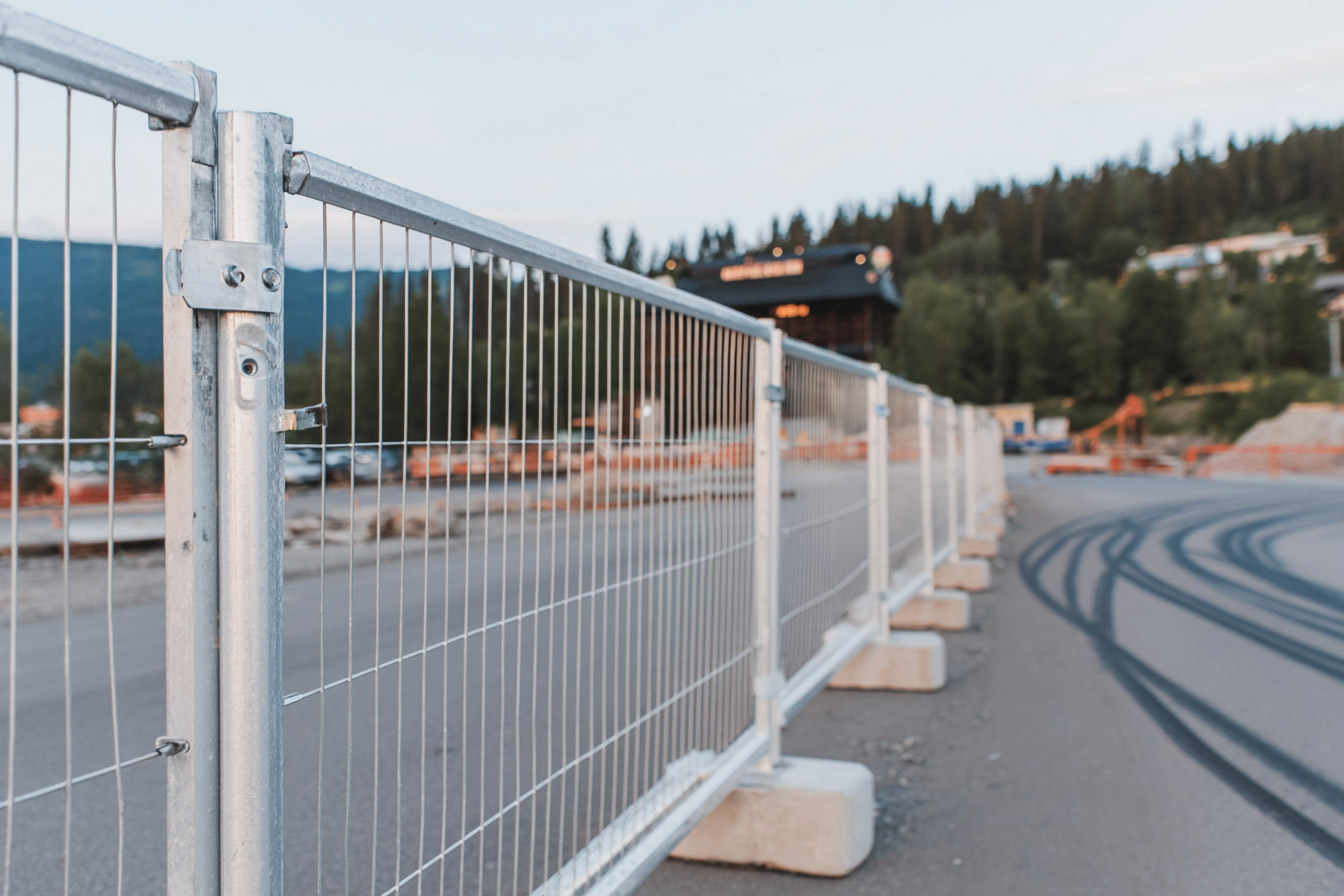
Most job sites use temporary fence panels and accessories to handle:
Perimeter definition around the work zone
Controlled entry for workers and deliveries
Clear access points for emergency routes and site traffic
Crowd flow management in high-traffic areas (sidewalks, transit stops, events near construction)
Separation for site staging (materials, waste bins, laydown areas)
Visual separation with privacy screening where needed
Buy or Rent Construction Fencing in Canada?
Both options are common, and your best choice usually depends on project length, logistics, and how often you’ll reuse panels.
Renting (Often Best for Short Projects and Tight Timelines)
Rentals typically include options for delivery and pickup, and sometimes setup and removal. Renting can make sense when:
You want a fast, turnkey install
You don’t want to store panels between projects
You need a customized setup for a complex entry layout
The job is short or unpredictable
Buying (Often Best for Recurring Work or Long Projects)
Buying can pay off if you’ll reuse panels across multiple job sites, or need a consistent inventory for ongoing work. Buying can make sense when:
You fence projects regularly
You can store and transport panels
You want to standardize on specific construction fence panels and accessories
If you’re unsure, request both a purchase price and a temporary fencing rentals quote—many suppliers offer both.
Types of Temporary Fencing for Construction and Related Sites
Source: Reno Quotes
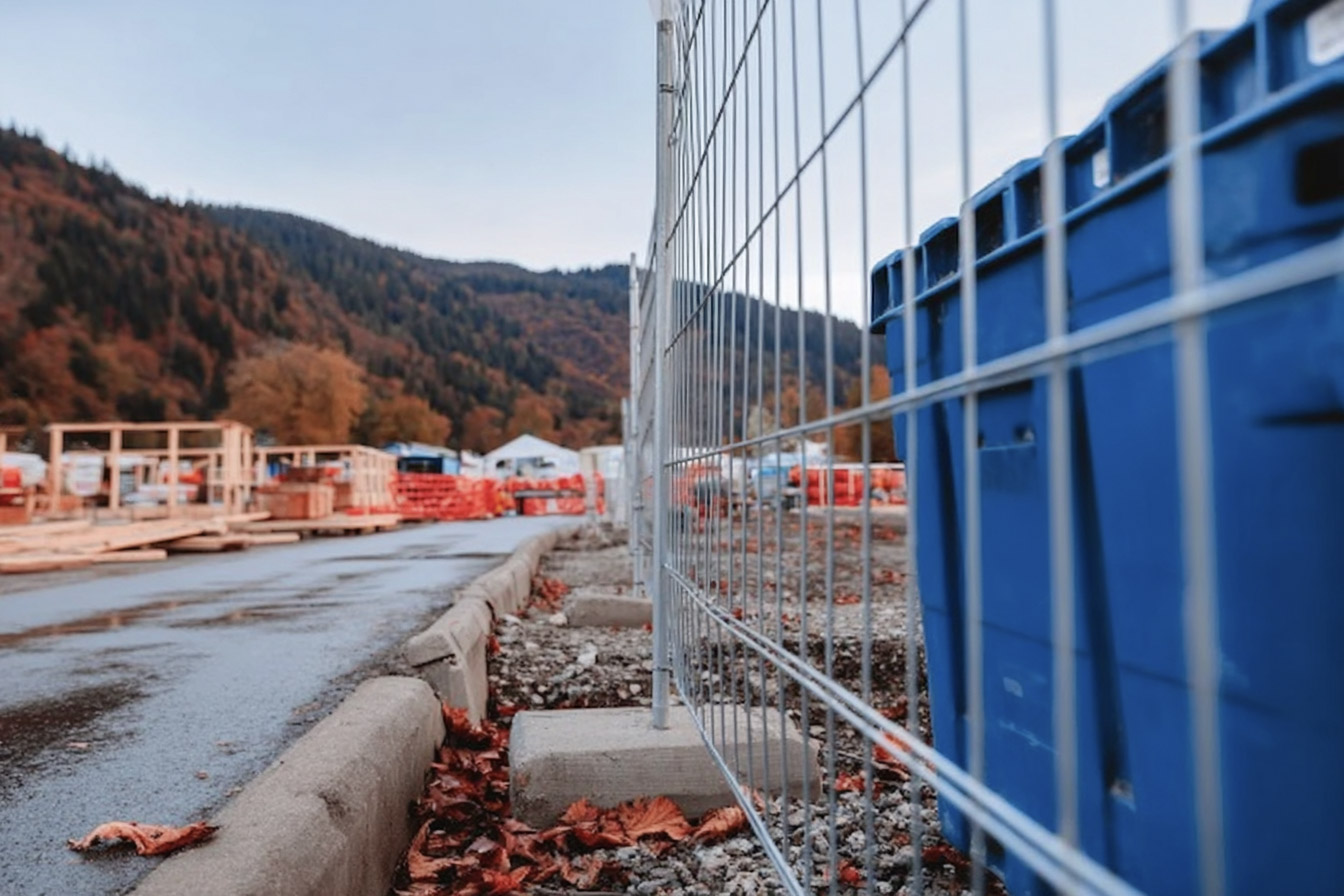
Temporary fencing comes in several formats. Many suppliers carry multiple options so you can mix-and-match for safety, visibility, and traffic control.
Standard Construction Fence Panels
These temporary fence panels are the common choice for perimeter control. They’re typically metal fence panels that clamp together and sit on stable bases or legs.
Anti-Climb Temporary Fence
An anti-climb temporary fence uses tighter wire spacing (often small mesh) to reduce footholds and improve security. It’s popular for:
Urban sites
Areas with public access nearby
Sites storing high-value equipment
Pedestrian Barriers and Crowd Control Panels
For sidewalks, events, and short-term public separation, pedestrian barriers and crowd control panels are designed for high-traffic crowd control and directing crowd flow.
VIP Fence Panels and Ornamental Panels
VIP fence panels and ornamental panels are often used where appearance matters—commercial storefront renovations, public-facing projects, or special events adjacent to construction.
Privacy Screens and Add-Ons
Privacy screening can reduce dust visibility, limit public viewing, and improve site presentation. It’s also useful when you need additional visual separation around staging areas.
Durability and Quality: What to Look For
Temporary fencing isn’t “one size fits all.” Panels used on active construction sites should prioritize strength, stability, and lifespan.
Key durability signals to ask about:
100% welded joints (generally preferred for robustness)
Panel frame gauge and overall strength
Wire spacing, especially if you need small mesh for security
Expected life span, longevity, and warranty (for purchases)
Coatings/finishes to resist rust in Canadian weather
How the supplier handles damaged panels during rentals
If you’re comparing suppliers, ask whether their panels are optimized as a barrier for construction conditions (wind, snow, uneven ground), not just light-duty events.
How to Assess Construction-Grade Durability
When evaluating construction fencing, look for evidence that panels are built to withstand Canadian conditions and meet recognized industry standards. Ask suppliers:
Which industry standards or certifications their panels comply with (such as CSA or ASTM specifications).
If panels are tested for performance in wind, snow, and freeze/thaw cycles typical of Canadian worksites.
The expected lifespan of panels in active construction environments, and whether warranties cover rust or structural failure.
How maintenance, repairs, or replacements are handled—especially for rental panels that see frequent use.
Durability isn’t just about materials—it’s about how well fencing performs over repeated installs, in harsh weather, and under the stress of real jobsite activity. High-quality panels should resist bending, rusting, and damage from impact or attempted breaches, helping you avoid unexpected costs and disruptions.
For buyers, investing in robust construction fencing means lower long-term maintenance and better return on investment. For renters, it reduces the risk of fees for accidental damage and ensures your site remains secure throughout the project.
Fencing Components and Accessories That Change How Your Fence Performs
Source: Reno Quotes
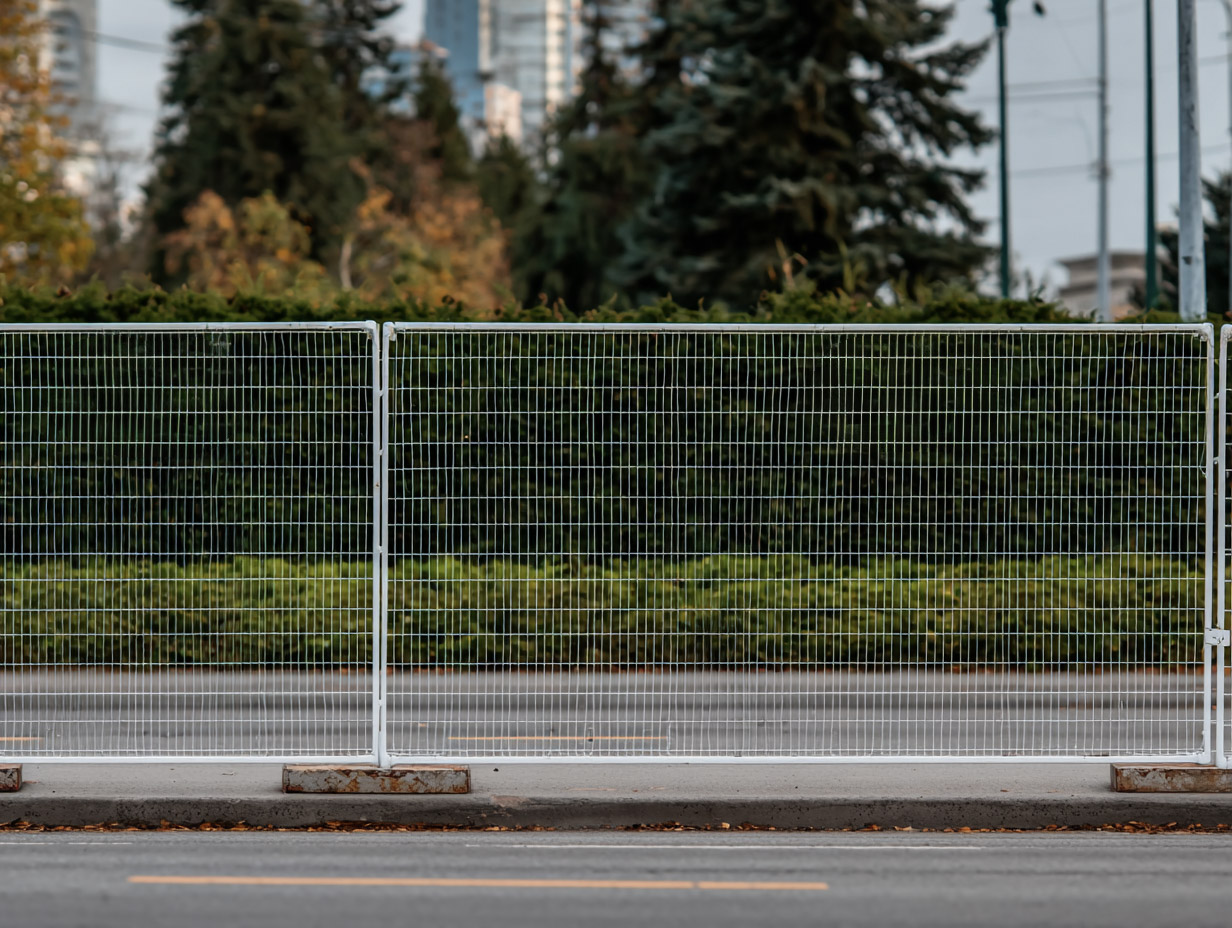
Accessories can make a temporary fence line safer, easier to manage, and more adaptable to real-world site conditions.
Common add-ons include:
Temporary fence panel w/gate for controlled access (walk-through or vehicle access)
Temp panel leg options for different ground conditions
Temp panel wheel kits if you need to reposition sections quickly
Clamps and connectors (ask about self-locking panels or security connectors)
Reinforcement options like an extra tube (useful where panels take more abuse)
Latching details like hook and eye construction (common on gates and connections)
Specialty panels such as ornamental panels when aesthetics matter
For many sites, the “panel + gate + stable base” combination is what makes daily operations smoother.
Setup and Installation Considerations
Even high-quality panels can underperform if the layout or installation is rushed. A solid plan focuses on stability, access, and flow.
Plan the Layout First
Before you order, map:
Total perimeter length (your fence line sizing)
Entry layout for workers, deliveries, and emergency routes
Where you need clear access points
How you’ll handle pedestrian routes and crowd flow near the site
Think About Ground and Stability
Ask what base types the supplier recommends for:
Gravel, asphalt, soil, snow/ice
Sloped or uneven areas
Windy corridors (common between buildings)
A supplier should be able to advise on stable bases, bracing, and panel spacing for your conditions.
Installation Details That Matter
Good installs typically include:
Proper alignment for perimeter definition
Secure connections and proper clamping
Thoughtful placement of gates for controlled entry
A staging plan for delivery and pickup that doesn’t block access
If you’re renting, confirm whether setup is included or if your crew is expected to install.
Safety, Rules, and Compliance: What You Should Verify
Construction fencing rules vary by municipality, job type, and site conditions. Suppliers often reference industry standards, but you should still confirm local requirements (especially for sidewalk interfaces, road allowances, and excavation zones).
When speaking with a supplier, ask:
Which standards or guidelines they build installs around (industry standards)
If they’ve supported similar sites in your city
Requirements for pedestrian separation near sidewalks
Any special needs for public-facing areas (visibility, signage, barrier type)
If your project touches public right-of-way, check municipal permitting requirements and site safety obligations through your local authority and/or project safety lead.
Pricing and Availability in Canada
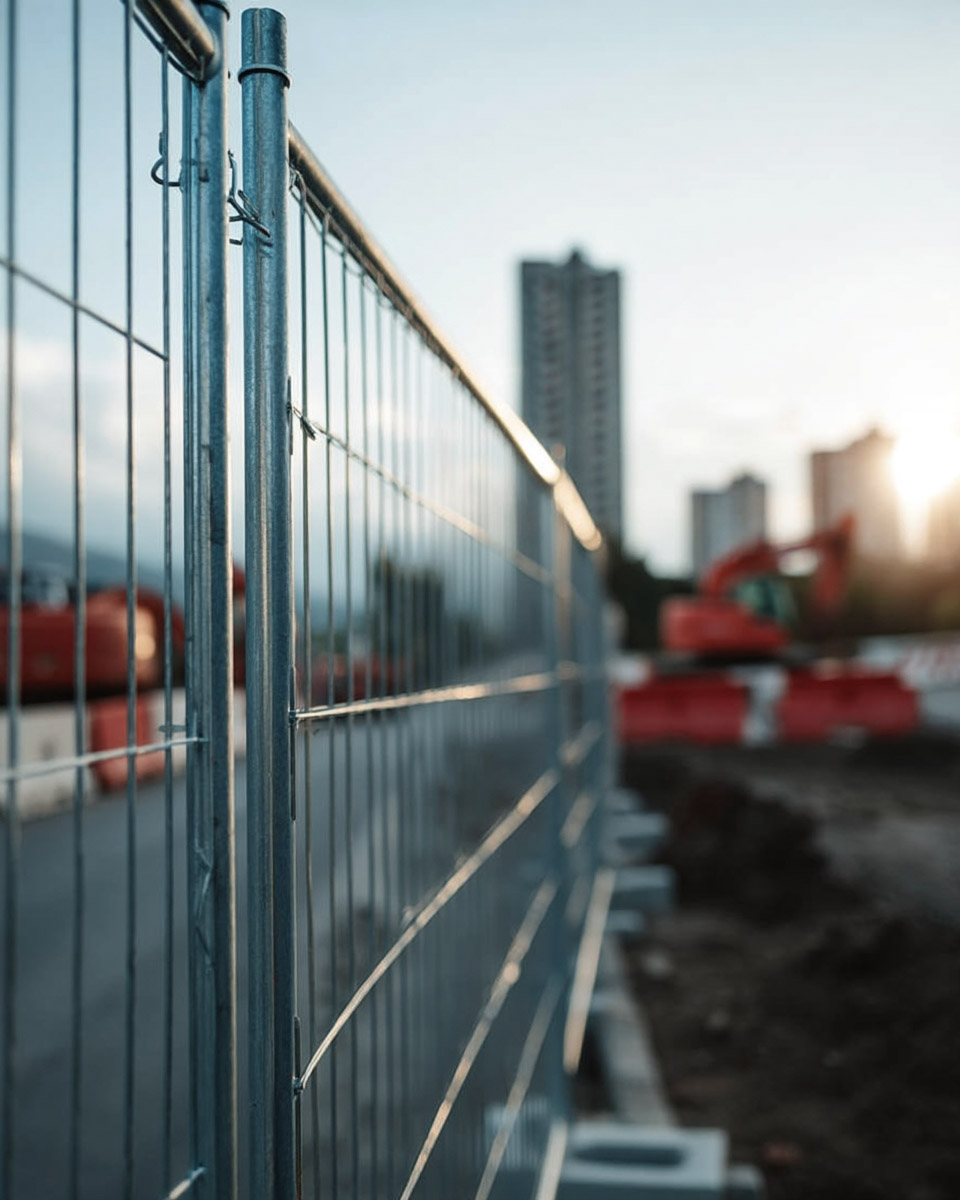
Source: Reno Quotes
Pricing for construction fencing varies by province and city, and by whether you buy or rent. Most quotes depend on:
Total length and number of panels
Fence type (standard vs. anti-climb temporary fence, VIP fence panels, etc.)
Gates (e.g., temporary fence panel w/gate)
Bases/legs, wheels, bracing, and accessories
Delivery, pickup, setup, and removal
Rental duration (weekly vs. monthly rates)
Site constraints (tight access, staging limits, traffic control needs)
Temporary construction fencing is commonly priced either by the linear foot per month or by the panel per week or month, with delivery, setup, removal, and pickup often billed separately. Canadian examples show monthly rental rates that vary by region, with Ontario-style pricing around $0.50 to $1.00 per linear foot per month and Quebec examples around $0.30 to $0.80 per linear foot per month. Some suppliers also quote weekly panel pricing, such as about $3 to $7 per 6' x 10' panel per week. Purchase pricing for new panels can be around the low hundreds per panel, while used panel sets may cost less depending on condition and quantity.
To get an accurate number fast, provide your perimeter length, number of access points, desired fence type, and project dates.
Availability and Service Areas Across Canada
Supplier coverage varies. Some providers operate nationally, while others focus on regions or specific cities. If you’re sourcing in multiple locations, confirm they can support your work where you need it—whether that’s Vancouver, Calgary, the GTA, Halifax, or places like Winnipeg.
Availability can change seasonally (busy construction months) and around major events, so it’s smart to request quotes early—especially if you need specialty panels or a large inventory.
Quick Checklist: What to Ask a Canadian Construction Fencing Supplier
When you call or email for a quote, ask:
Which panel types they recommend (standard vs. anti-climb, barriers, pedestrian routing)
Whether panels have 100% welded joints and how they handle damage
Base/leg options (temp panel leg) and stability recommendations
Gate options (including temporary fence panel w/gate)
Security connectors (e.g., self-locking panels) and clamping guidance
Total cost breakdown: materials + delivery and pickup + setup/removal
Inventory availability for your dates and city
FAQ
How do I size my fence line?
Start with perimeter length (in metres or feet), then add:
Extra length for returns at corners
Separate zones for staging
Gate widths and locationsA supplier can usually validate your fence line sizing from a simple sketch or site plan.
Can suppliers handle delivery, setup, and removal?
Many do. Ask whether the quote includes delivery and pickup, on-site setup, and removal at the end of the rental.
What’s the difference between standard and anti-climb panels?
Anti-climb panels typically use small mesh to reduce footholds and improve security. Standard panels are often adequate for basic perimeter control, but anti-climb is preferred for higher-risk or public-facing sites.
Can I get customized set-ups?
Yes—especially when you need specific controlled entry, pedestrian routing, or unusual site geometry. Request customized set-ups with a site sketch and access requirements.
What information do you need for a quote?
Most suppliers will ask for:
Location/city and service access
Perimeter length and fence type
Number and type of gates
Dates (start/end)
Whether you need delivery, pickup, setup, and/or temporary fencing rentals
Looking for something else?
Related articles
The latest industry news, interviews, technologies, and resources.

Amanda Harvey
•08 Nov 2023
Gaining clients for your renovation business is one thing, but sealing the deal with them is another. Business deals and discussions surrounding money or possessions are often uncomfortable and awkward, but they don't have to be!
Editorial Team
•08 Nov 2023
As a contractor, it’s your duty to inform your employees regarding the best workplace health and safety practices, if not put together a hazard prevention plan. Naturally, all lines of work have their risks, but if you can avoid catastrophes thanks to the right training and information, why go without?

Editorial Team
•09 Jun 2026
In the demanding world of construction, organizational planning is one of the clearest ways to improve profitability, reduce confusion, and build a more resilient business. It is especially useful when summer slows down decision-making, teams take vacation, and competitors lose momentum. By planning ahead, contractors can secure fall projects before the summer break and maintain a steadier flow of qualified leads.

Editorial Team
•08 Nov 2023
2019 is coming to an end, and we are leaving a decade behind us. For many, 2020 promises great things: it’s a return to zero as well as a new beginning. Some will seize the opportunity to finally start the projects that have been put aside, such as pressing renovations.
Editorial Team
•18 Aug 2026
A vapour barrier is a material used in a home's building envelope to limit the movement of water vapour through walls, ceilings, and other assemblies. In Canada's climate, it plays an important role in moisture control by helping prevent indoor water vapour from reaching colder parts of an insulated assembly, where it could condense.