Dual-Energy Heating: How Does This System Work?
By Cynthia Pigeon
Updated on June 22, 2026
Dual-energy heating is designed to address environmental concerns by reducing household energy consumption. This can also have a direct impact on the cost of your heating bill. What makes this system especially appealing is that it doesn’t require homeowners to sacrifice comfort.
Here’s why this type of hybrid energy system can support the energy transition without forcing households into extreme energy reduction or discomfort.
What Is Dual-Energy Heating?
Source: Canva
Dual-energy heating is a hot-air, forced-air or hot-water heating system that combines electricity with another energy source. Depending on the home and the region, this may include:
Electricity/oil
Electricity/natural gas
Electricity/propane
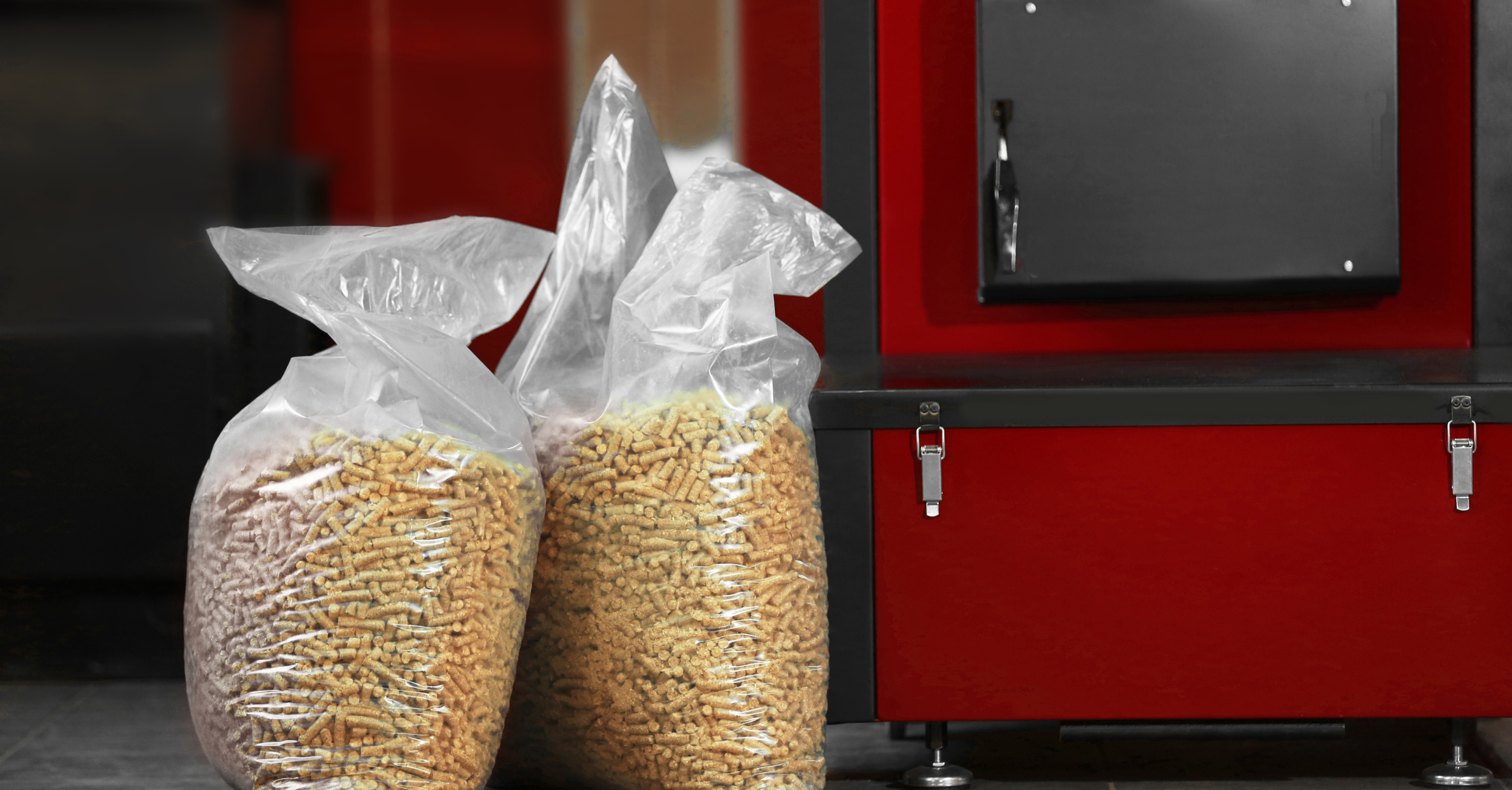
Electricity/wood pellets
The use of hybrid heating systems in homes, as well as in commercial and industrial buildings, can help reduce greenhouse gas emissions by lowering reliance on fossil fuels.
Across Canada, this type of system is mainly relevant for households and businesses that already use a fossil-fuel heating system and want to reduce their consumption without fully replacing their existing equipment right away.
The environmental and financial benefits vary by province. In regions where electricity is relatively clean and affordable, dual-energy heating can be especially attractive. In other areas, the savings depend more heavily on local utility rates, available incentives, climate, and the type of fuel being replaced.
As a result, if your home already has a fully electric central heating system, switching to dual energy may not be necessary. Dual-energy systems are generally most useful when they reduce the use of oil, natural gas, or propane during most of the heating season while keeping a backup source for very cold days or peak-demand periods.
What Is the Efficiency of a Dual-Energy Heating System?
A dual-energy system can significantly reduce fossil-fuel consumption, especially when the electric portion of the system handles most of the heating needs during milder winter conditions.
The exact savings vary depending on:
Province or territory
Electricity and fuel rates
Home’s insulation and airtightness
Efficiency of the existing heating system
Type of electric equipment added
Number of extremely cold days in the heating season
In some dual-energy rate programs, the system switches from electricity to the backup fuel source once the outdoor temperature drops below a specific threshold. This helps reduce strain on the electrical grid during peak demand while still keeping the home comfortable.
Important Considerations Before Installing Dual-Energy Heating
Before installing a dual-energy heating system, you need to make sure your home’s electrical system can support the additional load. In many cases, a 200A electrical panel may be required, especially if you are adding a central heat pump or electric boiler components.
You also need to account for the cost of the upgrade. A hybrid heating system can require a substantial investment, particularly if ductwork, hydronic components, electrical upgrades, or a new heat pump are needed.
As a general reference, installation costs can vary widely depending on the type of system:
For a hot-water dual-energy system, installation may cost several thousand dollars and can increase depending on the complexity of the work;
For a forced-air dual-energy system, costs may also vary significantly, especially when a central heat pump is added to an existing furnace.
Repair and maintenance costs should also be considered. Dual-energy systems involve more than one heating source, which means that servicing may require specialized knowledge. Homeowners should work with qualified contractors who understand both the electric and backup-fuel components of the system.
That said, the investment may be worthwhile when the system reduces fossil-fuel use, improves comfort, and takes advantage of available rebates or lower electricity rates.
Examples of Dual-Energy Heating Systems
Source: Canva
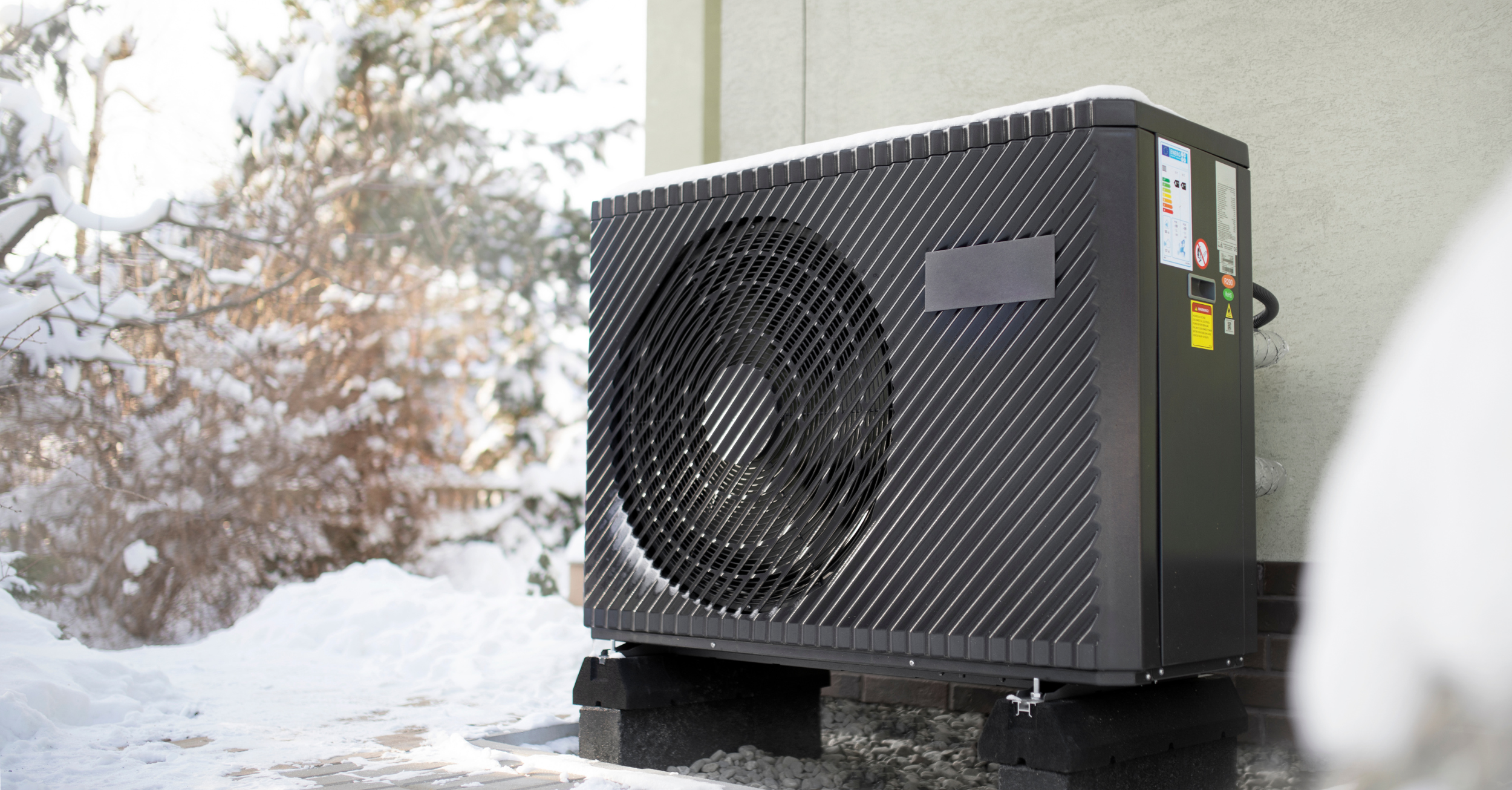
Oil Dual-Energy Heating
Oil dual-energy heating was once one of the most common types of hybrid heating systems, especially in homes with existing oil furnaces or boilers. The reason is simple: it can be easier to adapt an existing oil system than to fully replace it right away.
However, oil heating has become less popular over time because of:
High maintenance costs
Environmental concerns
The growing availability of electric heating and cold-climate heat pumps
Government and utility programs are encouraging homeowners to move away from heating oil
Rules and timelines related to oil heating vary across Canada. Some provinces have introduced restrictions, incentives, or transition programs to encourage homeowners to replace oil heating systems with cleaner alternatives.
If your home still uses oil, switching to a hybrid system may be a transitional option. However, in many cases, homeowners may also want to consider moving directly toward a fully electric system, such as a cold-climate heat pump, depending on the climate, budget, and available incentives in their province.
Wood Pellet Dual-Energy Heating
If you are looking for a more affordable backup fuel option, wood pellets may be worth considering. A dual-energy electricity/wood pellet system can reduce reliance on oil, propane, or natural gas, while still providing backup heat during colder weather.
Wood pellets are often less expensive than oil and can have a lower environmental impact when sourced responsibly. They are made from compressed wood residue and can be used in specialized pellet furnaces, boilers, or stoves.
However, this type of system requires storage space, regular maintenance, and proper equipment. Homeowners should also check local air-quality rules, building codes, and insurance requirements before installing any wood-burning appliance.
Compared with natural gas, wood pellets may offer a lower-carbon option in some cases, particularly when the pellets are produced locally and used in efficient equipment. Natural gas still produces greenhouse gas emissions when burned, and methane leaks during extraction, processing, and transport can increase its overall climate impact.
Forced-Air Heating
Forced-air heating works very well with dual-energy configurations. A central forced-air dual-energy system often involves adding an electric central heat pump to an existing furnace system.
In this setup, the heat pump provides heating during milder winter conditions. When the temperature drops too low for efficient heat pump operation, or when a utility rate program requires a switch, the backup furnace takes over.
This can be a practical option for homeowners who already have ductwork in place. It can also improve year-round comfort, since a central heat pump can provide both heating and cooling.
If your goal is to reduce fossil-fuel use over time, it is worth comparing several options before choosing a backup fuel source. In many parts of Canada, homeowners are moving away from oil and, in some cases, considering alternatives to propane or natural gas as electrification programs expand.
Rebates and Incentives for Dual-Energy Heating
Source: Canva
Utilities, Electrification, and Decarbonization
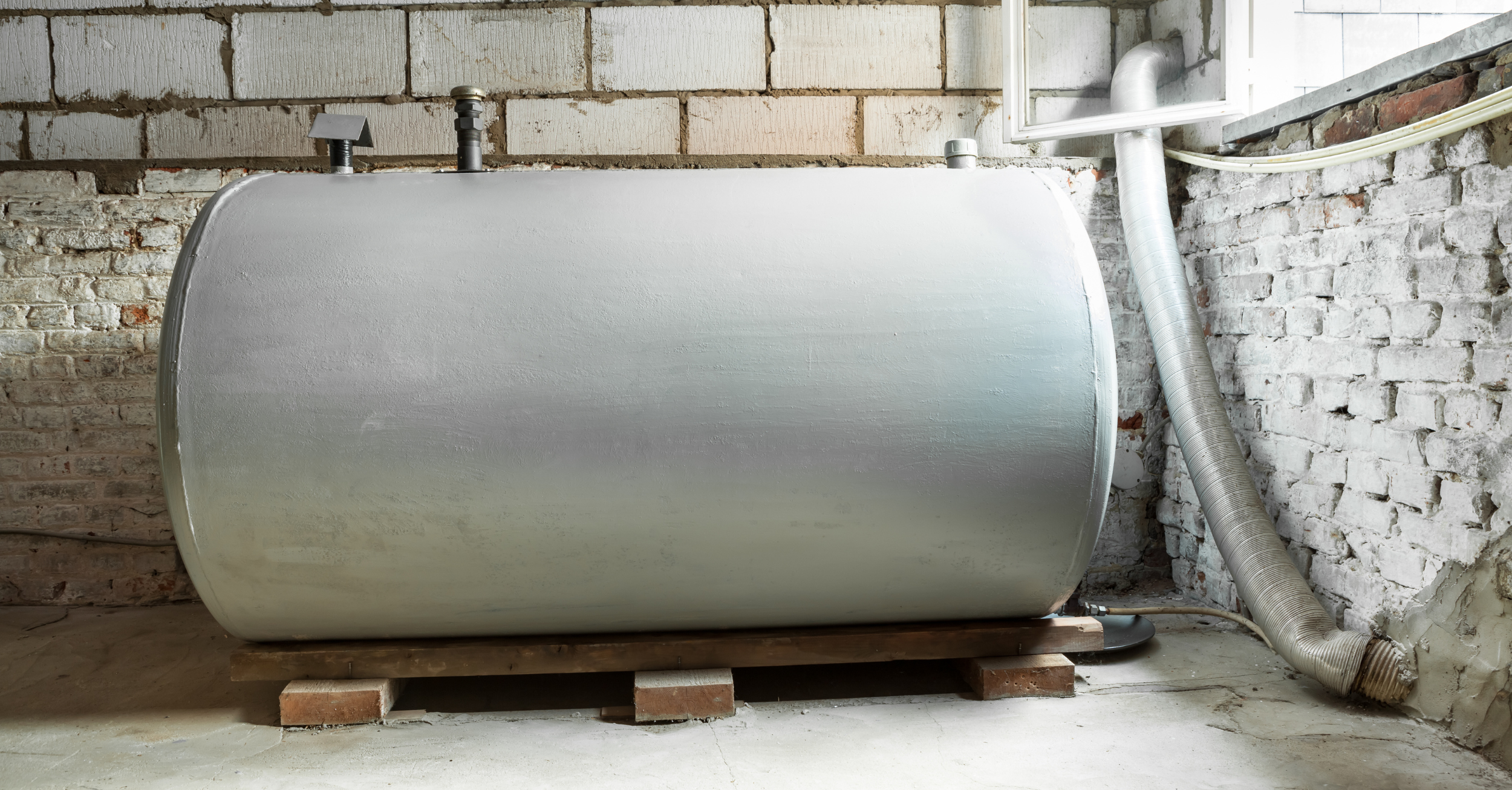
Across Canada, many utilities and governments are encouraging homeowners to reduce fossil-fuel heating and improve energy efficiency. The available programs depend on the province, territory, utility provider, household income, and type of heating system being replaced.
Some incentives focus on full electrification, such as replacing oil heating with a heat pump. Others may support hybrid systems, energy audits, insulation, air sealing, or equipment upgrades that reduce overall energy consumption.
Before starting the work, homeowners should always check current program requirements. Many rebates require pre-approval, eligible equipment, a licensed contractor, or an energy evaluation before installation.
Financial Assistance for the Energy Transition
Several types of programs may help homeowners reduce the cost of switching to more efficient heating:
Federal programs
Provincial and territorial incentives
Utility rebates
Municipal financing programs
Income-based retrofit programs
Low-interest or interest-free loans
What Is an Oil-to-Heat-Pump Program?
The Oil-to-Heat-Pump Affordability program is designed to help homeowners replace oil heating systems with eligible electric heat pumps. Such a program is especially relevant in regions where heating oil is still common.
In many cases, the goal is not simply to replace the heating appliance but to reduce long-term energy costs, improve home comfort, and lower greenhouse gas emissions.
Eligibility may depend on:
Household income
Current heating system
Type of heat pump installed
Province or territory
Whether the program is delivered federally, provincially, or through a utility
Whether the homeowner completes the required application steps before installation
What Is an Energy-Efficiency Retrofit Program?
Energy-efficiency retrofit programs help homeowners improve the performance of their homes as a whole. These programs may apply to several types of work, including:
Insulation
Window and door replacement
Air sealing
Heating system upgrades
Ventilation improvements
Water heater replacement
Heat pump installation
In many cases, an energy advisor or qualified professional may assess the home and recommend upgrades based on its current performance. This can help homeowners prioritize the work that will have the biggest impact on comfort, efficiency, and energy savings.
What Is a High-Performance New Home Program?
Some provinces also offer programs or certifications for newly built high-performance homes. These programs are usually aimed at builders, developers, and buyers of homes that meet higher energy-efficiency standards.
Depending on the region, buyers may be eligible for financial assistance, rebates, or other advantages when purchasing a certified energy-efficient home.
These programs are different from retrofit incentives because they apply to new construction rather than existing homes. However, both types of programs support the same broader goal: reducing energy consumption, improving comfort, and lowering the environmental impact of residential buildings.
Looking for something else?
Related articles
The latest industry news, interviews, technologies, and resources.
Editorial Team
•31 Mar 2026
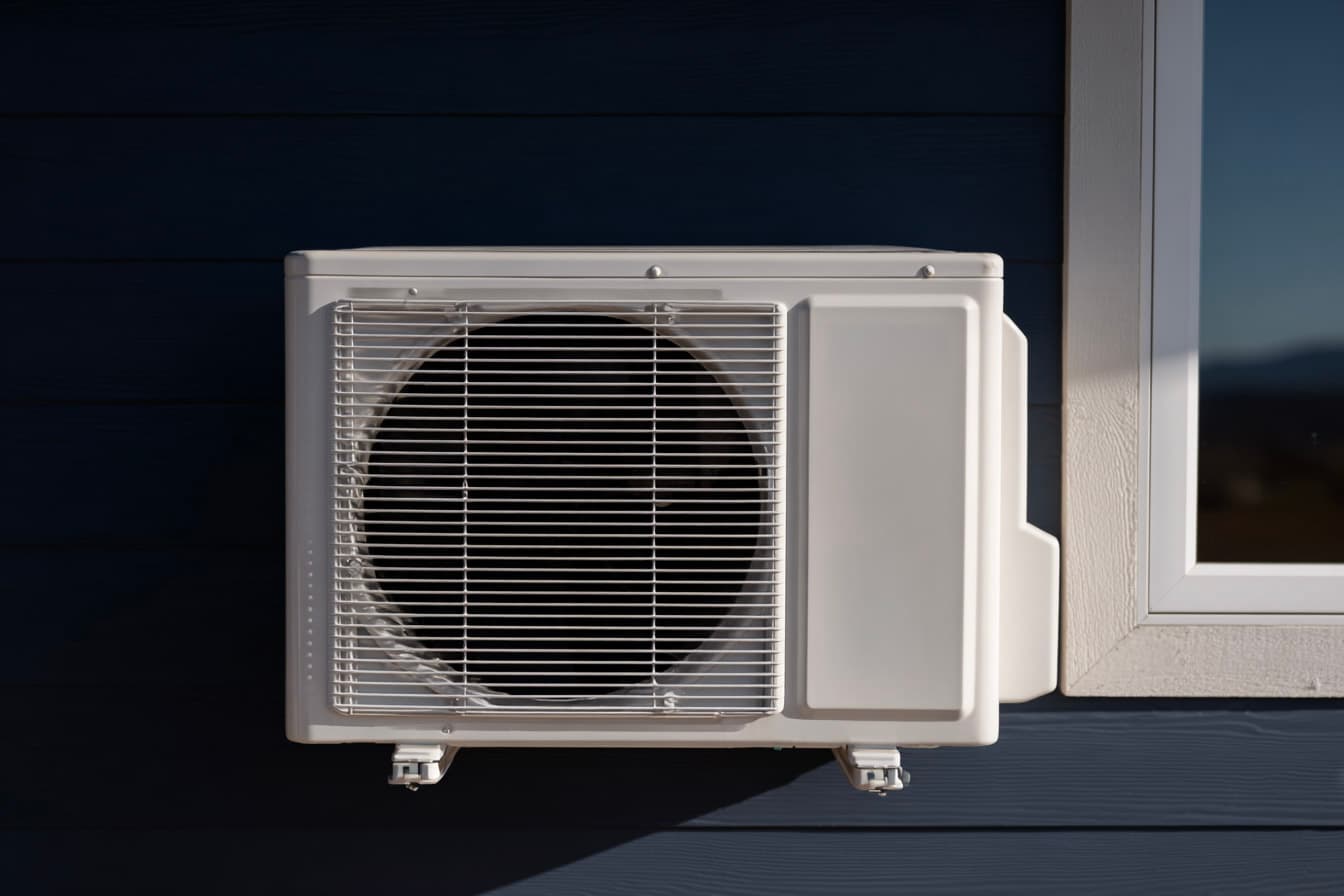
Recently, home renovations are occurring with sustainability, eco-friendly and alternative energy methods at the forefront. As the homeowner knows, most homes have central heating, whether that be a warm air system, radiator or a boiler. Unfortunately, these systems are not energy efficient, consuming copious amounts and making heating larger homes costly.
Editorial Team
•26 Oct 2026
A Carrier heat pump costs about $6,000 to $18,000 installed in Canada, depending on the series, size, and installation. A premium Infinity ducted system in Metro Vancouver can reach $22,000, while an entry-level Comfort model sits at the low end of the range.
Editorial Team
•12 Dec 2024
Buying a property with a prospective house in mind is a big deal. This will be both an important and complex decision in any individual’s life as this kind of commitment takes an ample amount of research, time and money.

Editorial Team
•07 Oct 2026
Is your home becoming too small, but you don’t want to move? Adding a room, expanding the kitchen, or building an additional storey can help you gain space while adapting your property to your needs.

Christine Simard
•03 Feb 2025
Whoever takes an interest in interior decorating will have noticed just how prevalent the use of wallpaper has been over the last few years. What was once regarded as retro, rather garish or tacky, now has a versatile appeal that's making a comeback. The colours and patterns available are now tailored to suit all tastes and aesthetics, offering something for everyone within an almost limitless variety of styles.