The Hidden Costs of Keeping an Old Furnace in Ontario Homes
By Collaboration
Updated on May 20, 2026
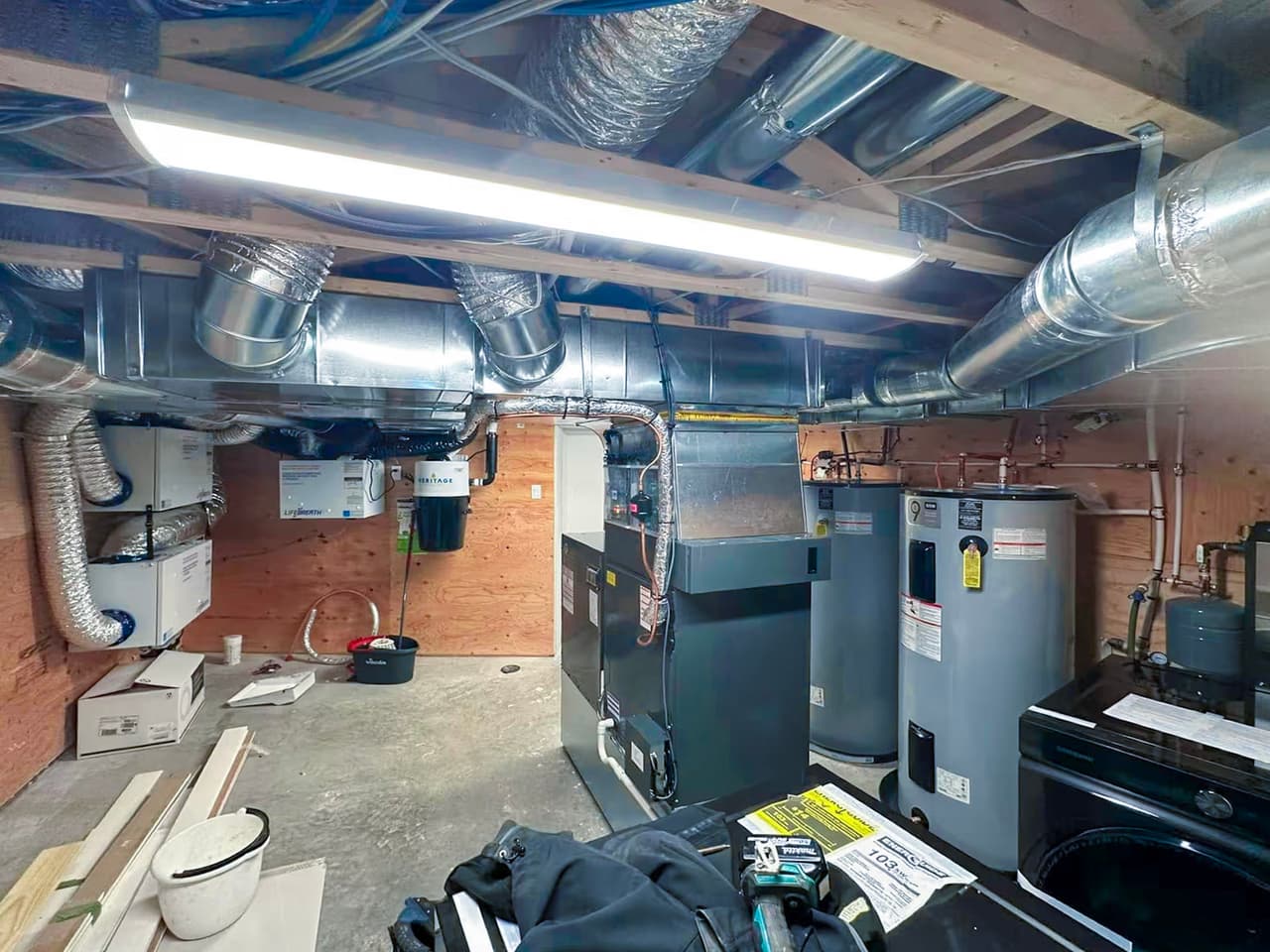
For many Ontario homeowners, an aging furnace is often treated as something to keep “just a little longer.” As long as it still produces heat during the winter, replacing it may not seem urgent. However, old furnaces can quietly create a wide range of financial, safety, and efficiency problems that become more expensive over time. While the upfront cost of replacement may feel significant, continuing to rely on an outdated heating system can lead to far greater long-term expenses.
Ontario’s harsh winters place heavy demands on residential heating systems. Furnaces that are 15 to 25 years old often struggle to operate efficiently in modern homes, especially as energy costs continue to rise. Beyond monthly utility bills, there are several hidden costs associated with aging heating equipment that many homeowners fail to recognize until problems become unavoidable.
Rising Energy Bills Year After Year
Source : Ventilation Pro-Confort Inc.
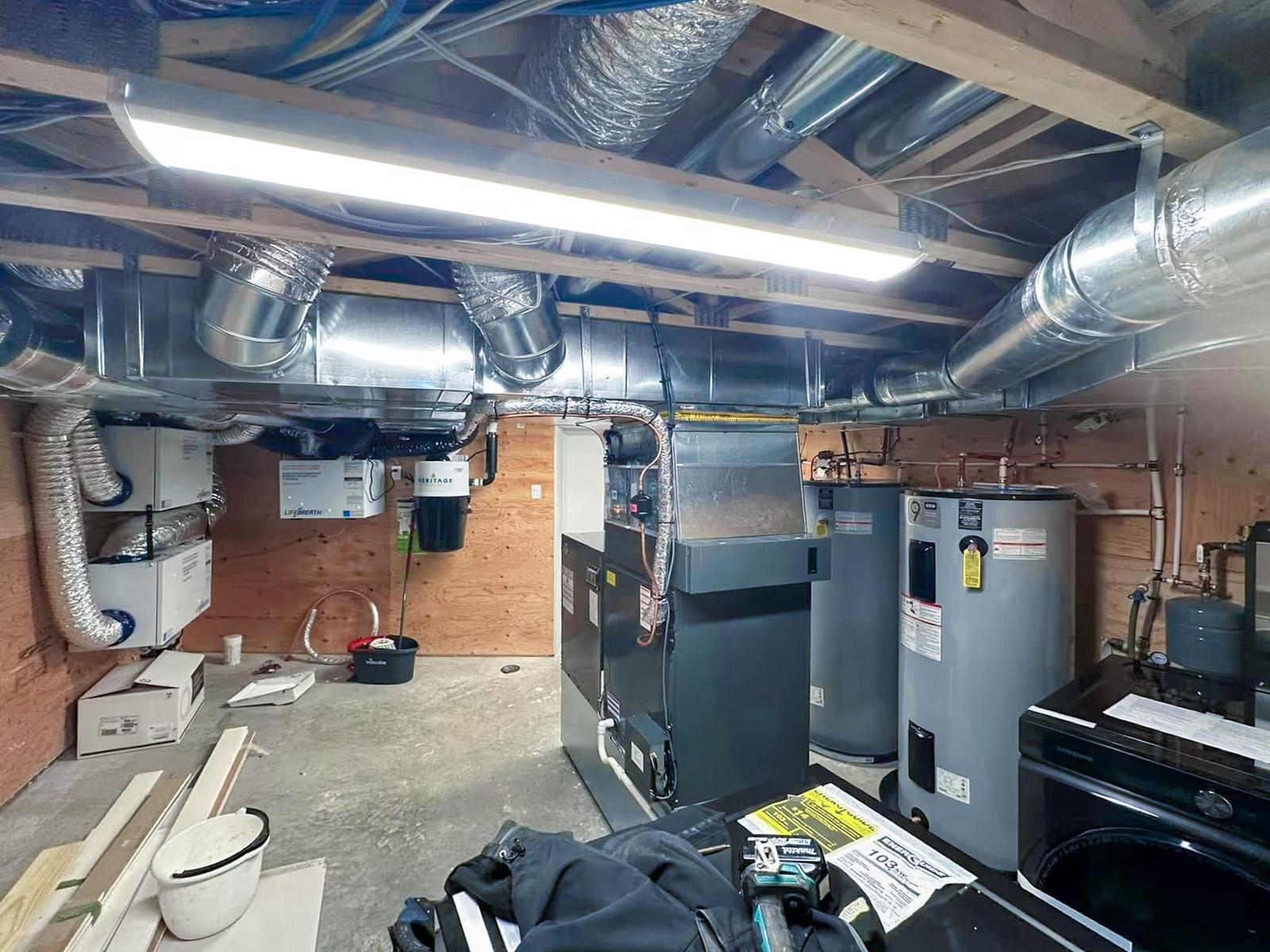
One of the most noticeable consequences of an old furnace is reduced energy efficiency. Older systems were built using outdated technology and typically operate at much lower efficiency ratings compared to modern equipment. Over time, internal components wear down, airflow becomes restricted, and heating cycles become less effective.
As a result, homeowners often experience steadily increasing utility bills during the colder months. The furnace must work harder and run longer to maintain comfortable indoor temperatures. Even if the difference appears manageable month to month, the yearly cost can become substantial.
Modern heating systems are designed to optimize fuel consumption while delivering more consistent comfort. Many homeowners are now exploring energy-efficient heating solutions that help reduce heating expenses while improving overall system performance during Ontario winters.
Frequent Repairs Add Up Quickly
Another hidden expense of keeping an old furnace is the growing frequency of repairs. Aging systems commonly experience issues such as failing blower motors, cracked heat exchangers, ignition problems, thermostat malfunctions, or worn-out belts and bearings.
While a single repair may seem less expensive than replacing the entire system, repeated service calls can quickly become costly. Emergency repairs during winter are especially expensive because heating failures often occur during peak demand periods when technicians are busiest.
Additionally, older furnace parts may become difficult to source as manufacturers discontinue outdated models. This can increase labour costs and delay repairs, leaving homeowners without reliable heat during freezing temperatures.
Many homeowners underestimate how much they spend over several years trying to keep an outdated system operational. In many cases, those cumulative repair costs could have significantly contributed toward installing a newer and more efficient system.
Uneven Heating Throughout the Home
Older furnaces often struggle to distribute heat evenly throughout the property. Certain rooms may remain cold while others become excessively warm. These temperature inconsistencies are not only uncomfortable but can also increase heating expenses as homeowners continuously adjust thermostats to compensate.
Poor airflow, aging ductwork compatibility, declining blower performance, and outdated system design all contribute to uneven heating. Homes with multiple levels often experience the greatest issues, especially during extreme cold spells.
Modern heating systems are engineered to provide improved airflow management and temperature consistency. Better indoor comfort can significantly improve day-to-day living conditions during long Ontario winters.
Increased Risk of Emergency Breakdowns
Furnace failures rarely happen at convenient times. In Ontario, emergency heating breakdowns often occur during severe cold weather when systems are under maximum strain. An older furnace is far more likely to fail unexpectedly, creating urgent and stressful situations for homeowners.
Emergency breakdowns can result in:
● Temporary hotel stays
● Emergency repair premiums
● Frozen pipes
● Water damage
● Unsafe indoor temperatures
● Family discomfort during winter storms
For households with seniors, young children, or individuals with health conditions, a heating failure can become more than an inconvenience. Reliable heating is essential for maintaining safe indoor living conditions throughout the winter season.
Replacing an aging furnace before it reaches the point of failure can help homeowners avoid these high-risk emergency situations altogether.
Poor Indoor Air Quality
Older heating systems can negatively impact indoor air quality in several ways. Dust accumulation, deteriorating filters, inefficient airflow, and aging internal components may contribute to poor air circulation inside the home.
As furnaces age, they may distribute:
● Dust particles
● Allergens
● Dry air
● Musty odours
● Combustion-related contaminants
In some cases, cracked heat exchangers can even pose serious safety concerns by increasing the risk of carbon monoxide exposure. Although regular maintenance helps reduce these risks, older systems are naturally more vulnerable to wear-related safety issues.
Modern heating equipment often includes advanced filtration compatibility and improved ventilation features that help support healthier indoor environments.
Higher Environmental Impact
Source : Climatisation JLM
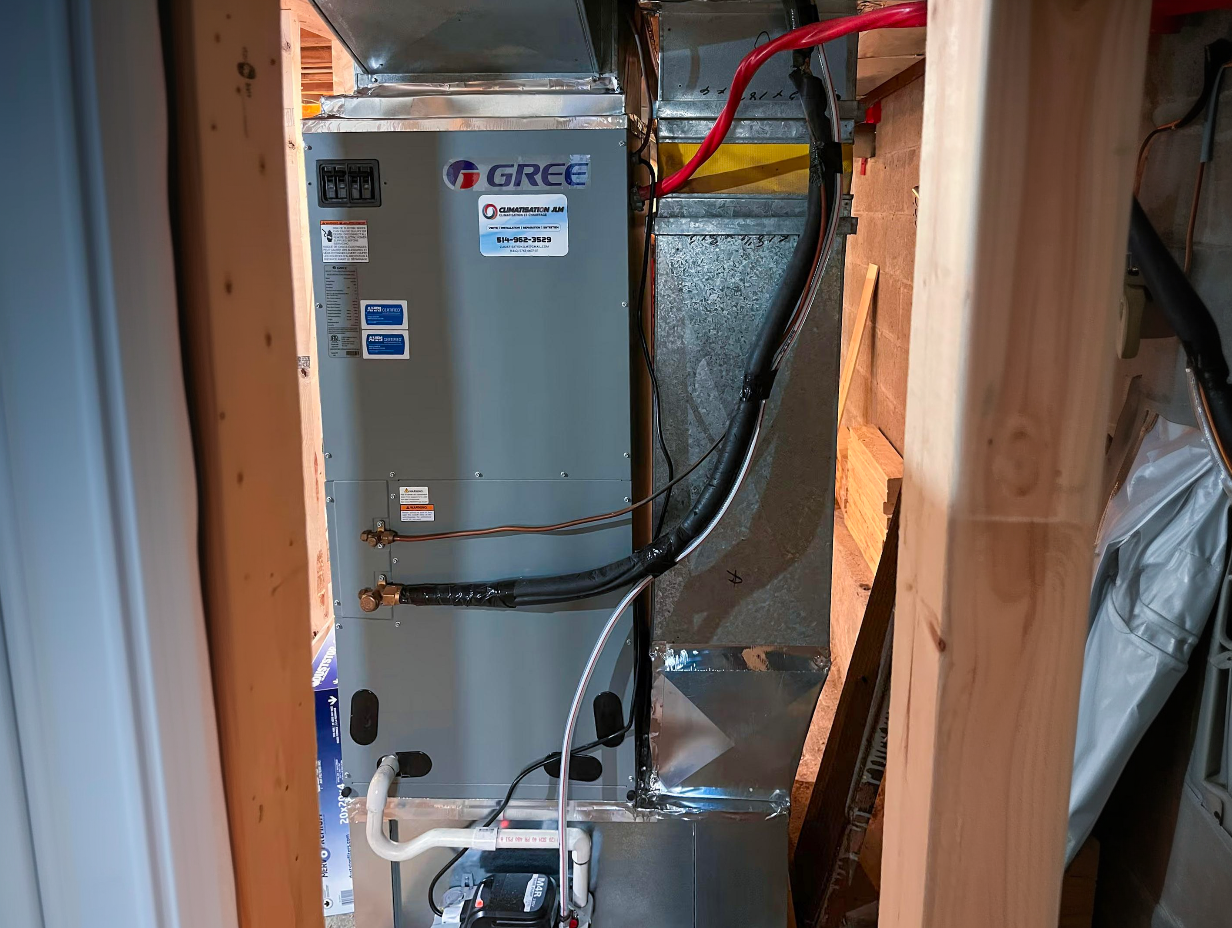
Environmental efficiency has become an increasingly important concern for Ontario homeowners. Older furnaces typically consume more fuel while producing lower heating output, resulting in higher greenhouse gas emissions.
As Canada continues focusing on energy efficiency and sustainability initiatives, inefficient heating systems may become increasingly expensive to operate. Newer heating technologies are designed to reduce environmental impact while helping homeowners lower long-term utility costs.
Energy-efficient upgrades can also improve a property’s overall appeal in a competitive housing market, particularly among environmentally conscious buyers.
Reduced Home Value and Buyer Appeal
An aging furnace can negatively influence property value when homeowners decide to sell. Potential buyers often view older HVAC systems as upcoming replacement expenses, which may reduce offers or create complications during negotiations.
Home inspectors frequently flag aging heating equipment, especially systems approaching the end of their expected lifespan. Buyers may request repair credits or replacement concessions after inspections reveal outdated furnace systems.
In contrast, homes with newer heating systems are often viewed as better maintained and more energy efficient. Upgraded HVAC systems can improve buyer confidence and contribute to stronger resale potential.
Missed Opportunities for Modern Technology
Many older furnaces lack compatibility with modern home comfort technologies. Smart thermostats, zoning systems, variable-speed blowers, and advanced energy controls often work best with newer heating equipment.
Homeowners relying on outdated systems may miss opportunities to improve:
● Energy efficiency
● Indoor comfort
● Temperature control
● Remote monitoring
● Monthly energy savings
Modern heating systems provide better adaptability for today’s evolving home energy needs while improving overall convenience.
The Financial Reality of Delaying Replacement
Many homeowners delay furnace replacement because they want to avoid a large upfront expense. However, the true financial impact of keeping an outdated furnace often extends far beyond the initial cost of replacement.
When homeowners combine:
● Rising energy bills
● Repeated repairs
● Emergency service costs
● Reduced efficiency
● Declining comfort
The long-term cost of maintaining an aging furnace can become far greater than expected.
Investing in a modern heating system is not simply about upgrading equipment. It is about improving reliability, reducing operating costs, enhancing comfort, and protecting the home from future heating emergencies.
Final Thoughts
Ontario winters demand dependable and efficient heating systems. While an old furnace may continue operating for years, the hidden costs associated with outdated equipment can quietly drain household budgets and create unnecessary risks.
From rising utility bills and repeated repairs to uneven heating and emergency breakdowns, aging furnaces often become increasingly expensive over time. Homeowners who proactively evaluate their heating systems before major failures occur are often better positioned to improve comfort, reduce long-term costs, and maintain a safer indoor environment.
As heating technology continues to evolve, upgrading from an outdated furnace can provide lasting benefits for efficiency, reliability, and overall home performance.
Looking for something else?
Related articles
The latest industry news, interviews, technologies, and resources.
Cynthia Pigeon
•31 Jul 2026
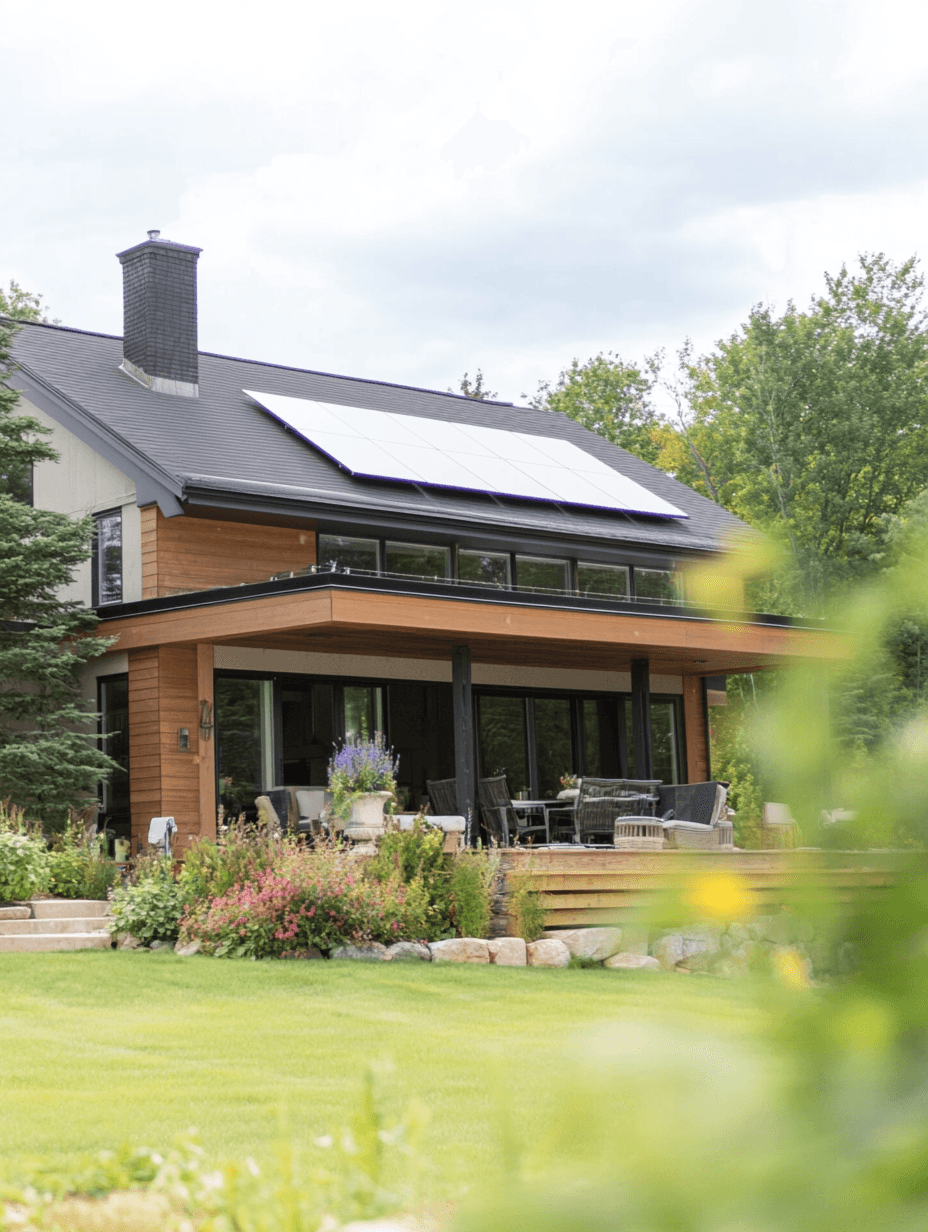
In 2026, the cost of a major energy-efficient renovation to reach a net-zero standard in Canada typically ranges from $100,000 to $200,000 for an existing single-family home. This large-scale project aims to reduce a home’s energy consumption to the point where it produces as much energy as it uses annually. The investment generally includes high-performance insulation, triple-pane windows, a high-efficiency heat pump, and solar panel installation, often supported by federal and provincial incentives.
Editorial Team
•09 Jun 2026
A Canair heat pump can be a practical option for Canadian homeowners who want heating and cooling from one system. Because Canada has a wide range of climates, from milder coastal winters to extreme cold in parts of the Prairies, Ontario, Quebec, and Atlantic Canada, the right model depends on your home’s layout, insulation, existing HVAC system, and local installer support.
Editorial Team
•25 Jul 2025
Are you looking to add to your current living space? Whether it’s a solarium or a sunroom, they’re both great options. The question is, what’s the difference between the two?

Editorial Team
•04 Mar 2024
Are you planning on carrying out a large-scale renovation project in the near future? Without a doubt, you already know it's bound to be a financial burden, and for the majority of us, it can significantly curtail our dreams.
Amanda Harvey
•11 Jan 2025
A minimalist look makes for the ultimate style choice for urban-modern homeowners who perceive clutter as a distraction. The minimalist lifestyle philosophy embraces a simplistic aesthetic, paired with well-designed rooms that feature only useful items and a limited amount of furniture.