Guide to Discover Gree Heat Pumps in Quebec
By Editorial Team
Updated on July 24, 2025

When it comes to heating and cooling systems in Quebec’s harsh climate, choosing a reliable and energy-efficient solution is essential. In 2025, more and more homeowners are turning to Gree heat pumps for their cutting-edge technology, adaptability to extreme temperatures, and outstanding efficiency. Whether you’re looking for a mini-split system or a central air conditioner, this guide will help you compare Gree's products, understand their features, and determine which model suits your needs.
Gree Heat Pumps: The Basics

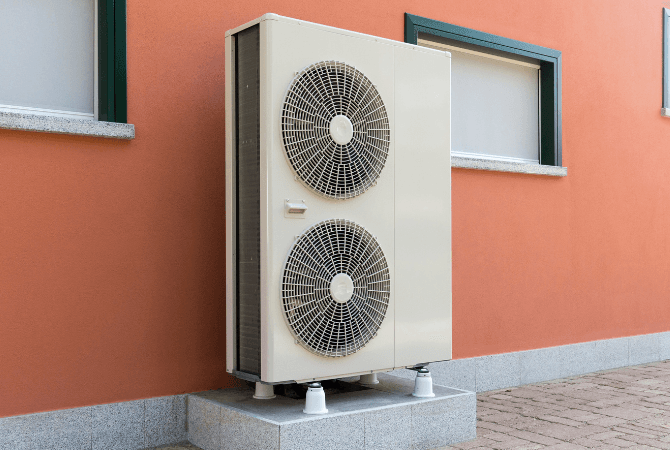
Source : Climatisation MJC inc
How does a Gree heat pump work?
A Gree heat pump uses a refrigeration cycle to extract heat from outside air and transfer it indoors during winter (and vice versa in summer). With inverter technology, it maintains consistent indoor temperatures while reducing energy consumption.
Mini Split and Central Air Conditioner Options from Gree
Gree offers two main types of heat pumps for residential use: mini-split systems and central heat pumps.
Mini split systems are ductless, ideal for homes without existing ductwork. They offer flexible installation and allow for zoning, making them efficient and cost-effective for specific rooms or areas.
Central systems, on the other hand, are better suited for larger homes with existing ducts and provide uniform heating and cooling throughout the house.
Both systems feature quiet operation, a key factor for comfort in both urban and suburban Quebec homes.
Floor Mounted and Other Installation Options
For homes with limited wall space, floor-mounted Gree units provide a practical solution. These models offer the same quiet operation and energy efficiency, with easy maintenance access and discreet design.
Extreme Cold Climate Performance: Effective Down to -35 °C
One of Gree’s most remarkable strengths is its ability to perform reliably in extreme cold. In a province like Quebec, where winter temperatures can plummet below -30 °C, this makes a significant difference.
Gree’s low-temperature heat pumps remain functional at -35 °C thanks to advanced defrost technology and G10 inverter compressors that maintain heating even in the most demanding weather conditions.
BTU and Capacity: Which size of Gree heat pump do you need?
Choosing the right capacity for your heat pump is essential to ensure optimal efficiency. Gree models are available in a wide range, from 9,000 to 48,000 BTU, allowing homeowners to find a unit tailored to their home's size and layout.
An oversized or undersized system can impact the environmental impact and increase energy costs, so consulting an HVAC specialist to calculate your heating and cooling load is always recommended.
Key Features: Inverter Tech, Wi-Fi, and Smart Control
Some of Gree’s residential products come with G10 Inverter technology, which adjusts compressor speed based on demand, ensuring better energy use and less temperature fluctuation.
Newer Gree models also include smart Wi-Fi connectivity, letting users control the system via mobile apps for added convenience and real-time monitoring.
How do you connect a Gree heat pump to WiFi?
To connect, download the Gree+ app, register your product, and follow the step-by-step pairing instructions using your 2.4GHz home Wi-Fi network. For the models which include a WiFi button, a button needs to be pressed and held for 1- seconds until a sound will indicate that the heat pump is connected.
Prices in Quebec: What to Expect in 2025

Source : brown's entrepreneur spécialisé Inc.
In 2025, the price of a Gree heat pump in Quebec varies depending on the model and installation complexity:
Model Type | Price Range (Installed) |
|---|---|
Mini-split (9,000–18,000 BTU) | $800 – $5,000 |
Central (24,000–48,000 BTU) | $7,000 + |
Several Quebec energy-efficiency incentive programs may reduce this cost.
Warranty Coverage: What Gree Offers in 2025
Warranty is a strong selling point for Gree. In 2025, their coverage includes:
5 to 10 years on parts
7 to 10 years on the compressor
10 years on workmanship (if installed by a certified Gree contractor)
Always verify that your installation complies with the conditions for full warranty coverage in Quebec.
Maintenance and Troubleshooting

Source : Climathermo CPL
Regular maintenance ensures the longevity of your heat pump and optimal performance.
How do you clean the filter on a Gree heat pump?
Open the front panel, remove the air filters, clean with a vacuum or rinse with lukewarm water, let dry, and reinstall. Aim to clean filters every 2–4 weeks during peak usage.
How do you reset a Gree heat pump?
First, start by turning the unit off. Then, use the remote control to access settings or press the reset button on the indoor unit. If issues persist, refer to the user manual or contact a certified technician.
Comparing Gree vs Mitsubishi: Which is better?

Source : Nordet
When comparing Gree vs Mitsubishi, both brands offer some of the highest quality products available, but Gree is often more affordable and offers impressive low-temperature performance. Furthermore, Gree has an interface which is more user-friendly. While Mitsubishi is considered premium in terms of durability, Gree heat pumps still deliver excellent value, especially for Quebec’s climate, with SEER2 ratings up to 27 and HSPF2 up to 11.
Is Gree a good heat pump brand?
Yes. Gree is one of the largest HVAC manufacturers in the world and is known for the quality and reliability of its products. Its ability to operate in cold Canadian climates, its smart features, and its warranty coverage make it a smart choice for Quebec homeowners in 2025.
FAQ – Gree Heat Pumps in Quebec
Is Gree a good brand for heat pumps in Quebec?
Absolutely. Gree has built a solid reputation for delivering reliable, energy-efficient systems that perform well even in cold climates. Their heat pumps are especially appreciated in Quebec for handling winters that drop well below freezing.
How does a Gree heat pump actually work?
In simple terms, it transfers heat between the inside and outside of your home, depending on the season. During winter, it pulls heat from the outdoor air—even in frigid temperatures—and brings it inside. In summer, it reverses the process to cool your space.
What’s the best way to clean the filter on a Gree unit?
Cleaning the filter is easy and helps maintain performance. Just open the front cover, slide out the filter, vacuum off the dust or rinse it under water, let it dry, and place it back. Doing this once a month can help extend the life of your unit.
Can I connect my Gree heat pump to Wi-Fi myself?
Yes, you can. All you need is the Gree+ app and a 2.4GHz home Wi-Fi connection. The app will walk you through the setup process, and once connected, you can control your heat pump right from your phone.
How do I reset my Gree heat pump if something’s wrong?
You can try pressing the “reset” button on the remote or directly on the indoor unit. If that doesn’t fix the issue, unplugging the system for a few minutes and plugging it back in might help. If problems persist, it's best to call a technician.
I’m confused by the remote—how do I use it?
The remote is user-friendly once you get the hang of it. You can toggle between heating and cooling, adjust the temperature, set timers, control fan speed, and switch to energy-saving modes. If you're unsure, check the user manual for button explanations.
Looking for something else?
Related articles
The latest industry news, interviews, technologies, and resources.

Collaboration
•20 Jul 2026
Heaters play a crucial role in keeping our homes warm and comfortable, especially during colder seasons. Whether you rely on electric heaters, gas heaters, or other types, proper usage and maintenance are essential to ensure they operate efficiently and safely. However, there are common mistakes that many people make which can compromise the performance of their heaters and even pose safety risks.
Editorial Team
•25 Jul 2025
Choosing the right heating system for your home is essential for ensuring comfort, energy efficiency, and savings, especially during the colder months. Given the wide range of heating units retailed, which should you choose when building your house or replacing a heating system?
Editorial Team
•09 Sep 2024
Nowadays, in our homes, one of the rooms in which we spend the most time is the kitchen. Not only is it where we cook, but it’s the ideal place to spend time with friends and family, usually over a good meal. Hence, there’s value in making it cozy and welcoming. So, without further delay, why not give your kitchen the makeover it deserves to make it as homely as possible? This space can be revamped with the help of just a few clever ideas! Here are some interior décor tips that’ll make your dated kitchen look modern in no time!
Editorial Team
•02 Jun 2026
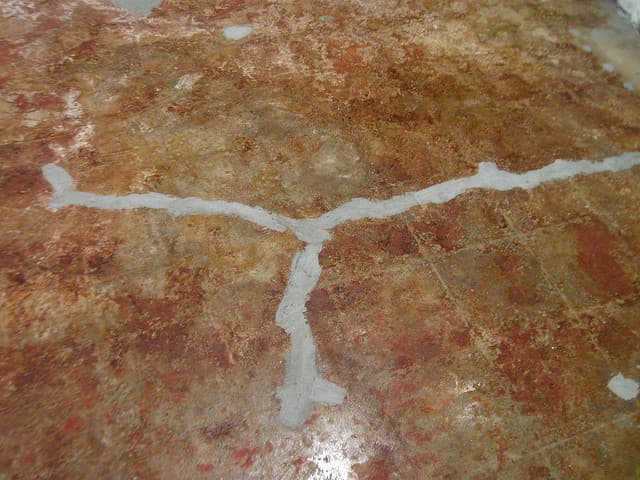
Pyrite is an iron sulphide, known as “fool’s gold” whose crystallization shimmers with gilded reflections. If the brilliance of this worthless mineral deceived gold prospectors of their time, its oxidization when in contact with moisture and oxygen, producing sulfuric acid, stirs up a bitterness in many owners today. The presence of pyrite or of pyrrhotite underneath a foundation may cause the slab of concrete of the house to rise and crack.

Cynthia Pigeon
•31 Jul 2026
In Canada, an installed central heat pump generally costs between $6,000 and $13,500, depending on the system size, energy efficiency, existing HVAC setup, and any related work required. This amount usually includes the equipment and specialized labour, but the final price can vary based on the unit’s capacity, SEER2/HSPF2 ratings, ductwork condition, electrical requirements, and local labour rates. Financial assistance may also be available depending on your province, municipality, income level, heating system, and the model installed. Federal programs have changed significantly in recent years, so it is important to verify active rebates before signing a contract.