What Should You Know About a Pre-Purchase Home Inspection?
By Editorial Team
Updated on May 14, 2026

For most people, buying a home is the investment of a lifetime. Before making such a major financial commitment, it is essential to understand the property’s current condition and identify any repairs or renovations that may be needed. Even if the home you are considering has a few issues, many flaws can be corrected — but repairs can quickly become expensive, especially when labour, materials, and contractor availability are factored in.
That is why a professional home inspection is such an important step before signing on the dotted line. Building inspectors are trained to look for latent defects, non-conforming elements, and potential problem areas that could affect your budget or renovation plans. If you are hoping to complete work in the fall, getting this information early can help you prioritize repairs, compare quotes, and secure a spot with qualified contractors before summer vacations and seasonal slowdowns make scheduling more difficult. Here is a look at what to consider before purchasing a home, and why choosing the right inspector matters.
Pre-Purchase Inspection: A Huge Responsibility to Shoulder

A home inspection differs from a municipal inspection, the Guarantee Plan for New Residential Buildings, and a pre-acceptance inspection.
While the Quebec government allows you to choose your home inspector, both municipal inspectors and the Régie du bâtiment du Québec (RBQ) conduct unannounced work inspections. In the event of renovations and newly built structures, inspectors come to your home to ensure the quality and safety of the installations.
A new home or condo inspection will facilitate your membership process for home insurance, which was mandated by the Quebec government in 1999. The Guarantee Plan for New Residential Buildings protects you in case of unforeseen circumstances when purchasing a new home: postponed handover date, latent defect, serious defect, etc.
The pre-acceptance inspection is a predetermined list of items to check before moving into your new home. It is provided by the contractor and you will have three days to complete the inspection and sign off on it.
Hold on to the original document and give a copy to the contractor who will then be required to complete the work and repair any defects or latent defects on the list. It is best to seek professional advice and set a deadline with the contractor to complete the work.
Learn more about the 2025-2029 Inspection Program.
Homebuying: Inspection Checklist
The home inspector's mission is to look for signs of any potential issues to determine the current condition of the home. The Association des inspecteurs en bâtiment du Québec (AIBQ) defines an inspection as “a visual assessment of all present systems and components that are easily accessible.”
Several elements will be looked over in detail, including the roof, ceiling, floors, load-bearing walls, foundation, and crawl space. The inspector will perform a more in-depth inspection, checking for cracks or weep holes, heating and air conditioning systems, electrical systems and plumbing installations. Plan on spending between $500 and $600 for a 1000-square-foot property inspection. To carry out the inspection, set aside two or three hours of your time to tag along with the inspector. Naturally, if the house is bigger or older, the inspection will be more costly because it will take longer. Following the survey, the inspector will have between 7 and 10 days to provide you with a written report.
How to Choose the Right Building Inspector

In Quebec, home inspections are primarily associated with pre-purchase, real estate transactions. Professional associations of architects, architectural technologists, and building engineers serve as a way to protect the public by regulating the profession. However, the AIBQ reiterates that residential building inspections entail a unique and distinctive line of work, separate from the construction industry, engineering, architecture, property valuation, and municipal property assessment.
Up until recently, it wasn’t even regulated by a government organization, but now is under a new standard established in February 2024. The residential building standard respecting inspection practices in a real estate transaction context mainly serves to remedy this reglementary flaw, reinforcing public protection by guaranteeing inspectors are skilled and qualified.
This regulation allows the Régie du bâtiment du Québec (RBQ) to regulate building inspector certifications. It manages various aspects, such as jurisdiction, qualification criteria, terms and conditions for certificate issuance, complaint intervention, and proficiency update. As of October 1st, 2024, said standard provides a 3-year grace period for all practicing inspections, allowing them to continue working without a certificate, but with the possibility of qualifying by way of completing a proficiency update. New inspectors will have to obtain a college diploma in a building inspection training program.
From now on, future homeowners will be able to make decisions knowing that the hired expert advising them in making crucial life decisions, such as purchasing a home, is duly qualified.
Home Inspection: Consult a Certified Contractor
A proper home inspection can uncover latent defects, such as leaks before any apparent water damage, which could eventually cause minor flooding or cold air leaks that may lead to higher heating costs. A proper pre-purchase home inspection can affect the future resale value or lead to your purchase of another home. After all, purchasing a home is the investment of a lifetime.
Now that you have found your dream home, and the inspection went as expected, what's next? The obvious plan is to make the house your own, which might involve some renovation work, so here are some renovation ideas for your new home:
Looking for something else?
Related articles
The latest industry news, interviews, technologies, and resources.
Editorial Team
•26 Feb 2026
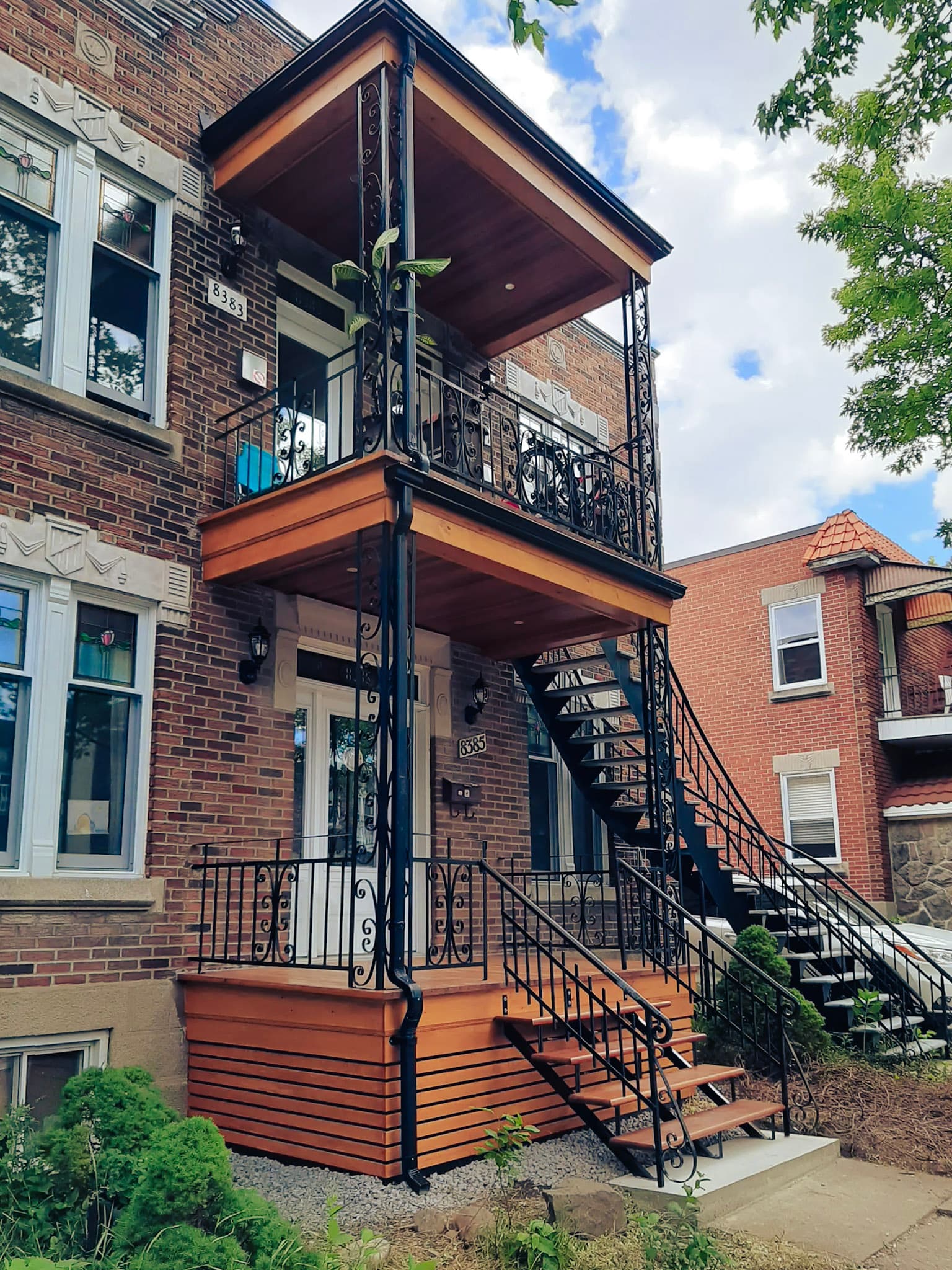
If you’re planning renovations in Montreal, the first step is confirming whether you need a permit (and which one), because requirements can change by borough and by the type of work. Before starting any project, it’s important to check the specific regulations that apply to your location and the nature of your renovations.
Editorial Team
•01 Oct 2026
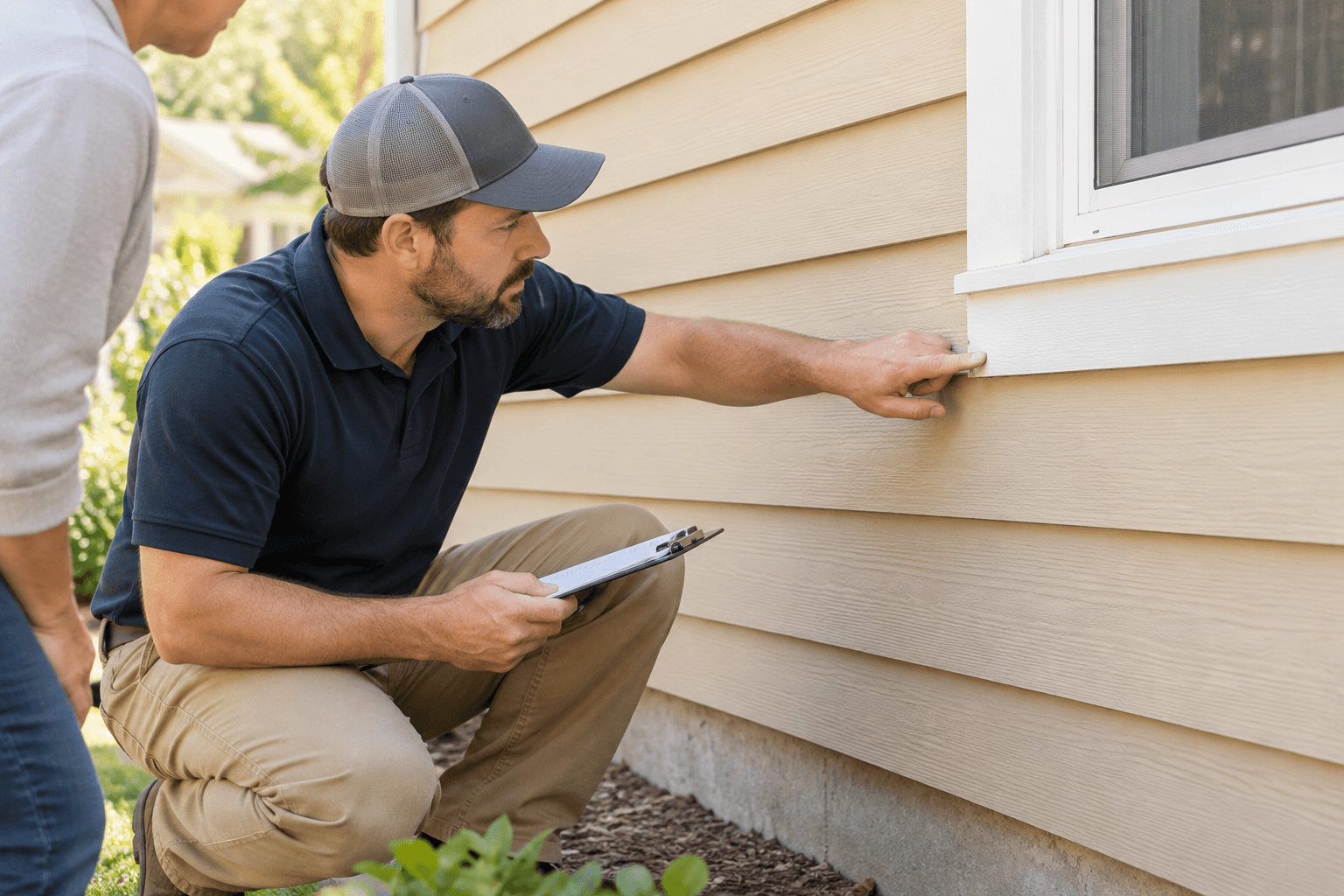
A home inspection costs $300 to $800 in Canada, with most buyers paying between $400 and $600. A condo runs $300 to $450, a standard detached house $450 to $650, and a large or rural property $850 to $1,500.

Editorial Team
•08 Nov 2023
From the basement to the attic, ceiling insulation—a bulwark against the cold, a dwelling’s guardian—ensures the residents' comfort.
Cynthia Pigeon
•22 Jul 2026
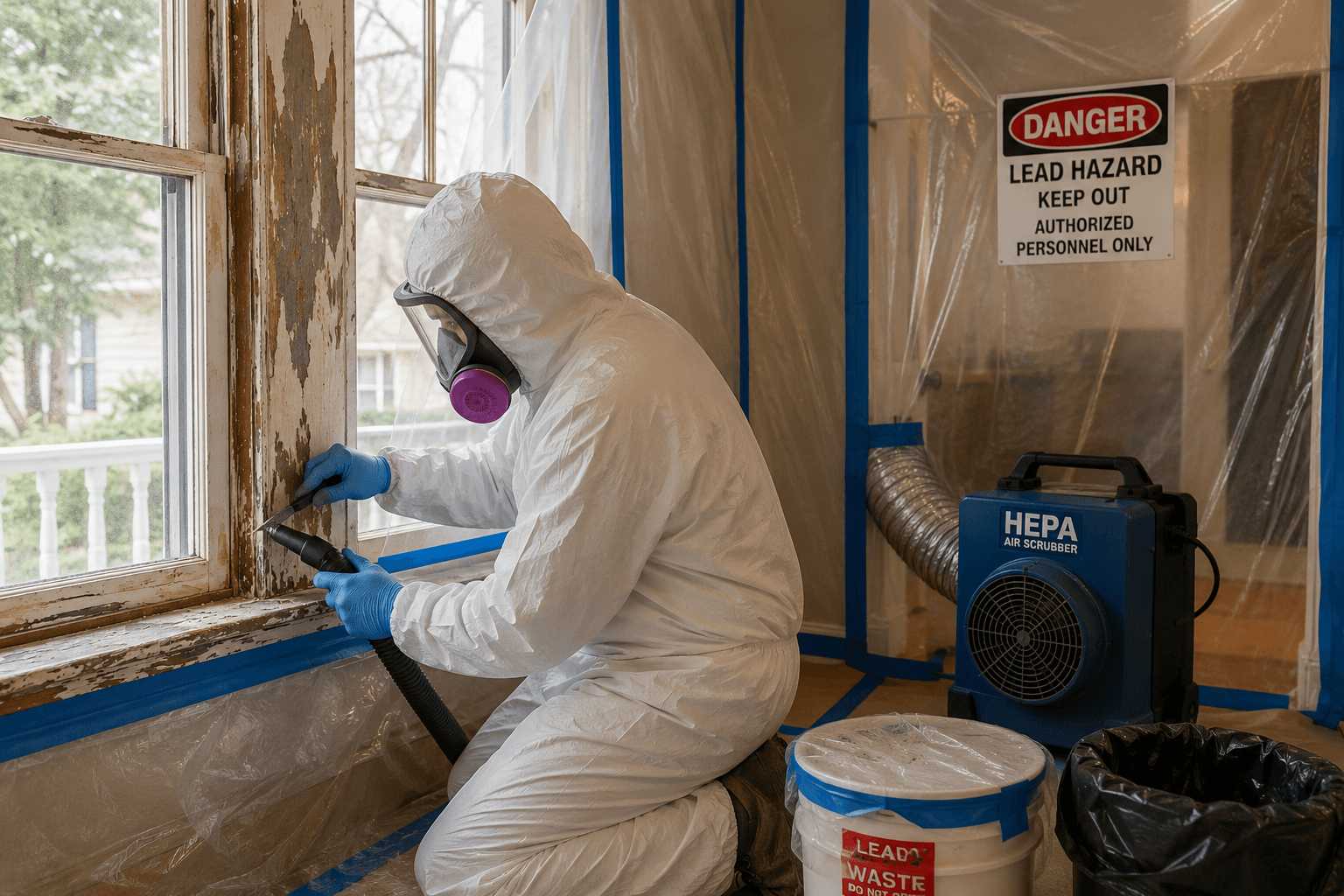
Owning an older or heritage home in Canada comes with undeniable architectural charm, whether it is a century-old duplex in Montréal, a Victorian house in Ontario, or a historic property in the Maritimes. However, restoring these buildings can also reveal hidden challenges. One of the most serious environmental risks is the presence of lead-based paint.
Christine Simard
•21 Oct 2026
Are you looking for a ceramic tile store on Montréal's South Shore to renovate your kitchen, bathroom, or replace your floors? Whether you live in Longueuil, Brossard, Saint-Hubert, or another municipality in the region, several specialized retailers offer a wide selection of tiles to suit different styles and budgets.