How to Choose Flooring Materials That Suit Different Areas of Your Home
By Sponsored Contributor
Updated on November 11, 2026
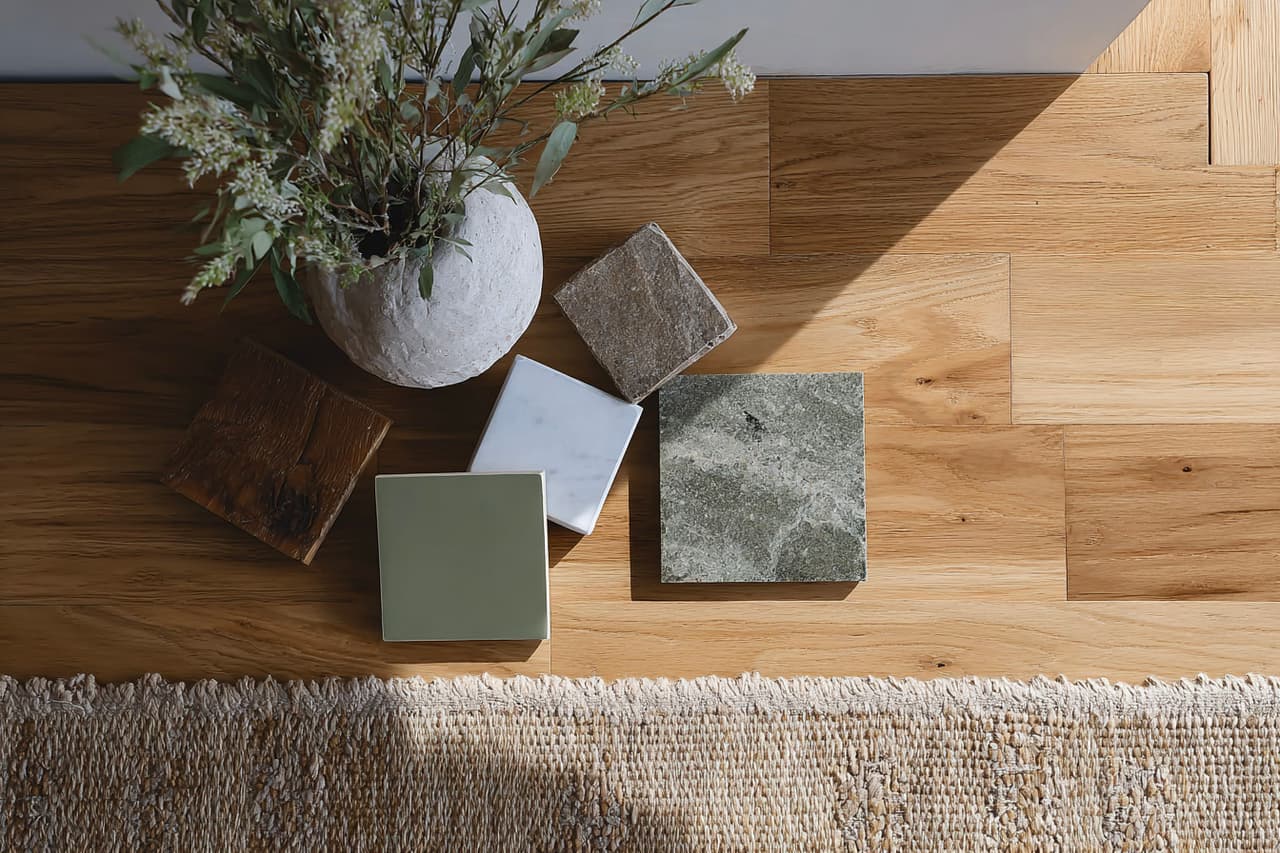
The flooring of a house is very significant to the designing process since it impacts on how all rooms will look like, how comfortable they are, and their functionality. Different parts of a house are subjected to varying levels of footfall, moisture, temperature differences, and wear. What may suit the bedroom as far as the floor is concerned may not fit the bathroom or kitchen. It is important for the homeowner to take into account the use of a room before selecting any flooring.
Choosing Flooring for Living Rooms
Source: A-10 Contracting Inc.
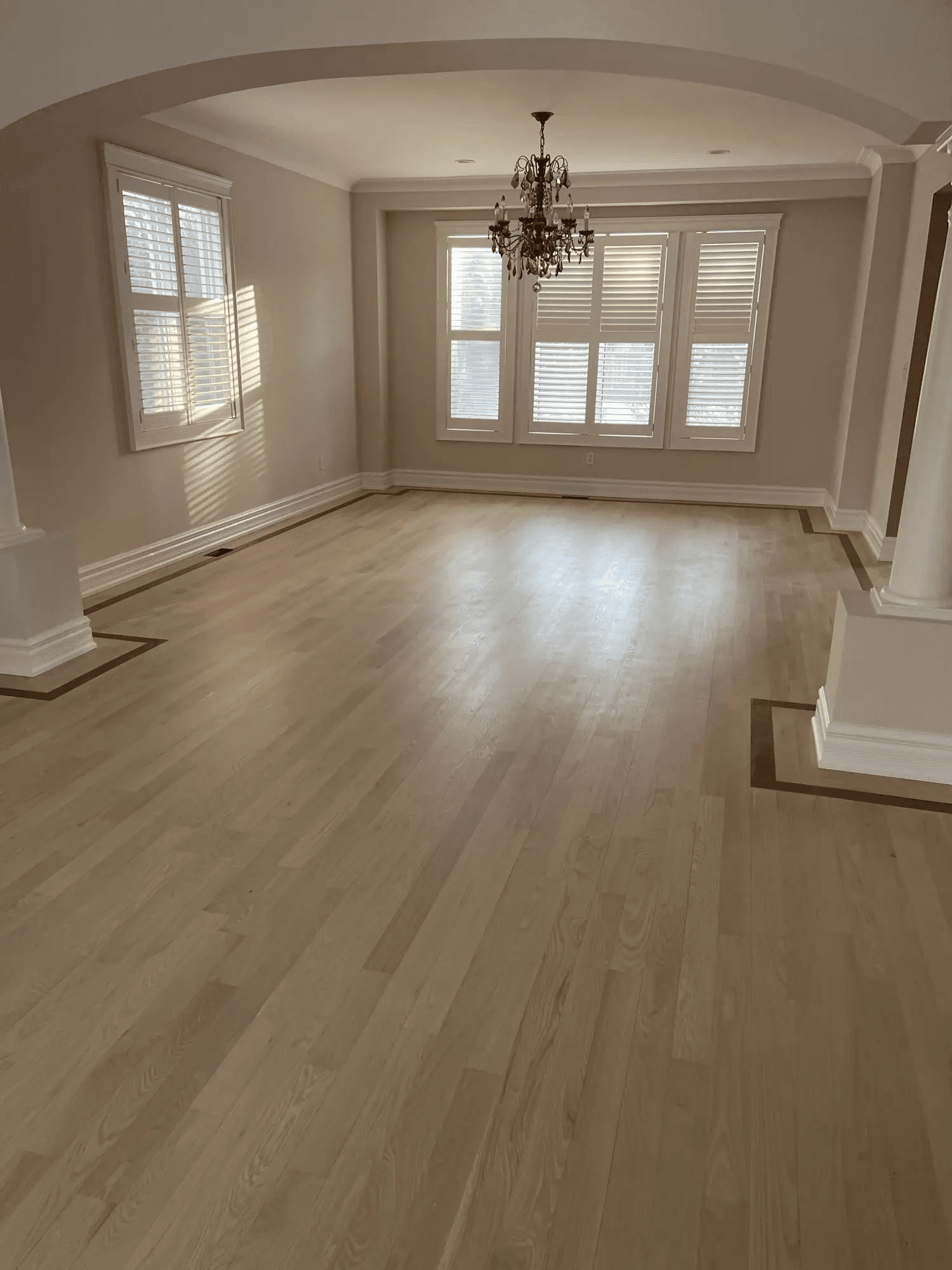
As a rule, the living room serves for relaxation, entertainment, and family communication. Taking into account the fact that this space is the focal point in the house, it is worth providing a comfortable floor with aesthetically appealing finish. Among many materials hardwood is widely used because of its beauty, durability, and compatibility with any interior design style. Engineered wood can be chosen if the homeowner wants to create a similar impression but with enhanced stability against some variations of indoor humidity. The other soft option to think about is carpets that can warm up the room and add comfort in winter.
The level of the traffic in the living room should play a decisive role in choosing the right floor type. In case the house contains children or pets or there are lots of guests, it makes sense to choose flooring that is resistant to scratch, dirt, and wear. One of such options can be luxury vinyl planks that will allow creating the same effect as with wood floors but in addition will be easier to care about. The other one is laminate flooring which is rather affordable and can be installed in various styles.
Selecting Flooring for Kitchens
Source: Fmg entrepreneur Inc
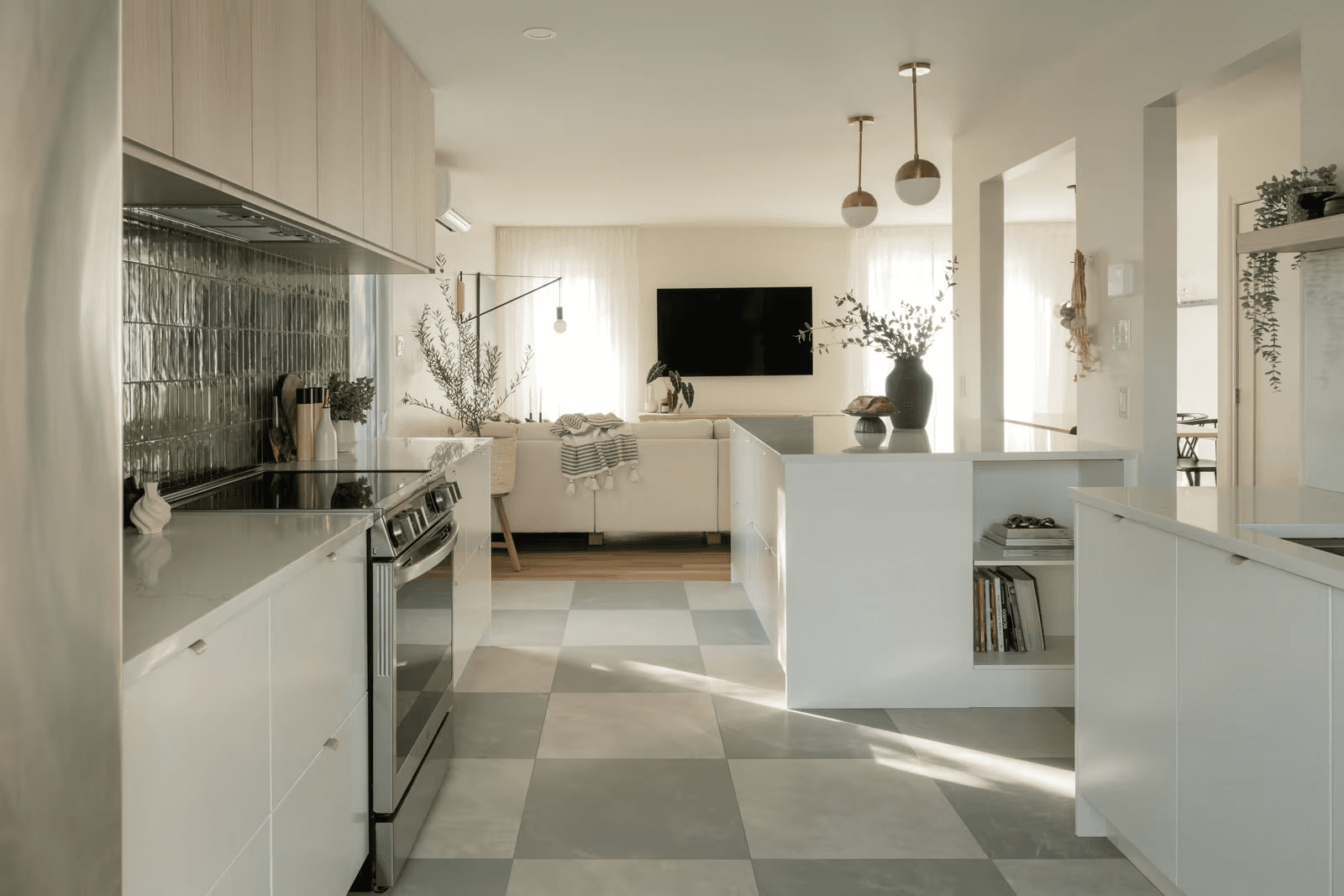
The materials used for kitchen flooring must be able to cope with water splashes, stains, and routine cleaning. Moisture resistant building supplies are usually more preferable than others since some kinds of wood are easily spoiled by water while non-sealed floors are prone to water damage. Porcelain or ceramic tiles are popular since they are durable, moisture resistant, and have diverse colours and textures. Luxury vinyl flooring could be another option since it is comfortable to walk on it and provides a good protection against spills. Homeowners should consider the product specifications to learn about its moisture resistance and installation instructions provided by the manufacturer.
Kitchens are active zones where there are many movements, drops, and other activities. The floor material must be resistant enough to withstand all this stuff without requiring frequent maintenance. Textured tile finishes can add extra traction to the floor but the owner should take into consideration that grout lines have to be cleaned regularly to avoid their darkening. Vinyl flooring offers a smooth finish that is easy to maintain which makes it preferable for some people. Also, it is important to think about the compatibility of the new floor with cabinets, counters, and other finishes in the house.
Choosing Flooring for Bathrooms
Source: Master Solutions
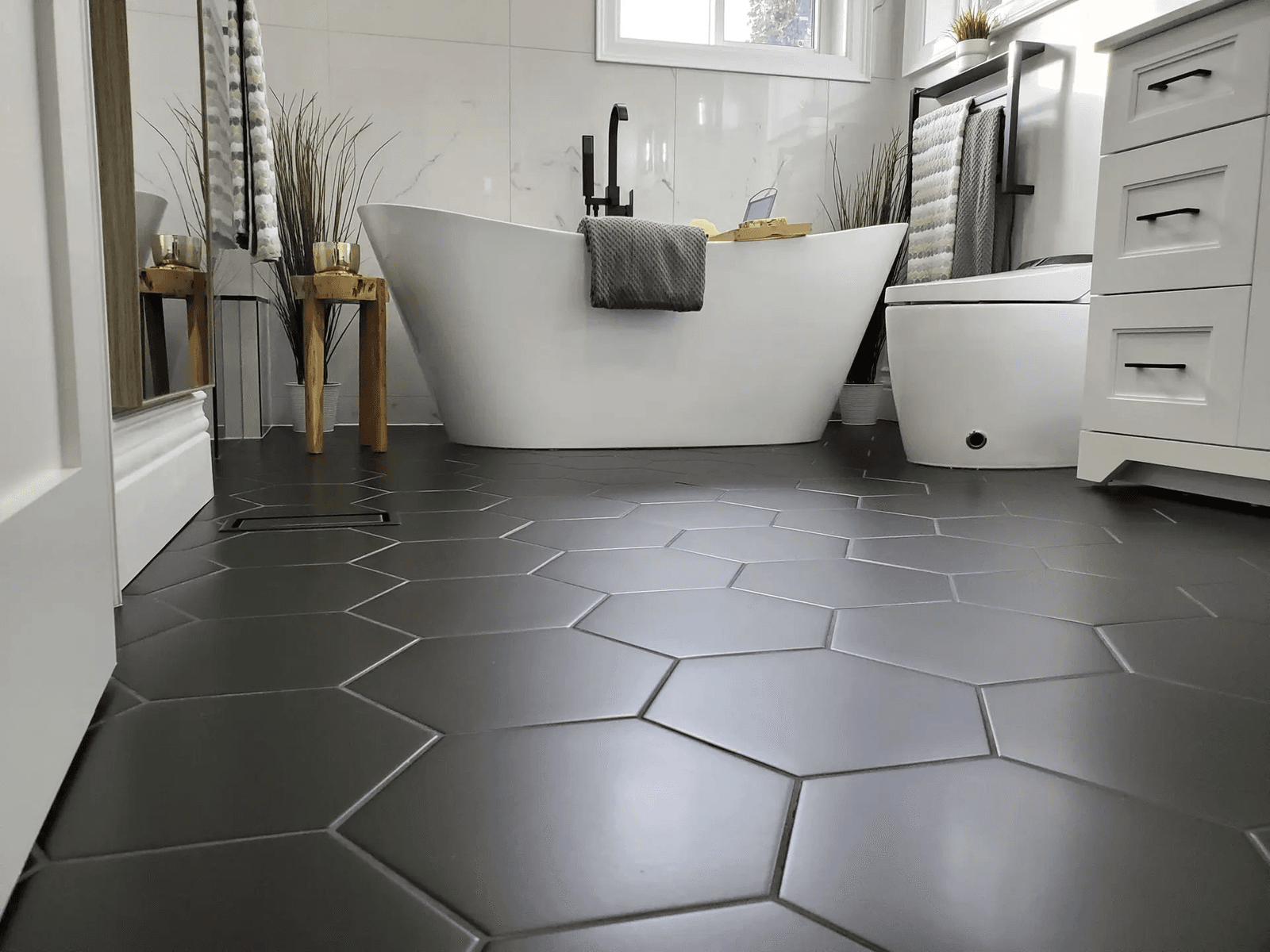
Flooring in bathrooms has to have properties which will allow it to withstand water and humidity. It is important to use flooring that does not absorb any moisture, because otherwise, it will warp, expand and become damaged, especially after the water gets under the flooring. For example, porcelain tile can be used, since it does not absorb water much and is very durable. Another good alternative would be ceramic tile, which has lots of decorative finishes and sizes. In case homeowners want flooring with a warm and soft feeling, waterproof vinyl flooring can be chosen, but it is still necessary to seal all edges in order to protect the subfloor from moisture.
It is also necessary that the flooring provides a stable surface even when it gets wet. Highly polished flooring is very slippery, which is why textured tiles should be installed. Smaller tiles, which have more grout lines, can also be considered depending on the material and finish of grout. The next characteristic that should be taken into account while choosing flooring for a bathroom is the possibility to clean it easily, since this room often collects soaps, dust and moisture.
Selecting Flooring for Bedrooms
Source: V&W Floors and Stairs
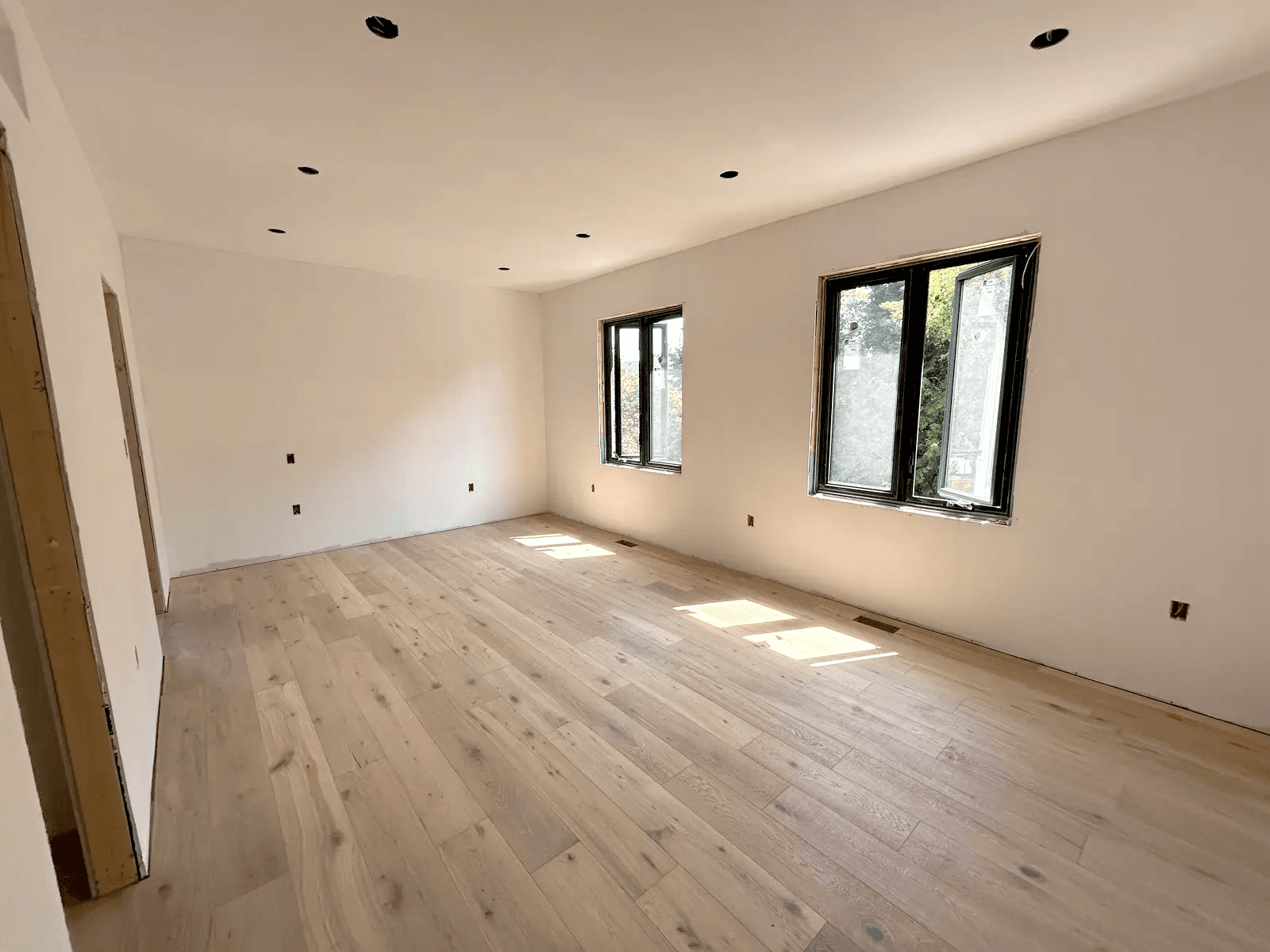
In comparison to other spaces in the house such as the kitchen, hall and living room, bedrooms usually have little foot traffic. Comfort becomes an issue to consider in selecting the type of flooring. A carpet is one of the types that can be selected due to its soft nature. In addition, carpets offer warmth. Besides being comfortable, carpets could also serve the purpose of noise reduction in cases where there are multiple rooms in one home. If the owners wish to use hard flooring, then they could choose hardwood, engineered wood or laminate and use area rugs.
The maintenance of bedroom flooring becomes an issue to consider along with comfort. Carpets usually accumulate particles of dust, pet hair and other items. Therefore, the carpet needs regular cleaning through vacuuming. People who do not like to maintain their carpets might prefer hard flooring since dust could be swept off. While choosing carpet flooring, one should consider the different fibres used and the backing material. The type of the finish used in the case of hard flooring becomes a factor to consider.
Choosing Flooring for Hallways and Entryways
Source: RénotechM. Construction inc.
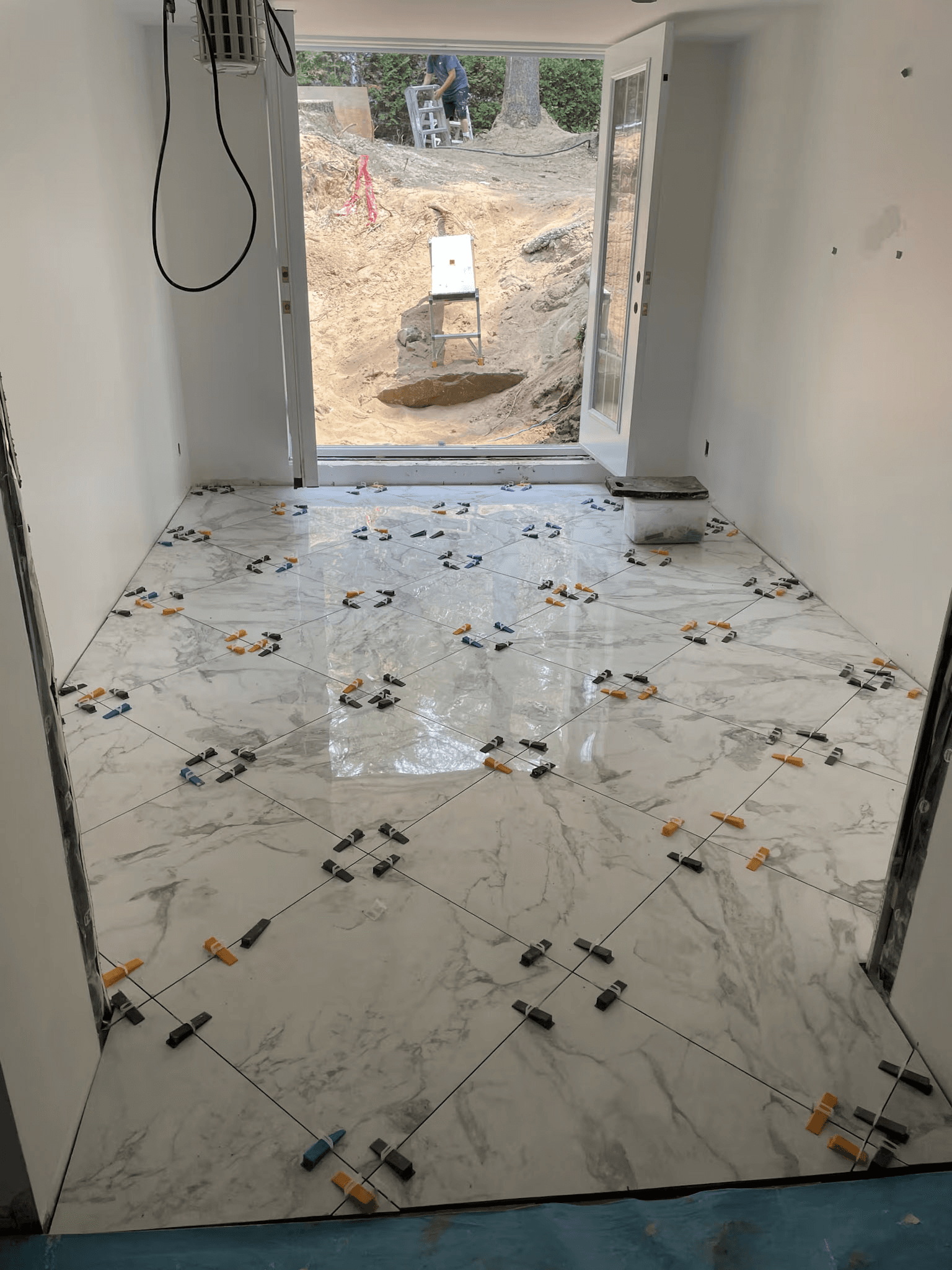
Entrances and hallways tend to get the most foot traffic within the house. The feet can introduce soil and moisture into the house, and the flooring will slowly deteriorate because of this. It would be wise to choose materials like porcelain tiles, ceramic tiles, or luxury vinyl. Also, hardwood floors would be great as long as they have some sort of coating on them and are maintained. People should look at the durability of flooring and not the aesthetics alone.
The entrance is always exposed to outdoor elements, especially rain and snow. The flooring should be easy to maintain and not too susceptible to moisture damage. Properly installed tile flooring is good in terms of durability, and vinyl flooring could serve better for comfort. When choosing flooring, it should be taken into account how it looks in relation to adjoining rooms, so that there are no abrupt changes of elevation. Suitable mats should be placed in front of exterior doors to prevent dirt and moisture from entering the house.
Considering Flooring for Basements and Outdoor Areas

Source: Gestion Carufel Inc
Basements have their own environments as compared to the rest of the house, as there are usually different conditions inside. There can be moisture problems, concrete subfloor, and low air circulation that makes waterproof vinyl and some types of tile floorings suitable for basements because they are able to resist moisture better than typical hardwood floors. People need to identify the presence of any leaks or drainage problems before installing new floors, as well as do moisture testing to make sure that concrete can accommodate selected flooring systems. This helps avoid damage to the surface underneath.
Outside flooring materials need to endure sunlight, rainfall, changes in temperature and exposure to the environment in general. There are such materials as porcelain pavers, natural stone and even certain finishes of concrete that are capable of creating a resistant outdoor floor. The surrounding landscape, drainage conditions, and placement of outdoor furniture should also influence the layout and material selection. One more factor to consider is how well they will fit into the overall design of the patio or other area where it is intended to be installed.
How to Make the Right Choice
Selecting the right type of flooring involves considering the uses and circumstances for each room as opposed to picking a single type of flooring for the whole house. The kitchen and bathroom should have floors that are resistant to moisture, while the bedroom and living room can opt for materials based on comfort and aesthetics. The hallways and basements will require flooring that is durable and can handle heavy use. Product comparisons and consideration of installation and maintenance can simplify the process. Through research and the selection of the right materials, homeowners can develop floors that are functional and attractive.
Looking for something else?
Related articles
The latest industry news, interviews, technologies, and resources.

Léa Plourde-Archer
•03 Aug 2024
The floating floor might sound like a magical concept but in fact, this installation method has become increasingly popular in the flooring market. Why, you ask? Well, floating floors are incredibly simple to install, and this can save ample time and money. It’s worth mentioning that floating floors are not a type of flooring, but instead, the installation method by which planks, boards or in some cases, tiles, attach to one another.

Editorial Team
•08 Nov 2023
When vinyl comes to mind, you might immediately think of music and the classic record player. However, in this case, we're talking about the floor. If you’re considering renovating your floor and looking for a versatile, easy to clean and crack-resistant flooring option, maybe you’d be interested in vinyl tile? Vinyl tile is a popular choice for the kitchen, bathroom, laundry or mudroom.

Paul Riopel
•24 May 2024
Whether you're renovating to accommodate a growing family, addressing structural issues, or simply modernising your living space, the decision to demolish or remove part of a brick wall in your home is a significant one.
Editorial Team
•29 Aug 2025
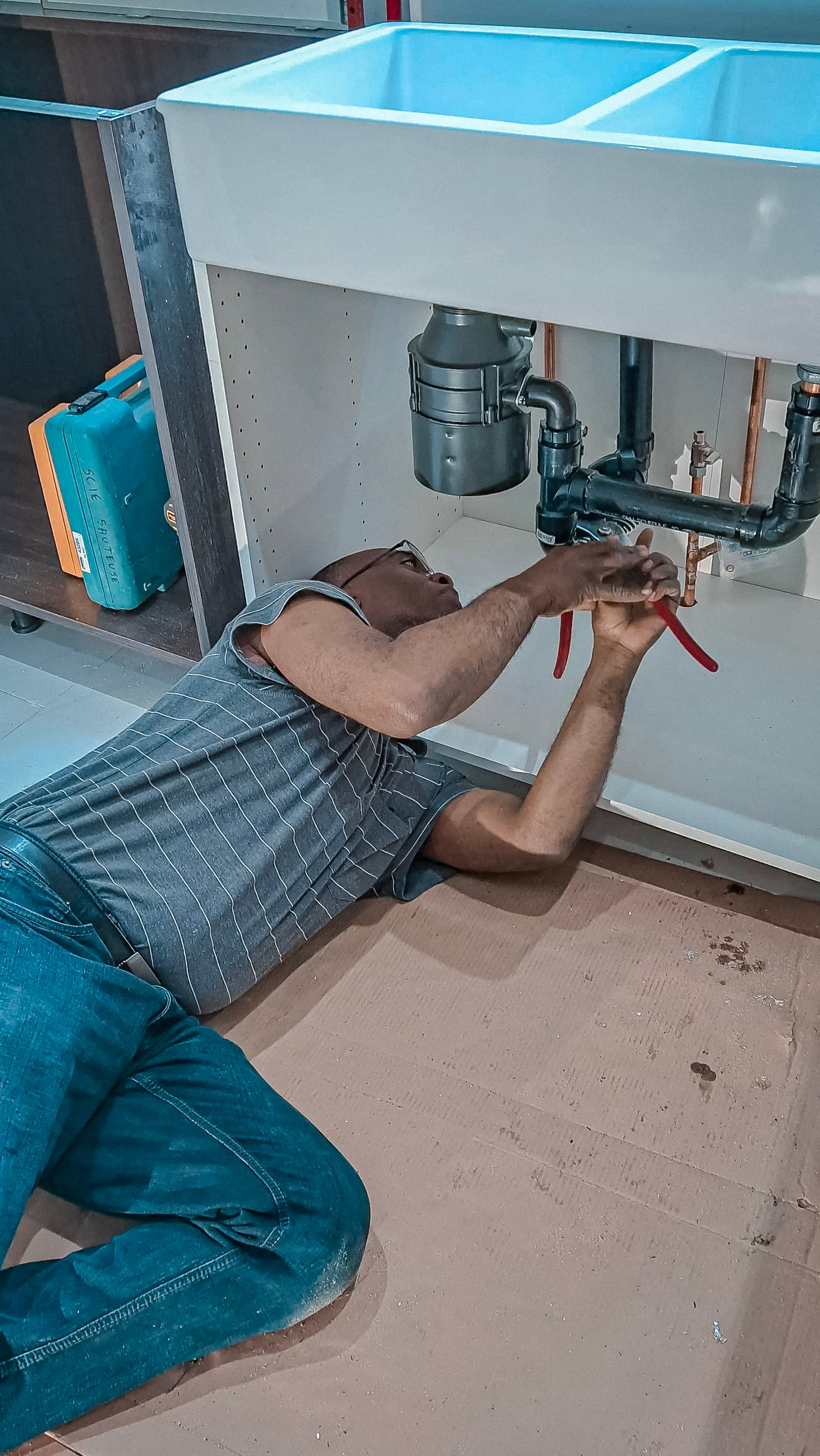
Do you like getting your hands dirty while pursuing a well paid and interesting trade? Becoming a plumber might be what you are looking for. Becoming a plumber in Ontario is a rewarding career path that offers a blend of technical skills, hands-on experience, and job stability. The journey to becoming a licensed plumber involves several key steps and requirements, which are designed to ensure that individuals are well-prepared for the demands of the profession.

Cynthia Pigeon
•08 Nov 2023
The residential kitchen really has evolved through the years: it's kept up with design trends, new technologies, and the occupant’s habits. It used to be a gathering point where people spent hours cooking, cleaning, and socializing.