Inflation-Proofing Your Business: A Contractor’s Guide
By Editorial Team
Updated on January 29, 2026

From Vancouver Island to the Gaspé Peninsula, contractors across Canada face a common challenge: material prices that won’t sit still. Lumber, steel, drywall, insulation—costs can spike or drop from one month to the next, often with little warning. Inflation, shifting demand, and supply chain issues all put pressure on budgets and timelines.
Join Our Network and Receive Real Leads!
Do you want to start getting some real leads with serious customers?
To stay competitive and profitable, contractors need more than sharp pencils and good instincts. You need smart contracts, strong supplier relationships, flexible services, and better use of digital tools. This guide walks through practical ways to protect your business from volatile material costs, while still delivering quality work for your clients.
Building a Foundation for Stability
Source: Damapro inc.
The best time to prepare for the next price jump is before it happens. A clear plan gives you confidence when the market shifts suddenly.
Planning With Practical Tools
Start with a business plan that can flex as conditions change. A crisis action guide or a planning workbook can help you think through “what if” scenarios—like lumber jumping 20% or drywall delivery times doubling. These tools often include checklists, templates, and prompts that force you to look at your costs, contracts, and communications in a more structured way.
You can also use simple digital planning dashboards to track key indicators like material prices, project backlogs, and cash position. When you see stress building in one area, you can adjust bidding, purchasing, or staffing before it becomes a serious problem.
Assessing Strengths and Weaknesses
A SWOT analysis (Strengths, Weaknesses, Opportunities, Threats) helps you see where you’re strong and where you’re exposed. Maybe most of your work depends on one big client, or you rely on a single supplier for framing lumber or steel.
Once those pressure points are clear, you can:
Diversify your supplier base across regions or brands.
Explore alternate materials you can swap in if prices or availability change.
Cross-train team members so your resourcing needs are easier to cover if work slows in one niche and picks up in another.
Where possible, look at automation for repetitive back-office tasks—estimating templates, digital timesheets, and simple scheduling tools. Reducing manual work lowers the chance of errors and gives you better data to work with when you’re making decisions under pressure.
Adapting Sales and Operations

Source: Reno Quotes
When raw material costs are unpredictable, the way you sell and run your jobs matters just as much as the price you pay at the yard. Flexible, lean operations help you keep revenue flowing, even when some kinds of projects slow down.
Expanding and Diversifying Sales Channels
Relying on a single stream of work—like only full-home renovations or only commercial fit-outs—can leave you exposed when that segment cools. Broadening your offers and channels spreads risk and keeps your crews active.
Practical options include:
Bundled packages: Offer clear, all-in packages such as “bathroom refresh” or “winter-proofing bundle” that combine several small tasks at a fixed price. These typically use predictable quantities of materials and are easier to quote, even with moving prices.
Subscription-style maintenance: Create seasonal or annual maintenance plans for homeowners, landlords, or small businesses. Gutter cleaning, minor repairs, exterior inspections, or caulking and weatherproofing can be billed monthly or yearly and rely more on labour than heavy materials.
Partnering with complementary trades: Team up with designers, HVAC contractors, electricians, or landscapers to cross-refer work and build joint packages. For example, a basement finishing package might include framing, electrical, and ventilation upgrades from your collective group.
These approaches not only diversify revenue, they also tend to use fewer high-volatility materials than large structural projects, helping you hedge against price swings.
Strengthening Online Capabilities and Digital Presence
A strong online presence is one of the simplest ways to reach new customers and maintain a steady flow of leads, even if walk-in or word-of-mouth work slows. It also gives you space to explain how you handle material cost changes upfront, which builds trust.
Contractors can:
Keep a clear, up-to-date website with service descriptions, project photos, and honest information about how estimates account for changing material prices.
Use online forms and digital quoting tools so clients can submit details and photos, helping you pre-qualify leads and provide rough estimates faster.
Invest in online marketing, such as local search ads or targeted social campaigns, to reach homeowners or property managers who are still ready to invest despite broader economic uncertainty.
Combining a professional website with active profiles on key platforms (like Google Business Profile and regional directories) makes it easier for clients to find and compare you—especially when they’re shopping for contractors who can clearly address inflation and material volatility.
Leveraging E‑Commerce and Virtual Services
For some contractors, moving part of the business online can create new, more stable revenue streams. While you can’t build a house over the internet, you can sell expertise and smaller, well-defined services digitally.
Options to consider:
E‑commerce storefront: Sell pre-defined services like safety inspections, small repair packages, or consultation blocks that clients can purchase or book directly.
Virtual consultations: Offer video-based walk-throughs where clients show you their space and you provide advice, high-level budgets, and planning guidance for a fixed fee.
Online booking and scheduling: Allow clients to pick appointment times directly from your calendar, reducing back-and-forth and helping you keep days fully booked.
These steps make your services more accessible and can help generate income that is less dependent on large, material-heavy projects.
Streamlining Business Processes
Efficient operations keep costs down when materials go up. Lean and agile business processes focus on cutting waste, reducing rework, and improving communication.
Use scenario planning to test what happens if:
Drywall costs increase 15%.
Steel prices drop briefly, offering a chance to buy ahead.
Delivery times for key materials double.
With this information, you can optimize business processes—tighten up purchase ordering, standardize change order procedures, and clarify how price changes are shared or absorbed. The more streamlined things are behind the scenes, the easier it is to make quick adjustments on live projects.
Pivoting Your Offering
Sometimes, adapting to material volatility means changing what you sell, not just how you sell it. If one type of work becomes less profitable due to input costs, you can pivot toward lines that rely more on labour, design, or planning.
Example pivots include:
Shifting from full structural additions to interior remodels that use fewer heavy materials.
Emphasizing energy-efficiency upgrades, where some costs are offset by rebates or energy savings, making material increases easier for clients to accept.
Recommending alternative materials—like engineered lumber, metal studs, or composite products—when traditional options like dimensional lumber or certain metals become too expensive or hard to source.
You can also explore fixed-fee services, flexible payment plans, or bundled pricing that give clients predictability while still protecting your margins.
Strengthening Your Workforce

Source: Menuiserie CJV
Your team is one of your best assets in a volatile market. Skilled, motivated workers help you deliver quality work, adapt to new materials or tools, and handle changing scopes with less stress. When inflation and uncertainty hit, keeping your crew steady pays dividends far beyond the immediate crisis.
Retaining and Supporting Employees
Contractors can take concrete steps like:
Holding regular check-ins, both one-on-one and team-wide, to discuss workload, project challenges, and business updates. Being transparent about material costs and timelines builds trust.
Offering mental health resources, such as access to employee assistance programs (EAPs) or even just paid time for counselling if your benefits package allows.
Encouraging work-life balance with clear schedules, mandatory days off after big jobs, and flexibility for family needs when possible. Committing to realistic hours prevents burnout during peak seasons.
Small gestures matter, too—team lunches, safety milestone celebrations, or simple shout-outs for good work go far when everyone feels the economic pinch.
Prioritizing Retention Over Layoffs
Layoffs might seem like a quick fix for cash flow, but they often cost more in the long run. Replacing skilled tradespeople takes time and money, and the best workers rarely sit idle during downturns. Retaining top talent—your most effective and influential employees—positions you for faster recovery when projects pick up again.
Use cost-benefit analysis to identify who drives the most value: lead carpenters who train juniors, foremen who keep sites safe and on schedule, or estimators who nail tight quotes despite volatile prices. Protect these roles first, even if it means trimming elsewhere. Good employees may cost more upfront, but their expertise and reliability save you headaches when lumber prices swing or clients change scopes.
Flexible Staffing and Fractional Hiring
Rather than locking into full-time hires during uncertain times, consider flexible staffing models. Fractional hiring lets you bring in specialists—like a part-time bookkeeper, marketing consultant, or safety officer—for the hours you need, without fixed payroll overhead.
For contractors, this could mean:
Engaging a fractional project manager during peak seasons or complex jobs.
Using contract estimators familiar with current material trends to handle overflow quoting.
Partnering with skilled subcontractors for niche work, like heritage restoration or green building certifications, instead of training in-house.
This agility matches your resourcing needs to actual demand, keeping fixed costs lean while maintaining capacity.
Cross-Training, Upskilling, and Long-Term Development
Cross-training turns a one-trade crew into a versatile team that can handle shifting priorities. When framing slows due to lumber costs, upskilled workers can pivot to interior finishing, repairs, or even basic electrical or plumbing support.
Specific opportunities include:
Training on new construction methods, such as advanced framing or modular components that use less material.
Upskilling with digital tools like estimating software, drone site surveys, or BIM for renovations.
Earning safety certifications or green building credentials that open doors to rebate-funded energy retrofits.
Investing in development boosts morale by showing employees you value their growth. It also strengthens retention rate—workers who feel supported are less likely to jump to competitors offering slightly higher wages.
Protecting Your Employer Brand for Recovery
How you treat your team during tough times shapes your reputation for years. A strong employer brand makes it easier to attract talent when the market rebounds, whether that's next season or next cycle.
Focus on:
Consistent communication that acknowledges challenges but highlights your stability and planning.
Fair policies around pay, hours, and benefits, even if growth pauses.
Testimonials or references from long-term employees who chose to stay.
By protecting your people and your good name, you build loyalty that turns crew members into advocates—and gives you a head start when housing starts climb again.
Protecting Your Cash Flow and Financial Health

Source: Reno Quotes
Material volatility can squeeze margins quickly. Having a clear view of your finances and a buffer for shocks is critical if you want to survive and grow in uncertain times.
Building a Financial Cushion
A financial cushion gives you breathing room when costs rise faster than expected. Aim for a healthy cash reserve that can cover at least a few months of overhead costs, including payroll, insurance, leases, and basic operations.
To get there:
Review monthly expenses and cut or delay non-essential spending.
Align deposit schedules with major purchase points, like framing or mechanical rough-ins, so you’re not carrying material costs alone.
Make sure your contracts allow for progress billing that reflects actual work completed and materials installed.
Even modest improvements in your reserve can make a big difference when an unexpected price spike or project delay hits.
Managing Cash Flow More Efficiently
Cash flow is about timing—when money leaves and when it arrives. In periods of inflation, that timing gets more delicate.
Consider:
Using cloud-based invoicing and payment tools to send invoices quickly and give clients simple ways to pay online.
Setting firm but fair payment terms and enforcing them consistently, including late fees where appropriate.
Tracking receivables weekly, not just monthly, so overdue accounts are addressed early.
Digital cash flow dashboards can show upcoming commitments and expected payments in one place, helping you decide when to order materials, when to sequence jobs, and when to hold off.
Accessing Additional Sources of Money
Sometimes, even well-run businesses need extra support to handle major cost swings or to seize opportunities, such as buying materials in bulk during a brief price dip.
Options include:
A business line of credit tailored to construction, used carefully to bridge timing gaps rather than fund long-term losses.
Government programs or small business financing that support investment in equipment, technology, or inventory.
Value-focused investors or lenders who understand the construction cycle and can offer more flexible terms.
Having access to additional sources of money in place before you need them is far better than scrambling once you’re already under strain.
Seeking Expert and Community Support

Source: Reno Quotes
You don’t have to navigate inflation and material volatility on your own. Advisors, mentors, and local partners can help you spot risks and opportunities that are easy to miss from inside the business.
Consulting Credible Experts on Business Models
Beyond traditional accounting and tax help, consider asking trusted advisors to review your business model and pricing structure through the lens of volatile costs.
Together, you can:
Identify which services are best suited for fixed-fee pricing and which still need flexible, cost-plus models.
Design subscriptions or service plans that provide recurring revenue and keep your name in front of clients.
Build bundles and packages that balance labour and material components in a way that’s appealing to clients but still resilient to price shifts.
This outside perspective can reveal simple changes that make your revenue more stable through different phases of the economic cycle.
Partnering Locally for Supply Stability
Strong relationships with local suppliers are invaluable when markets get choppy. A reliable Home Hardware in the Maritimes, an independent lumberyard in Quebec, or a regional steel distributor in the Prairies can sometimes offer better communication and flexibility than large, distant suppliers.
Over time, value-based partnerships can lead to:
Early warnings about upcoming price changes or product shortages.
Access to alternative products that fit your needs when standard items are back-ordered.
More willingness to work with you on delivery schedules, reserved stock, or occasional extended terms.
In a volatile environment, trust and communication become as important as price.
Using Technology to Streamline Operations
Digital tools aren’t just for big firms. Small and mid-sized contractors can benefit from thoughtful, targeted technology that simplifies work and improves visibility across jobs.
Project Management and Scheduling Tools
Cloud-based project management platforms can bring your estimates, schedules, and site updates into one place. Even lightweight tools can help you:
Keep task lists and timelines organized across multiple projects, reducing overlaps and downtime.
Coordinate deliveries and trade schedules more accurately, which matters when material availability is unpredictable.
Record material substitutions, change orders, and progress in real time, so both office and field stay aligned.
This reduces misunderstandings, rework, and delays—three major drivers of cost overruns when material prices are already high.
Customer Relationship and Communication Tools
A simple CRM and communication system can improve how you manage leads, quotes, and past clients. It allows you to:
Track which services are getting the most interest, so you can focus marketing on offers that are performing well despite economic noise.
Automate reminders for upcoming maintenance, warranty checks, or follow-up visits, which can turn one-time clients into repeat customers.
Keep a record of how you’ve discussed material pricing, contingencies, and alternatives, helping prevent disputes if costs change during a project.
Combined with clear contract language, this level of organization builds trust and reduces friction when you need to adjust to market reality.
Understanding Recessions and Why They Matter to Contractors

Source: Reno Quotes
What Is a Recession?
A recession is generally understood as a period when the economy shrinks instead of grows, often described as two consecutive quarters where gross domestic product (GDP) declines compared to the previous quarter. During this phase of the business cycle, overall activity slows: companies invest less, hiring cools, and households become more cautious with their spending. For contractors, that big-picture shift shows up as fewer calls, smaller projects, and more price-sensitive clients.
Recessions usually start when something disrupts normal economic activity, such as a financial crisis, aggressive interest rate hikes, a burst housing or asset bubble, a major supply shock, or events like pandemics and wars.
Common Causes and Triggers
Several forces can push an economy into recession:
Economic crises: Banking or credit crises make it harder for businesses and households to borrow, stalling investment and large purchases.
Policy changes: Rapid increases in interest rates to fight inflation can cool the housing and renovation markets faster than expected.
External shocks: Global events, energy price spikes, or supply chain disruptions raise costs and create uncertainty, which slows new projects.
These triggers often interact. For example, a spike in energy costs can drive both inflation and lower growth, putting pressure on material production, transportation, and ultimately contractor pricing.
How Recessions Affect Businesses and the Broader Economy
Recessions affect more than just headline statistics; they change behaviour across the economy:
Lower consumer spending: Households may delay renovations, choose smaller scopes, or focus on must-do repairs instead of full makeovers.
Cash crunch and slower payments: Clients take longer to pay, while suppliers may tighten terms or ask for faster payment, squeezing your cash flow.
Credit tightening: Lenders become more cautious, making it harder or more expensive to access lines of credit or loans for equipment and growth.
Job losses and hiring freezes: Some sectors shed jobs, and many businesses freeze hiring or reduce headcount to cut costs.
In some periods, you may also see stagflation, where economic growth slows but prices stay high or even keep rising. For contractors, that’s a particularly tough mix: fewer projects available, but materials and borrowing costs still elevated.
Economic Uncertainty and Its Ripple Effects on Contractors
Even before a recession is officially declared, economic uncertainty can have a strong impact. When people feel unsure about the future, they become more cautious.
For contractors, that often means:
Homeowners delay big-ticket projects like additions, full kitchen overhauls, or structural work, opting for smaller, phased renovations instead.
Commercial clients put expansion plans on hold, slow down fit-outs, or stretch decision timelines.
Suppliers and lenders become more conservative, tightening credit, reducing inventory, or requiring stronger guarantees before extending terms.
This wait-and-see approach can reduce your project pipeline, lengthen sales cycles, and increase the value of having a diversified service offering, stronger online presence, and better cash management.
How Material Volatility and Inflation Fit Into the Recession Picture
Material price swings and inflation are part of the broader recession story, not separate from it. In many downturns, supply chain issues, currency shifts, and energy prices combine to make key inputs—like lumber, steel, and drywall—more volatile. Contractors feel this at the counter when quotes change weekly or product lines are suddenly back-ordered.
By explicitly recognizing that these cost spikes are symptoms of wider economic forces, you can plan more realistically. Clear contract clauses, stronger supplier relationships (such as with a trusted local Home Hardware or regional yard), flexible service and pricing models, and smart use of digital tools all become ways to navigate not just inflation, but the full cycle of recession, uncertainty, and eventual recovery.
Final Thoughts
Inflation-proofing a contracting business isn’t about controlling lumber or steel prices—you can’t. It’s about building a company that can bend without breaking when costs move. With better planning, flexible services, solid digital tools, and strong relationships, Canadian contractors can keep building, even in turbulent times.
The more prepared you are before the next price surge or downturn, the easier it will be to protect your margins, your crew, and your clients’ trust.
Looking for something else?
Related articles
The latest industry news, interviews, technologies, and resources.
Editorial Team
•15 Dec 2023
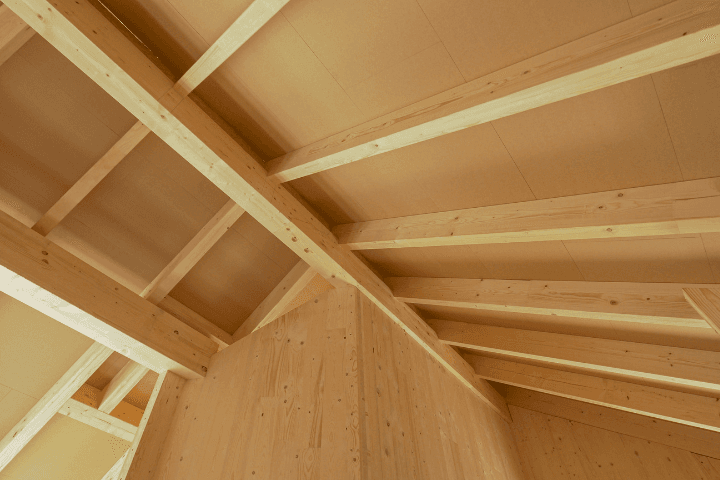
CLT stands for cross-laminated timber. It’s an engineered wood used in the construction industry to build single-family houses and tall buildings.
Editorial Team
•08 Nov 2023
As a contractor, it’s your duty to inform your employees regarding the best workplace health and safety practices, if not put together a hazard prevention plan. Naturally, all lines of work have their risks, but if you can avoid catastrophes thanks to the right training and information, why go without?
Editorial Team
•29 May 2026
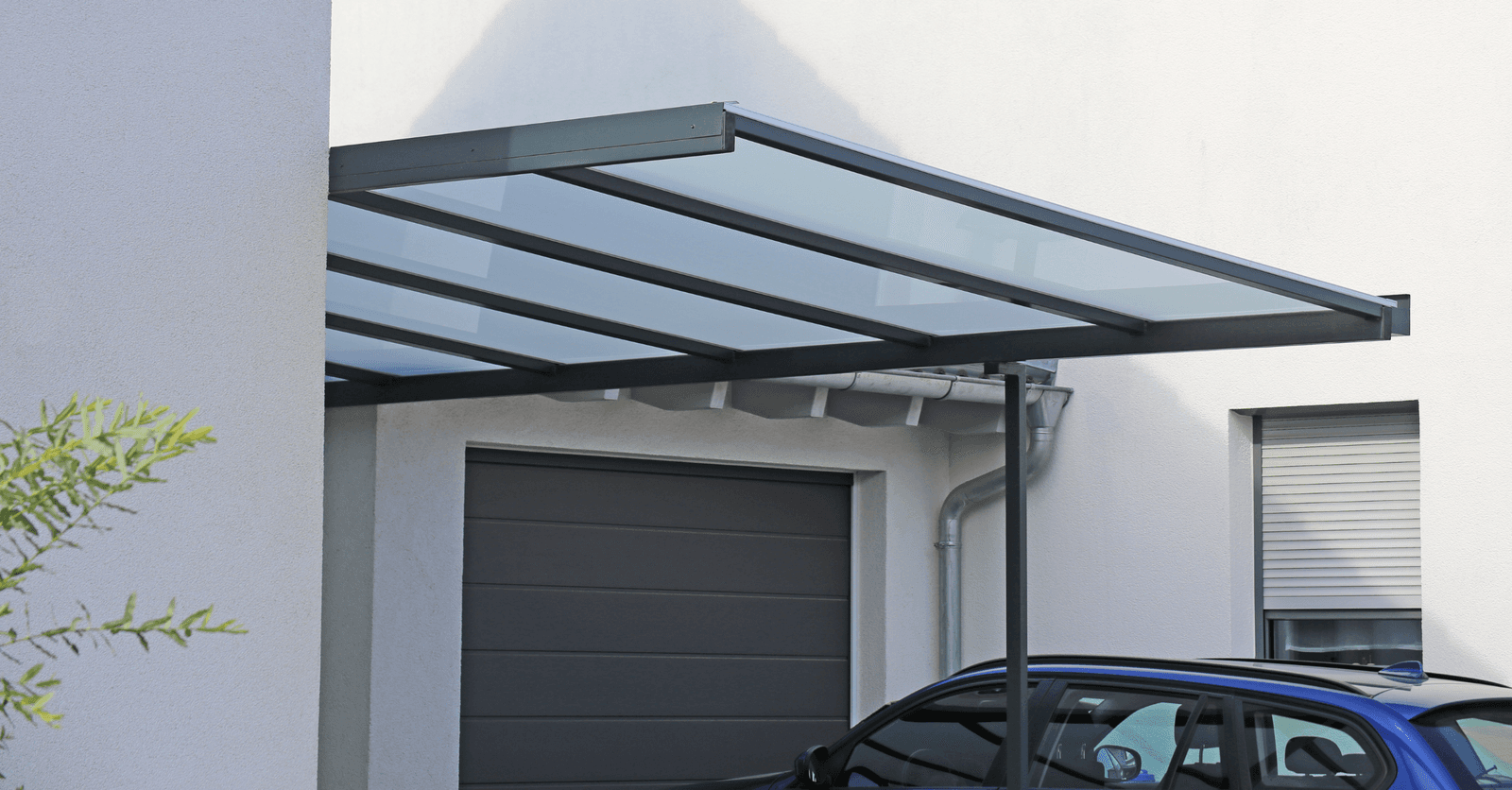
In Canada, vehicles are often exposed to bad weather, and during the winter, many turn to temporary solutions to protect their cars. However, there are more aesthetic and durable options out there, some requiring less space than a garage.

Editorial Team
•21 May 2026
Plumbing emergencies have a way of disrupting routines at the worst possible moments. Water pressure drops without warning, drains stop flowing, or sewage begins backing up into spaces meant to stay clean and dry. In a city as busy as Toronto, homeowners need a plumbing service that responds fast, works efficiently, and understands the risks of delay.

Editorial Team
•08 Nov 2023
The basement is a space fairly separate from the rest of the house, a particular environment that some enjoy while others tend to avoid it as much as possible. It can be used as a storage space or it can also be used as an extra unit, a family room, a laundry room and so on.