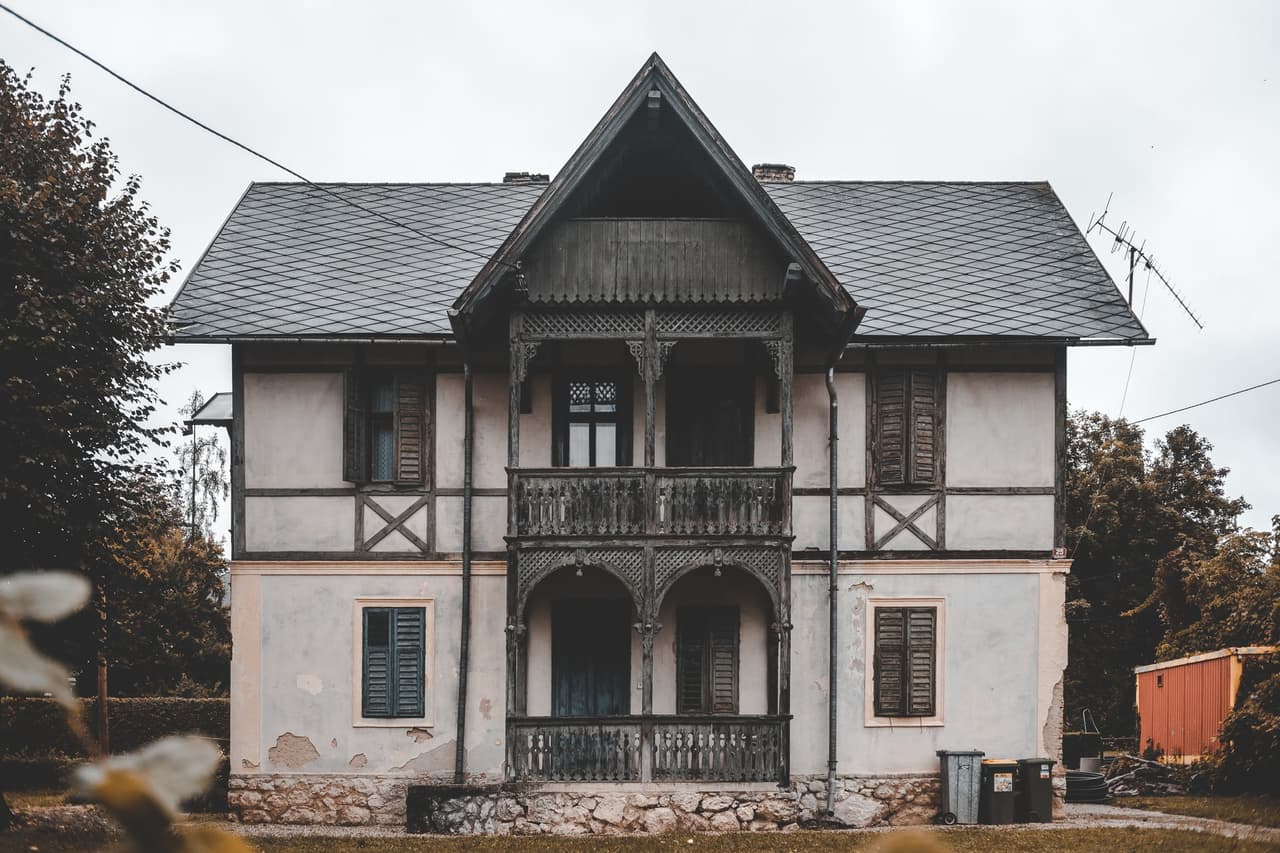
Often confused with demolition, stripping aims to accomplish much more than razing everything in its path. While its process is indeed comparable, the fact remains that it is first and foremost synonymous with renewal and not destruction.
Without further ado, here is everything you need to know about this process that strives on giving a second life to the buildings you cherish, as well as the importance of entrusting this large-scale project to a contractor with the appropriate licenses.
What is house stripping?
Stripping is a process aimed at meticulously removing from a building the various components that make it up, including pipes, plaster, electrical wires, insulation and sometimes beams. A stripping project can involve the whole building or only a certain part, depending on the needs of the renovation project.
As the building is stripped of its divisions, it is possible to change the layout of the rooms, as well as their dimensions. Thus, we can say that stripping is often used in residential or commercial reconfiguration projects. In this regard, let us specify that this process has the advantage of being able to preserve the architectural elements of the building in place, thus allowing it to retain its original cachet.
If you are an old house lover that needs a lot of love, then this technique is ideal for you. A number of heritage homes or old buildings require special attention to the foundation and main beams, with materials that have aged poorly and that are not in line with today's standards. However, this does not merit them a total demolition.

In some cases, the stripping can be used to expand the building. As the strength of the new section depends on the bare structure still in place, its maintenance is essential and decisive for the success of the project.
Of course, the stripping can be partial and be motivated by the need to inspect the inside of the walls for the source of a water leak, or to redo a partially damaged section such as the roof.
Entrust the work to professionals
From the outset, let's say that the stripping process requires very specific know-how since the techniques used must ensure that a solid structure is kept in place. Otherwise, all subsequent work will be compromised. Moreover, be aware that in-depth knowledge of architecture is essential to complete a project of this type.
Not only will doing business with a certified contractor will save you a lot of headaches, but it will also allow you to avoid jeopardizing your safety since this type of work attacks the structure of the building and its electricity, there are many safety measures to follow. One misstep and you're hurt or even worse.
Finally, let's say that unless you are a certified contractor yourself, you will be unable to guarantee that the work performed is compliant. This could be quite a problem if you are thinking about reselling your home in the next few years. New owners will generally be more reassured when the work performed has been orchestrated by professionals holding the appropriate licenses.

Source: manhattan-nest
Municipal and environmental standards to follow
It should be noted that strict environmental standards govern the execution of the work and the way in which the residues will be recovered on the site. Non-compliance with these requirements is punishable by very heavy fines, especially with regard to asbestos-based materials.
Similarly, municipal standards also govern this type of project, some of which may even differ from place to place. This can easily be confusing for someone who is not specialized in the field. Once again, a lack of compliance with these regulations can end up costing you dearly, in addition to forcing you to stop the work.

Source: trulia
Get 3 quotes for your house stripping project
RenoQuotes.com can help you get quotes for your house stripping project. If you submit your project to us, we’ll put you in contact with the most suitable contractors for you. Fill in the form on our homepage (only a few minutes), and you will receive quotes from trusted professionals.
Dial 1-844 828-1588 to speak with one of our customer service representatives
Looking for something else?
Related articles
The latest industry news, interviews, technologies, and resources.
Cynthia Pigeon
•02 Jul 2026
Outdoor living has undergone a spectacular transformation in Quebec. Simple auxiliary grills have given way to true high-end outdoor kitchens, designed as seamless extensions of exceptional properties in Montréal, Westmount, or the natural landscapes of the Laurentians. These outdoor entertaining spaces, which include professional-grade grills, artisanal pizza ovens, and ambient fire features, require an energy infrastructure worthy of their refinement.

Amanda Harvey
•27 Jul 2026
The awning of your home provides shade throughout those long summer months while adding an element of decoration to the facade. Since an awning can add significant curb appeal, you’ll want to keep them in good working order. That’s why it’s important to know how to both maintain and repair your awning.
Léa Plourde-Archer
•05 Dec 2025
If you've ended up here, you’re probably starting a major bathroom renovation project. Renovating a bathroom from top to bottom is a project that involves several stages and can easily be spread out over several weeks.

Editorial Team
•05 Dec 2023
The dining room is the gathering place of the home and according to the definition associated with these words, must be convivial and accessible. Some use their dining room every day while others reserve it for special occasions. In either case, this room should be adapted to the needs and tastes of the occupants.
Editorial Team
•05 Sep 2024
Seeing as the bathroom is one of the most frequented spaces in your home, choosing the right shower is not a trivial decision.