KeepRite Heat Pumps: Top 5 Models to Choose From
By Editorial Team
Updated on April 14, 2026
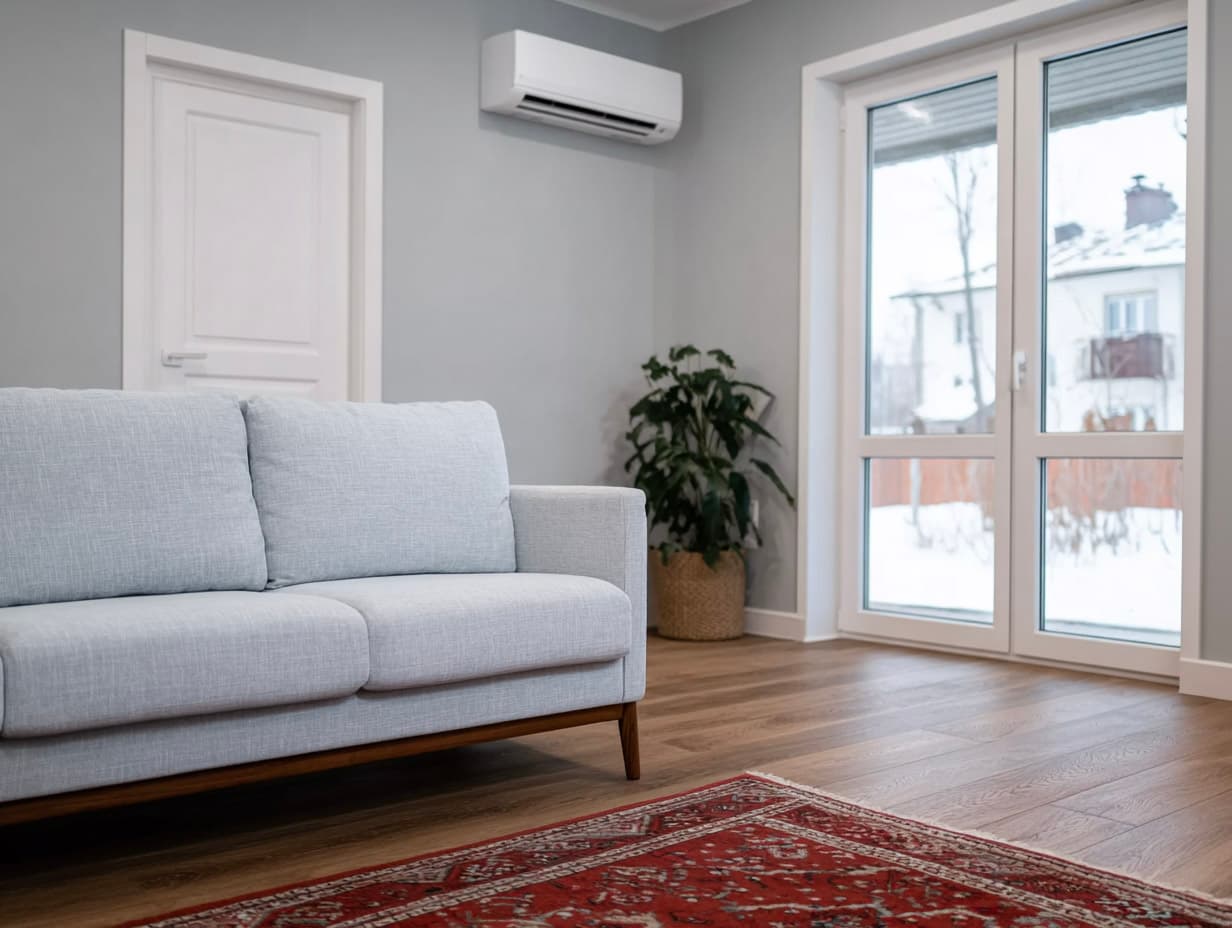
Picking a heat pump that works well in Canada’s climate is a smart choice for comfort all year, saving energy, and peace of mind. This guide is for homeowners who want easy-to-understand, model-by-model info about KeepRite heat pumps—including their features, specs, and efficiency ratings (like SEER2 for cooling and HSPF2 for heating)—so you can find the best model for your home.
Get Your Project Started Today
Submit your details and receive three free quotes from trusted contractors.
The Top 5 Models to Keep Your Eye On

Source: Climatisation LOL inc.
Model 1: Keeprite Ion™ 23 Variable-Speed Heat Pump (C5H3V)
If your priority is comfort and steady performance, a variable-speed unit is worth a close look. Variable-speed operation can help reduce temperature swings and improve humidity control in summer, because the system can run longer at lower output instead of cycling hard on/off.
This is typically where you’ll see “premium” comfort features (and often strong efficiency targets). If you’re aiming for ENERGY STAR® qualified performance, always confirm the exact matched system (outdoor + indoor components), because ratings can depend on the combination.
Model 2: Keeprite Performance 16 Heat Pump (N5H5S)
The Performance 16 tier is often a sweet spot for homeowners who want a meaningful efficiency upgrade without jumping to the highest-priced lineup. It’s commonly chosen for replacements (older central systems) and for homes where you want reliable heating/cooling performance with a simpler feature set.
If you’re considering future flexibility, some setups are marketed as dual-fuel capable (heat pump + compatible furnace + proper thermostat). That can be appealing if you want the option to optimize based on outdoor temperature and energy costs.
Model 3: Keeprite Performance 18 Two-Stage Heat Pump (N5H8T)
A two-stage heat pump can improve comfort by running at a lower stage more of the time, which tends to make indoor temperatures feel more stable. It can also help with humidity control compared to single-stage equipment, depending on the installation and airflow setup.
This is a strong option for homeowners who want a step up in comfort and efficiency, without going all the way to top-tier variable-speed pricing.
Model 4: Keeprite Performance Compact Crossover Heat Pump (D5CURA)
If space is tight (narrow side yards, small lots, limited clearance), the compact crossover style can be a practical solution. The main selling point here is the compact design, which can make placement and installation easier in constrained layouts.
This category is especially relevant when your biggest constraints are footprint and installation practicality, but you still want modern efficiency ratings.
Model 5: Keeprite Quietcomfort® Ductless Heat Pump (DLCSRB)
For homes without ductwork—or for targeted heating/cooling in specific areas—a ductless mini-split can be an excellent fit. Ductless systems are popular when you want to improve comfort in one zone (like a hot upper floor, a finished basement, or a home office) without renovating ducts.
Look for features like variable-speed operation, intelligent defrost control, and strong efficiency targets (SEER2/HSPF2). For Quebec and much of Canada, also pay close attention to cold-climate performance and the manufacturer’s stated operating range in heating mode.
Summary Table
Heat pump model (KeepRite) | Efficiency (SEER2 / HSPF2) | Cold-weather notes | Sound level | Durability & warranty | Price |
C5H3V (Ion 23 variable-speed) | Up to 23 SEER2 / 12 HSPF2 (system-dependent) | Heating operation published down to -25°C (-13°F) | As low as 55 dB | KeepRite lists 10-year parts (registration terms apply) | $$–$$$ |
N5H5S (Performance 16) | Up to 16 SEER2 / 7.8 HSPF2 | Best verified by matched system + sizing | As low as 70 dB | 10-year parts with timely registration (otherwise shorter) | $$ |
N5H8T (Performance 18 two-stage) | Up to 18 SEER2 / 8.5 HSPF2 | Two-stage helps comfort stability | As low as 69 dB | 10-year parts with registration terms | $$–$$$ |
D5CURA (Performance Compact Crossover) | Up to 18.8 SEER2 / 9.7 HSPF2 | Heating operating range published to -30°C | As low as 55 dB | 10-year parts with registration terms | $$ |
DLCSRB (QuietComfort ductless) | Up to 26.4 SEER2 / 12.4 HSPF2 | Heating operating range down to -30°C for certain sizes/voltages | As low as 54 dB(A) | 10-year parts with registration terms | $$–$$$ |
FAQ
What do SEER2 and HSPF2 mean?
SEER2 is a seasonal efficiency rating for cooling, and HSPF2 is a seasonal efficiency rating for heating. In general, higher numbers mean better efficiency—but real-world performance still depends on proper sizing and installation.
What does ENERGY STAR® qualified mean for homeowners?
It’s a useful baseline for efficiency, but it’s not the only factor. Make sure you’re comparing the correct matched system and that your installer confirms the rated combination.
Is dual-fuel capability worth it in Québec?
It can be, especially if you already have (or plan to add) a compatible furnace and thermostat. Dual-fuel setups can help you switch intelligently between heat pump and furnace depending on outdoor temperature and operating cost.
Central vs. ductless: which should I choose?
Central heat pump: best if you already have ductwork and want whole-home distribution.
Ductless mini-split: best if you don’t have ducts or you want zone-based comfort without major renovations.
What should I check before buying?
Proper sizing (heat loss/heat gain calculation)
Efficiency ratings (SEER2/HSPF2) for the matched system
Cold-climate operating range
Sound levels (indoor and outdoor)
Warranty details and registration requirements
Installer qualifications and after-sales support (e.g., technical support/training)
What are the main advantages of choosing a Keeprite heat pump over competitors?
Keeprite heat pumps offer reliable performance, advanced comfort features, and long-term durability. Many models are quiet, energy-efficient, and have variable-speed compressors for better temperature and humidity control. Robust construction and strong warranties add to their appeal. Compact and ductless options suit homes with limited space. Overall, Keeprite is a smart choice for comfort and efficiency.
Looking for something else?
Related articles
The latest industry news, interviews, technologies, and resources.

Amanda Harvey
•08 Nov 2023
Thinking of building an interior staircase to replace the one you currently have? If this is the case, it’s imperative that you know which standards to observe to respect building codes, especially those put in place for the sake of safety and comfort. But what exactly are they?
Editorial Team
•02 Mar 2026
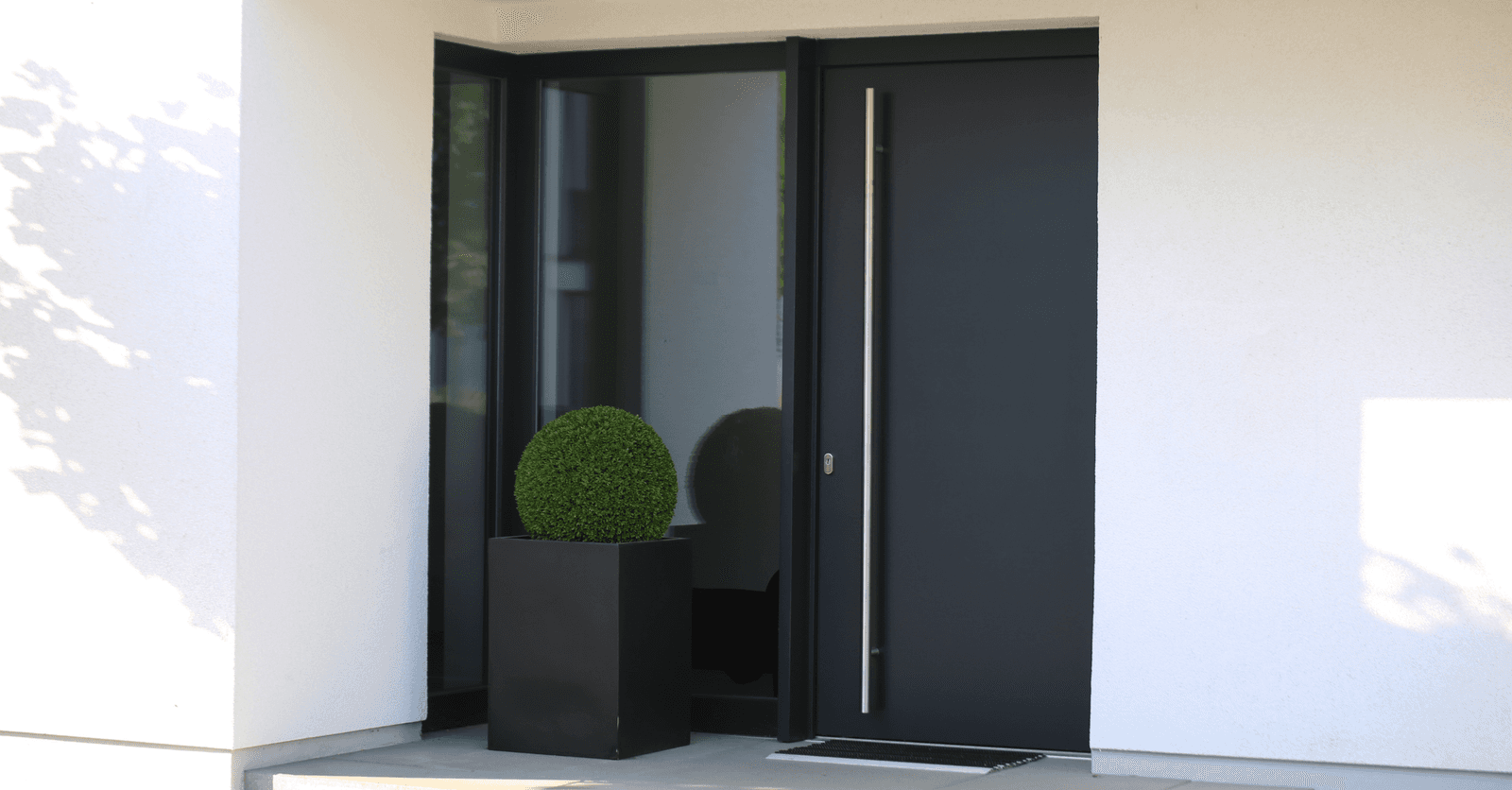
When choosing a front door, one usually considers five essential factors: security, insulation, aesthetics, maintenance, and budget. However, there’s another factor that often takes precedence — lighting. And for that reason alone, more and more homeowners thinking of installing windows and doors Toronto and other parts of Canada are opting for glass-panelled front doors.
Editorial Team
•07 May 2026
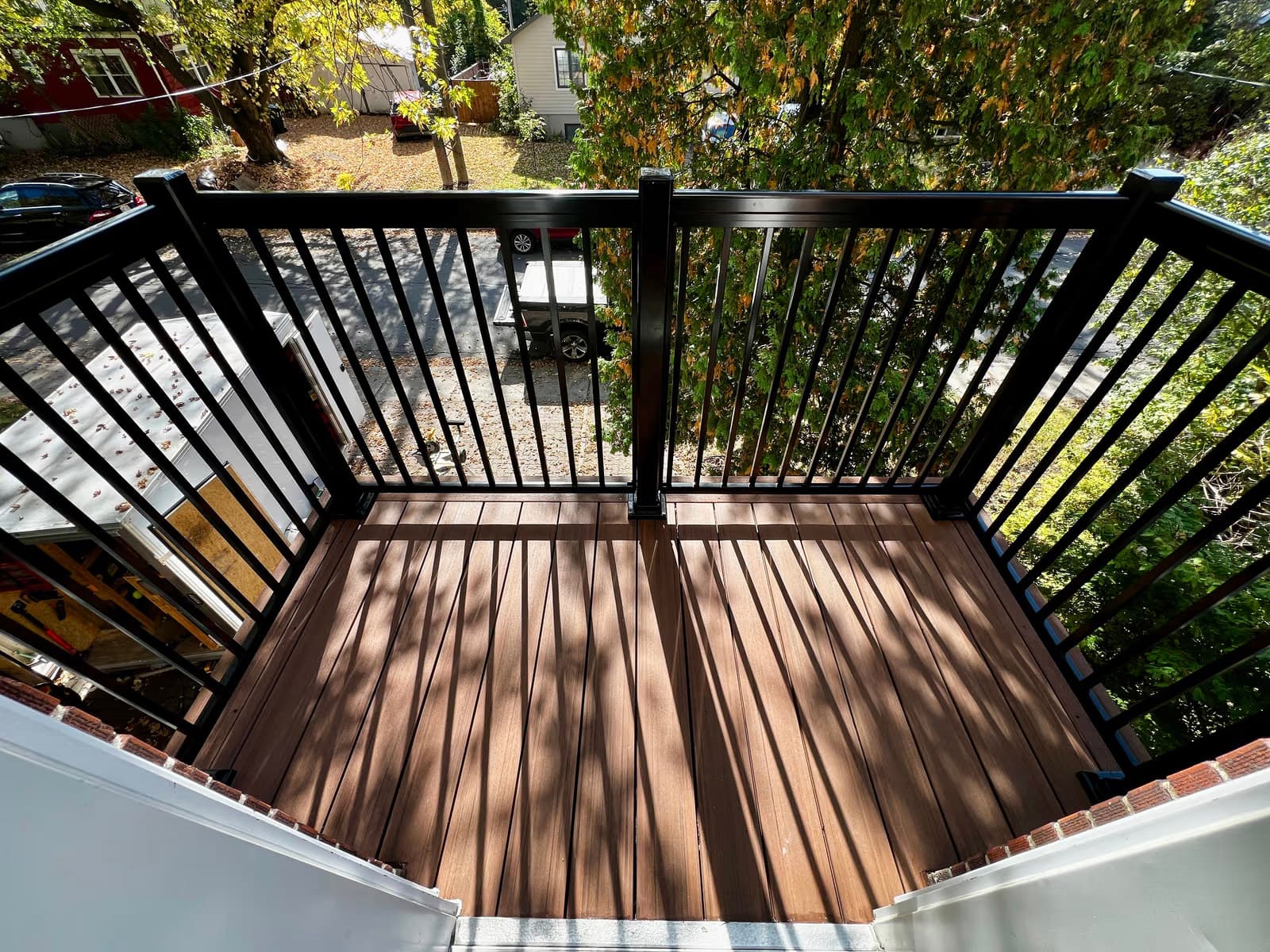
A fibreglass balcony is a popular choice in Canada because it can resist moisture, weather exposure, and freeze-thaw conditions. Over time, however, the surface may lose its shine, crack, fade, or show signs of wear. In many cases, a small repair or resurfacing job can extend the life of the balcony without replacing the entire structure.

Editorial Team
•12 Mar 2026
The job of a construction project manager is an essential role in the construction industry. Responsible for managing and delivering construction projects, the project manager plays a crucial part in planning, coordinating teams, and achieving the goals that have been set. Maintaining organized workflows and following up with clients in a timely manner also helps ensure projects move forward smoothly, particularly as companies prepare for increased activity during the busy summer construction season.

Editorial Team
•08 Nov 2023
Even with a cozy heating temperature, maintaining warm feet during chilly winter days can be challenging. For those of us who shiver as soon as winter veers its ugly nose, and long for warm summer days, there’s a way to spare the discomfort of frozen toes: getting a floor heating system installed.