Landscaping Maintenance: How to Prepare for the Summer Season
By Editorial Team
Updated on March 9, 2026
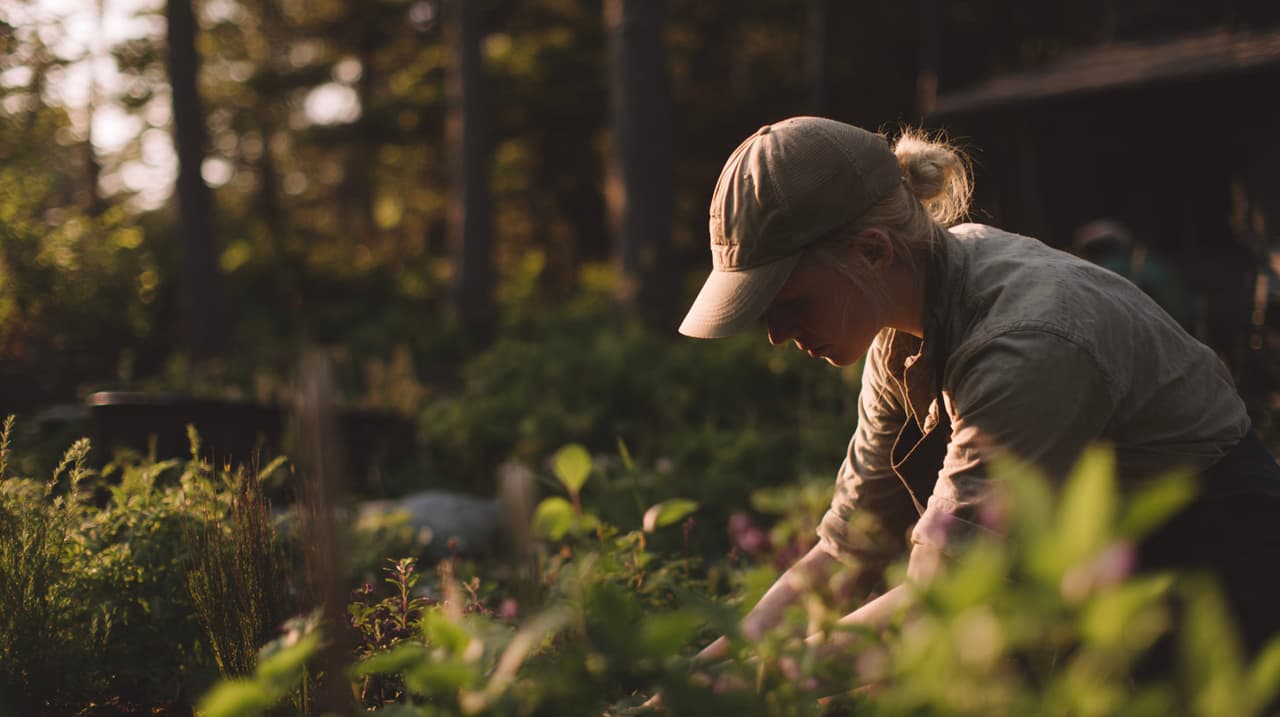
When the snow disappears and the soil wakes up, it’s the ideal time to get your yard back in shape without wearing yourself out. This landscaping maintenance guide helps you plan the right steps, choose the right techniques, and avoid unpleasant surprises, while keeping an eye on summer project preparation. If you have a team or clients, it also supports operational optimization and timely follow-up as summer demand ramps up.
Get Your Project Started Today
Submit your details and receive three free quotes from trusted contractors.
Game Plan for Getting Your Yard Ready for Summer

Source: Peinture Veillette
This guide follows a simple logic. Diagnose, plan, complete the seasonal tasks, then set up an easy routine you can stick to, whether you do everything yourself or use a maintenance program.
1) Identify Your Needs (Before You Pull Out the Tools)
Start with a full walk-through of your outdoor living space. The goal is to determine your maintenance level and prioritize what will make the biggest difference.
For the lawn, look for yellowing areas, bare patches, compacted soil, and drainage issues.
For garden beds, check for broken stems, collapsed perennials, missing mulch, and weeds that are already active.
For trees and shrubs, look for damaged branches, rubbing, tears, and signs of stress after strong winds, ice storms, or the weight of snow.
For landscaping, note paths, edging, and areas to improve with realistic projects before peak season.
Write everything down in a list, even if you only spend 15 minutes on it. You’ll know what to do yourself and what to delegate to a landscaping maintenance expert if needed.
2) Plan a Maintenance Program (Simple, Realistic, Repeatable)
A good landscaping maintenance program prevents “panic mode” tasks in June. Aim for a three-level plan.
Yard opening over one to two weekends.
Health reset over four to six weeks.
Summer routine weekly or every ten days.
If you manage a team or a client list, set up your routes and time slots now. Summer demand rises quickly, and fast follow-up through calls, emails, or estimates often makes the difference.
3) Key Seasonal Tasks (Spring to the Start of Summer)
Yard Opening
Remove winter protection once hard frosts have passed.
Do a light cleanup of leaves, debris, and branches without “scalping” the soil.
Inspect fragile areas, including edging, garden beds, and young plants.
Pruning and Shaping
Remove damaged branches and deadwood.
Prune shrubs and hedges while encouraging an airy shape, which improves health and reduces disease.
Prune fruit trees if applicable, at the right time depending on the species.
Prune clematis based on their group, depending on whether they bloom on this year’s growth or last year’s wood.
Soil and Fertilizing
Add compost to garden beds.
Add soil if settling or grading is needed.
Fertilize without doing everything at once. Light and steady is better.
4) Targeted Care for Lawns and Plants (The Basics That Deliver the Biggest Results)
Lawn Care
To repair a damaged lawn, rake lightly, level, seed, and keep it moist.
For topdressing, apply a thin layer of soil and compost to improve soil structure.
When you mow, keep the grass higher. It’s more resilient and helps limit weeds.
For weed control, start early, especially in thin areas.
If your lawn’s health depends on constant watering, the issue is often the soil, such as compaction or low organic matter, rather than “not enough water.”
Garden Beds and Plants
Remove damaged parts and watch for plants damaged by winter.
Add organic mulch, or add more mulch, to stabilize moisture and limit weeds.
For plant health, prioritize living soil, deep watering, and mulch.
Controlling horsetail takes consistency. Improve drainage, keep the soil covered, and build strong plant competition. The earlier you act, the easier it is to manage.
5) Using Horticultural Products and Techniques (What to Use, When, and Why)
Horticultural oil is useful against certain insects, and sometimes their eggs and larvae, on trees and shrubs. It’s mainly used during dormancy or at recommended stages.
Ramial chipped wood, or RCW, can enrich soil and feed microbial life. Apply it correctly to avoid a short-term nitrogen tie-up near the surface.
Organic mulch improves water retention, protects roots, and reduces temperature swings.
Fruit tree treatments should be planned based on disease risks and the time of year. Prevention beats correction.
Avoid stacking products out of habit. Choose one technique, watch the result, then adjust.
6) Budget Management and Avoiding Surprises
Even in “I do everything myself” mode, a budget protects your summer.
Set an overall budget and keep a 10 to 15 percent buffer for surprises.
If you hire landscaping companies, ask what’s included, such as frequency, limits, and conditions, and what counts as an extra.
If you manage clients, standardize your offers with packages and à la carte options, then follow up early. Delays cost more than planning ahead.
7) Choosing an Expert or a Landscaping Maintenance Program
DIY landscaping maintenance empowers homeowners to keep their yards attractive and healthy without hiring professionals. By regularly inspecting your outdoor space, planning simple maintenance routines, and tackling key seasonal tasks—like pruning, mulching, and lawn care—you can address issues early and prevent costly problems. With just basic tools, a realistic plan, and a bit of effort, it’s possible to maintain vibrant garden beds, robust lawns, and tidy landscapes throughout the year. This hands-on approach saves money, builds confidence, and ensures your yard is ready for summer enjoyment. While you can do a lot yourself, sometimes a pro speeds everything up.
When to Choose a Landscaping Maintenance Expert
When issues keep coming back, such as a lawn that declines, drainage trouble, or disease.
When the pruning and cleanup workload is heavy.
When you want a long-term solution instead of a quick fix.
Selection Criteria
Confirm the required expertise, including lawns, horticulture, pruning, and diagnosis.
Make sure service offerings are clear, including what’s included, excluded, and how often.
Ask about flexibility between packages and à la carte services.
Review reputation, consistency, and credible feedback.
Confirm you can reach a staff member for questions and follow-up.
Evaluate their landscaping vision and how it fits your seasonal priorities.
Even if you do most of the work yourself, a one-time assessment can prevent expensive mistakes.
Express Checklist to Be Ready for Summer in 7 Days
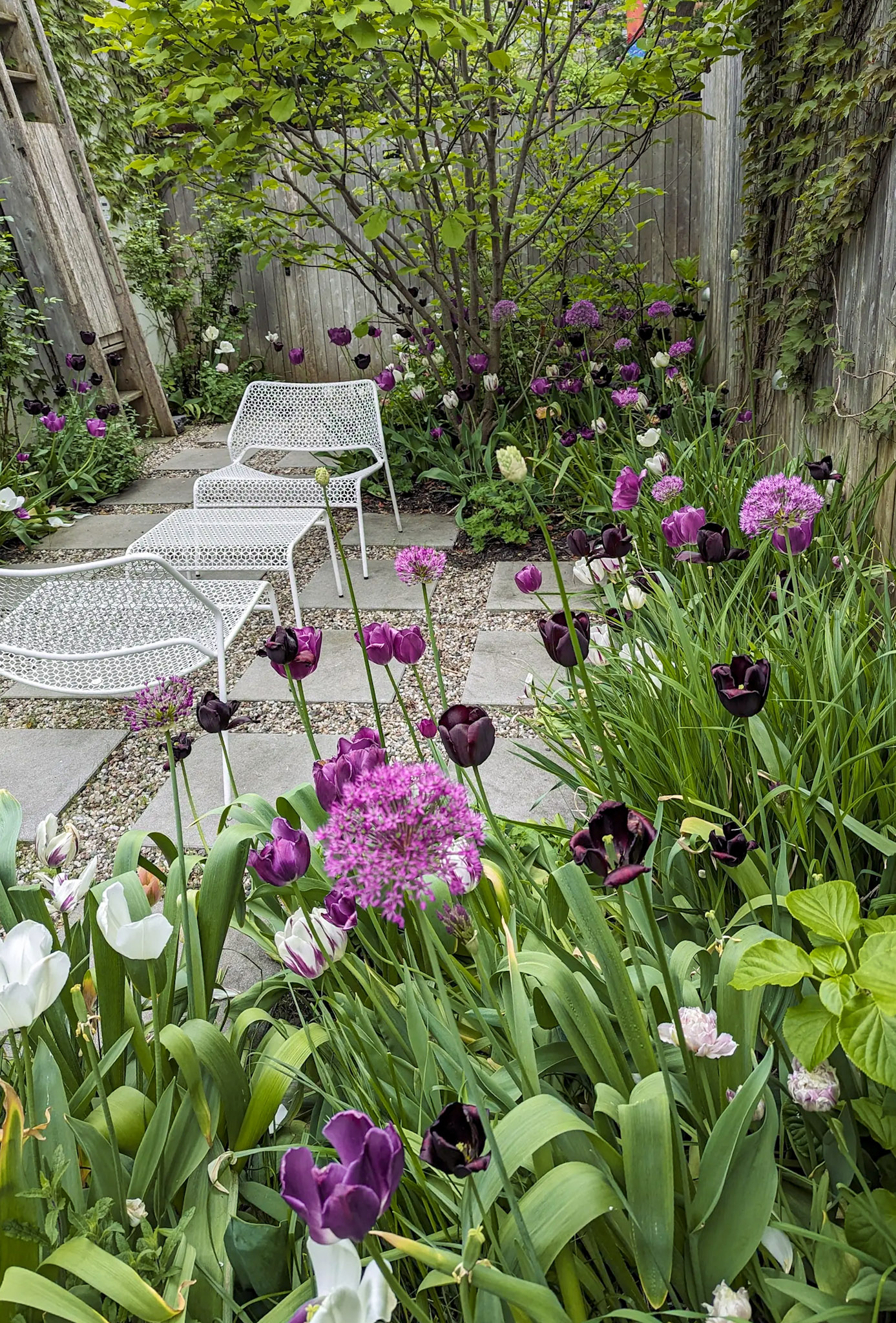
Source: Vert Geai inc.
Day 1: inspection, priority list, and budget
Day 2: yard opening and removing winter protection
Day 3: pruning, damaged branches, shrubs, and hedges
Day 4: compost, topdressing, and mulch
Day 5: repairing lawn areas and seeding
Day 6: early weed control
Day 7: routine plan with mowing, watering, and follow-up
If you have a team, block off yard-opening time slots now, prep the equipment, and follow up with clients. Summer rewards the people who are ready before the rush.
Looking for something else?
Related articles
The latest industry news, interviews, technologies, and resources.

Cynthia Pigeon
•23 Jul 2025
It goes without saying that asphalt is usually the first material that comes to mind when considering a new driveway. However, there are other options on the market that are just as durable and aesthetically pleasing.

Cynthia Pigeon
•19 May 2026
In Canada, the cost of interlocking paver installation generally ranges from $150 to $350 per square metre, or about $15 to $35 per square foot. In Quebec, prices often fall within the same range, especially for turnkey residential projects that include excavation, granular base preparation, paver installation, and labour.

Cynthia Pigeon
•08 Nov 2023
Marble has been praised for years, and not solely for its sleek beauty and stylish appearance. This type of flooring is, bar none, favoured by most.
Editorial Team
•25 Jun 2026
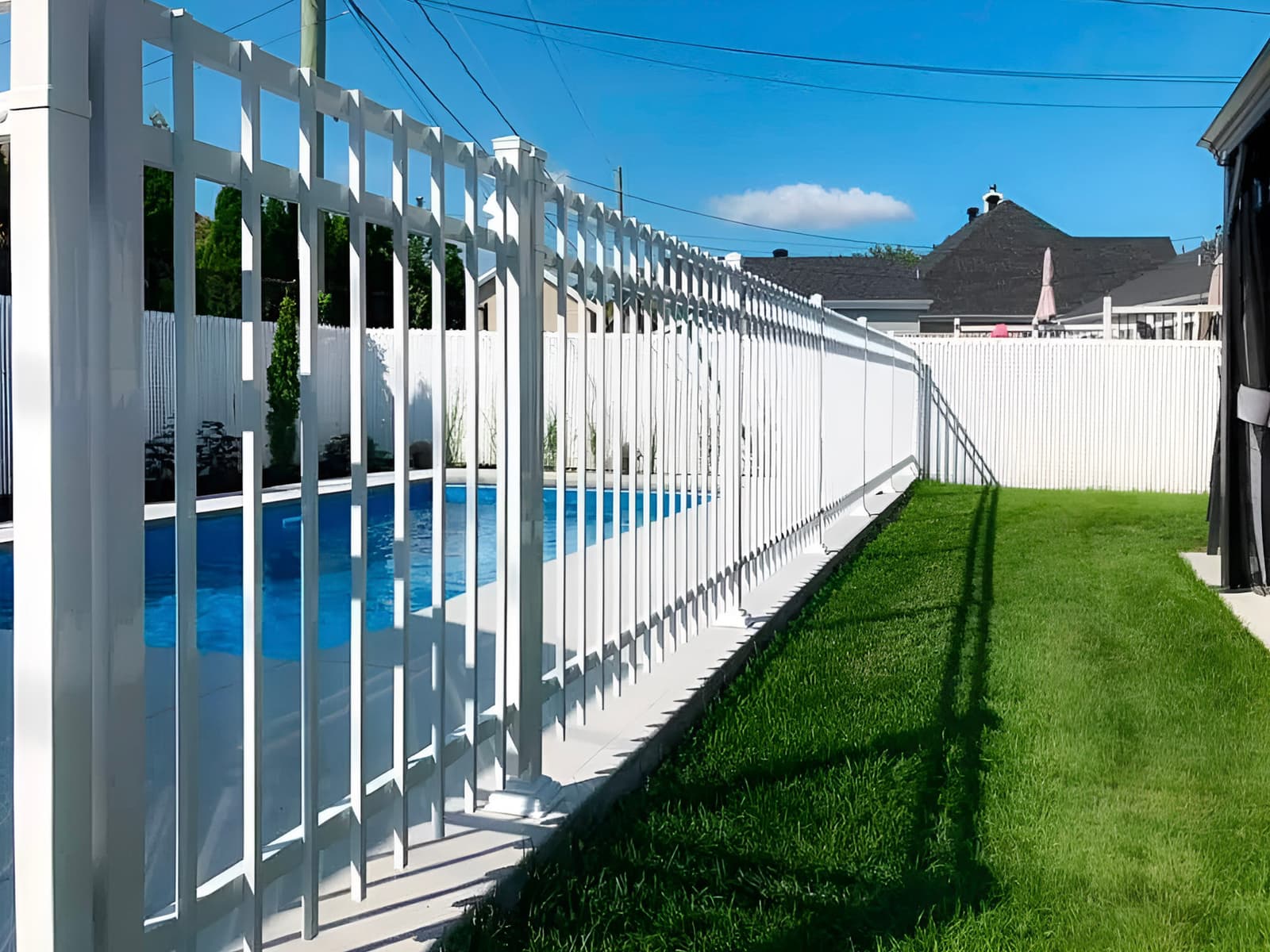
A pool fence is one of the most important safety features for a residential swimming pool. It helps limit access to the pool area, reduces the risk of accidents involving children or pets, and may be required by your province, city, or municipality.
Cynthia Pigeon
•03 Nov 2025
Time is rarely in your favour when it comes to sanitation facilities, and it is to be expected that your bathtub will start to look dull, the stains harder to remove and the scratches more apparent.