LG Heat Pumps: The 5 Best Models For Your Home
By Équipe éditoriale
Updated on March 3, 2026
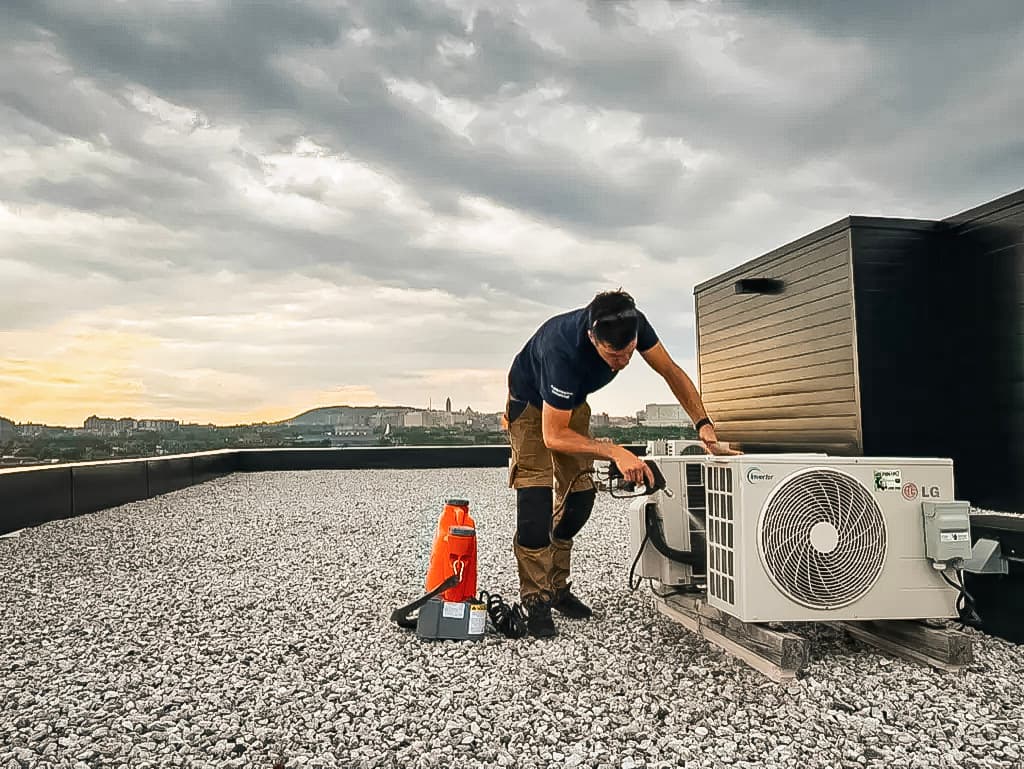
Shopping for a heat pump is less about picking “one model” and more about choosing the right system type for your building: a duct-free mini-split for one space, a multi-zone setup for multiple rooms, a concealed ducted unit for a cleaner look, or an air-to-water system for hydronic heating.
This guide is for homeowners (and light commercial buyers) who want to browse LG’s main heat pump families, understand key specs/features in plain English, and feel confident requesting quotes for the right configuration.
Get Your Project Started Today
Submit your details and receive three free quotes from trusted contractors.
The Best Models to Choose From
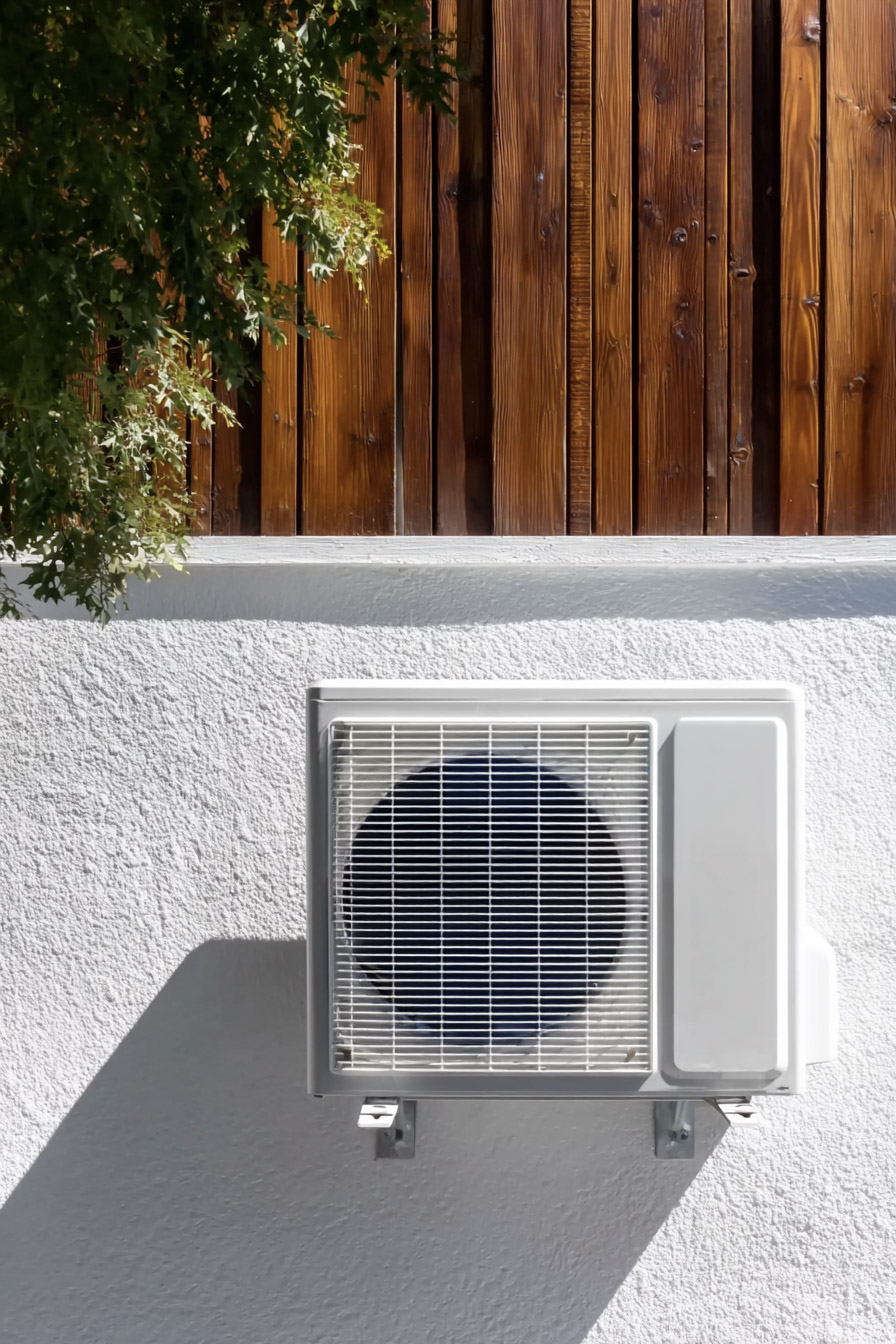
Source: Reno Quotes
Model 1: LG DUALCOOL® PRESTIGE LAN120HYV3
LG’s DUALCOOL® PRESTIGE line is a top pick for Canadians who want a high-efficiency single-zone wall-mounted heat pump with strong cold-climate credibility. This model is positioned for year-round comfort, and LG markets it with hyper-heating operation down to -25°C on the Canadian product page.
On the same spec sheet page, the LAN120HYV3 shows SEER2 25.50 and HSPF2 (VI) 11.20, plus a low indoor sound profile that reaches 22 dB(A) on the quietest fan setting (sound varies by fan speed). It also highlights the 10-year parts and compressor warranty (registration required).
Why it made the cut: It’s the best “all-around” LG ductless option here for Canada because it combines very strong efficiency metrics (SEER2/HSPF2) with an explicitly stated cold-weather operating claim.
Model 2: LG ARTCOOL Mirror / DUALCOOL KUSAB121A
ARTCOOL Mirror is LG’s go-to choice for homeowners who care about design and indoor aesthetics (mirror-glass look) without giving up modern heat pump performance. The matching LG condenser page for the Mirror/DUALCOOL pairing is positioned for Canadian conditions with labels like “Extreme weather” and “Cold Climate ENERGY STAR.”
For the KUSAB121A example, LG lists SEER2 22.5 and HSPF2 10.5 right on the product page. It’s a solid efficiency tier for a “style-forward” pick, and it stays within the same general LG ductless ecosystem for controls and service.
Why it made the cut: It covers the very real segment of buyers who want a unit that doesn’t look like typical HVAC, while still staying in a Cold-Climate ENERGY STAR lane and delivering competitive efficiency.
Model 3: LG DUALCOOL® Dual Inverter LSN180HSV5
This is the “mainstream” LG ductless option for homeowners who want a strong balance of comfort, features, and value. LG positions DUALCOOL as ENERGY STAR–rated and built around its Dual Inverter compressor approach.
On the Canadian product page for the LSN180HSV5 example, LG lists SEER2 22.00 and HSPF2 (VI) 9.50. Noise varies by fan speed, with sound power values shown on the specs section of the page. Warranty messaging on LG Canada product pages also repeatedly points to 10-year parts and compressor warranty with registration.
Why it made the cut: It’s the most practical “default” LG ductless pick—good efficiency numbers, widely comparable to other mainstream ductless systems, and typically easier to justify on budget than the top-tier cold-climate lines.
Model 4: LG Multi F Max with LGRED° LMU360HHV
If you want one outdoor unit serving multiple indoor zones, LG’s Multi F Max with LGRED° is the model family Canadian consumers should know. LG describes it as a multi-zone solution for larger-scale needs / whole-home, with setups covering up to six rooms (depending on configuration).
For Canadian cold-climate context, NB Power’s “Cold Climate Multizone Heat Pumps” list includes LG Multi-zone entries (including LMU360HHV) with published SEER and HSPF (Region 4/5) values and a -25°C minimum operating temperature in the table. Separately, a submittal/spec sheet for LMU360HHV shows sound pressure values and other technical details for the outdoor unit.
Why it made the cut: It’s the clearest LG option for homeowners whose real need isn’t “one room,” but multi-room zoning (comfort + control) without going full ducted—exactly the scenario many Canadian households run into.
Model 5: LG THERMA V (R32 Air-to-Water Heat Pump Monobloc)
Most homeowners only hear about ductless or ducted heat pumps—but LG THERMA V is a different category: air-to-water (hydronic). It’s designed for homes using (or converting to) hydronic heating applications like radiant floors and domestic hot water integration.
LG Canada’s Monobloc page notes stable heating operation down to -15°C. In LG Electronics Canada’s release for the Canadian market, the R32 Air-to-Water Monobloc is described with leaving water temperature ranges (cooling 5–27°C, heating 15–65°C), maintaining 100% heating capacity down to -15°C (at 55°C leaving water), and noise-reduction engineering with audio levels as low as 49 dB at 1 m.
Why it made the cut: It’s the one LG model here that expands the conversation beyond ductless—THERMA V is relevant for Canadians considering electrifying a boiler-like hydronic setup rather than installing wall heads.
Summary table
Heat pump model (include brand) | Energy efficiency | Cold-weather performance | Noise level | Durability / warranty | Typical price (CAD, installed) |
LG DUALCOOL® PRESTIGE (LAN120HYV3) | SEER2 25.5 / HSPF2 11.2 | Hyper-heating to -25°C (as shown on product page) | Quiet indoor operation (varies by fan speed) | 10-year parts & compressor (registration required) | Often $7,500–$10,000+ for extreme cold models |
LG ARTCOOL Mirror / DUALCOOL (KUSAB121A) | SEER2 22.5 / HSPF2 10.5 | “Cold Climate ENERGY STAR” positioning (exact low-temp depends on pairing) | Varies by configuration | Confirm by model/registration | Often $6,500–$10,000 |
LG DUALCOOL® Dual Inverter (LSN180HSV5) | SEER2 22.0 / HSPF2 9.5 | Good all-season performance (verify low-temp by exact model) | Varies by fan speed | 10-year parts & compressor (registration required) | Often $6,500–$10,000 |
LG Multi F Max with LGRED° (LMU360HHV) | Published SEER/HSPF values available via Canadian utility lists (varies by combo) | Utility list includes -25°C minimum operating temperature | Outdoor unit sound pressure published on submittals | Warranty messaging varies—confirm with dealer | Often $10,000–$15,000+ (multi-zone installs) |
LG THERMA V (R32 Air-to-Water Monobloc) | Not rated with SEER/HSPF (uses hydronic metrics) | Maintains 100% heating capacity down to -15°C (at 55°C LWT) | As low as 49 dB at 1 m (per LG Canada release) | Confirm by dealer/program | Quote-based (varies widely by hydronic scope) |
Cost Savings & Energy Efficiency: How an LG Heat Pump Actually Saves You Money

Source: Reno Quotes
A heat pump saves energy because it moves heat instead of creating it the way electric baseboards or a traditional furnace does. In real life, your savings usually come from three things: how efficiently the system runs at part-load, how well it’s sized for your home, and how often you’re heating/cooling more space than you need.
This is where inverter-driven operation matters. LG positions its variable-speed approach as a way to match output to demand more smoothly—often improving comfort while reducing the waste that comes from constant hard on/off cycling.
When you compare systems, don’t rely on one headline number—confirm the matched-system ratings. AHRI notes the easiest way to locate a matched certified system is by using its Certified Reference Number, which helps you verify that the indoor/outdoor pairing you’re being quoted is actually certified at the claimed ratings.
Key Features & Technologies to Look For (Without the Jargon)
A simple way to stay focused while browsing is to separate performance features (they affect comfort and bills) from convenience features (they make the system easier to live with).
Performance-wise, the biggest differentiator is usually inverter/variable-speed compressor operation. On LG’s Canadian heating & cooling pages, LG ties low-noise operation and efficiency messaging to its inverter compressor approach. Convenience features—like app control through ThinQ—can be genuinely useful if you’ll use them (monitoring a cottage, adjusting comfort before you get home, or managing schedules).
Installation & Maintenance: What Matters Most (and What to Ask Before You Sign)
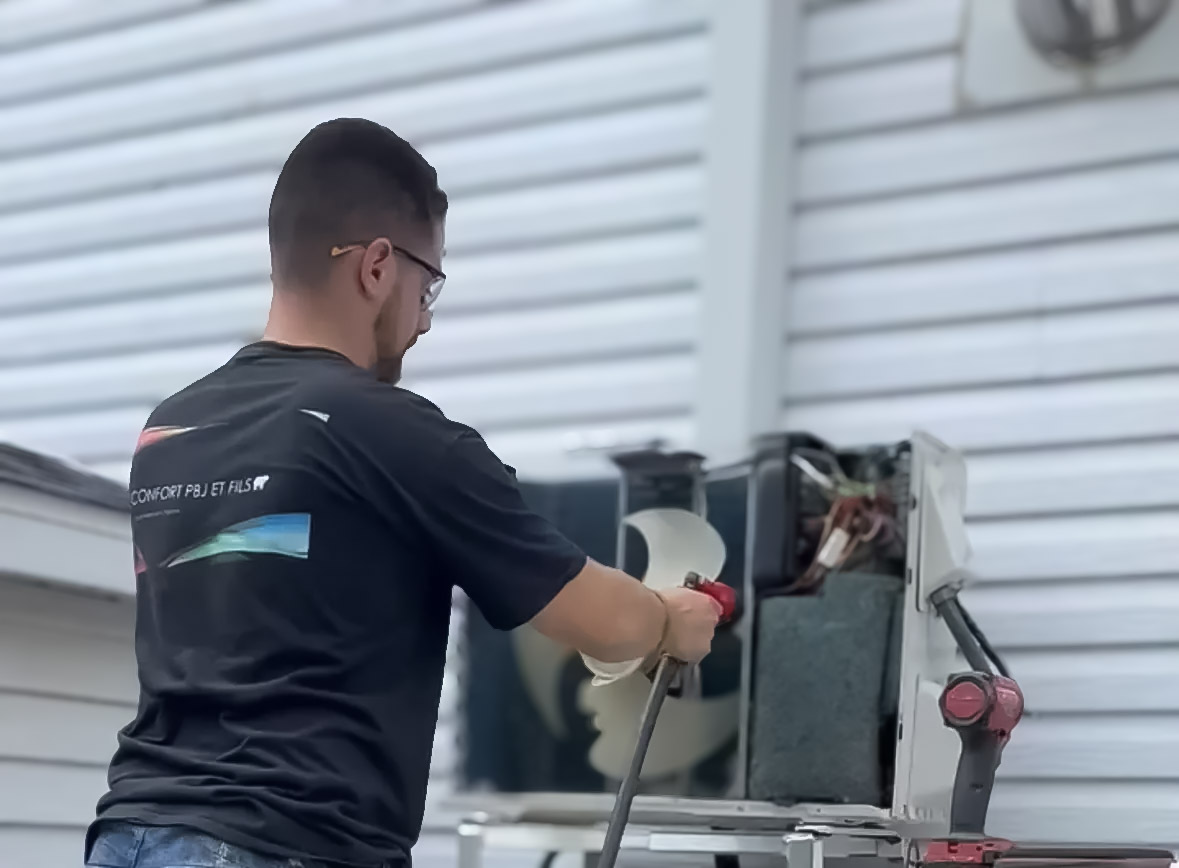
Source: Confort PBJ et fils
For most homeowners, “a good heat pump” comes down to something unglamorous: design and installation quality. The same LG unit can feel amazing—or disappointing—depending on sizing, airflow, and how carefully it’s commissioned.
If you’re getting quotes on mini-splits or multi-zone systems, ask the contractor to explain where the indoor units will go and why. Poor placement can create hot/cold pockets, drafts, or short-cycling. For ducted options, ask how they’re handling static pressure, return air, filtration access, and whether the proposal includes an A-coil/air handler setup.
Multi-zone deserves extra attention. LG describes Multi F / Multi F MAX as supporting multiple zones (up to 4 / up to 8), but the comfort you get depends on design details like zone mix, piping routing, and how the system behaves when many rooms call at once.
Maintenance should also be explained in homeowner terms: filters must be accessible and easy to clean, outdoor units need clearance and seasonal cleaning, and condensate needs a reliable drainage plan (sometimes requiring a pump depending on layout).
Official Technical Support & Documentation: Where to Get Manuals, Specs, and Engineering Help
If you want this guide to be actionable, the most important habit is this: treat documentation and support access as part of the product you’re buying. It’s what lets you verify ratings, compare quotes fairly, install correctly, and troubleshoot quickly years later.
1. Homeowners: The Official Starting Point for Manuals and Troubleshooting
For most homeowners in Canada, the easiest “official” entry point is LG Canada Support. LG’s Manuals & Software area is designed to help you find product manuals and downloads (typically by searching your model number). LG’s support hub also routes you to product support, repair services, and other help options.
A practical workflow:
Find the model number on your indoor unit (and outdoor unit if applicable) or on your invoice.
Use LG’s Manuals/Support search to pull the correct owner documentation and any available downloads tied to that model.
This matters because “LG heat pump” isn’t one product. Documentation is tied to specific models—and the exact indoor/outdoor combination is what determines certified performance and compatible accessories.
2. What Documents You (and Your Contractor) Should Expect to Find
Depending on the system type, LG documentation commonly falls into these buckets:
Owner/User manuals (basic operation, cleaning, error-code basics)
Installation manuals (clearances, piping/wiring requirements, commissioning steps)
Service manuals / troubleshooting guides (diagnostics, test procedures—typically for trained pros)
Submittals/spec sheets (dimensions, electrical data, performance tables)
Engineering documentation for system design (especially relevant for multi-zone, ducted, and air-to-water projects)
Catalogues/leaflets/technical data (higher-level product overviews and comparison materials)
Even if you never read an engineering manual cover-to-cover, knowing what exists helps you ask better questions and spot quote gaps early.
3. LG Resource-Download Portals: Where “Professional-Grade” Documents Live
For more technical documentation (catalogues, manuals, technical data, and tools/software), LG also maintains business-oriented resource download portals. For example, LG Global Business shows an HVAC resource area with sections like Catalogue, Manual, Technical Data, Tools and Software, and Video Guide, with region/country filtering.
LG’s HVAC business pages can also surface downloadable catalogues—such as listings that include “2025 LG Air Conditioner Catalogue.pdf” and “2025 LG THERMA V Catalogue.pdf” within its catalogue/download tables (availability varies by region).
4. Engineering Assistance: When to Involve IT (and Why It’s Worth It)
“Engineering support” isn’t only for skyscrapers. It becomes valuable when your project has design complexity—meaning comfort and reliability depend on correct system selection and layout decisions, not just the box you buy.
You (or your installer) should consider engineering/technical assistance when you’re dealing with:
Multi-zone designs with many indoor units (or mixed indoor unit styles)
Long or complicated piping runs (routing constraints, elevation changes, branch distribution layouts)
Concealed ducted systems where static pressure and airflow design can make or break performance
Air-to-water (THERMA V) projects integrating with radiant floors, fan coils, buffer tanks, or a condensing boiler
In these cases, engineering/technical teams (often accessed through LG’s business channels, local reps, or trained contractors) can help validate system selection, review constraints, and support troubleshooting when site conditions are unusual.
5. How to Reach LG Support for Complex Projects
For business/complex project inquiries in Canada, LG’s business contact pathways include a dedicated B2B support line listed on its Contact Us page. LG’s business HVAC pages also route users toward “engineering support” and related support options (product registration, product support, business contact, email).
If you’re using LG’s U.S.-focused HVAC professional resources, note that LG explicitly frames some technical information as meant for licensed HVAC professionals, and stresses that installation/service should be performed by qualified contractors.
6. Why Support + Documentation Should Influence Your Buying Decision
Two LG quotes can look similar but represent totally different outcomes if one contractor is quoting a well-documented, correctly matched system—and the other is vague on model numbers and commissioning. LG’s own HVAC resources stress using the appropriate engineering/installation/service manuals and refer to warranty terms, while noting the most current data is available on its website.
In short: documentation access isn’t “extra.” It’s how you protect comfort, performance, and long-term serviceability.
FAQ
Which LG heat pump line should I start with if I care most about winter heating?
Start by filtering for LGRED° configurations, then verify cold-weather performance and certified ratings for the exact matched system you’re being quoted.
Single-zone vs multi-zone: which is “better”?
Single-zone is often the best comfort-per-dollar for one key area. Multi-zone (Multi F/Multi F MAX) is better when you want room-by-room control; LG describes support up to 4 zones (Multi F) and up to 8 zones (Multi F MAX) depending on design.
How do I find the right manual for my LG unit?
Use LG Canada’s Manuals & Software support page and search by your exact model number.
When should I ask about engineering support?
If your design is multi-zone, mixed ducted/duct-free, involves long piping runs, or is air-to-water (THERMA V), engineering/technical assistance can help ensure the system is selected and installed correctly.
What should I expect for upkeep?
Regular filter cleaning, keeping the outdoor unit clear, and periodic professional servicing. For ducted, multi-zone, or air-to-water systems, good drainage planning and service access matter even more.
How much can I actually save on my energy bills by switching to an LG heat pump?
The exact savings depend on your home, climate, and the system you choose, but LG states that certain models—like the THERMA V—can reduce annual energy costs by up to 60% compared to traditional heating systems. This is possible because LG heat pumps use inverter-driven technology to move heat efficiently, often delivering several times more heating energy than the electricity they consume. For the best estimate, compare your current heating costs and ask your installer to calculate potential savings based on certified system ratings and your local energy prices.
Looking for something else?
Related articles
The latest industry news, interviews, technologies, and resources.
Editorial Team
•12 May 2026
Choosing a heat pump for a Canadian home is not just about cooling in summer. In many parts of the country, especially Quebec and other cold regions, homeowners also need a system that can provide reliable heat during winter. Panasonic offers several types of heat pumps in Canada, including ductless wall-mounted units, multi-zone systems, central ducted systems, and hybrid heating options.

Editorial Team
•22 May 2026
In 2020 the underlying inspiration is to create lush spaces by transforming traditional designs with a modern twist and by making use of textures and material choices. However, attempting to integrate all the design options is not advised. Rather, take stock of your space and take some time to determine which colours and finishes would complement the existing space.
Cynthia Pigeon
•22 May 2026
Whether you are finishing a basement, repairing the walls of an older duplex after insulation work, or completing a self-build project, drywall installation is an essential step in many renovation projects. In Quebec, the term “gypse” is commonly used to refer to what is more broadly called drywall, gypsum board or plasterboard elsewhere in Canada.

Editorial Team
•24 Jul 2025
Are you hoping to paint over your garage floor but unsure how to go about it? What type of paint should you buy? How should it be applied? What are the best products available on the market and their pricing? Rest assured, you’ve come to the right place! In the following section, discover all of our tips and tricks to successfully paint over your garage floor.

Editorial Team
•08 Nov 2023
While a laundry room is, first and foremost, a space designed for practical use, and its aesthetic aspect is often neglected, one shouldn’t overlook the overall appearance of the often-forgotten space to fine-tune it to the rest of the house. With this in mind, here are décor suggestions for your new laundry room.