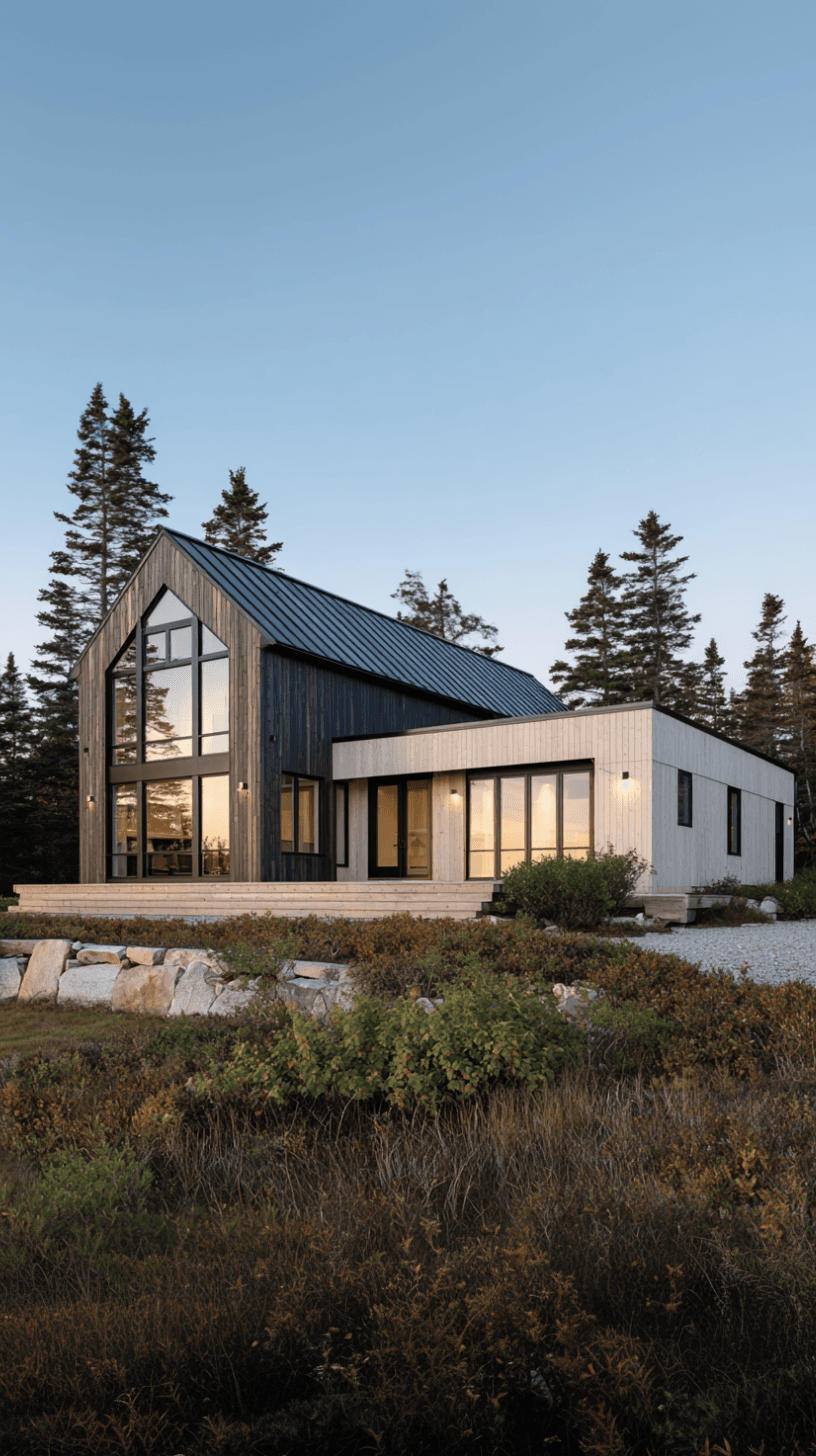
Roof renovation in Canada must prioritize resistance to freeze-thaw cycles, regional weather exposure, and proper snow load management where applicable. Asphalt shingles remain one of the most affordable options, while metal roofing offers durability of more than 50 years. To ensure watertightness and help prevent ice dam formation in colder regions, proper attic ventilation and installation by a qualified, properly licensed roofing contractor are essential for protecting your investment.
Get Your Project Started Today
Submit your details and receive three free quotes from trusted contractors.
Complete Guide to Roofing in Canada: Prices, Materials, and Advice
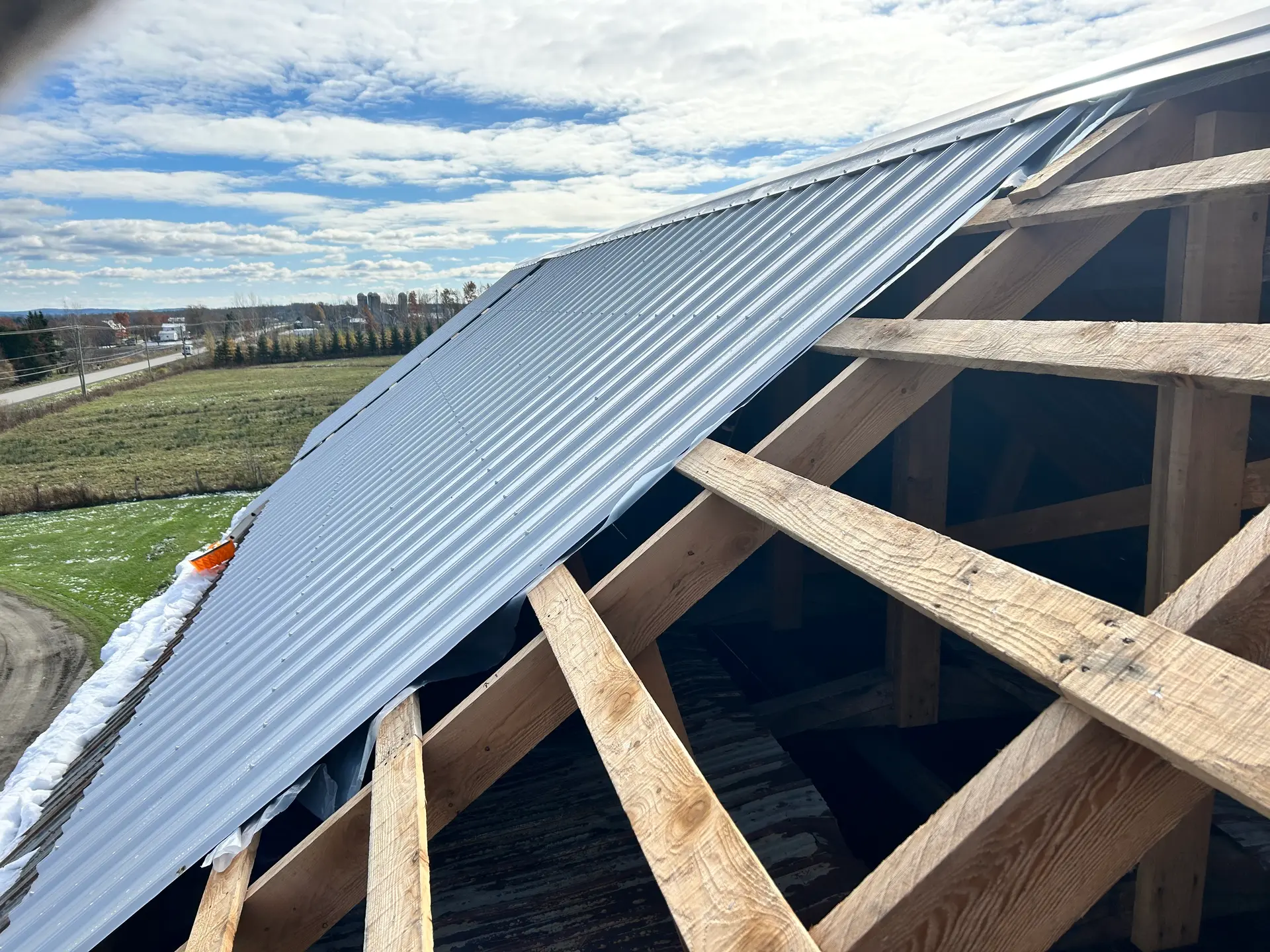
Source: Metal MG inc.
In Canada, a roof is much more than just a covering. It is a complex system that must breathe while remaining perfectly watertight under snow, rain, wind, and changing seasonal conditions. Whether you own a bungalow in the suburbs, a detached home in an up-and-coming neighbourhood, or a multi-unit property in the city, replacing your roof is a critical step in protecting the integrity of your building.
From the strong winds of Atlantic Canada and coastal regions to the snow loads of Quebec, Ontario, and the Prairies, roofing materials across the country are exposed to demanding conditions that can speed up wear and tear. This guide will help you navigate the process of choosing your next roofing material while meeting applicable building standards in your region.
The Best Roofing Materials for Canadian Winters and Weather Conditions
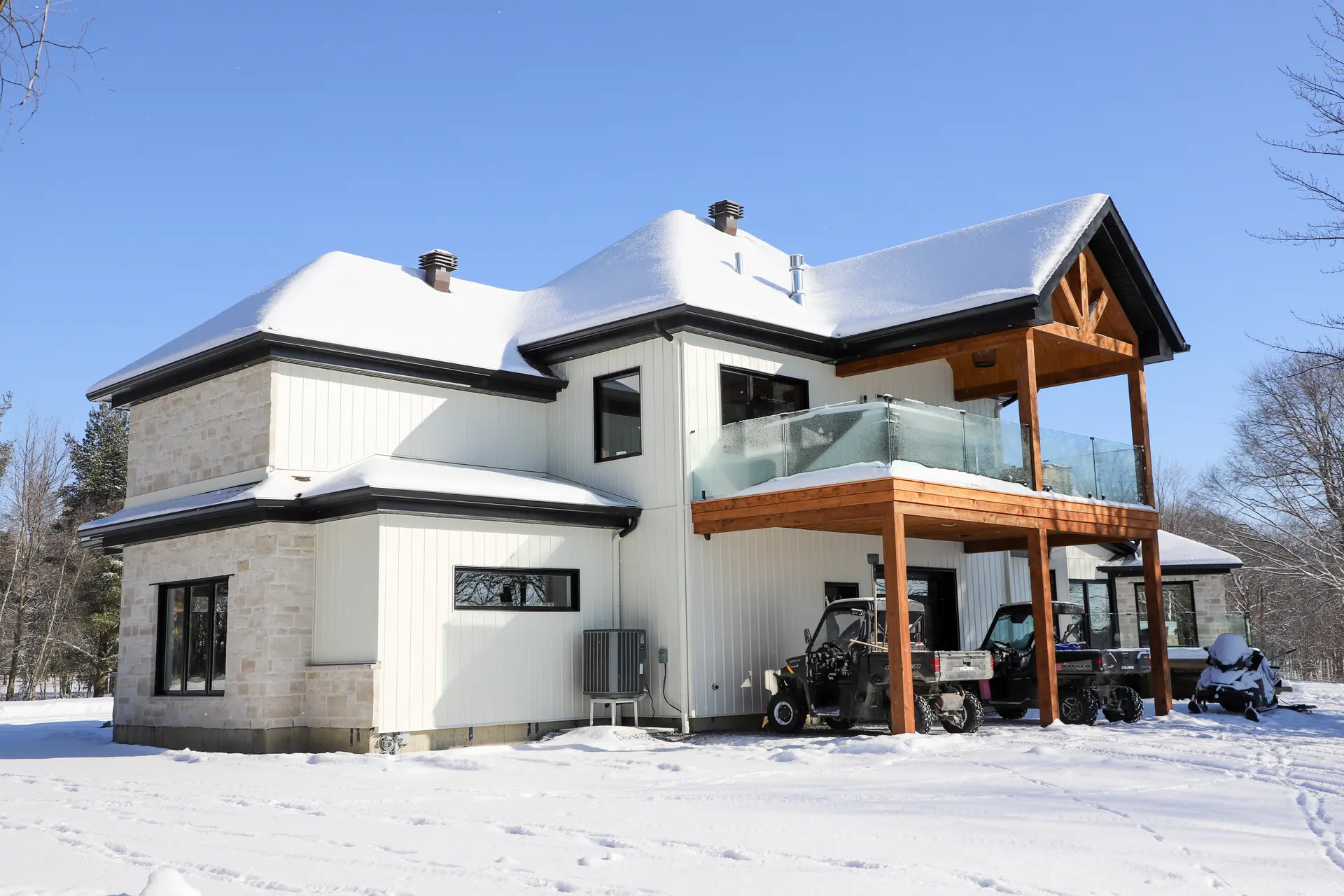
Source: Aluminium sauvé inc.
The choice of material depends on your roof slope, your budget, and the desired service life. Each option offers specific advantages depending on your climate and property type.
Asphalt Shingles: The Affordable Classic
Architectural asphalt shingles are the most common roofing material in many parts of Canada. Their popularity comes from their flexibility and lower upfront cost.
Wind resistance: Modern products are designed to withstand high winds, provided the nailing is done according to the manufacturer’s specifications.
Warranties: Most manufacturers offer limited “lifetime” warranties, but in practice, you should generally expect a service life of about 15 to 25 years, depending on the local climate and installation quality.
Environmental considerations: More recycling programs that accept old asphalt shingles for reuse in paving materials are being introduced across Canada, which can help reduce the environmental footprint of your project.
Metal Roofing: A Lifetime Investment
More and more Canadian homeowners are moving away from asphalt in favour of steel or aluminum. Although the upfront cost is higher, the long-term benefits are significant.
Snow management: The smooth surface encourages snow to slide off, helping reduce structural overload in colder regions. However, snow guards may need to be installed above entrances and walkways to prevent dangerous snow slides.
Exceptional durability: A properly installed metal roof can last 50 to 75 years and stands up extremely well to freeze-thaw cycles and harsh weather conditions that can damage less durable materials.
Elastomeric Membrane and TPO for Flat Roofs
If you own a multi-unit property or a modern-style home with a flat or low-slope roof, shingles are not an option.
Elastomeric membrane: Made of two layers—a base sheet and a granular cap sheet—this system is highly durable and widely used in colder parts of Canada for flat roofing applications.
TPO membrane: This single-ply option, often white, is ideal for reducing heat absorption in summer. It reflects solar rays, which can help keep the upper floor of your building cooler during warmer months.
To compare the technical benefits of these solutions, refer to this guide on roofing membranes.
The Critical Importance of Attic Ventilation
This is where the long-term performance of your roof is often decided. Poor attic ventilation is one of the main causes of ice dam formation in Canada's colder regions.
If heat from the house builds up in the attic due to insufficient soffit vents or inadequate roof venting, the snow on the roof begins to melt. The water then flows toward the colder roof edge and refreezes, creating a barrier. This ice can force water back up under the roofing material, causing major leaks.
Rule of thumb: The temperature in your attic should be as close as possible to the temperature outside during winter. A good ventilation system removes both moisture and heat, helping protect your roof's bridging from rot and premature deterioration.
What Does a Roof Cost in Canada in 2026?
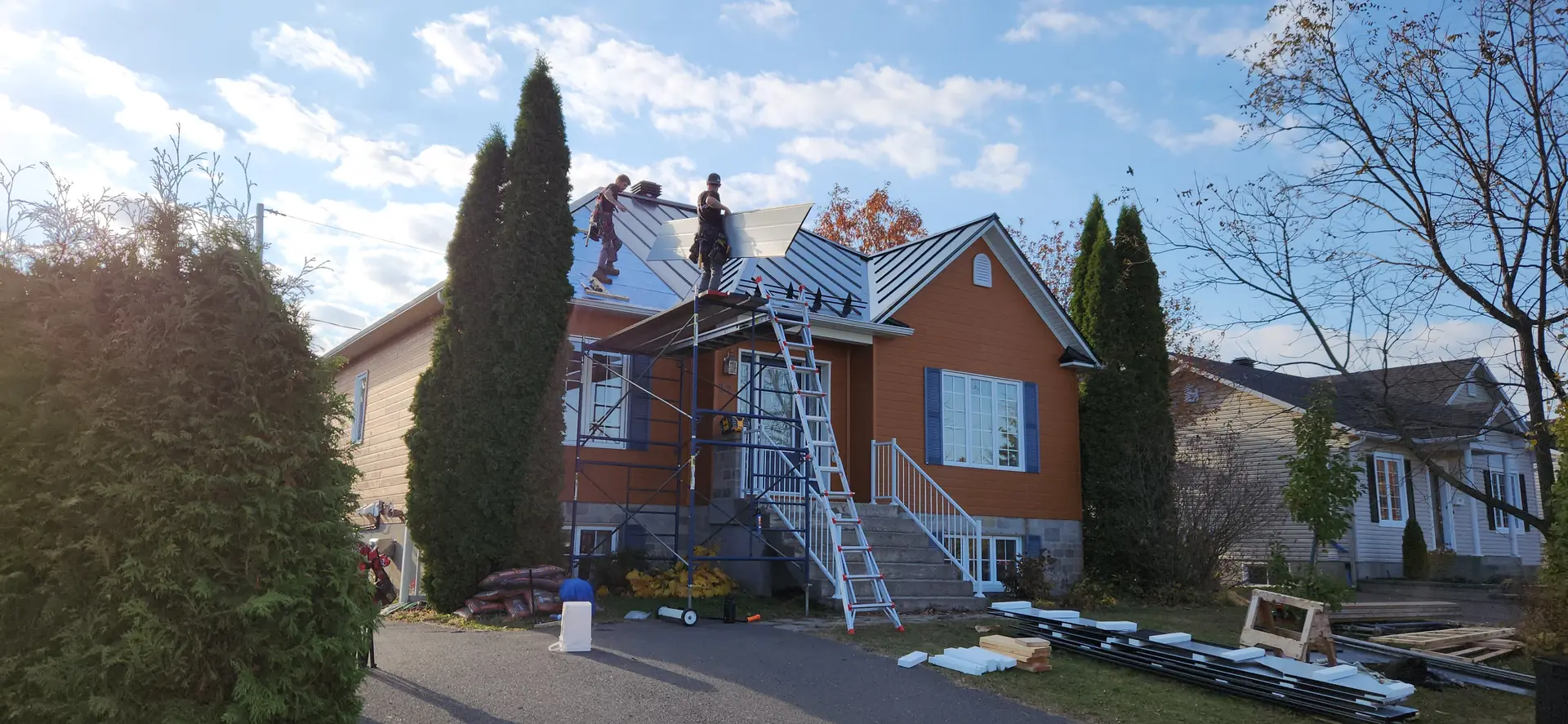
Source: Damapro inc.
Prices have seen some ups and downs in recent years. Here are average price ranges in 2026, including labour and materials, to help you plan your budget:
Material | Average Installed Price per Square Foot | Estimated Lifespan |
Asphalt shingles | $5.50–$8.50 | 15 to 25 years |
Metal roofing | $15.00–$28.00 | 50+ years |
Elastomeric membrane | $12.00–$18.00 | 25 to 35 years |
TPO membrane | $11.00–$16.00 | 20 to 30 years |
Note: These prices vary depending on the complexity of the roof slope, site access, labour conditions, and the condition of the underlying layers, including the framing.
Choosing a Qualified Roofer: Licensing and Insurance

Source: La Boite C
Never trust your roof to an unlicensed or cash-only contractor.
Provincial licensing requirements: Your roofer should hold the licences or registrations required in your province or territory. This helps confirm that the contractor meets local competency and regulatory requirements.
Liability insurance: Ask for proof of third-party liability insurance of at least $2 million. If a worker is injured or your property or your neighbour’s is damaged, you do not want to be held responsible.
Code compliance: Double-check the quote to ensure it includes the waterproofing and installation details required under the building code applicable in your region, especially around roof edges, valleys, and other vulnerable areas.
Conclusion: Prevention Comes First
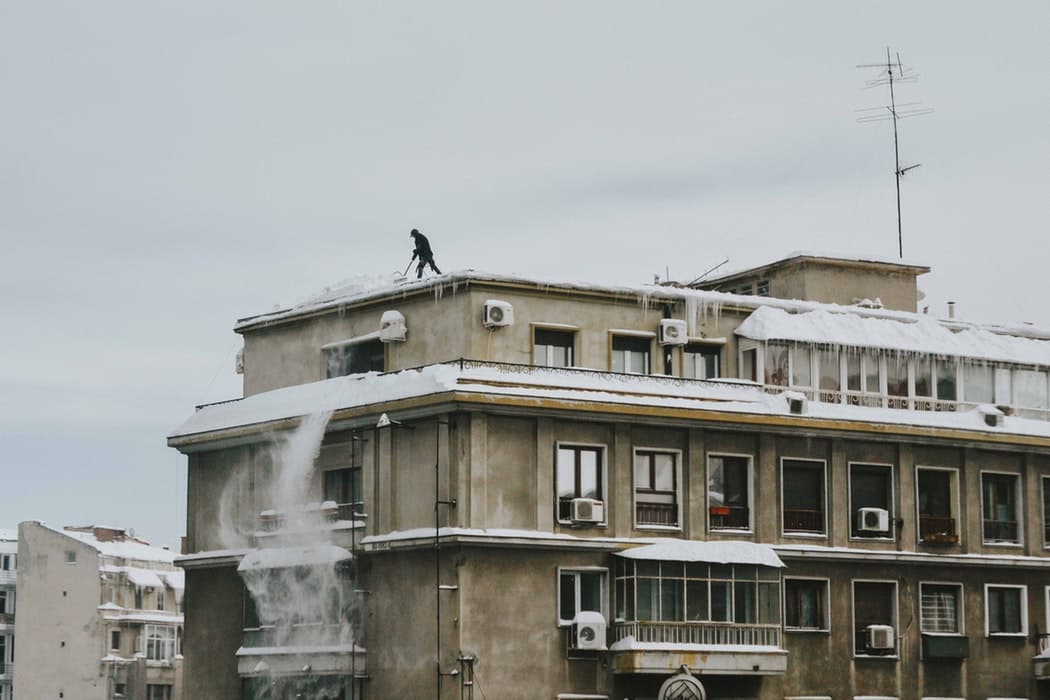
A neglected roof can end up costing tens of thousands of dollars in structural damage. Beyond choosing the right roofing material, make sure to have your flashing, sealants, and soffits inspected regularly, especially before and after winter. In regions prone to heavy snowfall, partial snow removal while leaving a protective layer in place can also help reduce the load on your home’s structure.
Looking for something else?
Related articles
The latest industry news, interviews, technologies, and resources.
Editorial Team
•11 Aug 2026
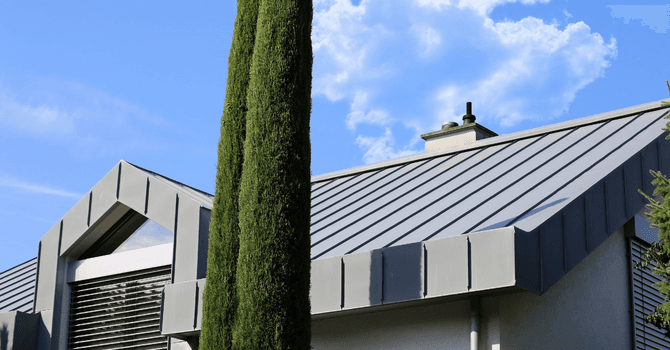
Are you in the middle of building a new house? Are you looking to renovate your roof, but aren’t sure what material to use? Well, what about opting for metal roofing?
Cynthia Pigeon
•24 Apr 2026
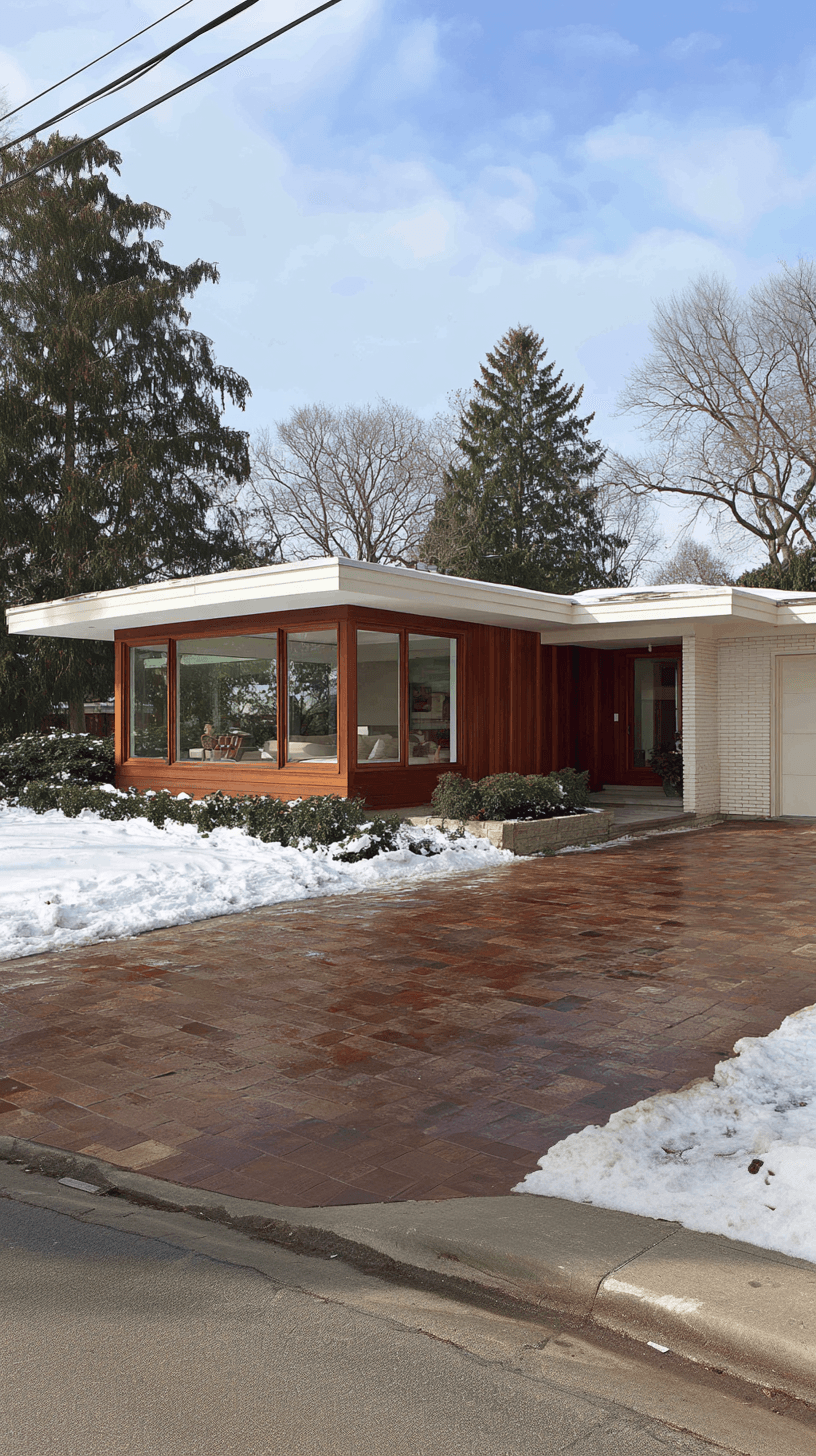
For Canadian homeowners—whether you own a mid-century bungalow, a modern detached home, or an urban multiplex—replacing a flat roof is one of the most important investments you can make to protect your property long term. With increasingly unpredictable winters and frequent freeze-thaw cycles across many regions of Canada, the question is no longer just whether your roof leaks, but how to optimize waterproofing while meeting updated 2026 energy efficiency standards.
Cynthia Pigeon
•12 Apr 2024
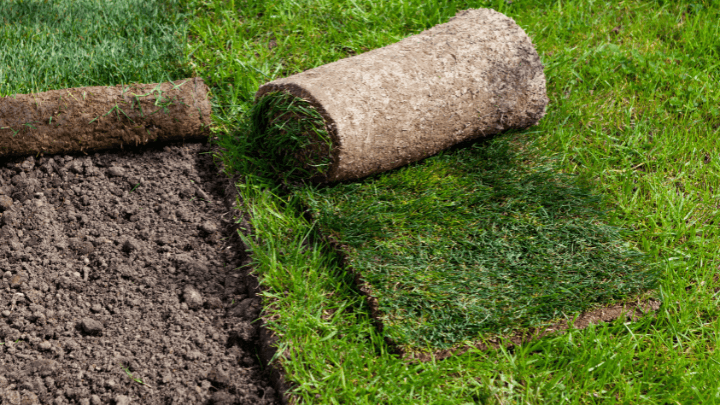
Are you tired of looking at a spent lawn and thinking of laying sod to spruce it up? Question is, how should you proceed with this little seasonal project?
Editorial Team
•12 Mar 2026
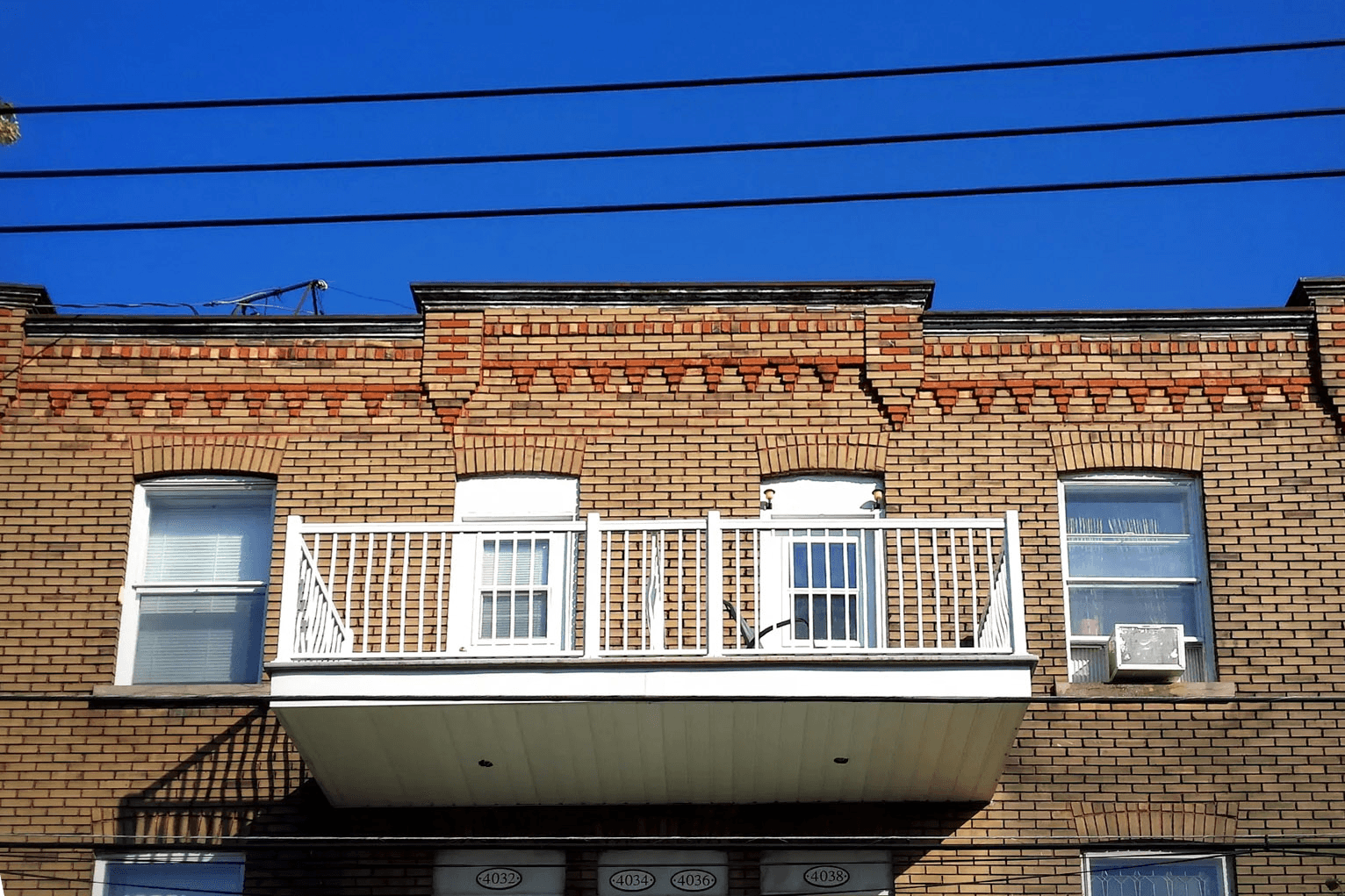
Balcony decking is as abundant as it is diverse. While wood ranks amongst the top favourites, fibreglass isn’t far behind, quickly gaining popularity.
Amanda Harvey
•31 Mar 2025
When the first snowfall hits, you might immediately run to grab that shovel in order to clear the driveway for your day of work. Although this is a necessity, it’s not the only outdoor area of your home you should pay attention to keeping clean.