Roofing Scams in Toronto: Protect Yourself from Fraudulent Roofers
By Editorial Team
Updated on December 4, 2025
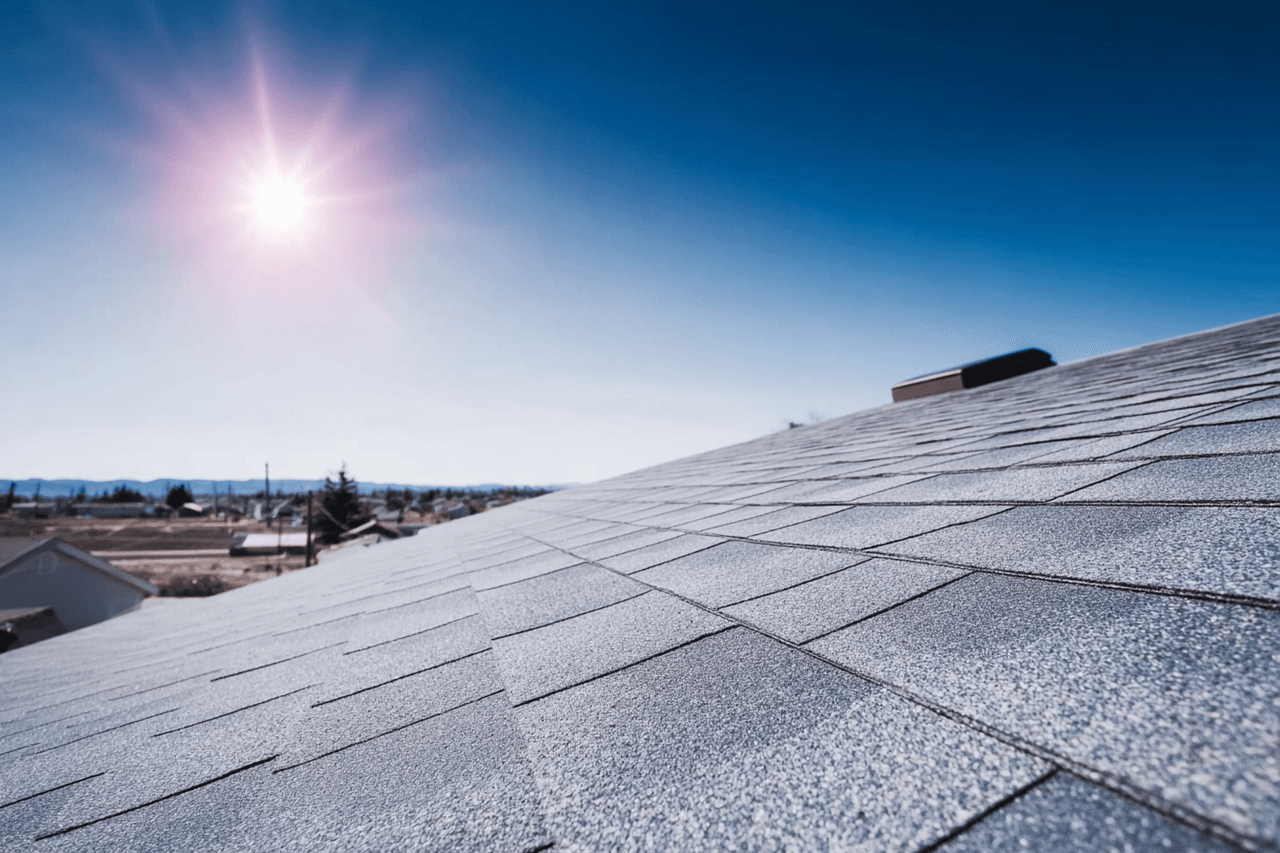
Roofing scams are becoming more common in Toronto, with more homeowners targeted by fraudulent contractors—especially in areas like Scarborough and Etobicoke. Aging homes, frequent storms, and a busy real estate market make residents easy targets after severe weather.
Get Your Project Started Today
Submit your details and receive three free quotes from trusted contractors.
Scammers often pose as legitimate roofers, using fake credentials and high-pressure tactics. Many cases go unreported because they fall into a grey area between fraud and civil disputes, leaving victims with financial losses and stress. This rise mirrors trends across Ontario and underscores the need for vigilance.
A notable case in North York involved two men—Stephen Smith (40) and Bernie Strokes (23)—who allegedly went door to door, dismantling chimneys and performing unnecessary work while pressuring homeowners for large payments.
This incident reinforces the importance of spotting roofing scams and verifying a contractor’s credentials before hiring.
The Easiest Way to Spot a Fraud: Validating Licenses and Insurance

Source : RenoQuotes
If a business does not have the right licenses and insurance, it can face legal problems and financial risks. Having the correct licenses means the business follows local laws and regulations, ensuring it is allowed to operate legally in its industry and location. This compliance helps build trust with customers and authorities.
Having insurance helps protect against accidents, damages, or lawsuits by covering costs related to unexpected events, such as property damage, employee injuries, or liability claims. Not having both licenses and insurance can lead to fines, being forced to shut down the business, or expensive legal trouble that could threaten the company's future and reputation.
Why Licensing and Insurance Matter
Licenses ensure legal compliance by verifying that a business or individual meets all regulatory requirements and industry standards, which also helps build trust and credibility with clients and partners. Insurance, on the other hand, provides financial protection against unexpected accidents, damages, or lawsuits that could otherwise result in significant losses. Both licenses and insurance are essential for minimizing legal and financial risks, safeguarding your business, and maintaining a reputable and secure operation.
How to Cross-Check Licensing and Insurance Claims
Don’t just take a contractor’s word for it—verify their credentials independently. After receiving license and insurance details, check with local regulatory bodies or online registries (such as the Ontario College of Trades or WSIB) to confirm the information is current and matches the company’s name. Look for any disciplinary actions or lapses in coverage. A reputable company will have no issue with you double-checking their legitimacy and may even offer guidance on where to verify their credentials.
Why Verified Credentials Boost Reputation
A company that openly shares verifiable licenses and insurance demonstrates transparency and accountability—key pillars of a strong reputation. Homeowners often mention this transparency in positive reviews and testimonials.
On the other hand, companies that hesitate or provide vague documentation often have mixed or negative feedback online. By choosing a contractor with easily verifiable credentials, you’re more likely to find a track record of satisfied customers and fewer unresolved complaints.
Red Flags in Licensing and Insurance Documentation
When evaluating a company’s reputation, be alert for warning signs in the paperwork itself. These include expired documents, mismatched company names, or vague policy details. If online reviews mention issues with insurance claims or disputes over coverage, treat these as serious concerns. A pattern of such complaints can signal a company that cuts corners or operates outside legal requirements, putting homeowners at risk.
Evaluating Company Reputation and References

Source : RenoQuotes
When a business or service has negative reviews online or lacks customer references, it can raise concerns about reliability and trustworthiness. Potential clients may hesitate to engage if they see consistent complaints or cannot find positive feedback from previous customers. Negative reviews may indicate unresolved issues, poor customer service, or subpar products, all of which can influence a potential client's perception.
Furthermore, the absence of customer references may suggest inexperience or a lack of proven results. It's important to research reviews and look for credible references before making a decision, as this helps ensure you are choosing a reputable and dependable provider. Taking the time to read detailed testimonials, check third-party review sites, and ask for direct references can provide a clearer picture of what to expect.
How to Verify the Authenticity of Customer Reviews
Not all online reviews are genuine, and some may be exaggerated or even fabricated. To get a true sense of a roofing company’s reputation, check multiple third-party platforms such as Google, HomeStars, and the Better Business Bureau. Look for consistent patterns in feedback, paying attention to detailed comments rather than just star ratings. Be cautious of companies with only glowing reviews posted within a short timeframe or reviews that lack specifics about the project. Cross-reference the company’s responses to both positive and negative feedback; a reputable business will address concerns professionally and offer solutions.
Questions to Ask When Contacting References
Speaking directly with past clients can reveal valuable insights that aren’t always captured in online testimonials. When you call references, consider asking:
Was the project completed on time and within budget?
How did the company handle unexpected issues or changes?
Was the work area kept clean and safe?
Would you hire this company again or recommend them to others?
Request references from projects completed at least a year ago to gauge the durability of the work and ongoing customer satisfaction.
Why Local Experience in the GTA Matters
A roofing company’s history in the Greater Toronto Area is a strong indicator of reliability and accountability. Long-standing local businesses are more likely to be familiar with GTA building codes, weather conditions, and permit requirements. They also have a greater incentive to maintain a positive community reputation.
Before hiring, check how long the company has operated in the area and whether they have completed similar projects in your neighborhood. Established local companies are more likely to honor warranties and be available for follow-up support if issues arise.
Written Estimates: A Sign of Company Integrity
Source : RenoQuotes
When No Written Estimate Is Provided
This means that a formal, documented cost estimate has not been provided. Without a written estimate, there is no clear record of the expected expenses or scope of work, which can lead to misunderstandings or disputes later on. Providing a written estimate is important because it outlines the specific services to be performed, the materials required, and the associated costs.
It also serves as a reference for both parties, ensuring that everyone is on the same page regarding the project’s details and financial expectations. Without this documentation, it becomes difficult to resolve any disagreements about the work or the charges involved.
How Written Estimates Reflect Company Integrity
A reputable roofing company will always provide a detailed written estimate before starting any work. This estimate should clearly outline the scope of the project, materials to be used, timelines, and all associated costs. Companies that readily provide thorough written estimates demonstrate transparency and respect for their clients. Positive reviews and references often highlight this level of professionalism, while negative feedback may mention vague or missing estimates as a red flag.
Warning Signs in Estimates: What to Watch For
Be wary of estimates that are overly vague, lack itemized costs, or are delivered only verbally. If previous customers mention in reviews that they received incomplete or last-minute estimates, consider this a warning sign. Reliable contractors will answer questions about the estimate and make adjustments in writing if the scope changes. Look for a consistent pattern of clear, written estimates in both testimonials and third-party review sites.
How to Use Estimates to Compare Reputation
Collect written estimates from several roofing companies and compare not just the prices, but the level of detail and clarity each provides. Companies with strong reputations will usually offer comprehensive, easy-to-understand estimates and be willing to explain each line item. If references or online reviews mention that a company’s estimate process was seamless and transparent, it’s a good indicator of trustworthiness.
Contracts and Agreements

Source : RenoQuotes
No Formal Contract Was Created and/or the Agreement Terms Remain Unclear
The clarity of a contract, or the lack of it, has a direct impact on a company's reputation. When contracts are well-written and easy to understand, they demonstrate professionalism and build trust with clients and partners. On the other hand, unclear or ambiguous contracts can harm a company's image and lead to misunderstandings or disputes.
How Transparent Contracts Build Trust
A reputable roofing company provides clear, detailed contracts that outline every aspect of the project, including materials, timelines, payment schedules, and warranty terms. This transparency not only protects both parties but also signals the company’s professionalism and integrity. Satisfied customers often mention straightforward contracts in positive reviews and testimonials, while vague or missing agreements are frequently cited in complaints.
Red Flags: Vague or Missing Contracts
Be cautious if a company is reluctant to provide a written contract or offers agreements filled with ambiguous language. Warning signs include contracts that lack specifics, omit warranty details, or leave major terms open to interpretation. Negative online reviews may highlight disputes or confusion caused by unclear agreements. Always review the contract carefully and ask for clarification on any unclear points before signing.
What References and Reviews Reveal About Contracts
When researching a roofing company, pay attention to what past clients say about the contracting process. Positive references often note that everything was clearly explained and documented, while negative feedback may mention hidden clauses or last-minute contract changes. Consistent praise for clear, fair contracts is a strong indicator of a trustworthy company.
Payment Practices

Source : RenoQuotes
Contractors Requesting a Large Upfront Payment
A reputable roofing company typically requests only a reasonable deposit—often 10–20% of the total cost—before work begins. Demanding a large upfront payment, especially before any materials are delivered or work is started, can be a warning sign. Homeowners frequently mention fair and transparent payment terms in positive reviews, while complaints about excessive deposits or lost money are red flags in negative feedback.
Red Flags: Excessive or Unexplained Deposits
Be cautious if a contractor insists on a substantial payment up front without providing a detailed contract, timeline, or references. Reviews and testimonials may highlight situations where customers paid large sums and then experienced poor service, delays, or even abandonment of the project. Always compare payment requests with industry norms and check if references or online reviews mention similar concerns.
How References and Reviews Reflect Payment Practices
When contacting references or reading reviews, ask specifically about the payment structure:
Was the deposit reasonable and clearly explained?
Did the company stick to the agreed payment schedule?
Were there any surprise requests for additional money before work was completed?
Consistent praise for transparent, fair payment terms is a strong indicator of a trustworthy company, while repeated complaints about upfront payments should prompt caution.
Communication

Source : RenoQuotes
Ineffective or Inconsistent Communication
Effective communication is a hallmark of reputable roofing companies. Clear, timely, and respectful communication—whether by phone, email, or in person—helps set expectations and fosters trust. Positive reviews and references often highlight contractors who were responsive to questions, provided regular updates, and explained processes thoroughly. In contrast, negative feedback frequently centers on unreturned calls, delayed responses, or confusing instructions.
Warning Signs: Poor Communication in Action
Be cautious if a company is difficult to reach, provides inconsistent information, or avoids answering direct questions. Warning signs include:
Delayed or no response to inquiries
Vague or contradictory answers
Frequent changes in contact person
Unclear scheduling or project updates
Reviews mentioning these issues should raise concerns about the company’s reliability and professionalism.
What to Ask References About Communication
When checking references, ask specifically about their experience with the company’s communication. Consider questions such as:
Was the company easy to contact throughout the project?
Did they provide clear timelines and updates?
How did they handle questions or concerns?
Consistent praise for open and proactive communication is a strong indicator of a trustworthy contractor. Conversely, patterns of miscommunication or unresponsiveness in reviews or testimonials should prompt caution.
How Roofing Scams Operate
Roofing scams are often orchestrated by individuals or companies posing as legitimate contractors but aiming to exploit homeowners, especially during vulnerable periods such as after severe storms or natural disasters.
Common Tactics Used by Roofing Scammers
Scammers typically approach homeowners unexpectedly, either by knocking on doors, making unsolicited phone calls, or distributing flyers in affected neighborhoods. They may claim to have noticed visible roof damage while “working nearby” or offer a free inspection. This initial contact is designed to build a sense of urgency and trust.
The Bait-and-Switch: Low Estimates, High Costs
A hallmark of roofing scams is the promise of quick, low-cost repairs. After gaining access to your property, scammers may invent or exaggerate problems, sometimes showing staged photos or fabricated evidence of damage. Once you agree to their services, the price often increases dramatically due to “unexpected issues” discovered mid-project. Homeowners may feel pressured to pay more to avoid leaving their roof unfinished.
High-Pressure and Fear-Based Sales Tactics
To force quick decisions, scammers use high-pressure tactics such as limited-time offers or warnings of imminent danger if repairs aren’t made immediately. They may discourage you from seeking second opinions or comparing quotes. Reliable contractors, by contrast, encourage questions and allow time for decision-making.
Faking Credentials and References
Fraudulent contractors may present fake licenses, insurance papers, or even staged references. They might use company names similar to reputable businesses to create confusion. Always verify credentials independently and seek out authentic references to confirm the company’s legitimacy.
How to Identify a Roofing Scam
Identifying a roofing scam involves looking for warning signs such as contractors who demand full payment upfront, lack proper licensing or insurance, or pressure you to make quick decisions. Be cautious of unsolicited offers, especially after storms, as scammers often target vulnerable homeowners during these times. Always verify the company's credentials and reputation before agreeing to any work by checking online reviews, asking for references, and confirming their business address and contact information.
Additionally, avoid signing any contracts before thoroughly reading and understanding all terms, and never feel obligated to hire someone who uses aggressive sales tactics or refuses to provide written estimates. Taking these steps can help protect you from falling victim to roofing scams.
Ways to Safeguard Yourself Against Roofing Scams
To protect yourself from roofing scams, always verify the credentials of any contractor before hiring them. Make sure the contractor is licensed and insured, as this protects you in case of accidents or damage. Be especially cautious of contractors who demand large upfront payments or use high-pressure tactics to get you to make quick decisions, as these are common signs of scams. Always get all agreements in writing, including the scope of work, materials to be used, timelines, and payment schedules.
Furthermore, compare quotes from several reputable companies to ensure you are getting a fair price and to help identify any unusually high or low estimates, which can be red flags. Taking these steps will help you avoid scams and ensure your roofing project is completed successfully by a trustworthy professional.
How Reputation and References Help Unmask Scams
One of the most effective defenses against roofing scams remains to thoroughly research a company’s reputation. Check for consistent patterns of complaints in online reviews, such as reports of unfinished work, disappearing contractors, or aggressive sales tactics. Contact references and ask about their experience—reputable companies will have a history of satisfied customers and transparent practices.
Looking for something else?
Related articles
The latest industry news, interviews, technologies, and resources.
Amanda Harvey
•09 Jul 2026
Undergoing any form of home renovation is a huge venture that requires time, energy and patience. Of course, you can’t just grab a hammer and some nails and begin your renovation tomorrow, as plenty of preparation and planning must be fulfilled. If you are renovating a home in the city of Toronto, there are numerous regulations and bylaws that must be considered before performing any type of structural changes or otherwise.
Cynthia Pigeon
•10 Mar 2026
There are many building materials available for sheds, designed to suit all shapes, styles, sizes, and climates.
Editorial Team
•08 Nov 2023
Constructing your dream home from the ground up is an exciting project to take on! Although exciting, building a new home is a huge responsibility that requires you to oversee many different roles, from the planning and budgeting all the way down to electricity and plumbing.
Editorial Team
•08 Nov 2023
Self-building has not been a frequent topic of discussion, yet over the past few years, this type of very large-scale project is now becoming common knowledge and more frequently talked about.
Léa Plourde-Archer
•14 Jun 2024
Installing drywall panels (also known as gypsum boards) is a project that can seem complicated and tedious for people that don’t have the expertise of renovation specialists.