Strong and Durable Foundations with Helical Piles
By Editorial Team
Updated on May 15, 2026
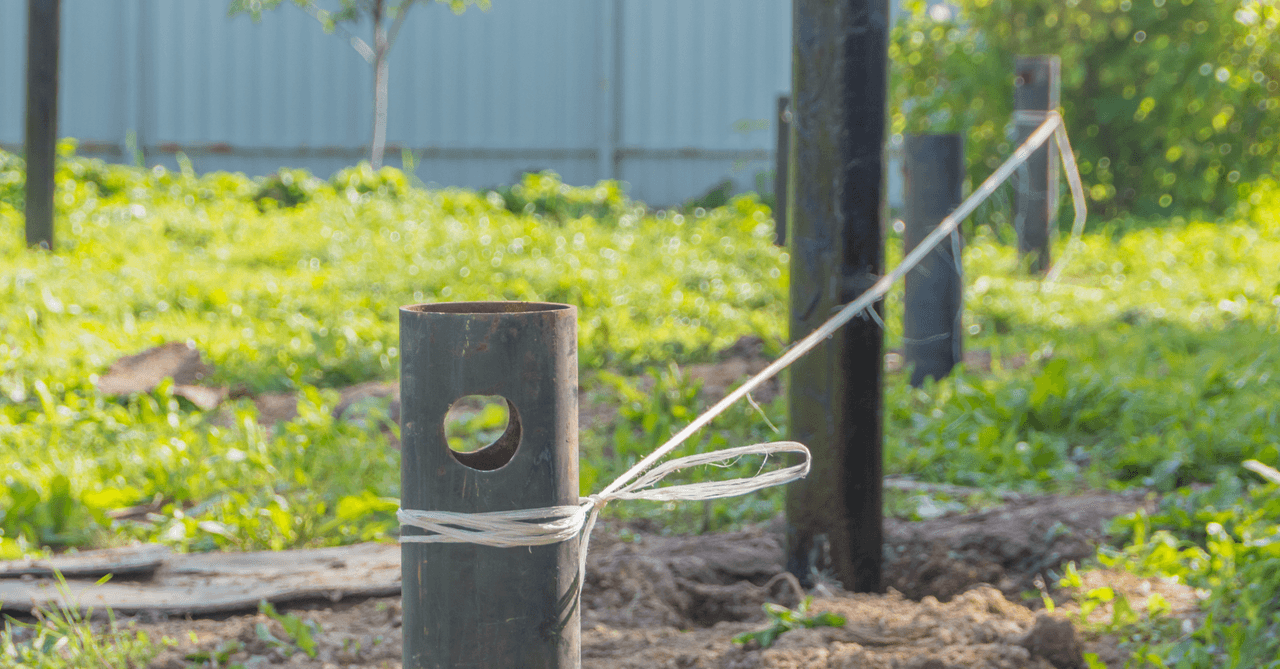
Helical piles are a practical solution for building deep, stable foundations or reinforcing existing foundations for residential properties. They are often used for homes, additions, decks, balconies, cottages, and other light to medium structures, especially when soil conditions make traditional foundation work more complex.
There are several types of deep foundation systems, including driven piles, hydraulic piles, and helical piles. Helical piles are usually made of steel and may be black steel, galvanized steel, or combined with concrete, depending on the project requirements. Their popularity comes from their strength, speed of installation, adaptability, and relatively low level of site disturbance.
Building a Foundation with Helical Piles
Source: Canva
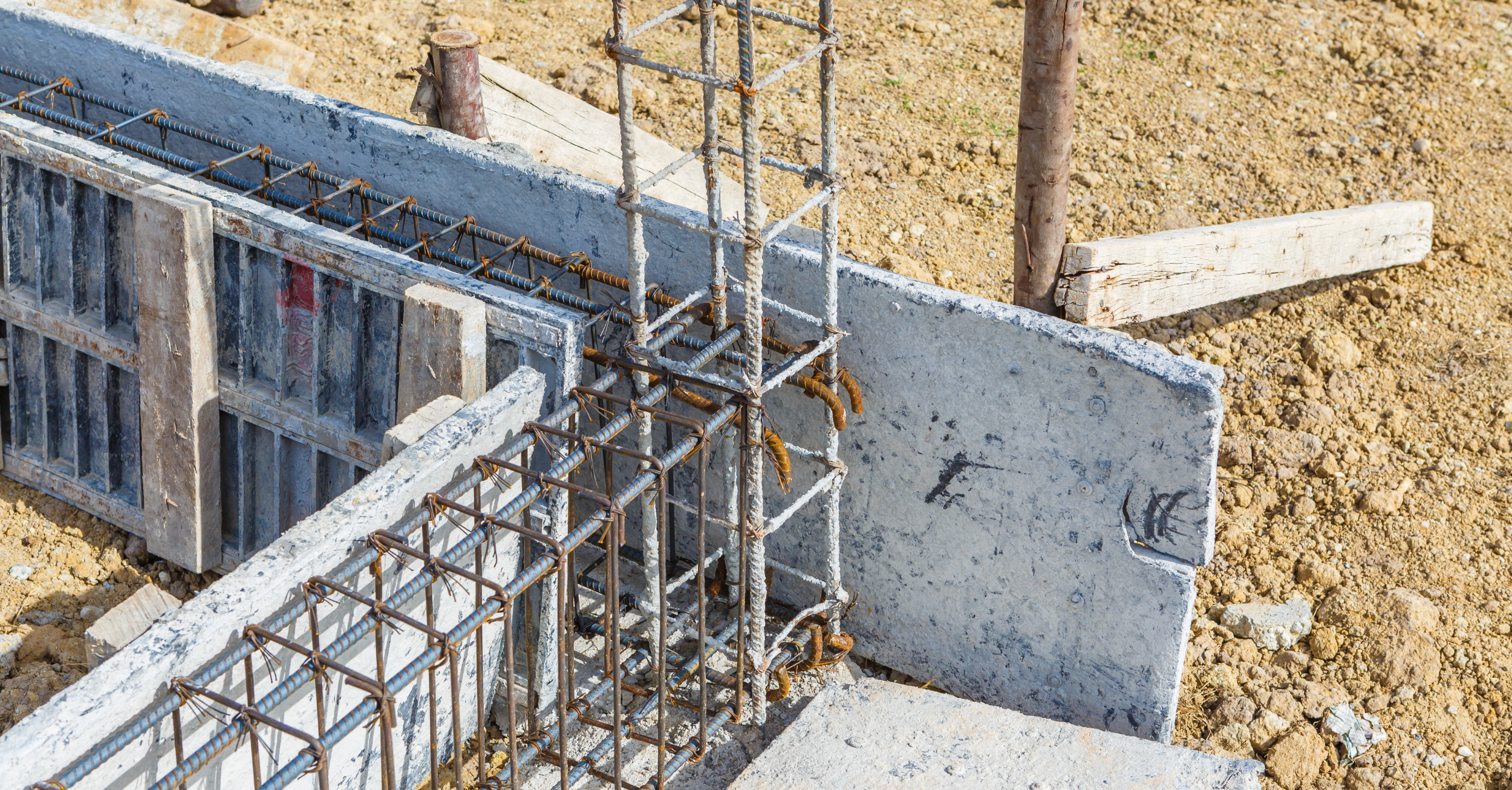
Helical piles have been widely used in Canada for residential foundation projects and structural stabilization. The principle is simple:
Helical piles are screwed into the ground until they reach soil with adequate bearing capacity.
Steel brackets connect the piles to the structure or foundation.
The weight of the structure is transferred to the piles.
Foundation piles are especially well-suited to smaller structures, such as single-family homes, house extensions, decks, balconies, and cottages. However, their use is also common in broader geotechnical applications, including commercial, industrial, and infrastructure projects.
Helical piles are adaptable because they can be designed according to the loads to support. Depending on the soil and project, they may have larger or smaller helices, multiple helices, fins, or a larger shaft diameter.
These features can help improve:
Lateral resistance
Tension capacity
Structural stability
Load-bearing performance
Construction Tips and Choosing the Right Piles
Source: Canva
It is impossible to give one universal recommendation for every project, because the type and number of foundation piles required depend mainly on two factors:
The type of soil
The structure or project being supported
However, it is useful to understand what influences the strength and performance of a helical pile. This can help you better evaluate the recommendations provided by a foundation contractor or engineer.
Do Helical Piles Work in Clay Soil?
Clay is a common soil type in many residential areas across Canada. It can be challenging because it may have:
Lower bearing capacity
Settlement risks
Seasonal movement
Moisture-related instability
Helical piles can work well in clay, provided they are properly designed and installed. The key is to reach a depth where the soil has adequate bearing capacity and where the pile can resist the forces applied to it.
Because clay conditions vary widely from one region to another, a professional assessment is essential. In some cases, engineering input may be required to determine the right pile size, depth, spacing, and configuration.
What Makes a Helical Pile Effective?
The structure of a helical pile is central to its performance. In clay and other cohesive soils, a helical pile often needs at least one helix, and in some projects, multiple helices may be required.
Compression resistance can be influenced by:
The number of helices
The spacing between helices
The depth of installation
The shaft diameter
The soil type
The load being supported
These factors do not behave the same way in every soil type. In cohesive soils, such as clay and silt, helical piles may perform better when the spacing between helices is larger. In non-cohesive soils, such as sand and gravel, closer spacing may sometimes improve resistance to compression forces.
This is why it is important to work with a specialized contractor or engineer. The pile design should be adapted to the soil conditions and the structure being supported.
In general, one principle remains consistent: the deeper a helical pile is installed into suitable soil, the better it can resist compression and tension forces.
Why the Depth of the Final Helix Matters
The final helix plays a major role in the pile’s bearing capacity. When the last helix is surrounded by soil with good bearing capacity, both above and below, the pile is better able to resist compression and tension forces. Hence, installation depth should not be chosen randomly. A professional installer monitors torque and soil resistance during installation to help determine whether the pile has reached suitable supporting ground.
Advantages of Helical Piles
Source: Canva
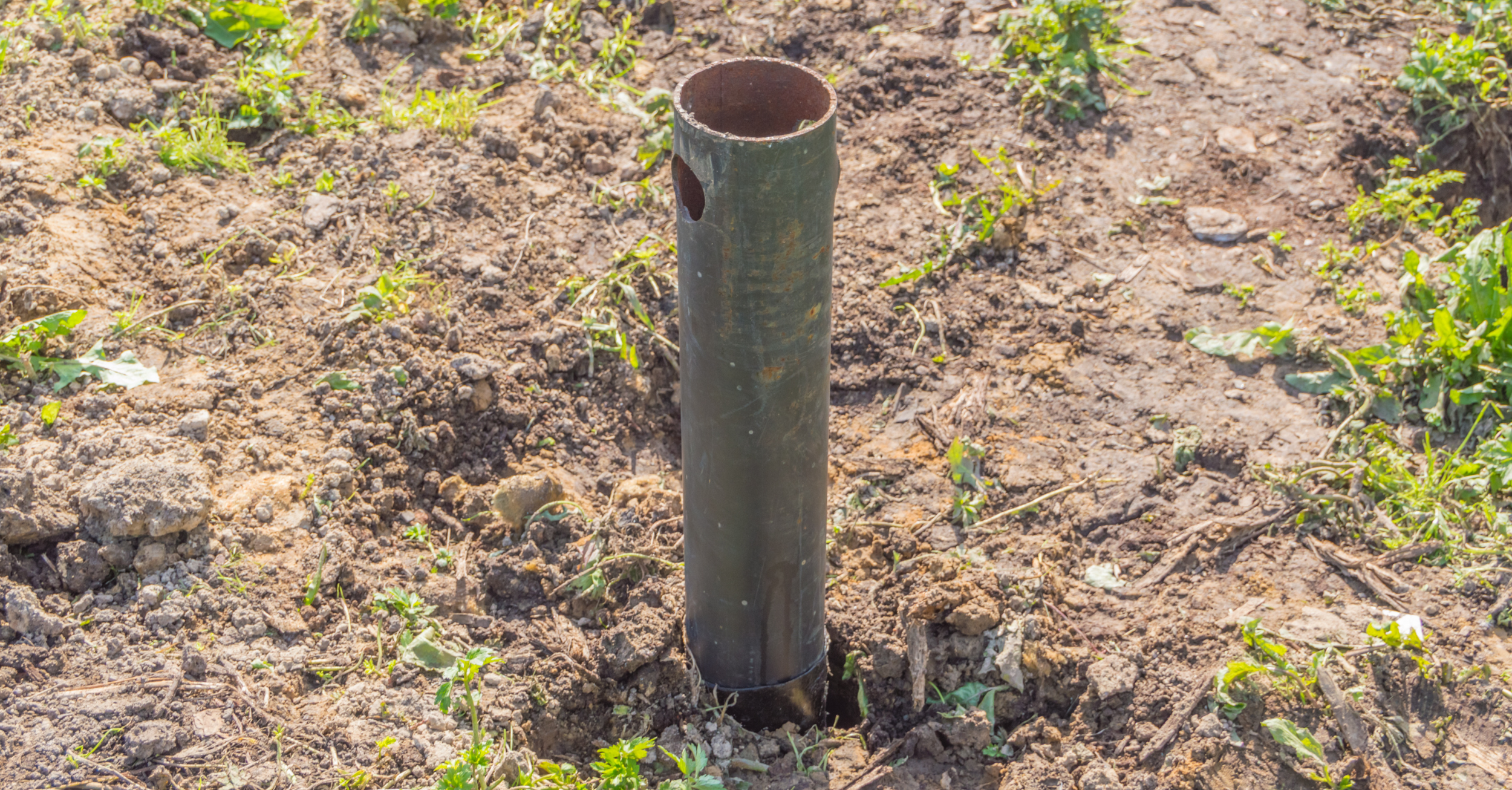
According to Marie-Claude Lacasse, of Pro Post Foundations, helical piles offer several advantages, including fast and efficient installation, adaptability to different soil conditions, limited excavation, lower costs than some concrete foundation systems, and strong durability.
Helical piles are often valued because they are:
Fast to install
Versatile
Cost-effective for many residential projects
Suitable for a wide range of soil conditions
Less disruptive than major excavation work
Strong and durable when properly designed and installed
One of their main advantages is cost. For many foundation or stabilization projects, there are usually two broad approaches:
Stabilize or improve the existing ground conditions
Replace or reinforce the foundation system
Helical piles can offer a long-term solution by transferring the structural load deeper into the ground without requiring the same level of excavation as some conventional foundation methods.
How Much Does Installation Cost?
It is difficult to give a precise installation cost for helical piles without evaluating the project. Prices vary significantly depending on the structure, access, soil conditions, and engineering requirements.
Several factors can affect the cost of helical pile foundations:
The structure being supported
The location of the building
Soil type and depth to suitable bearing soil
Number of piles required
Pile length and diameter
Helix size and configuration
Steel quality
Whether the piles are galvanized
Site access and equipment requirements
Whether engineering drawings or permits are needed
For this reason, the best way to estimate your budget is to request quotes from specialized contractors who can assess the site and the project requirements.
The Best Piles for a House Foundation
Studies comparing different deep foundation systems have looked at helical piles, bulb piles, and standard piles. Helical piles equipped with one or more helices often perform very well in terms of load-bearing capacity, rigidity, and soil anchoring.
However, their performance depends heavily on proper installation. The piles must reach suitable bearing soil, and their design must match the loads and soil conditions of the project.
For a residential foundation, this means the “best” pile is not simply the strongest product on paper. It is the pile system that has been properly selected, engineered, and installed for the specific site.
How to Choose a Contractor for Helical Pile Foundations
Choosing the right contractor is essential. Marie-Claude Lacasse recommends looking for a contractor with solid experience, asking for references and examples of previous projects, checking certifications and insurance, and requesting detailed quotes.
Before hiring a contractor, you should verify:
Their experience with residential helical pile projects
Their knowledge of local soil conditions
Their liability insurance
Their provincial licensing or qualification requirements
Whether engineering support is included when needed
Their warranty terms
Their installation method and equipment
Their past projects and client references
A reliable contractor should be able to explain why a specific type of pile is recommended, how many piles are needed, what depth they expect to reach, and how the structure will be connected to the pile system.
Looking for something else?
Related articles
The latest industry news, interviews, technologies, and resources.
Editorial Team
•17 Jun 2026
Summer is peak season for enjoying your home, and a clean, safe balcony can make outdoor living feel much more inviting. With a few quick wins, such as clearing drains, washing surfaces, checking railings, refreshing furniture, and touching up worn finishes, you can improve curb appeal while helping prevent bigger repair issues later.
Léa Plourde-Archer
•25 Jul 2024
Applying drywall joint compound is an art that requires patience and meticulousness. Contrary to other types of renovation projects, this task is accessible to anyone. However, in order to ensure good results, it is important to follow certain guidelines.
Amanda Harvey
•08 Nov 2023
To any homeowner, termites are a dreaded potential pest. Although they play an important role in the ecosystem by recycling wood, facilitating the decomposition of organic matter, replenishing essential nutrients in the soil and assisting in the growth of new plant life, these little buggers can't tell the difference between a tree and a house.
Editorial Team
•06 Jul 2026
As more of us shift to working from home, managing our energy consumption has become crucial. Not only does it help in reducing our monthly bills, but it also plays a significant role in lessening our environmental impact.

Editorial Team
•23 Nov 2024
Is your staircase showing signs of wear and tear? Should you repair or completely replace it? What steps are essential to ensure a safe and stylish renovation? A deteriorating staircase is not only an eyesore but can also pose serious safety risks. Whether you’re looking to address structural damage or simply refresh the design, renovating your staircase is key to maintaining a safe and attractive home.