The Most Common Plumbing Problems in Canadian Homes — And How to Prevent Costly Repairs
By Collaboration
Updated on June 30, 2026
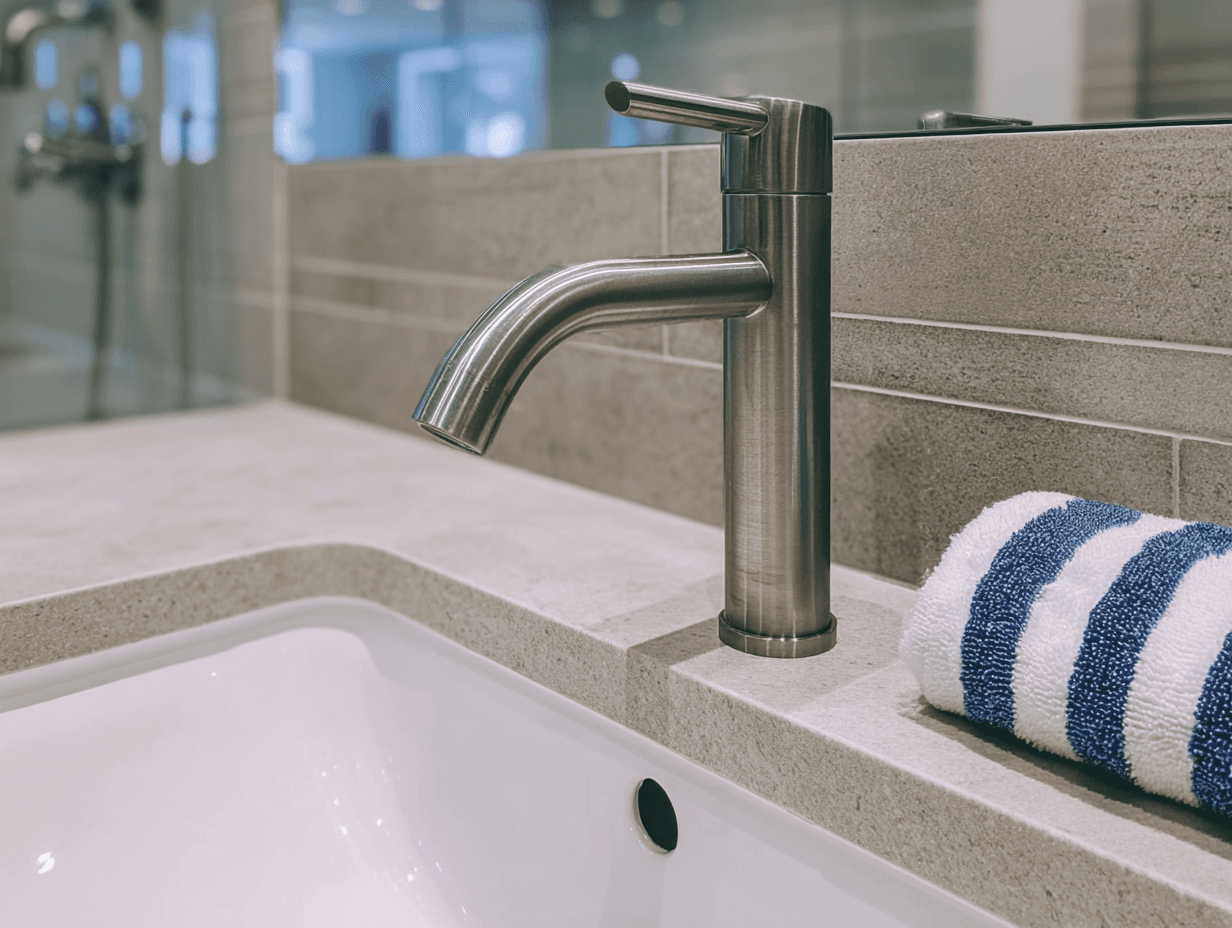
Owning a home in Canada means dealing with conditions that put far more stress on plumbing systems than in most other countries. From extreme winter temperatures to aging infrastructure in older neighbourhoods, plumbing systems here are constantly being tested. What makes it even more challenging is that many of these issues don’t happen all at once.
They gradually form out of sight behind walls, beneath floors, or underground until they eventually lead to costly and unexpected emergencies. Understanding the most common plumbing issues in Canadian homes is not just helpful; it’s essential. When you know what to look for, you can take action early and avoid the kind of repairs that cost thousands of dollars and disrupt your entire home.
Frozen Pipes and the Real Cost of Canadian Winters
Source : RenoQuotes
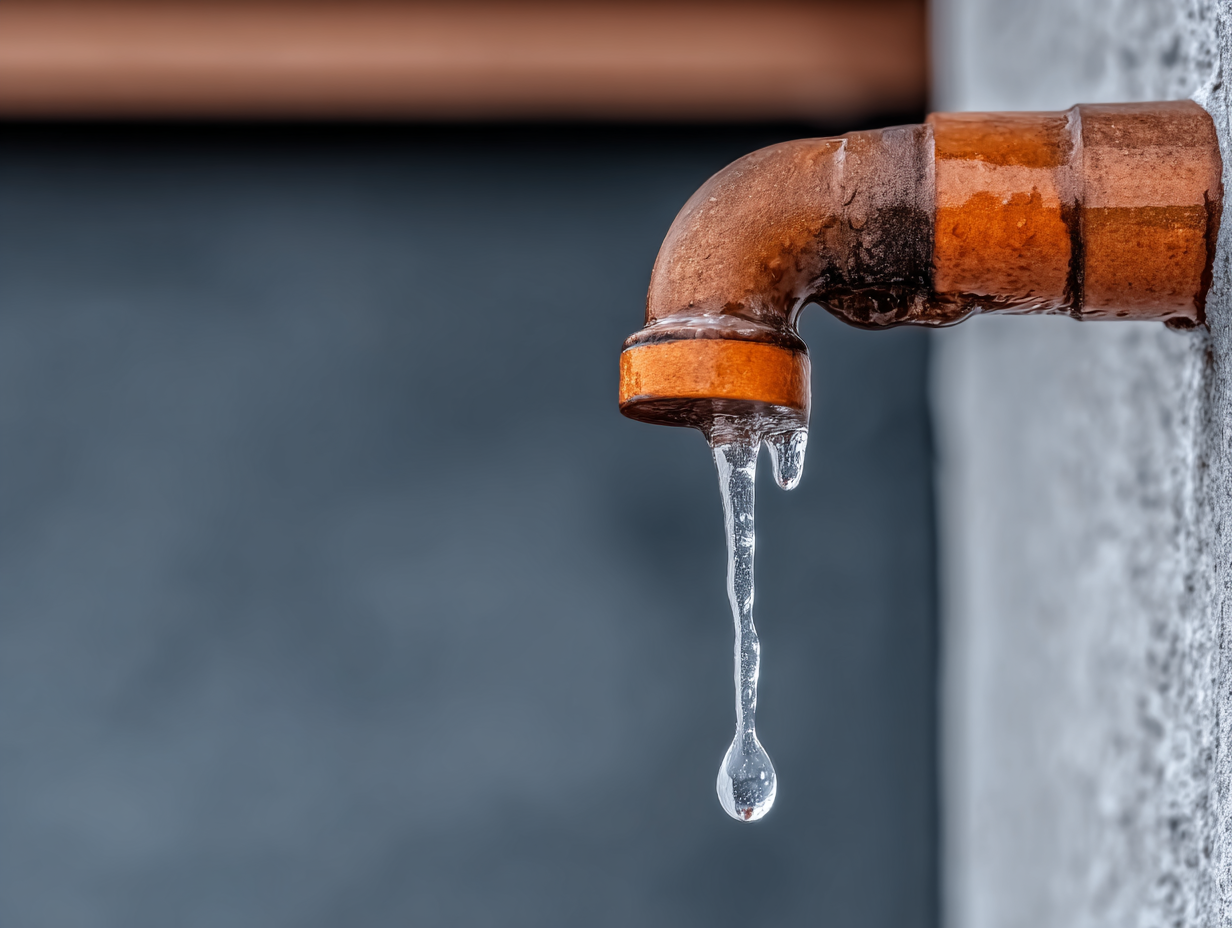
Few things are as damaging to plumbing systems as Canadian winters. When temperatures drop significantly below freezing, any water sitting inside pipes becomes a risk. As water freezes, it expands, putting intense pressure on the pipe walls. Eventually, this pressure causes pipes to crack or burst, often without immediate detection.
What makes frozen pipes particularly dangerous is that the damage often becomes visible only after the ice begins to thaw. At that point, water can rush through the damaged section and flood basements, crawl spaces, or walls. Many homeowners underestimate how quickly this can escalate from a minor issue to a full-scale restoration project.
Prevention in this case is all about consistency. Keeping indoor temperatures stable, insulating exposed pipes, and paying attention to areas like garages or basements can make a significant difference. Simple measures like letting a faucet drip during very cold weather can help ease pressure in the pipes and lower the chance of them bursting.
Basement Flooding and Changing Weather Patterns
Across many parts of Canada, heavier rainfall and faster snowmelt have made basement flooding far more common than it used to be. Older drainage systems were not designed to handle the volume of water seen in recent years, and that mismatch is now causing serious issues for homeowners.
The problem often begins below ground, where systems like weeping tiles and sump pumps are expected to manage excess water. When these systems stop working properly or can’t handle the demand, water can seep into basements, leading to damage to floors, walls, and personal items.
In many cases, the cleanup and restoration costs far exceed what homeowners expect.
Preventing this type of damage requires a proactive approach. Regular inspections of drainage systems, ensuring sump pumps are functioning properly, and upgrading older systems can significantly reduce risk. It is also important to consider backup systems, especially in areas prone to heavy storms or rapid snowmelt.
Aging Plumbing Systems in Older Neighbourhoods
Source : RenoQuotes
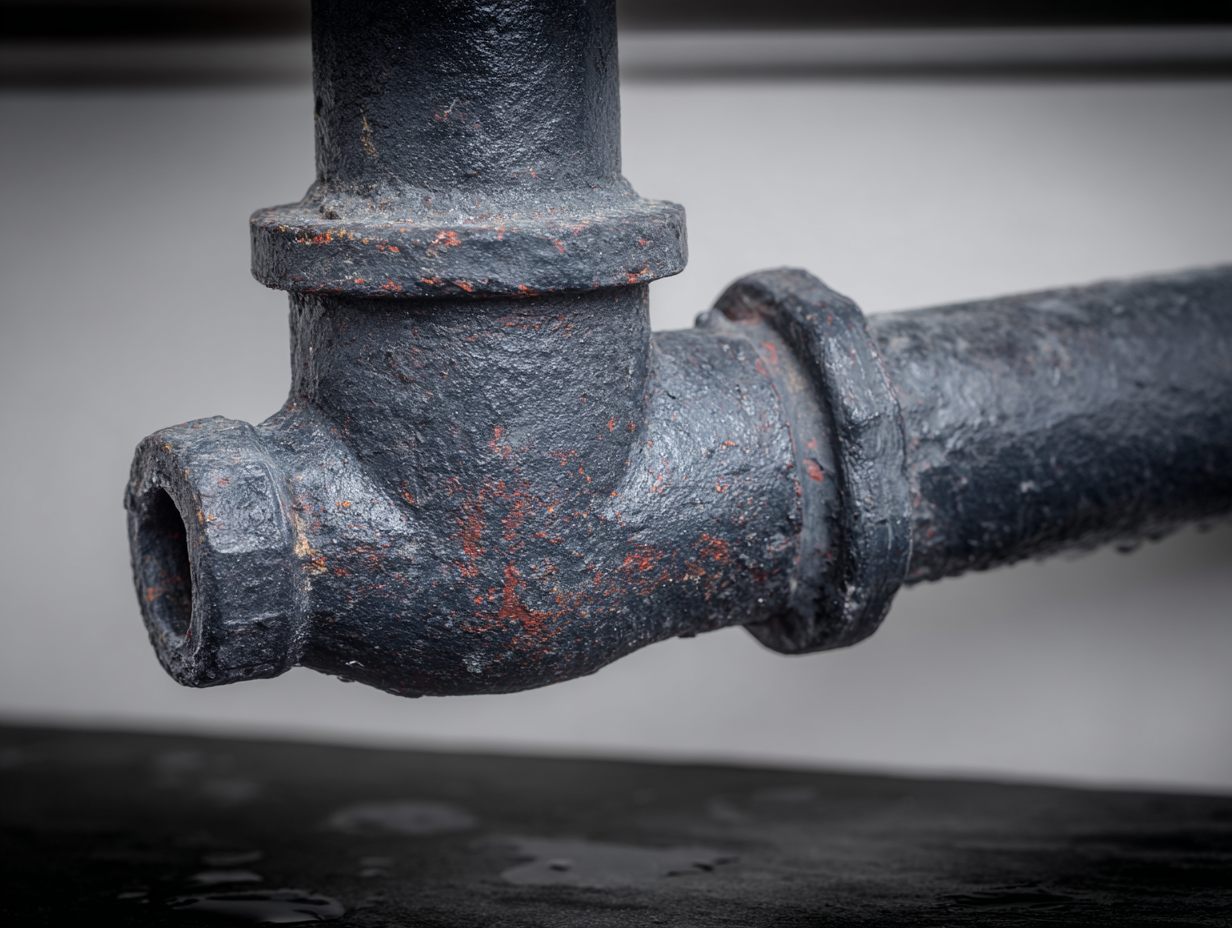
Many Canadian cities have large numbers of homes built decades ago, and while these homes often have strong structural integrity, their plumbing systems may not have aged as well. Materials like cast iron, clay, and polybutylene were commonly used in the past, but they are far more susceptible to deterioration over time.
As these materials break down, they can lead to recurring blockages, leaks, and even complete pipe failure. The issue is not always obvious at first. You might notice slower drains or slight changes in water pressure, but these are often early warning signs of more serious problems developing within the system.
Addressing aging plumbing is not just about reacting to issues as they arise. It involves assessing the overall condition of the system and making strategic upgrades before failures occur. While this may seem like a significant investment, it is often far more cost-effective than dealing with emergency repairs or water damage.
Everyday Habits That Quietly Damage Plumbing
Not all plumbing problems are caused by weather or age. Many are the result of everyday habits that slowly strain the system over time. What goes down your drains has a much bigger impact than most people realize.
Grease from cooking, for example, may go down the sink as a liquid, but it quickly solidifies inside pipes, creating stubborn blockages. Similarly, products marketed as “flushable” often do not break down as easily as advertised, leading to clogs in both household plumbing and municipal systems.
Hair, soap residue, and food particles also contribute to buildup inside pipes. These substances build up slowly, narrowing the flow of water and raising pressure inside the pipes. As time passes, this can cause sluggish drainage, foul smells, and eventually complete clogs.
Changing a few simple habits can prevent many of these issues. Being mindful of what goes into your drains and taking small preventative measures can extend the life of your plumbing system significantly.
Tree Roots and Underground Pipe Damage
Source : RenoQuotes
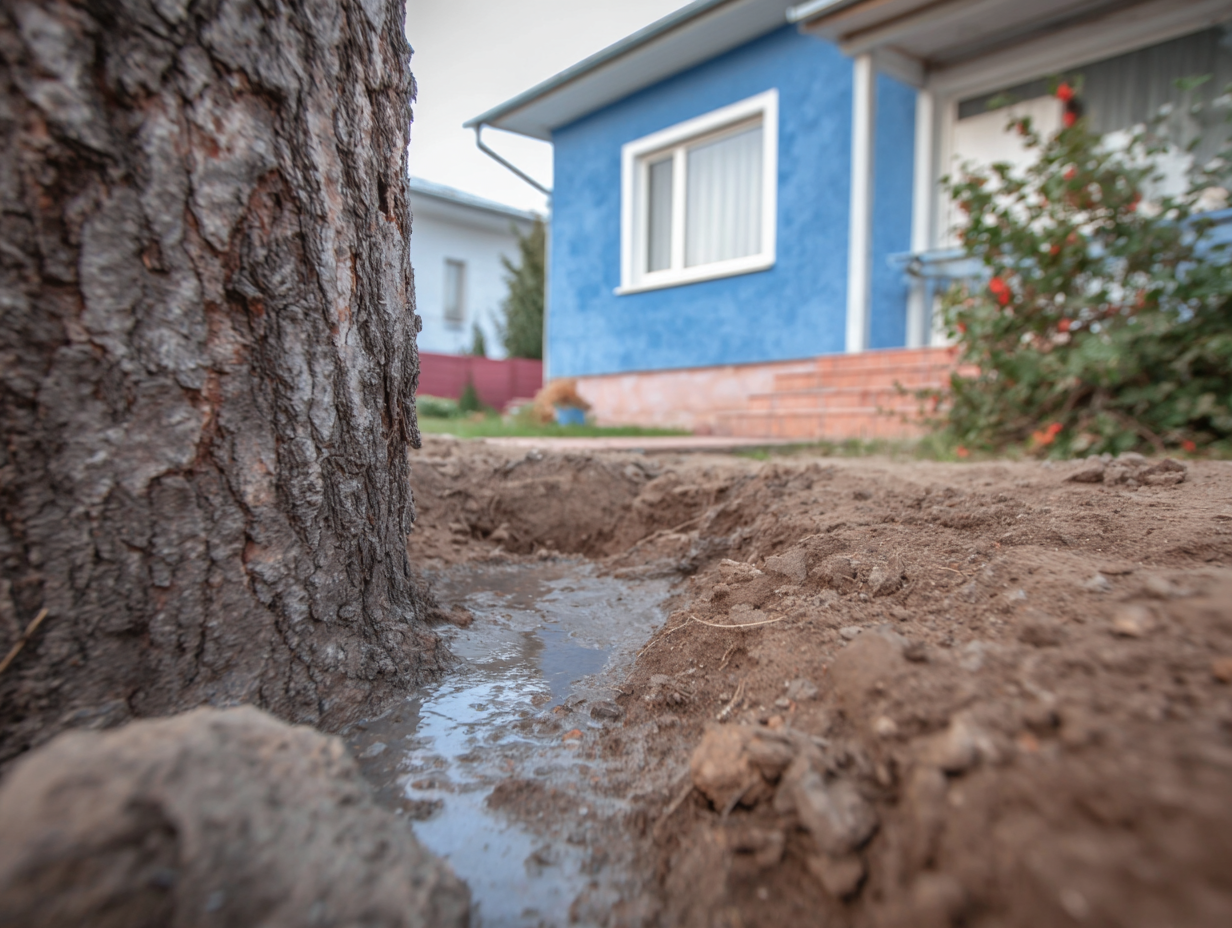
In many Canadian neighbourhoods, mature trees are part of what gives areas their character. However, these trees can also pose a serious threat to underground plumbing systems. Tree roots naturally seek out moisture, and even the smallest crack in a sewer line can become an entry point.
Once inside, roots continue to grow, expanding and creating blockages that restrict water flow. Over time, they can cause pipes to crack further or collapse entirely. The signs of this type of damage often appear gradually, with slow drains or recurring backups becoming more frequent.
What makes root intrusion particularly challenging is that it occurs out of sight. Without the right tools to assess the situation, homeowners often don’t recognize how serious the issue is until it has worsened. Routine check-ups and addressing problems early are essential to avoiding lasting damage.
Water Heater Strain in Cold Climates
Water heaters in Canada work harder than in many other parts of the world. Water entering your home is significantly colder, particularly in the winter, forcing your system to work harder to reach comfortable temperatures. This extra demand can wear down the unit more quickly and make malfunctions more likely.
As time goes on, sediment can accumulate within the tank, lowering efficiency and putting additional stress on the system. This not only drives up energy bills but also increases the chance of an unexpected breakdown.
Despite its importance, water heater maintenance is often neglected by homeowners. Regular flushing, monitoring performance, and replacing aging units before they fail can prevent unexpected disruptions, particularly during the colder months when hot water is essential.
The Hidden Risks of Improper Installation
Source : RenoQuotes
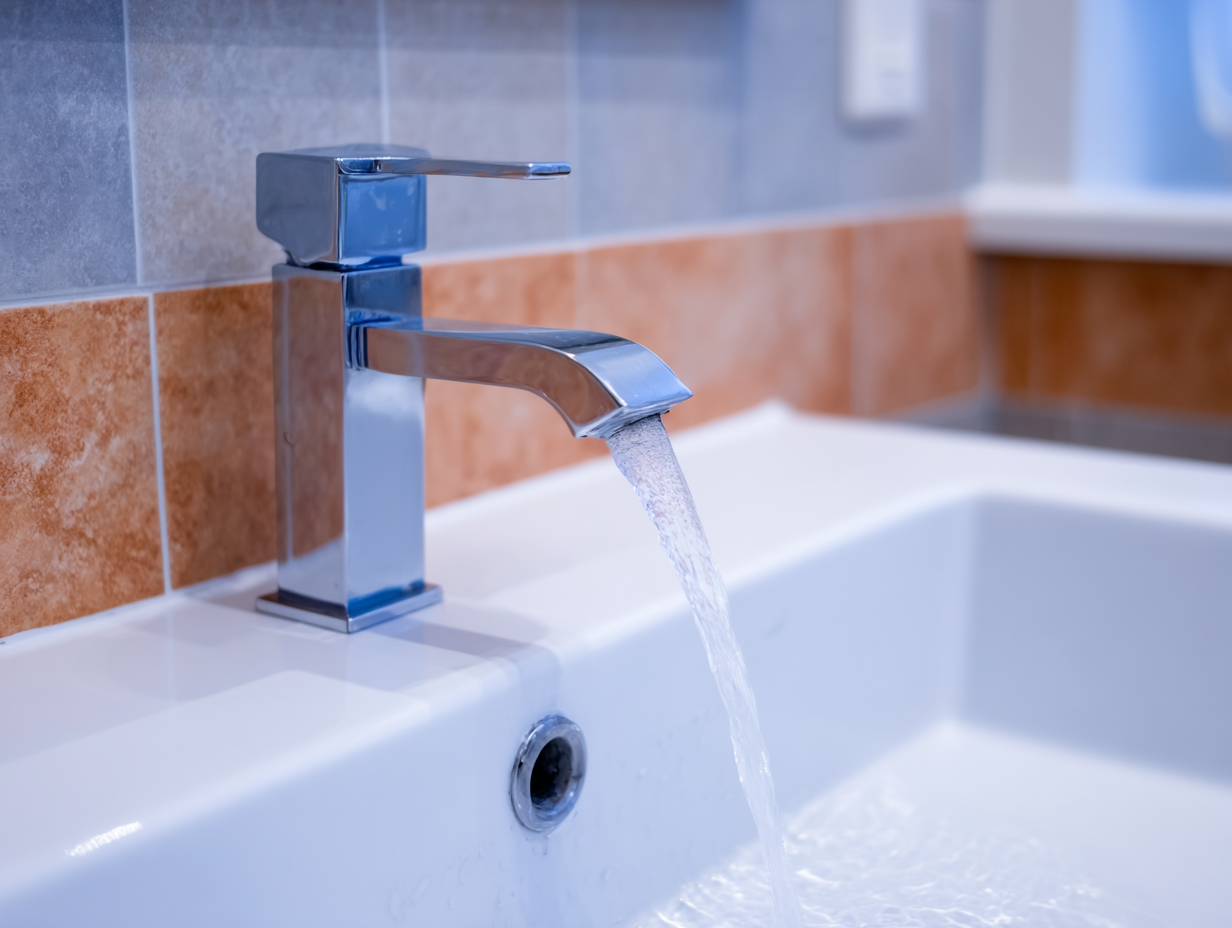
Another common issue in Canadian homes stems from improper installations or poorly executed repairs. Plumbing systems are intricate, and even minor errors can lead to serious issues over time. What seems like a small problem at first can eventually result in leaks, pressure issues, or violations of building codes.
Many homeowners attempt to fix problems themselves or hire unqualified help in an effort to save money. However, these short-term solutions often create larger, more expensive problems later. This is why many people choose to rely on professional plumbing services in Canada to ensure that work is done correctly and safely.
Proper installation is not just about fixing the immediate issue. It is about ensuring that the entire system functions efficiently and complies with local regulations, which is especially important in a country with strict building codes like Canada.
Why Prevention Matters More Than Repairs
One of the biggest misconceptions about plumbing is that problems happen suddenly. In reality, most issues develop slowly and provide warning signs along the way. Ignoring these signs often leads to situations where small, manageable problems become major repairs.
Preventative care goes beyond simply avoiding disruptions; it’s about safeguarding your home, your budget, and your overall peace of mind. Routine check-ups, prompt improvements, and responsible use can greatly lower the chances of unexpected issues.
In a country like Canada, where environmental conditions add extra pressure to plumbing systems, staying ahead of potential problems is especially important. Adopting a preventative mindset helps keep your home secure and operating smoothly all year long.
Final Thoughts
Plumbing systems in Canadian homes face challenges that go far beyond what many homeowners expect. From freezing temperatures to aging infrastructure and changing weather patterns, the risks are both varied and constant. However, most of these problems are preventable with the right knowledge and approach.
By recognizing how these problems arise and dealing with them early on, homeowners can prevent expensive repairs and keep their plumbing system dependable. The focus should be on staying proactive, identifying potential issues before they turn into major concerns.
In the end, a well-maintained plumbing system is not just about convenience; it is a critical part of protecting your home and ensuring long-term comfort in the Canadian climate.
Looking for something else?
Related articles
The latest industry news, interviews, technologies, and resources.
Editorial Team
•08 Nov 2023
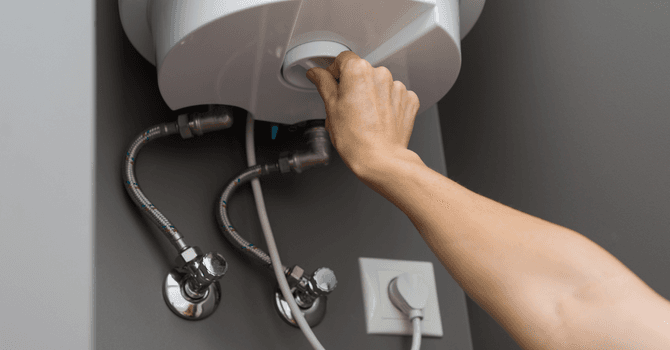
A standard water heater takes up a lot of space in a home since it has a hot water tank that supplies warm water needed for dishes, showers, sinks, and any other household needs. Also, the tank may run out periodically when the demand for hot water exceeds the tank’s water storage capacity.
Editorial Team
•08 Nov 2023
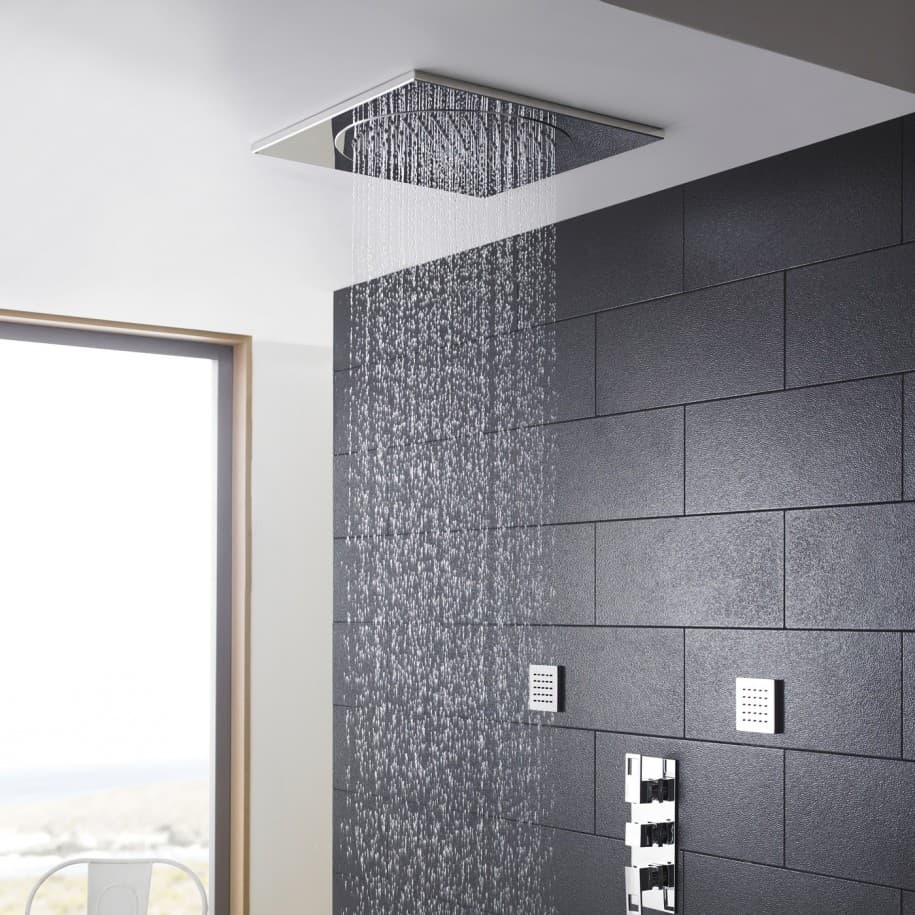
To many, the shower is a sanctuary, one of life’s most enjoyable but simplest of pleasures. Most of us shower once a day or at the very least once a week. Thus, this space is quite important to our well-being.

Léa Plourde-Archer
•08 Nov 2023
Of course, it should come as no surprise that wood is a popular flooring material. Hardwood is classic beneath our feet and used alongside an abundance of home decor styles.
Editorial Team
•29 May 2025
What cleaning solution is best suited for streak-free windows? Betweenrubbing alcohol and white vinegar, and the use of microfibre rags to wipeaway all prints, it’s rather difficult to make heads or tails of it.