Everything to Know About the Chauffez Vert Program
By Editorial Team
Updated on December 5, 2025
Are you looking into replacing your aging heating system or outdated water heater with a newer, eco-friendly model? No surprise here, it makes for an expensive project and means spending several thousand dollars to make it happen.
Get Your Project Started Today
Submit your details and receive three free quotes from trusted contractors.
The good news is that there is financial assistance available, helping homeowners throughout the process, mostly through the Chauffez vert program.
Chauffez Vert: Everything There Is to Know
Eligibility Criteria and Qualifying Work
As briefly mentioned, the Chauffez vert program covers two main types of work:
Replacing a propane or oil-fired water heater with a newer model powered by renewable energy.
Replacing a propane or oil-fired heating system with a newer model powered by renewable energy.
To qualify for the Chauffez vert program financial assistance, your situation must meet all eligibility criteria before any work is undertaken. From the get-go, note that the program was established for Quebec-based homeowners or residential building owners. Keep in mind that a homeowner with more than one dwelling can submit a request for all their residences.
Below is a list of eligible dwellings:
Single-family home (detached, semi-detached, mobile, or townhouse)
Triplex
Duplex
Multi-unit residential building
Unit in a co-owned property
Regardless of the type of dwelling in question, the property can’t exceed 600 square metres, nor have more than three stories. Is your residential building exceeding the maximum square footage allowed, or is it considered a multi-use building?
In that case, you will have to rely on the ÉcoPerformance program to obtain financial assistance, as multi-use properties are, unfortunately, not eligible for the Chauffez vert program. Are you having trouble understanding the gist of each funding program? Check out this comparative table (in French only) to determine which program suits your needs.
Want more information about ÉcoPerformance? Check out this supporting document (in French only).
Chauffez Vert: Available Financial Assistance

As for the amount you may be entitled to receive as part of your financial assistance request, it hinges on the type of property you own. Here’s an overview of the funds offered based on the undertakings (water heating or heating system replacement) and the type of dwelling.
For a central heating system:
Type of Property | Fuel Oil | Propane |
Single-family home | $1,275 | $850 |
Semi-detached/row house | $875 | $650 |
Mobile home | $1,075 | $600 |
Duplex/triplex | $875/unit | $650/unit |
Multi-unit residential building | $550/unit | $225/unit |
Source: Chauffez vert
For a water heater:
Type of Property | Fuel Oil | Propane |
Single-family home | $250 | $200 |
Duplex/triplex | $250/unit | $200/unit |
Multi-unit residential building | $250/unit or water heater | $200/unit or water heater |
Source: Chauffez vert
Key Facts
Besides meeting eligibility criteria, the contractor hired to carry out the work commissioned must hold a valid RBQ-issued licence, allowing them to undertake such a project. Also, bear in mind that the work done will eventually be inspected by a Chauffez vert representative and that, up to 12 months after the work is completed.
Note that if you claim financial assistance as part of this program, you won’t be able to claim expenses under another program aimed at energy-efficient renovations. Lastly, bear in mind that you have six months tops before the work is scheduled to begin to submit your request and take the necessary steps.
Special Terms and Conditions for Replacing a Central Heating System

Note that dismantling an existing central heating system can qualify as a program undertaking (it can be a hot water or warm air system). However, the work must be done by a contractor, holding a valid licence for said specific work—the same thing applies to installation. Note that gas-fueled systems aren’t eligible for the program.
Other conditions apply:
The new heating system must meet all the energy-related needs of the dwelling, as the old system did.
The system commissioned for replacement must have been used as a heating source before the project start date.
If the work entails a multi-unit property, the system in question must serve as the heating source for at least one of the units.
The work commissioned must include new equipment installation.
Special Terms and Conditions for Replacing a Water Heater
There’s an important caveat to consider when replacing a water heater. Note that replacing such a device will only be eligible for financial assistance if the work commissioned to replace the heating system is done at the same time.
Just like heating systems, gas-fueled water heaters aren’t eligible and dismantling the existing water heater must also be done by a qualified contractor holding a valid RBQ licence, applicable to such a project.
Amongst the other conditions, note the following:
The new water heater must provide hot water to at least one unit.
The equipment installed must cover all the energy-related needs that were covered by the former system.
The hot water used in the dwelling during the course of the project must be entirely provided by a fuel-powered water heater.
The work commissioned must include dismantling a water heater powered by the same fuel as that used by the heating system.
The equipment installed must be new.
Want to learn more about the financial assistance available for renovations? Below are some topic-specific articles:
Looking for something else?
Related articles
The latest industry news, interviews, technologies, and resources.
Editorial Team
•08 Nov 2023
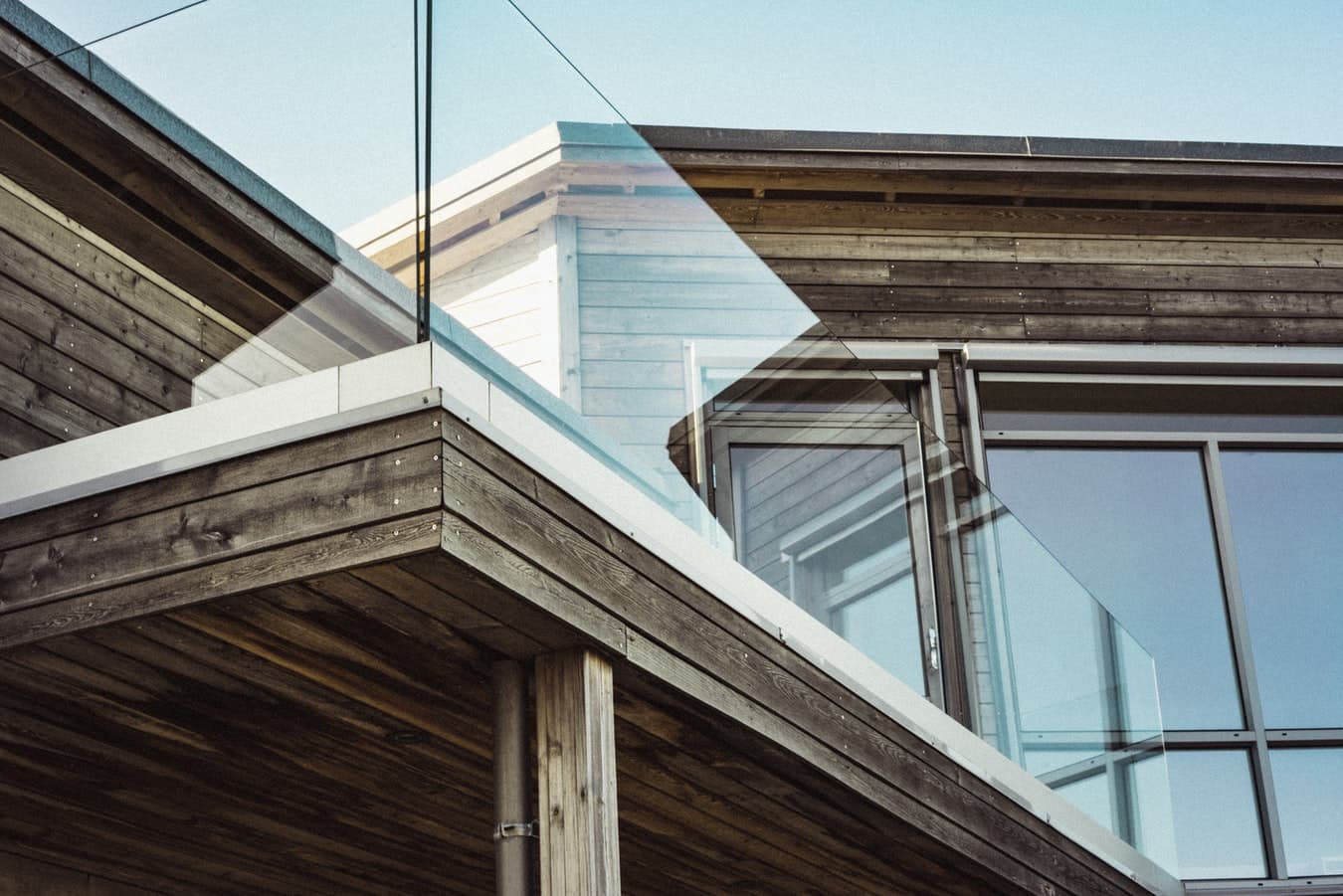
Wood siding isn't only a matter of aesthetics. Even though it's been at the forefront of many myths, it still has a lot of advantages there are yet to be known by the general public. Natural wood siding is available in different essences (cedar, spruce, pine, etc.), and it will give a unique touch to your house, chalet or store.
Editorial Team
•08 Nov 2023
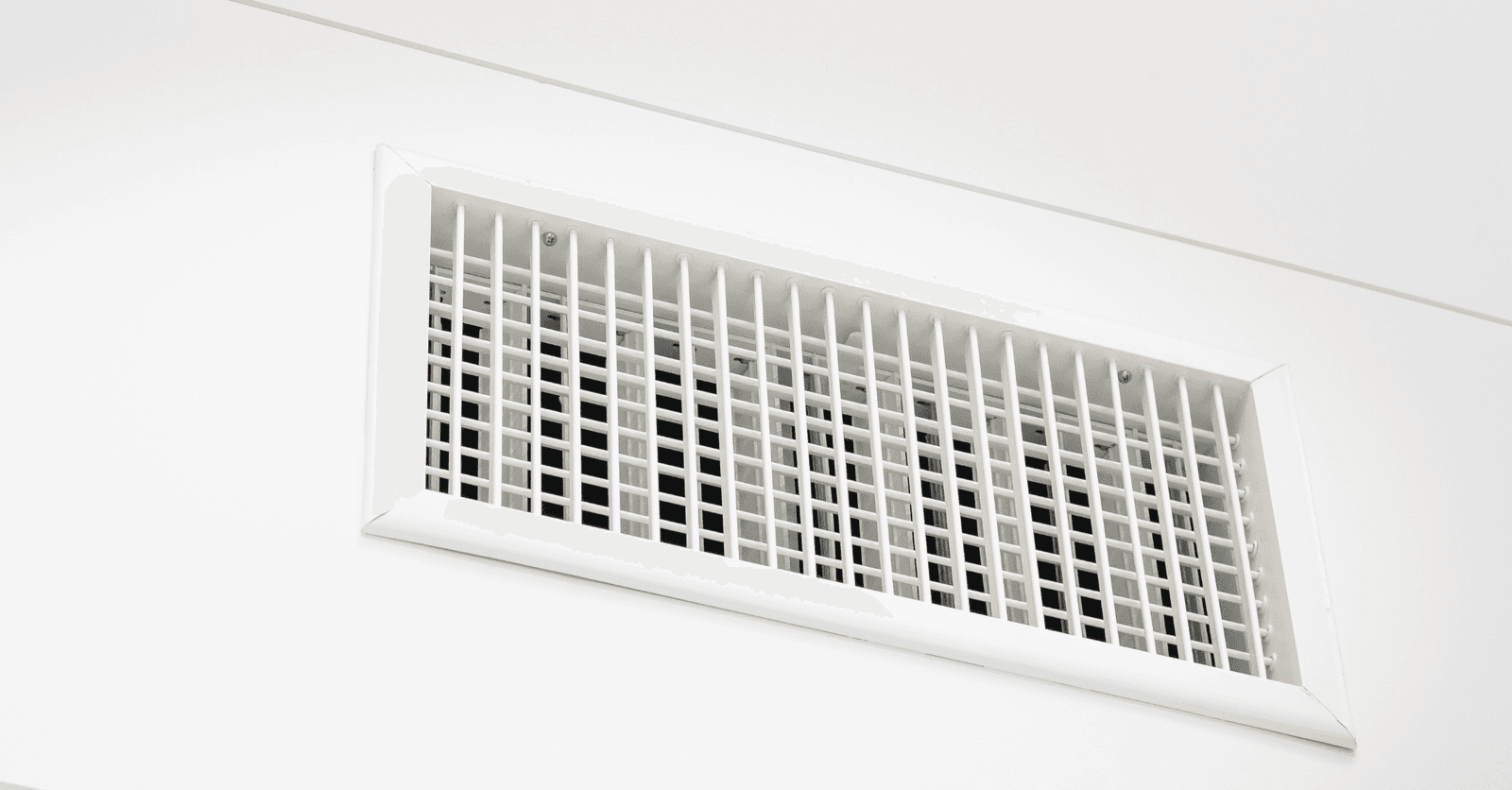
Natural ventilation, also known as passive ventilation, doesn’t require any other type of energy than natural forces. Evidently, when needed, a building’s natural ventilation can be mechanically ensured, courtesy of various CMV (controlled mechanical ventilation) systems. However, equipped with valuable tips, you’ll be able to use passive ventilation in an optimal fashion.
Cynthia Pigeon
•08 Jul 2026
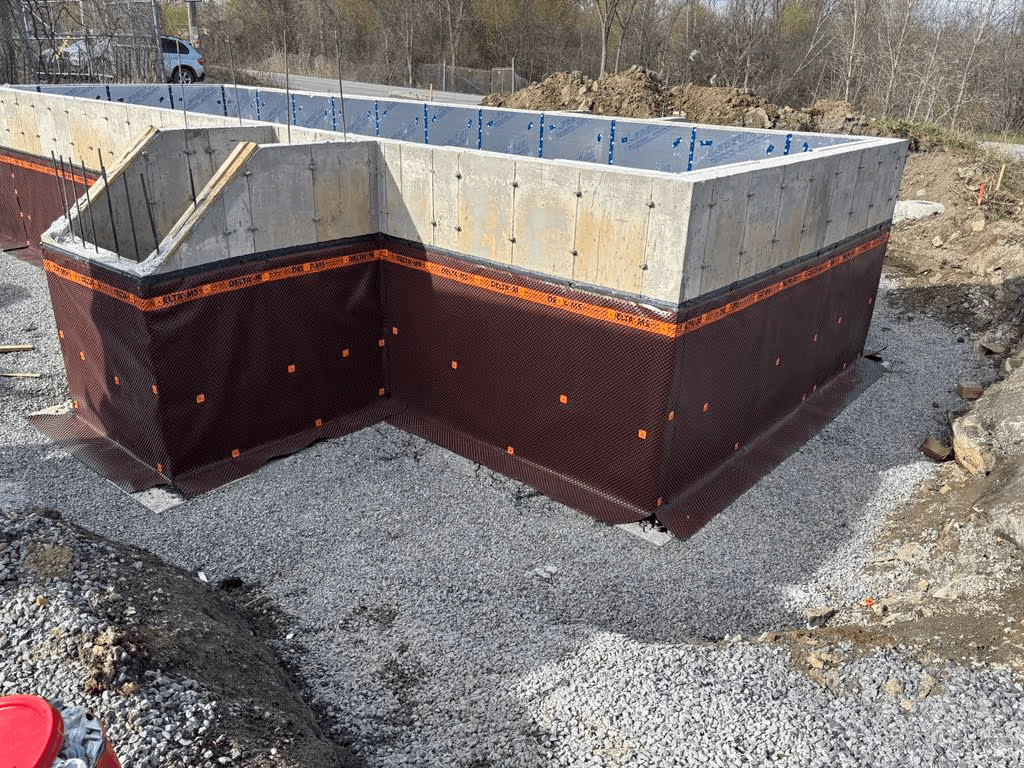
For homeowners in Quebec, managing moisture and water around foundations is a major challenge. Basement water infiltration can quickly cause significant damage, whether structural or not, while also promoting mould growth that can be health-hazardous. When facing this issue, foundation waterproofing is one of the most durable solutions, especially when combined with an effective drainage system.

Editorial Team
•20 Jan 2024
A septic tank with faulty waterproofing is evident through foul smells, drainage problems, or even wastewater backing up into your home.

Editorial Team
•08 Nov 2023
Who wouldn't like to add a hint of wood to their decor or integrate it as part of a construction project? Wood suits almost every aesthetic, it's available in countless different finishes, can be used for just about anything, is derived from a renewable source, and is perfect to scaffold zero-carbon buildings.