Window Frames in Canada: How to Choose the Right Option?
By Editorial Team
Updated on April 1, 2026

When choosing your window frames in Canada, you should prioritize strong thermal resistance (RSI of the building envelope), high window performance (energy rating – ER), and durability against major temperature fluctuations. PVC or hybrid (PVC/aluminum) models certified by ENERGY STAR are among the most effective options for reducing heating costs and preventing winter condensation. Installation that complies with applicable provincial regulations and building code requirements is essential to ensure the airtightness of your building envelope and eligibility for government rebates or financing programs.
Get Your Project Started Today
Submit your details and receive three free quotes from trusted contractors.
Everything You Need to Know About Choosing Window Frames in Canada
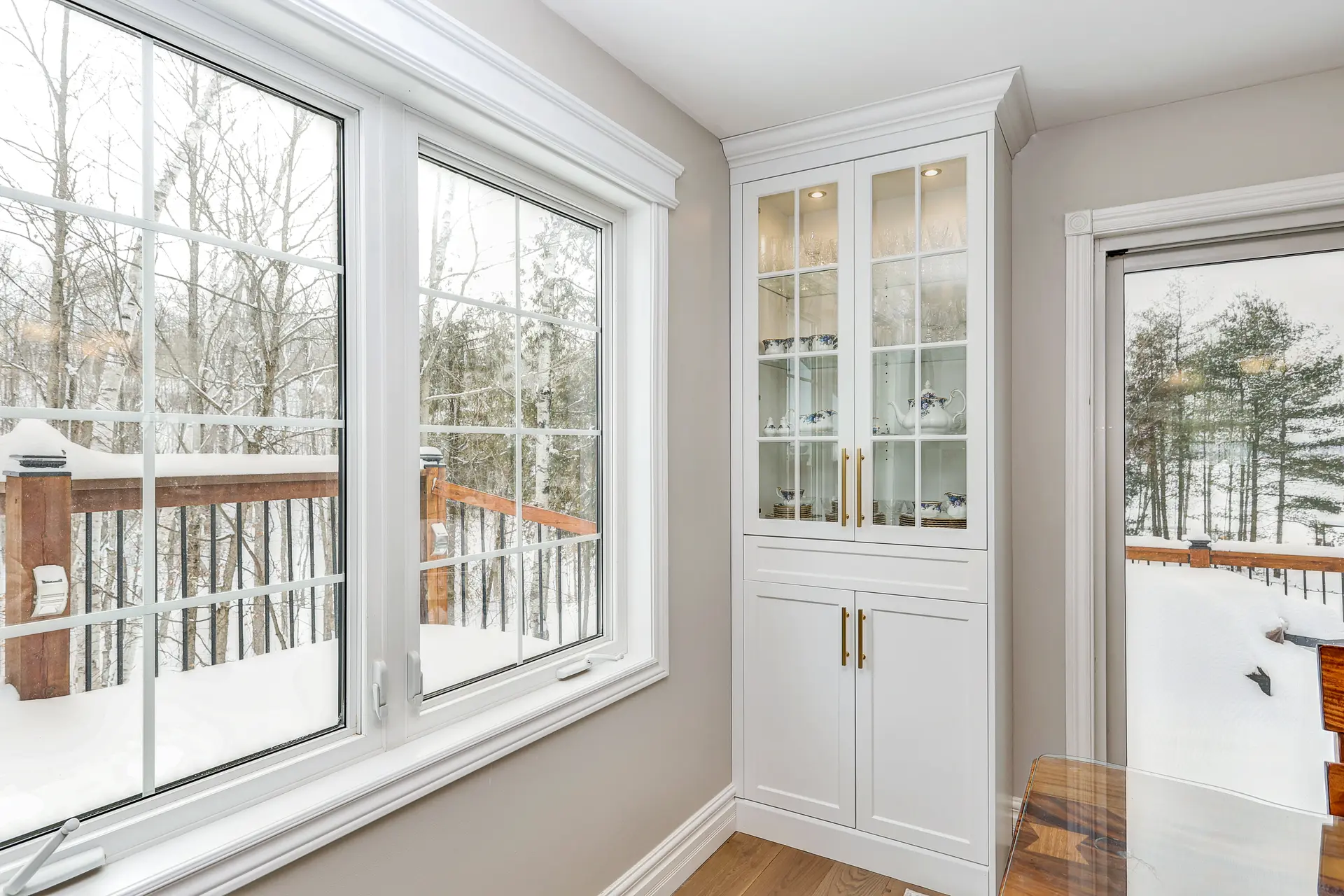
Source: KAHU FINE CABINETRY
In Canada, a window is not just a decorative element—it’s a critical barrier against climates that can vary from extremely cold winters in Quebec, Ontario, and the Prairies to milder but still damp and windy conditions in coastal regions. For homeowners, shopping for new window frames is one of the most cost-effective investments to improve indoor comfort and property resale value.
The performance of your windows relies on three pillars: the frame material, the type of glazing, and the quality of installation. Making the right choice not only helps reduce your heating and cooling bills, but also eliminates drafts and condensation issues that can lead to mould.
Materials Suited to Canada’s Climate
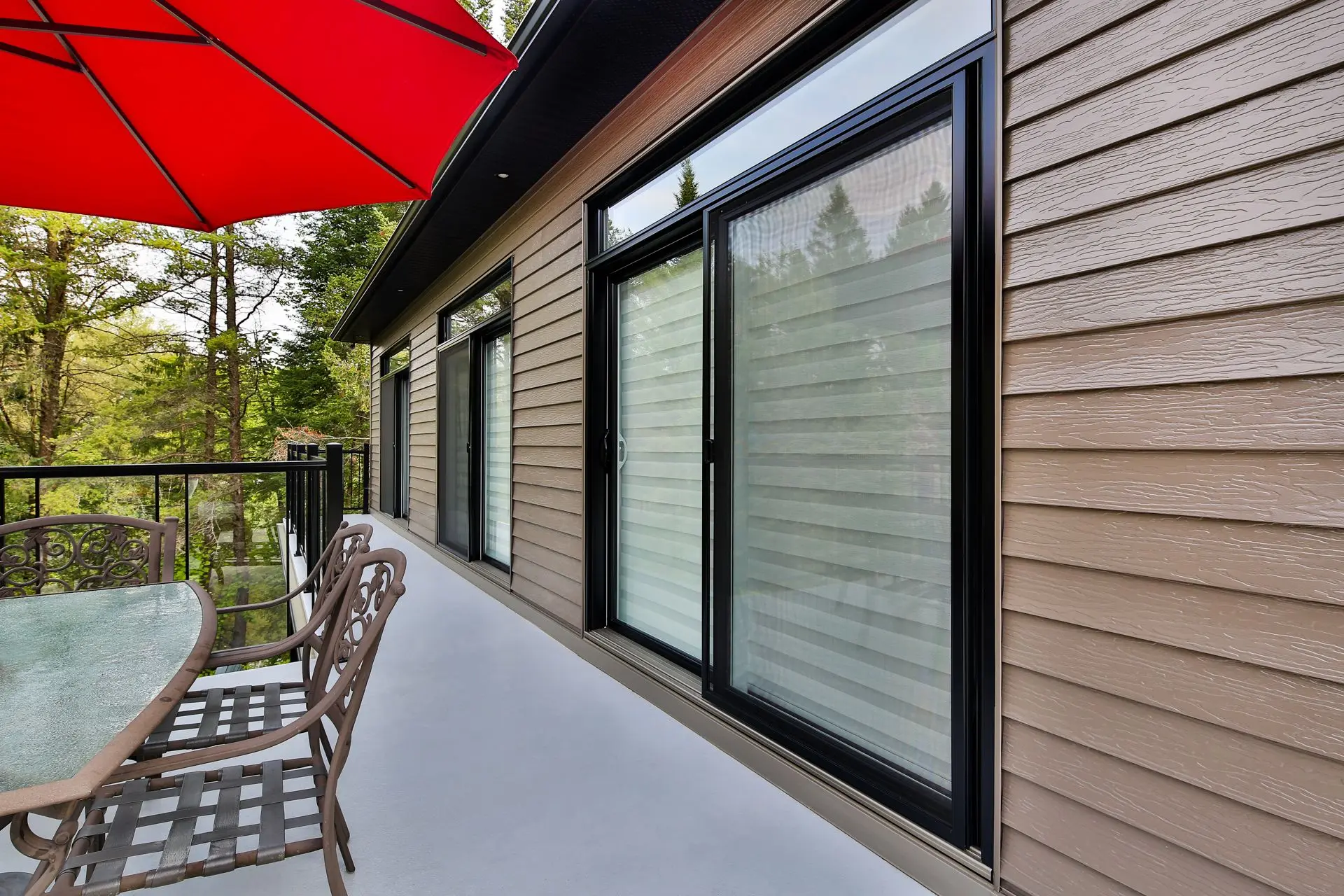
Source: Portes et Fenêtres Rive-Sud
The Canadian market mainly offers three categories of materials. The challenge is selecting a frame that won’t warp under repeated freeze-thaw cycles, temperature swings, humidity, and wind exposure, while minimizing thermal bridging (heat transfer from outside to inside).
PVC: The Cost-Effective, High-Performance Option
Polyvinyl chloride (PVC) is by far one of the most popular materials for single-family homes across Canada. Why? Because it offers one of the best price-to-performance ratios in terms of insulation.
Low thermal conductivity: Unlike metals, PVC is a natural insulator and doesn’t transfer cold indoors.
Low maintenance: Simple cleaning with soapy water is enough. It doesn’t require painting and resists moisture.
Airtightness: PVC frame corners are typically fusion-welded, creating a strong barrier against air and water infiltration.
However, for very large openings, PVC may lack structural rigidity compared to aluminum, which leads us to more robust options.
Aluminum and Hybrid Models: Strength and Design
Pure aluminum is often reserved for commercial use due to its high thermal conductivity, but hybrid models have transformed the residential market. These typically combine an interior PVC frame (for insulation) with an exterior aluminum cladding (for strength and aesthetics).
Wind resistance: Ideal for exposed regions, including coastal areas, open rural landscapes, and mountainous zones, aluminum helps prevent frame deformation under pressure.
Modern look: Slim profiles maximize glass surface area, and aluminum offers a wide range of colours compared to PVC.
Durability: Powder-coated aluminum resists UV rays and scratches exceptionally well.
If you’re aiming for a contemporary design with high thermal performance, hybrid frames are one of the best options in Canada.
The Importance of Energy Efficiency (ER)
During your research, you’ll often encounter the Energy Rating (ER). This is one of the most reliable metrics for objectively comparing windows in Canada.
ER is calculated based on three factors:
U-value: Rate of heat transfer (lower is better)
Solar Heat Gain Coefficient (SHGC): Ability to capture solar heat in winter
Air leakage: Overall airtightness of the frame
In Canada, it’s strongly recommended to choose ENERGY STAR-certified windows. These typically feature double- or triple-glazing, Low-E coatings, and argon gas between panes. According to Natural Resources Canada, upgrading from single-pane to ENERGY STAR windows can reduce energy costs by approximately 12% to 15%.
Pro tip: In colder regions of Canada, triple glazing is a smart investment. While heavier and more expensive, it virtually eliminates cold wall effects near windows.
Installation: Why Hire a Certified Expert?
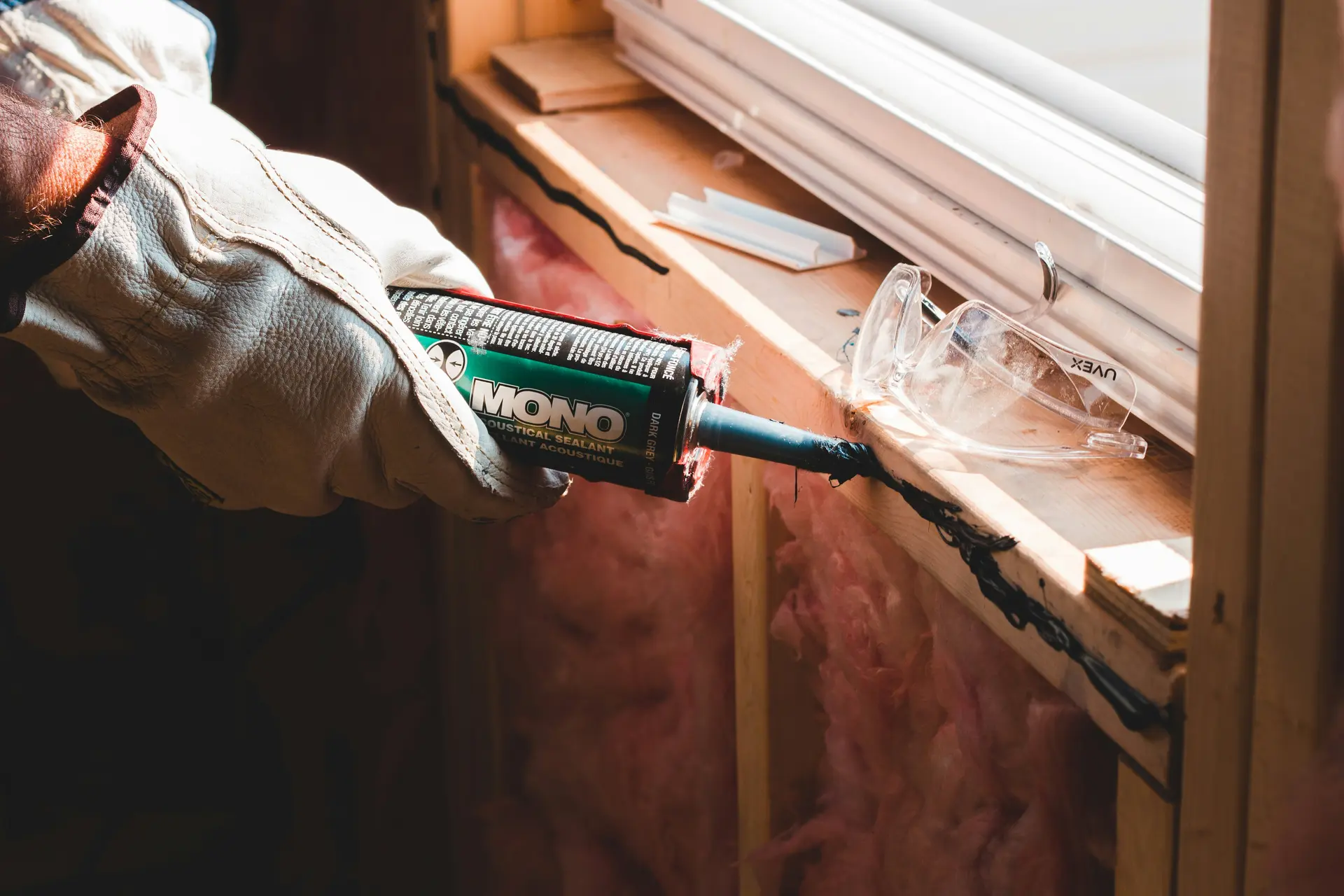
Source: SunStar
Even the best window frame is useless if poorly installed. In Canada, window installation must follow applicable provincial requirements and recognized best practices.
Provincial compliance: Installers should hold the licences or certifications required in your province, ensuring proper qualifications and protection against faulty workmanship.
Airtight sealing: Professional installation includes insulating the gap between the frame and structure (polyurethane foam or mineral wool) and proper exterior caulking. Poor sealing is one of the leading causes of water infiltration and structural rot.
Levelling: A misaligned frame leads to premature wear and difficult operation of opening mechanisms.
Grants and Financial Assistance

Source: RenoQuotes
Provincial governments, utilities, and federal programs may encourage replacing inefficient windows with high-performance models.
Provincial or utility rebate programs: Some provinces and energy providers offer rebates for ENERGY STAR-certified windows.
Canada Greener Homes Loan: Up to $40,000 interest-free for major renovations, including windows.
Tax credits: Periodic provincial credits may be available for eco-friendly renovations.
Important: To qualify, your windows usually need to be on the ENERGY STAR-approved list for your climate zone. Keep all invoices and certification labels.
Conclusion: A Long-Term Investment in Comfort
Replacing your window frames in Canada is not just an expense—it’s a long-term investment in your property. By choosing materials such as PVC or hybrid frames that ensure a high RSI value and hiring a qualified professional, you can secure comfort and performance for the next 25 years.
Before signing a contract, always compare at least three quotes and pay attention to details like screens and hardware—small elements that make a big difference in everyday use.
Looking for something else?
Related articles
The latest industry news, interviews, technologies, and resources.

Cynthia Pigeon
•03 Nov 2025
Are your living room windows looking a little drab for your liking? Lucky for you, the various models available on the market are as ample as they are diverse! Should you be struggling to find the perfect model for your living room, check out the following models that are sure to help you make up your mind, regret-free.

Cynthia Pigeon
•31 Mar 2025
How many windows does your home need? Where should they be placed? Do basement windows have specific safety requirements? Whether you are looking to enhance your home’s energy efficiency, improve its exterior appeal, or tackle a DIY renovation, understanding the regulations surrounding window installation is crucial.

Editorial Team
•01 Apr 2026
Over the last few years, several types of paint have been banned due to the risks they pose to exposed professionals and dwellers alike. Today, numerous manufacturers affirm that their products are safe and reliable, even eco-friendly, further validated by specific logos featured on their labels. However, the composition of certain types of paint is far from reassuring.

Editorial Team
•12 Mar 2026
Balcony decking is as abundant as it is diverse. While wood ranks amongst the top favourites, fibreglass isn’t far behind, quickly gaining popularity.

Editorial Team
•08 Nov 2023
The living room is almost exclusively devoted to enjoyable activities: watching television, getting together with the family, resting, playing video games and so on. As a result, practicality and comfortability are priorities when it comes to organizing the living room's layout.