
We’ve all heard of smartphones; at this point, they’re practically embedded into our everyday lives. So, if your phone can be smart, why not your entire home? Given the rate at which technology is evolving, rest assured, it can be done.
What are the upsides to smart home technology in terms of safety, streamlined daily routines, and eco-consciousness? If home automation has piqued your interest, keep reading to discover five ways of integrating it into your home.
Home Automation Systems Make for Smart, Connected Dwellings
1- Smart locks: Automated home door locks
Source: Canva
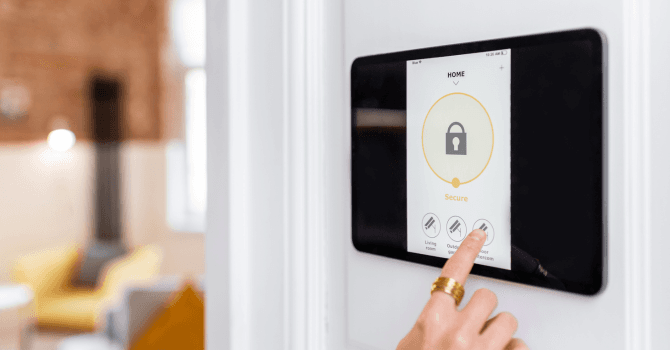
This may seem like a fairly easy daily task to carry out, but misplacing or losing your key set is a genuine issue that may creep its ugly neck once in a while. Calling in a locksmith isn’t cheap, especially if it’s a recurring expense. Smart locks can come in quite handy!
Upon installing a smart lock system, your front door will lock and unlock automatically as you come and go from your residence. This automated feature is managed through your smartphone, allowing your family members the same access, which you can extend to houseguests and close neighbours.
Since all smartphones are fitted with a GPS, simply select your home’s geo-location through the dedicated app to activate said function. There are a few apps on the market already, and choosing one ultimately comes down to product reviews and personal preferences.
Connect to your smart lock app, select the “home” zone, and unlock or lock your front door as you please. This feature is especially convenient if you, or a family member, constantly misplaces their keys.
2- Home automation: Smart lighting system
Source: Canva
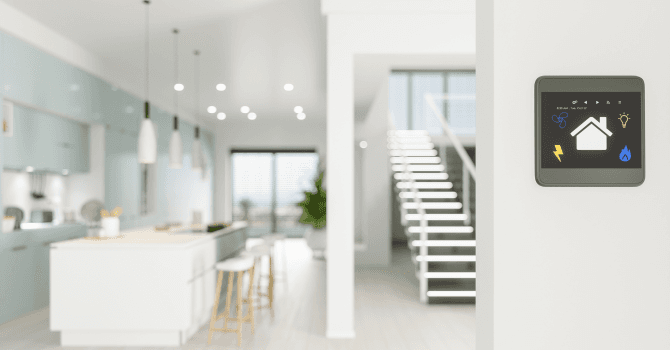
Lights account for a huge part of your home’s energy consumption, and this can be anywhere between 20–30% of your utility bill. If you’re trying to cut costs, or are concerned about the state of the environment, and looking into eco-friendly solutions, why not consider a smart lighting system for your home?
Smart lighting is just another brilliant home automation feature; it can be a real money saver, helping you better understand your needs, as this system is tailored to your daily routine.
User preferences include light settings customized to the desired brightness, whether that be as you awake or at nightfall. If you’re going on vacation and prefer to convey life in an unoccupied dwelling as an additional safety measure, this function can be highly useful.
Smart lights are managed via light bulbs and switches that are compatible with most available smartphone applications. However, you may need to purchase a smart lighting kit suited to the devices that are already installed throughout your home and around your property.
You’ll be able to choose between controlling several light bulbs or a single one with the push of a button. As mentioned, home lighting is entirely customizable, meeting your specific daily needs. Furthermore, if you routinely forget to turn off lights, smart home lighting is the perfect quick fix.
3- Installing a smart heating device

Source: Canva
Given that we’ve already mentioned money-saving tips with the use of smart home technology, note that installing a smart thermostat is another way to do so. With a smart thermostat, which is managed via a home automation system, homeowners can control their HVAC systems.
A smart thermostat is a great device, ensuring all the rooms around the home are set to a comfortable temperature. For example, you can use your smart thermostat to adjust the temperature in any given room to a specific setting, based on the time of day, mirroring your comings and goings.
Also, note that your smart thermostat has to be connected to an app, allowing you to manage the settings, heating and cooling the rooms of your house as you see fit, whether they’re used or unoccupied. Not only will this enable specific enclosed areas to reach desired temperature settings when necessary, but it’ll also automatically cut costs and improve the system’s overall efficiency. Too good to be true? We beg to differ…
4- Smart security: Automated home monitoring devices
Source: Canva
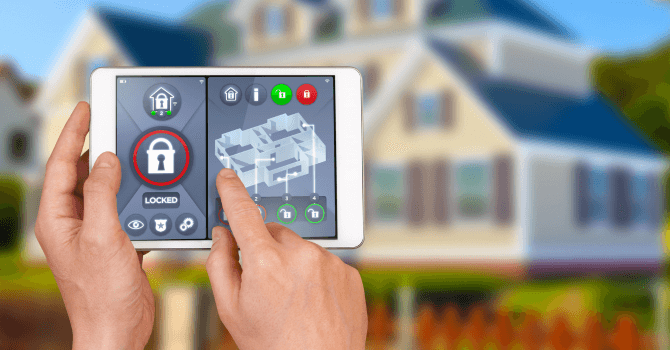
Home security systems are designed to strengthen your safety at home. But what if you can’t afford home security devices given the steep monthly rates and installation fees? Bear in mind that most home automation systems feature a door-locking system that can be accessed from just about anywhere.
Using smart home technology with a dedicated app allows for additional security measures, including alarm activation if unusual motion is detected. Most often, homeowners can install motion detectors on window sills and doors, ensuring they're notified of any suspicious activity around their home. Depending on the app you’re using, you may get a visual of what’s happening inside your home, too!
5- Home automation solutions for water management

Source: Canva
Besides the energy consumption through home lighting and power use, water is another major source of energy loss. Whether it’s by taking a shower every morning before work or washing dishes every night after dinner, chances are, you’re using a fair amount of water. Smart showerheads and touchless faucets are two technologies that can easily be integrated into an already smart home.
Smart irrigation systems prevent water waste and cut utility costs, and, not unlike the above-mentioned features, are managed via an app. In some cases, newer models are weather-responsive, allowing the system to handle lawn watering needs.
How Much Does It Cost to Set Up a Home Automation System?
The cost of installing a home automation system depends on the selected features, installation complexity, and labour costs. Below is a general overview of the costs involved:
Basic systems: Smart lighting, smart thermostat, security cameras, smart locks, etc.
Cost: Between $100–$500Mid-range systems: Automated security, entertainment system, blind and shutter control, etc.
Cost: Between $200–$5,000High-end systems: Fully automated home with state-of-the-art integration
Cost: Between $10,000–$50,000 and more
What Are the Downsides to Home Automation?
Despite its numerous advantages, home automation still has a few drawbacks. High initial costs can be a significant hurdle for many homeowners. Moreover, installation complexity and configuration can be challenging, often requiring the help of experienced professionals. Then, there’s the question of data security and privacy, which can be quite concerning. As such, it’s crucial to carefully weigh the pros and cons before integrating smart technology into your home.
Looking for something else?
Related articles
The latest industry news, interviews, technologies, and resources.

Editorial Team
•08 Nov 2023
More and more people are foregoing the services of a general contractor and building their homes themselves. It’s a long-term project that requires one to partake in training and be properly informed in regard to everything related to home building.

Editorial Team
•15 May 2026
Mineral wool and fibreglass may be more familiar options, but home insulation is rarely the most exciting renovation project to tackle. That said, it can make a noticeable difference on your heating bill and improve soundproofing in your walls. So why not choose a greener and more efficient material? Let’s take a closer look at cellulose.
Editorial Team
•11 Oct 2024
Smart technology isn't just changing the way we live at home and function at work - it's revolutionizing the rental property market. For investors and landlords, integrating smart devices into rental apartments isn't just about attracting tech-savvy tenants; it's about adding value, increasing security, and improving operational efficiency.
Amanda Harvey
•08 Nov 2023
When building a new home, air barriers are not always part of the equation. However, air barriers are crucial structures that assist in aiding with energy efficiency as well as maintaining a comfortable and cozy home environment.

Editorial Team
•25 Feb 2026
Spring renovation season fills up fast—and the contractors who plan early don’t just win more leads, they deliver more projects on time. If you want to book early spring projects before competition ramps up, you need two things working together: steady lead generation and a reliable crew to complete the work you sell.