Carrier Heat Pump: Top Models, Prices, and Rebates in Canada
By Editorial Team
Updated on October 26, 2026
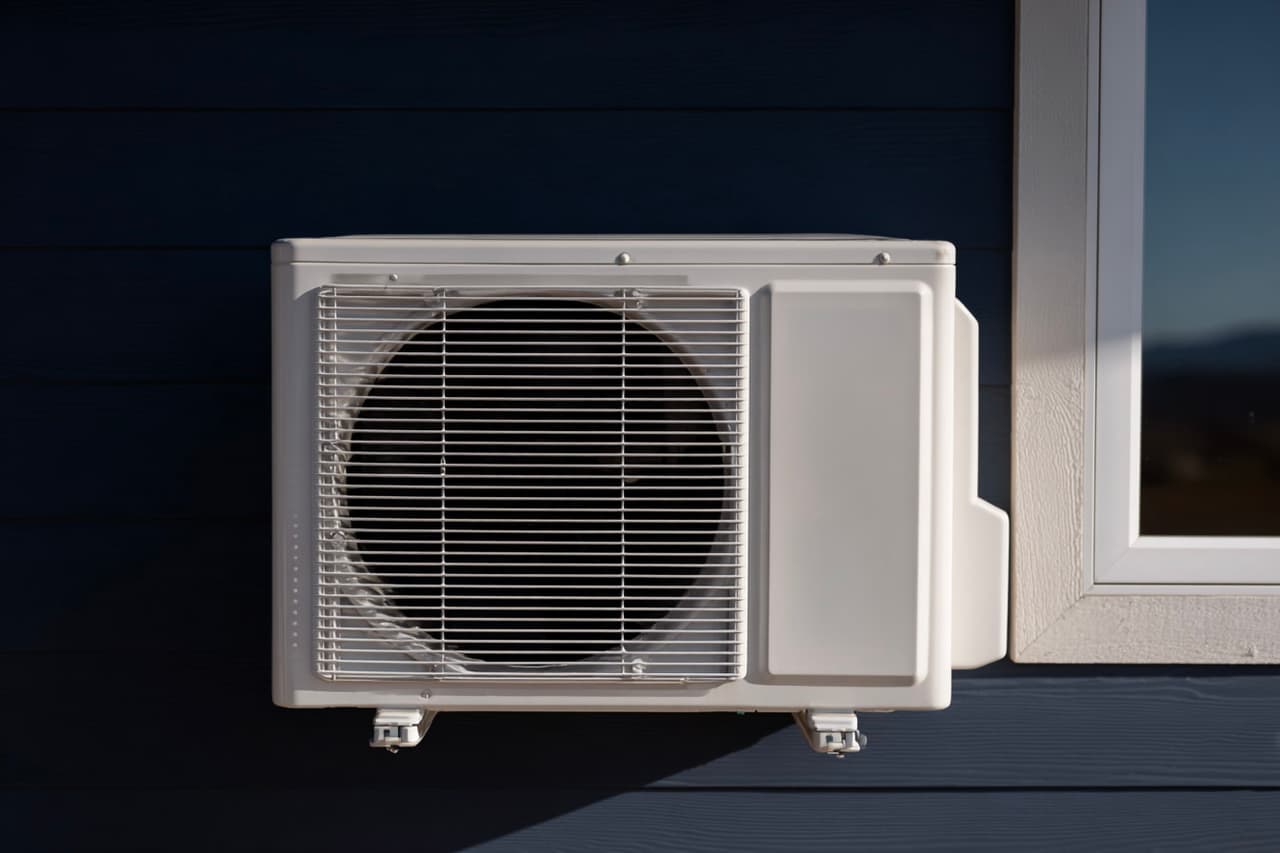
A Carrier heat pump costs about $6,000 to $18,000 installed in Canada, depending on the series, size, and installation. A premium Infinity ducted system in Metro Vancouver can reach $22,000, while an entry-level Comfort model sits at the low end of the range.
This guide compares the Carrier models sold in Canada, explains what drives the installed price, and lists the rebates available in 2026, including the new National Heat Pump Rebate. It also covers Carrier's key features, warranty, lifespan, and how to choose an installer.
How much does a Carrier heat pump cost in Canada?
Source: Reno Quotes
Carrier doesn't publish installed prices, so the figures below come from Canadian installers and cost guides. They include the equipment and installation.
Installed Price by Series
Carrier series | Type | Typical installed price |
Infinity (27VNA1, 27VNA3) | Premium variable-speed, ducted | $10,500 to $15,000 |
Performance and Comfort | Ducted | $7,000 to $11,000 |
All Carrier heat pumps | Ducted and ductless | $6,000 to $18,000 |
Regional Price Examples
Region | System | Installed price |
Metro Vancouver, BC | Infinity ducted heat pump on existing ductwork | $12,000 to $22,000 |
GTA and Southern Ontario | Carrier heat pump with a Performance furnace (dual fuel), 2.5 to 5 tons | $9,782 to $13,457 |
The Ontario packages pair a heat pump with a gas furnace for backup heat, which is why they cost more than a heat pump alone at similar sizes.
What Adds to the Price
System size: A 4- or 5-ton heat pump for a large home costs more than a 2-ton unit.
Series and compressor: A variable-speed Infinity model costs several thousand dollars more than a single-stage Comfort model.
Electrical panel upgrade: If your panel can't support the heat pump, an upgrade can add roughly $2,500 to $6,000.
Ductwork condition: Leaky or undersized ducts may need repairs before a ducted heat pump can work efficiently.
Backup heat: Adding or keeping a furnace for a dual-fuel setup raises the upfront cost.
Number of zones: Each additional indoor unit in a ductless system adds equipment and labour.
The Best Carrier Heat Pump Models in Canada
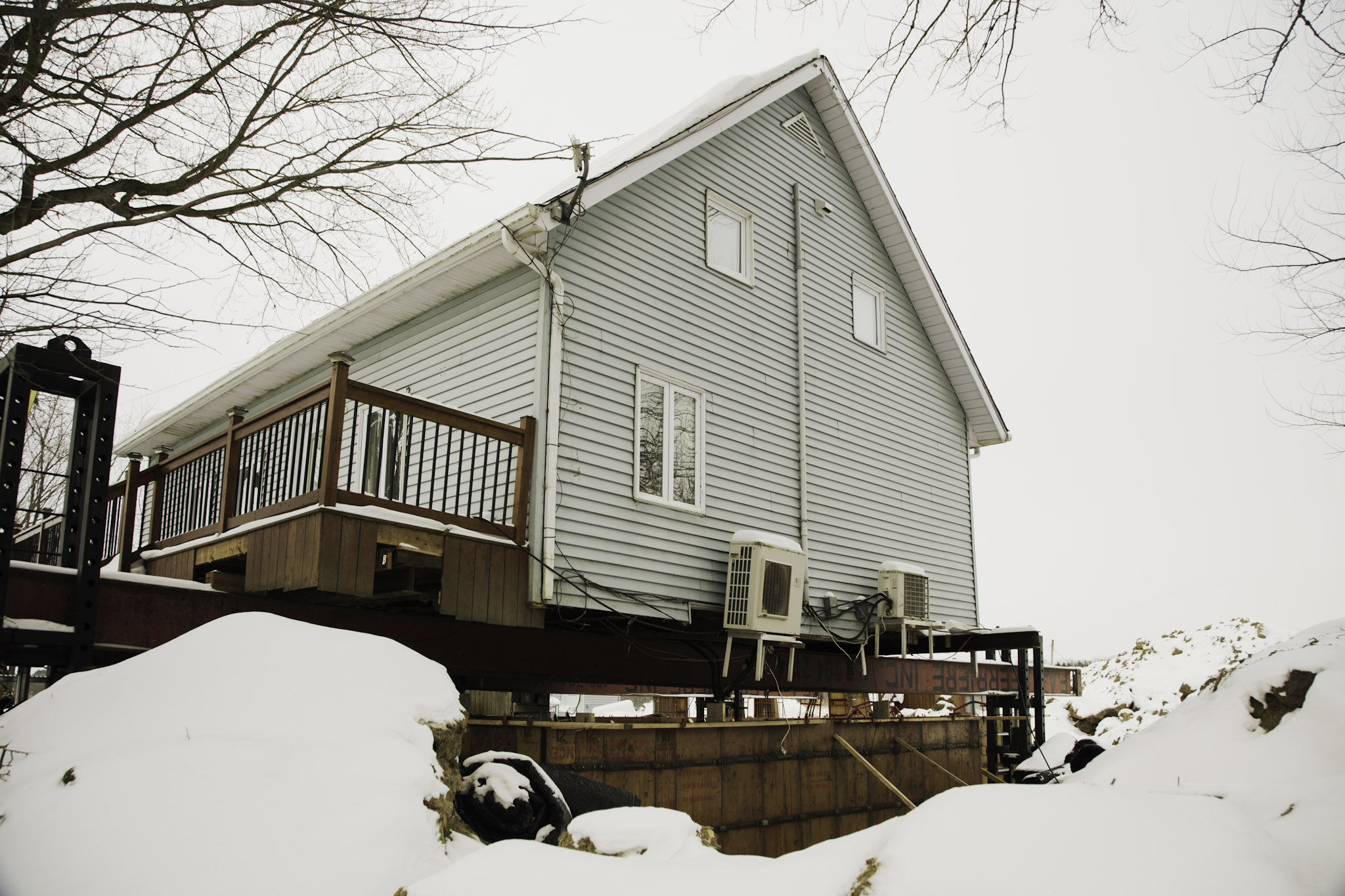
Source: DEMCO Canada
The five ducted models below appear on Carrier's Canadian website. Ratings depend on the exact pairing of outdoor and indoor units, so always ask your installer for the certified ratings of the system they quote.
Infinity 27VNA1: Built for Extreme Cold
The 27VNA1 is Carrier's ultimate cold-climate heat pump and the strongest choice for harsh Canadian winters. It operates down to about -30°C and keeps 100% of its rated heating capacity down to about -15°C. Its variable-speed compressor adjusts between 30% and 100% capacity, so it delivers only the heating or cooling the home needs.
It's rated up to 21 SEER2, 13 EER2, and 12.5 HSPF2, the highest heating efficiency among Carrier's ducted models, with sound levels as low as 55 decibels.
Infinity 27VNA3: Carrier's Most Efficient Model
The 27VNA3 is the most efficient heat pump Carrier makes for cooling, rated up to 23 SEER2 and 10.5 HSPF2. It runs as quietly as 53 decibels and heats down to about -25°C, using Carrier's newer Puron Advance refrigerant. Its variable-speed compressor and advanced defrost make it a strong choice for homeowners who want top efficiency in most Canadian climates.
Infinity 27VNA0: Quiet Variable-Speed Comfort
The 27VNA0 brings Infinity variable-speed comfort at a lower price than the 27VNA1 and 27VNA3. It's rated up to 20 SEER2 and 9.5 HSPF2, is ENERGY STAR certified, runs as quietly as 54 decibels, and heats down to about -24°C. It suits homes in milder parts of Canada or homes with backup heat.
Performance 38MURA: Compact Variable-Speed Option
The 38MURA is a compact variable-speed heat pump in Carrier's mid-range Performance series. It's rated up to 18 SEER2 and 9.8 HSPF2 depending on size, runs as quietly as 54 decibels, and its high-heat models operate down to -30°C. Its small footprint makes it useful where space beside the house is tight, and it pairs with the 40MUAA fan coil and Carrier's crossover solutions.
Comfort 27SCA5: The Budget Single-Stage Model
The 27SCA5 is Carrier's entry-level heat pump, rated up to 16 SEER2 and 8.1 HSPF2. It uses a single-stage compressor, so it runs at full output and cycles on and off rather than adjusting gradually. At about 70 decibels, it's noticeably louder than the Infinity models, but a properly sized and installed unit can still perform well, especially with backup heat.
Model Comparison Table
Model | Series | Compressor | Efficiency (up to) | Heating operation down to | Minimum sound level |
27VNA1 | Infinity | Variable-speed | 21 SEER2 / 12.5 HSPF2 | About -30°C | 55 dB |
27VNA3 | Infinity | Variable-speed | 23 SEER2 / 10.5 HSPF2 | About -25°C | 53 dB |
27VNA0 | Infinity | Variable-speed | 20 SEER2 / 9.5 HSPF2 | About -24°C | 54 dB |
38MURA | Performance | Variable-speed | 18 SEER2 / 9.8 HSPF2 | -30°C (high-heat models) | 54 dB |
27SCA5 | Comfort | Single-stage | 16 SEER2 / 8.1 HSPF2 | Not published | 70 dB |
Carrier Ductless Mini-Splits for Homes Without Ducts
If your home has no ductwork, Carrier's ductless systems heat and cool individual rooms or zones. Several models sold in Canada are rated for very cold climates:
Model | Series | Efficiency (up to) | Cold-weather operation |
38MARB | Performance | 28.1 SEER2 / 12.4 HSPF2 | Heating down to -30°C on most sizes (-25°C on the largest and 115V models) |
37MAHAQ | Infinity | 27.5 SEER2 / 14.8 HSPF2 | Heating down to -30°C, with 100% capacity at -15°C |
37MBHAQ | Infinity | 21.3 SEER2 / 11.1 HSPF2 | Heating down to -30°C |
Key Features and Environmental Benefits of Carrier Heat Pumps
Beyond efficiency ratings, Carrier's features affect comfort, noise, and long-term running costs. Most of the advanced features are found in the Infinity series.
Variable-Speed Comfort and Humidity Control
Carrier's variable-speed compressors adjust output in small steps instead of switching between on and off, which keeps temperatures steadier. Performance models often use two-stage compressors, which offer a middle ground between single-stage and variable-speed operation.
Variable-speed models also run longer at low speed, which removes more moisture from the air in summer. According to Carrier's testing, the Ideal Humidity System on its top Infinity models can remove up to 400% more moisture than standard systems.
Quiet Operation
Sound levels vary widely between series. Infinity models run as quietly as 53 to 55 decibels, and Carrier's top models use Silencer System II components to reduce airflow noise and vibration. The single-stage Comfort 27SCA5 runs at about 70 decibels, which matters if the outdoor unit sits near a bedroom, patio, or neighbour's window.
Smart Controls and Remote Monitoring
Infinity System control: It manages variable-speed Infinity systems for the most precise temperature and humidity control.
ecobee for Carrier smart thermostat: It controls Performance and Comfort systems, including from a phone.
Carrier SmartHome app: It lets you adjust temperatures, create schedules, and monitor comfort from anywhere.
InteliSense technology: On models like the Performance 27SPA6, paired with an ecobee for Carrier thermostat and data sharing enabled, it lets your dealer remotely monitor system health and troubleshoot problems.
Over-the-air updates: Infinity models such as the 27VNA0 support remote monitoring and software updates.
Durability and Indoor Air Quality
Some Carrier models use a WeatherArmor Ultra cabinet to withstand weather and impacts, and the 27VNA1 uses an advanced defrost that runs only when needed and stops once the coil is clear of frost. Infinity systems can also pair with Carrier's whole-home air purifier for better indoor air quality.
Sustainability and Environmental Impact
Carrier's newer heat pumps use Puron Advance (R-454B) refrigerant, which Carrier says has 75% lower global warming potential than its original Puron refrigerant. Many models are also ENERGY STAR certified, which identifies the most energy-efficient products in each category.
Switching to a heat pump is a form of electrification: replacing fossil-fuel heating with an efficient electric system. According to the federal government, heat pumps use less than half the electricity of electric furnaces or baseboards, and households heating with oil or electric baseboards save about $1,400 a year on average. Heat pump rebates are part of Canada's national electricity strategy, which aims to double the capacity of the country's grid by 2050.
Durable components also reduce environmental impact, since a system that lasts longer needs replacing less often. Variable-speed heat pumps run more efficiently at partial load, which lowers long-term energy use. For the longest service life, ground-source (geothermal) heat pumps can exceed 20 years, compared with 10 to 15 years for typical air-source models.
Understanding Carrier's Ratings and Product Lines
Source: Reno Quotes
Carrier's three series and its efficiency ratings can look similar on paper. Here's what actually separates them.
Infinity, Performance, and Comfort: How the Series Differ
Series | Compressor | Comfort and sound | Best for |
Infinity | Variable-speed | Steadiest temperatures and the quietest operation | Cold climates, larger homes, and noise-sensitive locations |
Performance | Two-stage or variable-speed | Fewer temperature swings than single-stage | A balance of price and comfort |
Comfort | Single-stage | Runs at full output, louder | Tighter budgets and simpler homes |
What SEER2, HSPF2, and EER2 Mean
SEER2: It measures cooling efficiency over a typical season, and a higher number means lower cooling costs.
HSPF2: It measures heating efficiency over a heating season, and it matters most in Canada.
EER2: It measures cooling efficiency at a single high outdoor temperature.
ENERGY STAR certification: It identifies models that meet efficiency criteria, and it's often required for rebates.
Compare SEER2 only with SEER2, and HSPF2 only with HSPF2. Older ratings without the "2" use a different test and aren't directly comparable.
Ducted, Ductless, or Dual Fuel?
Ducted: It uses your existing ductwork to heat and cool the whole home, and the ducts should be checked for leaks and airflow first.
Ductless: It heats and cools specific rooms or zones and suits homes without ducts or additions.
Dual fuel (Hybrid Heat): It pairs a heat pump with a gas furnace and switches automatically between them depending on outdoor temperature and cost.
Heat Pump Rebates for Carrier Systems in 2026
Rebates can cut thousands of dollars from the cost of a Carrier heat pump, but federal programs have changed significantly in 2026.
Federal Programs
The Canada Greener Homes Grant closed in 2024, the Canada Greener Homes Loan closed to new applications on October 1, 2025, and the Oil to Heat Pump Affordability program closed on July 31, 2026.
On October 8, 2026, the federal government announced a new National Heat Pump Rebate. Households with incomes below the median will be eligible for up to $10,000, and other eligible households for $2,000. The program is expected to launch in early 2027, will be retroactive to fall 2026, and can be combined with provincial programs. Eligible heat pumps must appear on the government's eligible products list.
Provincial Rebates
Province | Program | Rebate |
Ontario | Up to $7,500 ($1,250 per ton) in homes not heated by natural gas; up to $2,000 ($500 per ton) in gas-heated homes | |
British Columbia | BC Hydro and CleanBC | Up to $4,000 when a heat pump replaces electric heat for the whole home; $1,500 when it meets 50% or more of the home's heating needs |
Manitoba | Efficiency Manitoba | $2,000 for a ducted system |
Nova Scotia and New Brunswick offer smaller amounts. In Ontario, you need pre-approval through a participating contractor before work starts, so confirm eligibility before you sign a quote.
How to Choose a Carrier Heat Pump Installer
Source: Reno Quotes
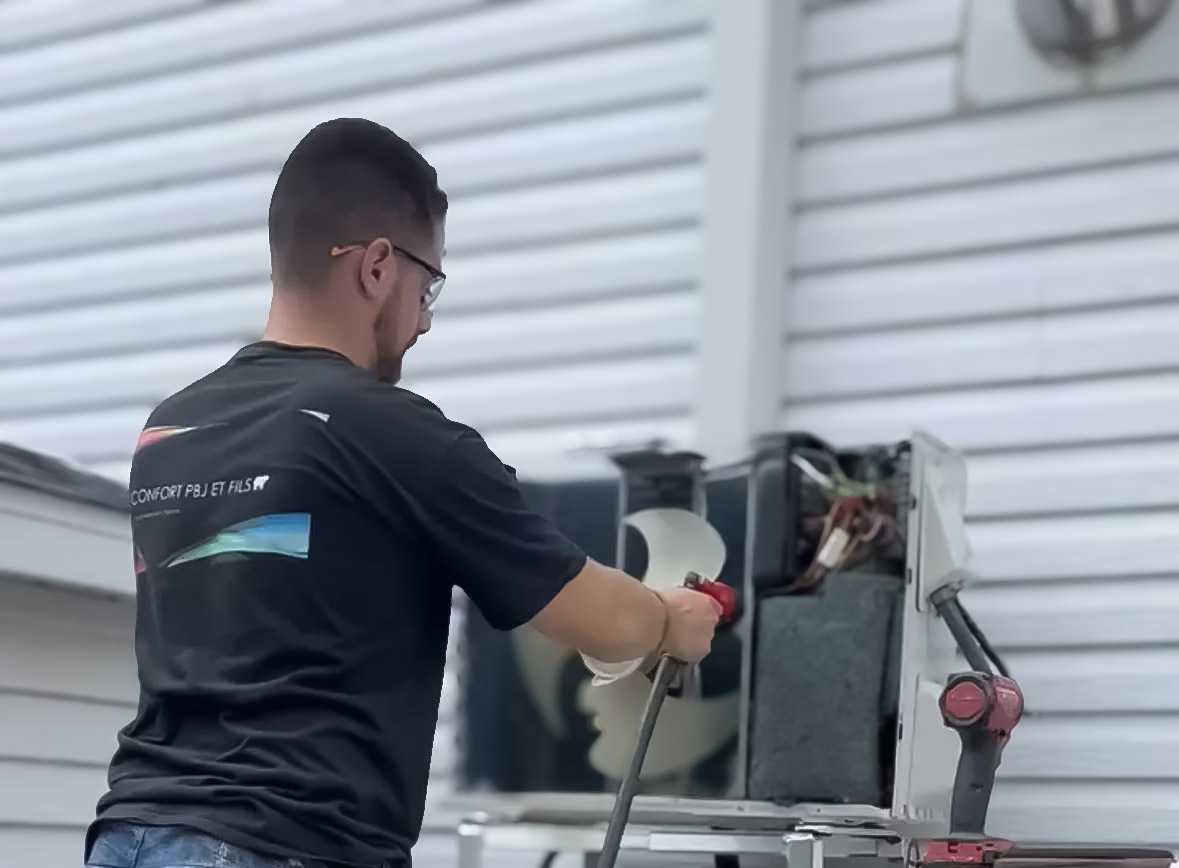
Installation quality matters as much as the model you choose. Before you sign, make sure the installer covers these points:
Heat load calculation: It sizes the system for your home, since an oversized or undersized heat pump loses efficiency and comfort.
Matched system quote: The quote should name the exact outdoor and indoor units, because the pairing determines the certified ratings.
Rebate eligibility: Ask the installer to confirm the system is on the eligible products list and to handle any pre-approval.
Electrical and ductwork checks: The installer should confirm your panel capacity and duct condition before quoting.
Warranty registration: Make sure the system is registered after installation to secure the full warranty.
Carrier installers price the same system differently, and quotes can vary by thousands of dollars. Comparing several quotes from qualified installers is the best way to find the right model at a fair price.
Owning a Carrier Heat Pump: Warranty, Lifespan, and Rental Options
Carrier's Warranty in Canada
Carrier offers a 10-year parts limited warranty to the original owner when the equipment is registered on time, generally within 90 days of installation. Without registration, the warranty drops to 5 years. In provinces where warranty benefits can't be tied to registration, owners automatically receive the 10-year warranty. On some ductless models, owners can choose a 5-year parts and 3-year labour warranty instead.
How Long a Carrier Heat Pump Lasts
According to Carrier, a typical heat pump lasts 10 to 15 years. Premium, well-maintained models can reach 15 to 20 years, while budget models may last 8 to 12 years. Correct sizing, quality installation, and annual maintenance make the biggest difference.
Basic maintenance includes the following:
Filters: Clean or replace them on schedule.
Outdoor unit: Keep it clear of leaves, debris, and snow.
Annual tune-up: Have a professional check the refrigerant, coils, electrical connections, and defrost operation.
Renting vs. Buying
Option | Advantages | Drawbacks |
Renting | Lower upfront cost, and maintenance is often included | Higher long-term cost, and you don't own the equipment |
Buying or financing | You own the system and qualify for the full rebate | Higher upfront cost, and maintenance is your responsibility |
Rebates can differ for rentals. In Ontario, a rented heat pump qualifies for the lower rate of $500 per ton, up to $2,000.
A Carrier Heat Pump Typically Costs $6,000 to $18,000
A Carrier heat pump costs about $6,000 to $18,000 installed in Canada, and up to $22,000 for a premium Infinity system in Metro Vancouver. The Infinity 27VNA1 is the best choice for extreme cold, while the Comfort 27SCA5 is the most affordable option for homes with backup heat or milder winters.
Provincial rebates and the new National Heat Pump Rebate can significantly lower the net cost. A proper load calculation and a quote for the exact matched system remain the best way to know what your Carrier heat pump will really cost.
Carrier Heat Pump FAQ
How much does a Carrier heat pump system cost?
A Carrier heat pump costs about $6,000 to $18,000 installed in Canada. Infinity ducted systems typically cost $10,500 to $15,000, while Performance and Comfort models cost $7,000 to $11,000.
What is the lifespan of a Carrier heat pump?
Carrier says a typical heat pump lasts 10 to 15 years. Premium models with regular maintenance can last 15 to 20 years.
Is Carrier a good brand for heat pumps?
Carrier offers a wide range, from budget single-stage models to cold-climate variable-speed units, and backs them with a 10-year parts warranty when registered. As with any brand, installation quality and correct sizing matter as much as the equipment. See our comparison of the top heat pump brands in Canada for alternatives.
Which Carrier heat pump is best for extreme cold?
The Infinity 27VNA1 is Carrier's ultimate cold-climate model. It operates down to about -30°C, keeps 100% of its heating capacity down to about -15°C, and has the highest heating efficiency of Carrier's ducted models at up to 12.5 HSPF2.
Is a heat pump the same as an air conditioner?
No. An air conditioner only cools, while a heat pump reverses its cycle to heat the home in winter and cool it in summer.
Do Carrier heat pumps qualify for rebates?
Many do, as long as the exact model appears on the program's eligible products list. Ontario's Home Renovation Savings program, BC Hydro and CleanBC, and the upcoming National Heat Pump Rebate all require eligible equipment.
Looking for something else?
Related articles
The latest industry news, interviews, technologies, and resources.

Karine Dutemple
•08 Nov 2023
Do you intend to start a housing construction project shortly? As this project is certainly a large one, it is quite normal to have some concerns or questions about the current increase in the cost of building materials.

Editorial Team
•23 Jul 2025
When you're about to start home renovation work, getting insurance is essential to avoid major headaches if something goes wrong. In 2025, with rising material costs and an increase in damage linked to natural disasters, this precaution is more important than ever. So why is it so crucial? And how do you go about getting insurance? SoumissionRenovation.ca gives you the keys to securing foolproof coverage.
Editorial Team
•09 Oct 2026
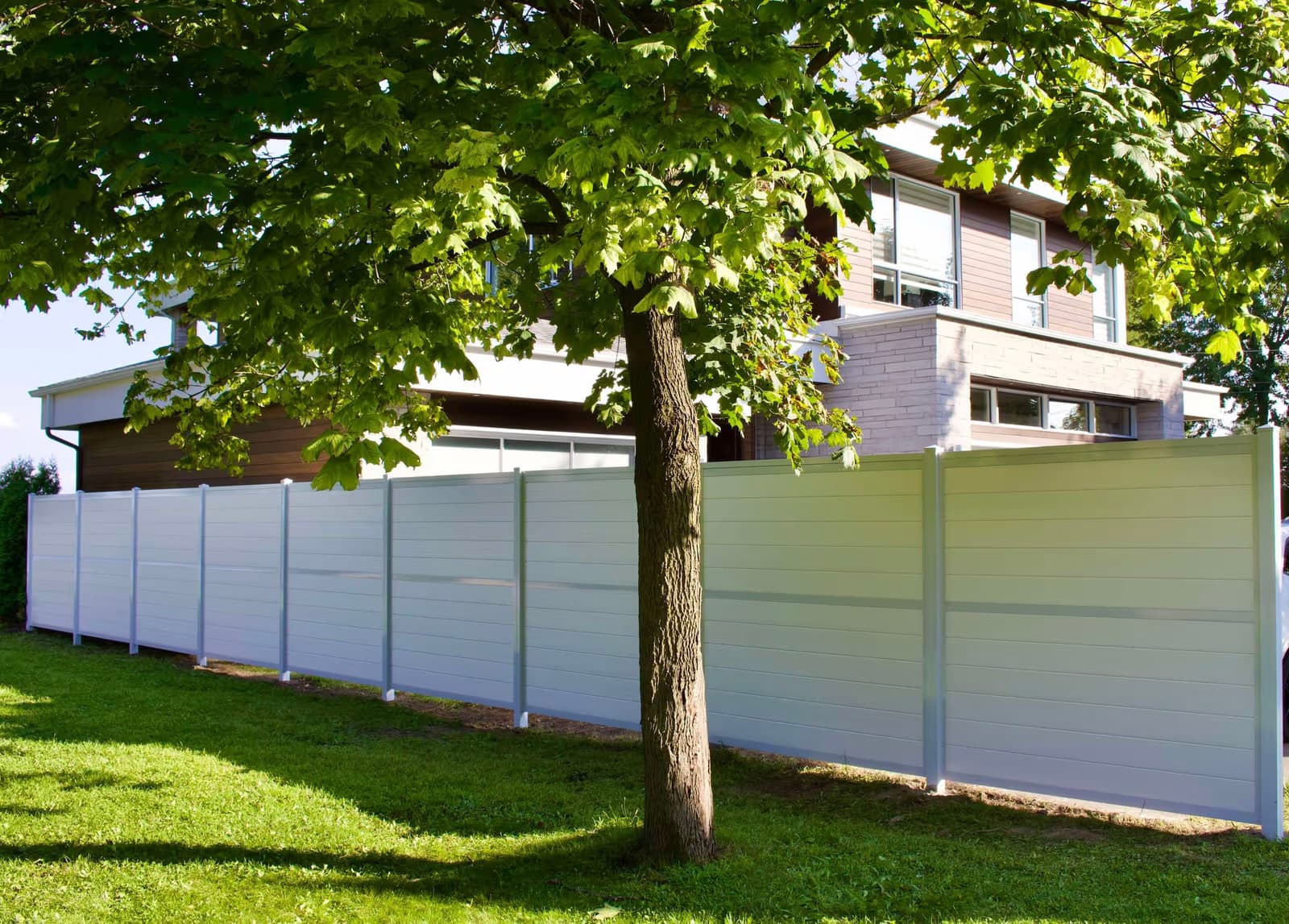
A fence costs $15 to $155 per linear foot installed in Canada depending on the material, and most residential backyard projects land between $3,500 and $12,000. Chain link sits at the bottom of that range at $15 to $40 per foot, standard wood and vinyl privacy fencing runs $25 to $95, and composite or premium aluminum reaches $85 to $155.

Editorial Team
•08 Nov 2023
Facilitating independence and make everyday life at home easier for individuals with reduced mobility or suffering from various other disabilities are desirable lifestyles nowadays. Knowing that people are less and less marginalized and can, with ease, share their real needs with others lends a helping hand to the cause).
Amanda Harvey
•08 Nov 2023
Walking into a cramped bathroom or a tiny kitchen is a familiar feeling for anyone who’s rented an apartment or shared a space with multiple roommates. As we grow older, we hope that our home will be a spacious, big and beautiful place.