Common Air Conditioning Problems and Solutions
By Editorial Team
Updated on November 12, 2024
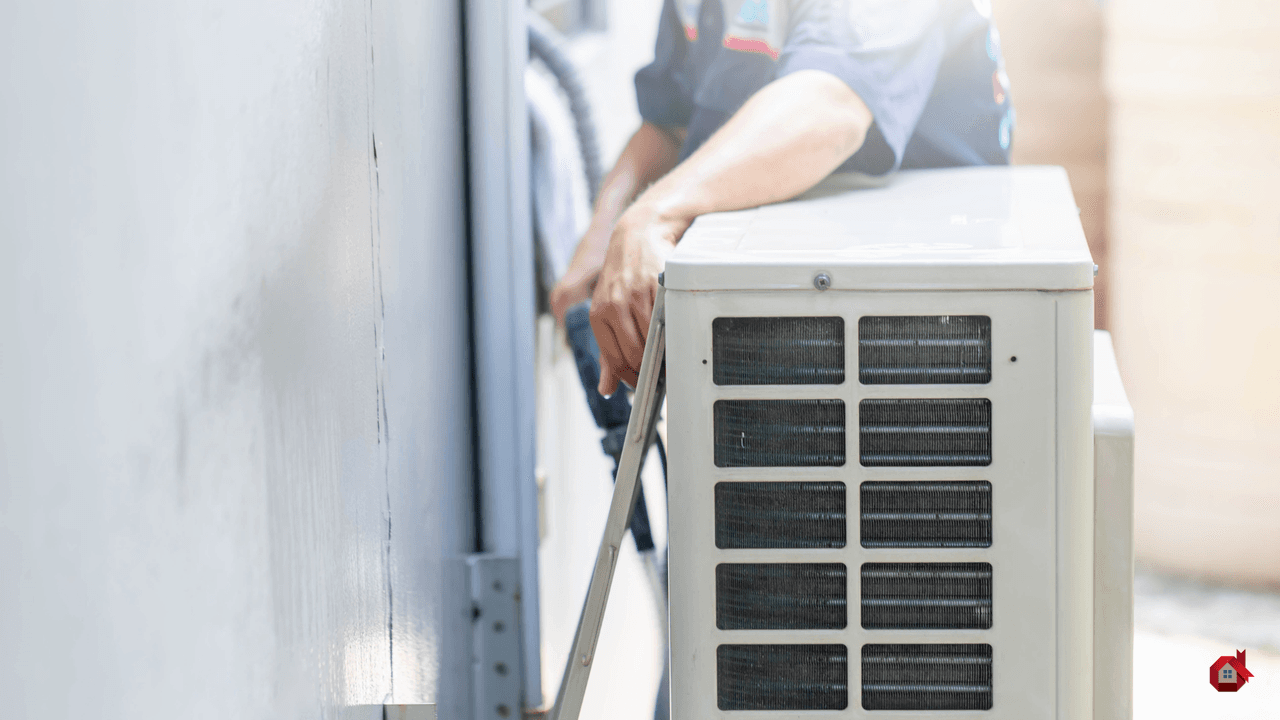
Air conditioning is essential in Australian homes, providing much-needed relief during scorching summers. However, like any home appliance, air conditioners can encounter issues that affect their performance and efficiency. When these problems arise, they not only compromise comfort but can also lead to increased energy bills and potential repair costs if left unaddressed.
Understanding the common problems that air conditioning systems face, along with the right solutions, can help homeowners maintain their units more effectively. This article highlights some typical air conditioning issues and provides insights into how these can be resolved professionally to ensure long-lasting, reliable cooling in your home.
Air Conditioner Not Blowing Cold Air
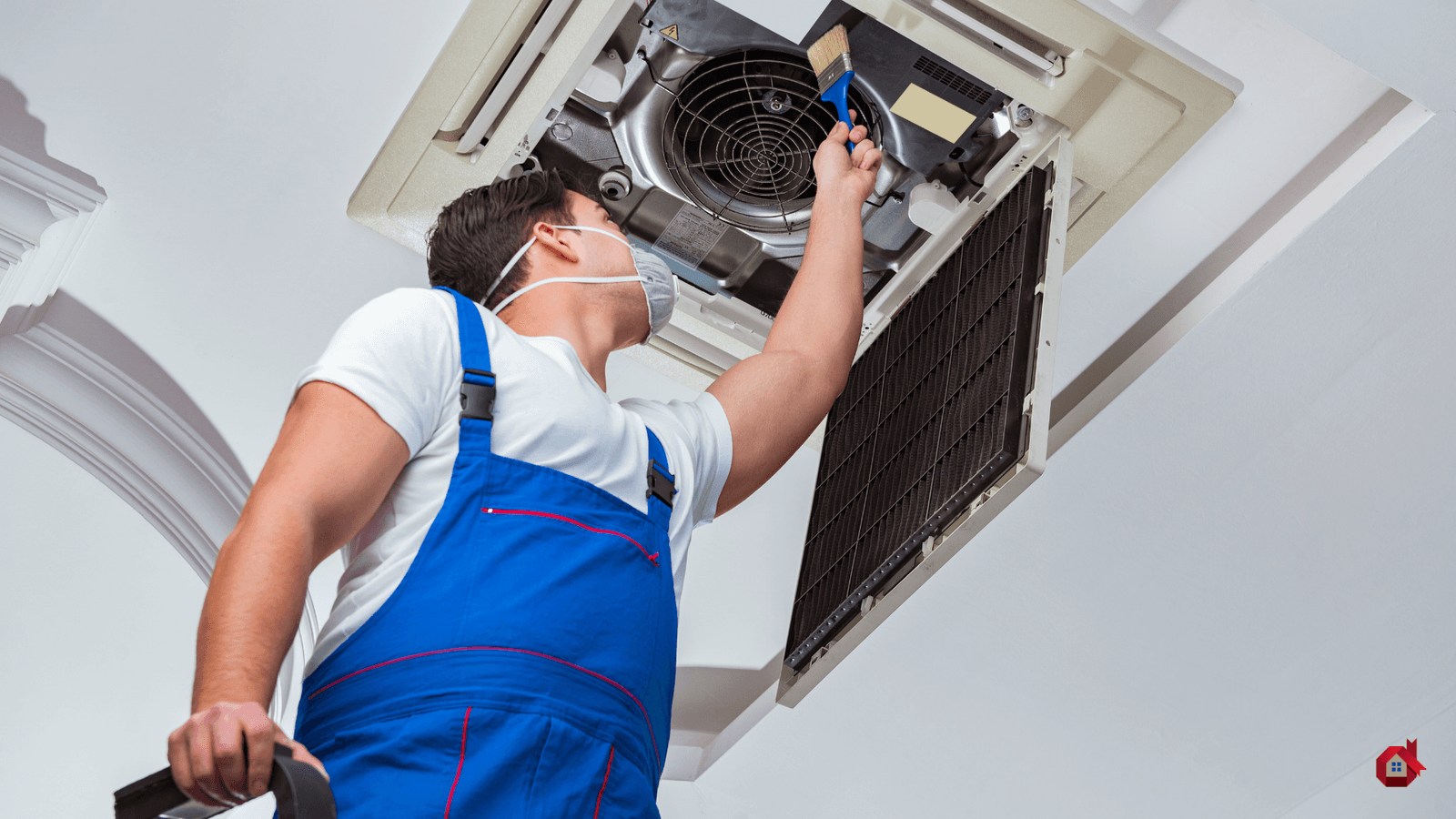
When the air from your air conditioner is not cold, it often signals an issue, such as low refrigerant levels or a clogged filter:
Low refrigerant: Insufficient refrigerant prevents the system from effectively cooling the air.
Clogged filter: Dust and debris block airflow, making it harder to maintain the desired temperature.
A qualified technician can help resolve these issues by:
Checking and topping up refrigerant levels as needed.
Cleaning or replacing air filters to improve airflow.
Regular maintenance of these components keeps the unit running smoothly and ensures consistent cooling.
Weak Airflow from Vents
Common Causes of Weak Airflow
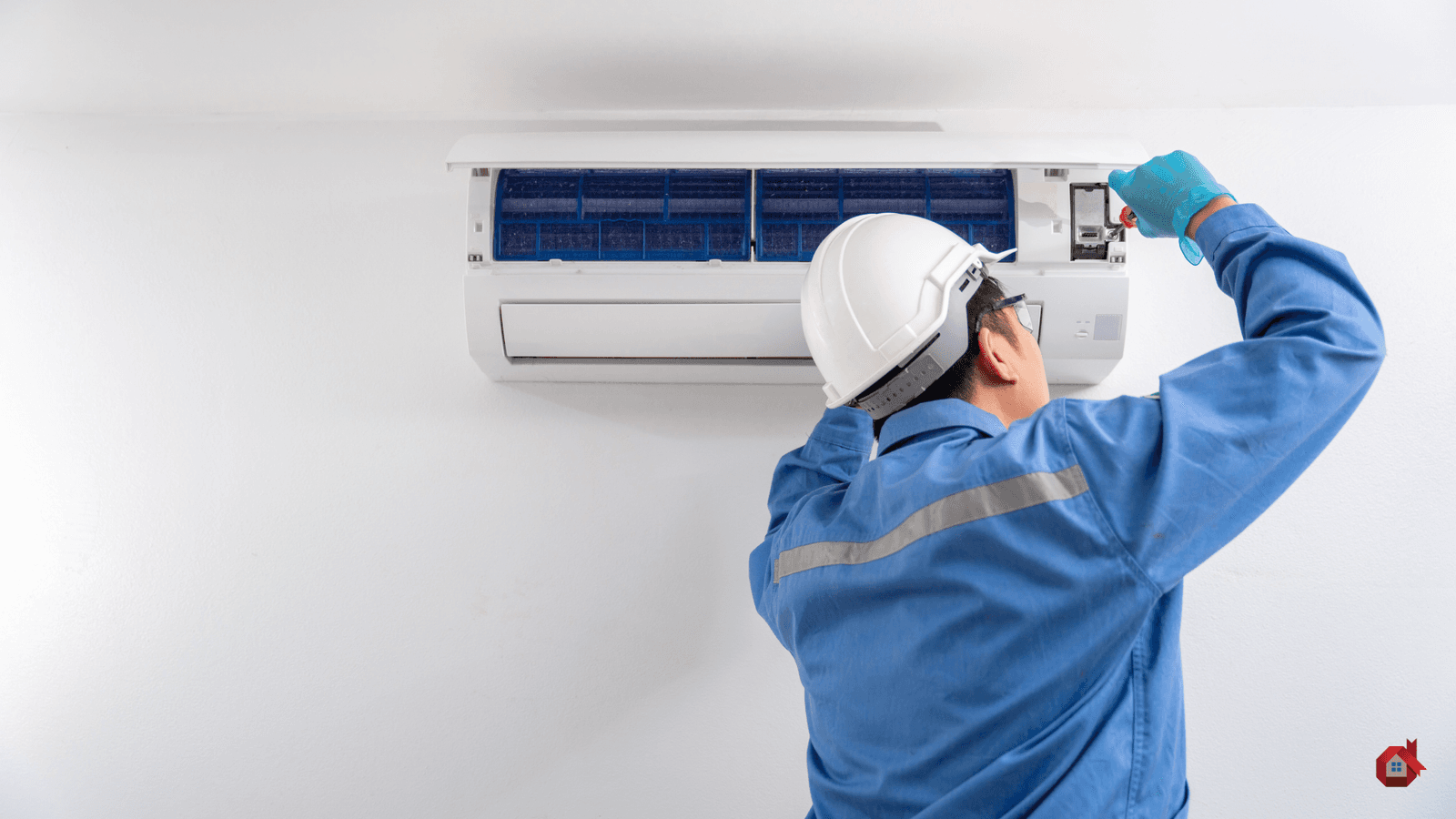
Weak airflow often results from blocked or dirty filters or obstructions within the ductwork. Dust and debris can collect on filters over time, limiting airflow and making it harder for the system to push out cooled air. Blockages in the ducts, such as dust build-up or small obstructions, can further reduce airflow and impact efficiency.
Solutions for Improved Airflow
To maintain strong airflow, it’s essential to have regular filter cleaning or replacement and professional duct inspections. A technician can identify and clear any blockages, ensuring smooth, unrestricted circulation of air throughout the home.
Air Conditioner Turning On and Off Frequently
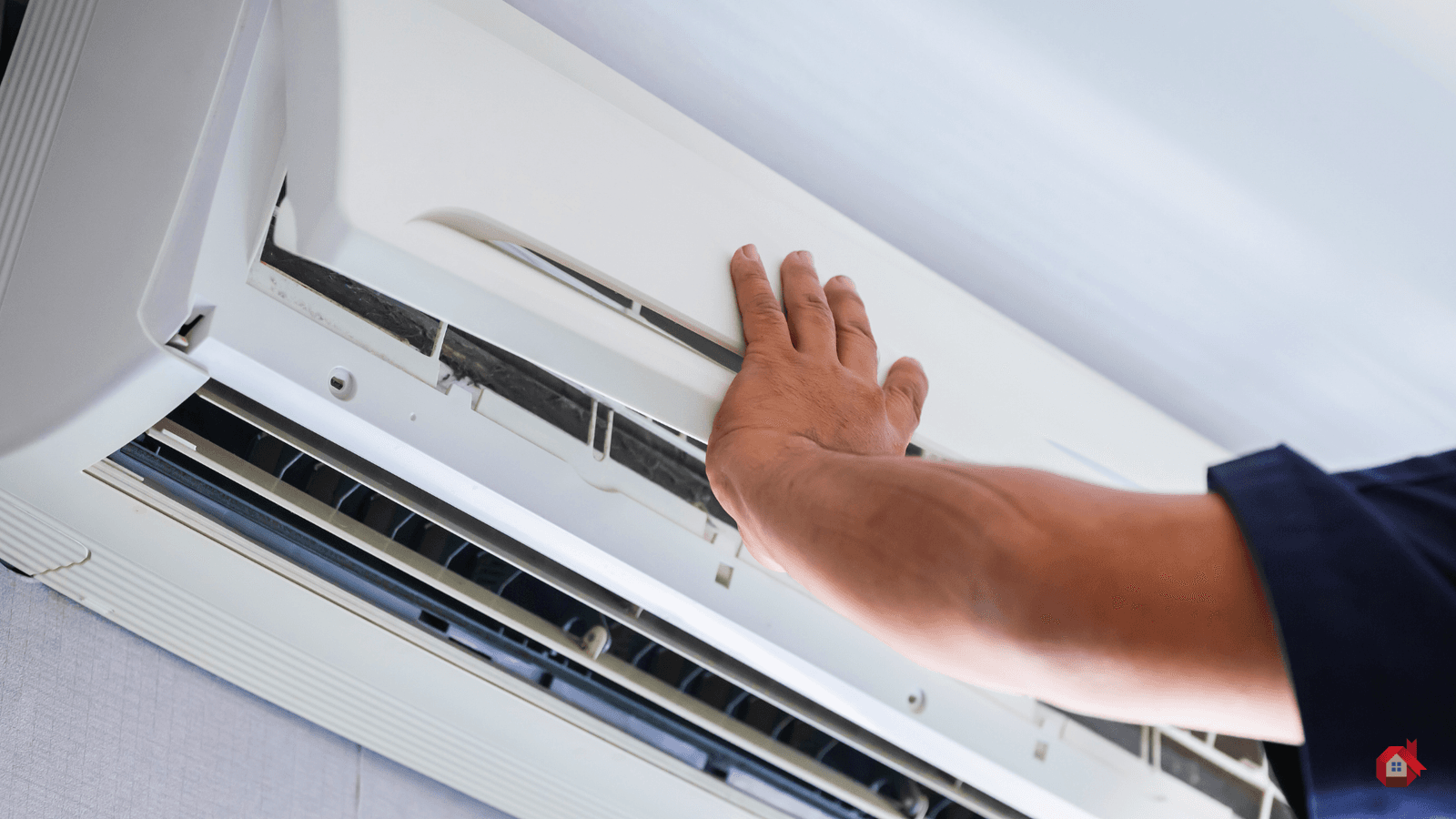
An air conditioner that turns on and off frequently, a problem known as “short cycling,” can indicate issues with the thermostat, dirty coils, or incorrect unit sizing. When a thermostat is malfunctioning, it may send inaccurate temperature readings, causing the unit to cycle too often. Similarly, dirty coils prevent the AC from effectively cooling, which may lead to short cycling as the system struggles to reach the desired temperature.
Addressing short cycling involves having a professional inspect the thermostat, clean the coils, and verify that the unit is appropriately sized for the space. These steps can help stabilize the system’s operation, reducing wear and tear while improving energy efficiency and comfort.
Unusual Noises from the Air Conditioner
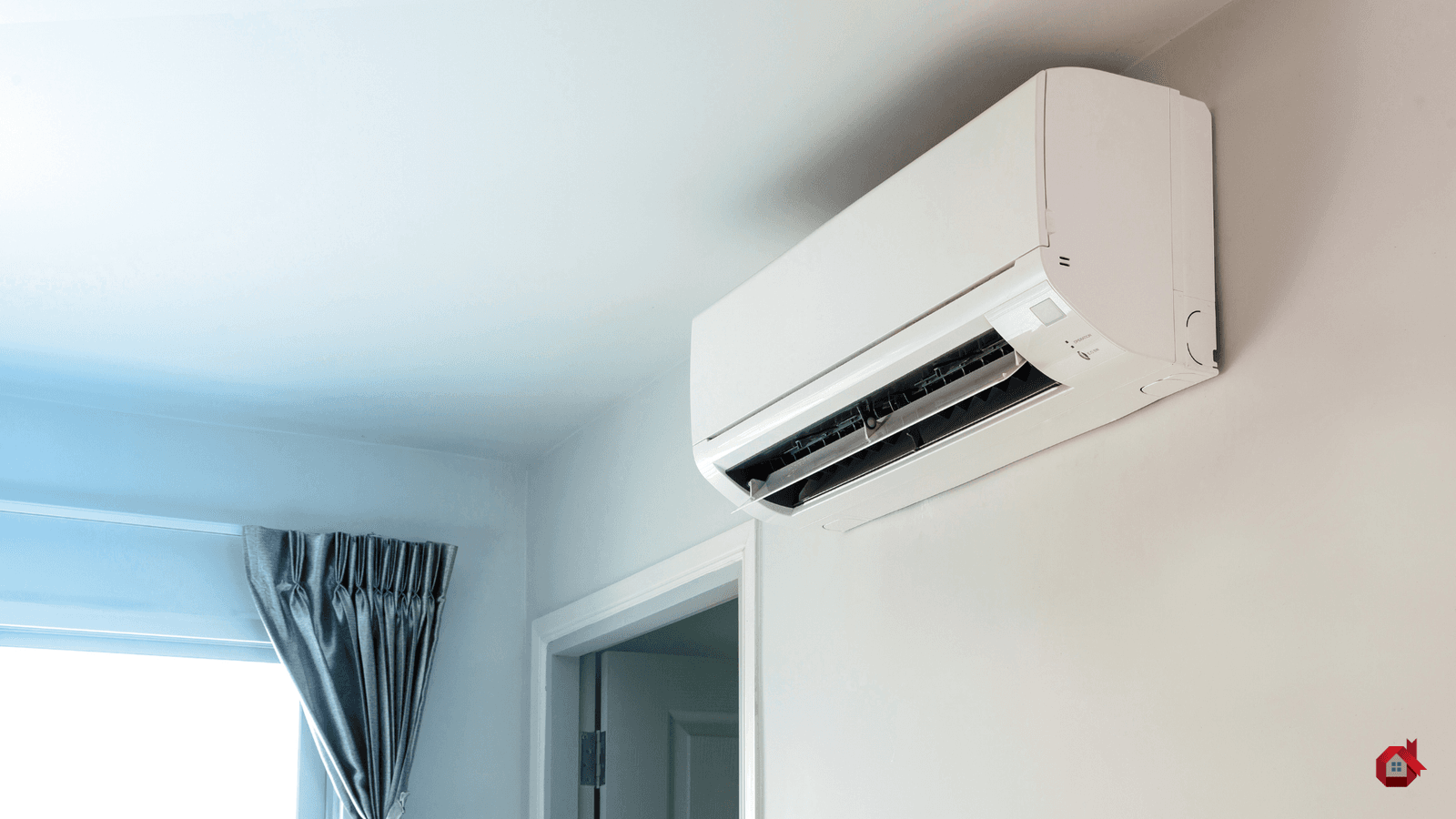
Types of Noises and Their Meanings
Unusual noises like rattling, squealing, or grinding from an air conditioner often indicate mechanical issues:
Rattling may point to loose parts.
Squealing could signal a worn-out belt.
Grinding often suggests motor problems.
Resolving Noise Issues
Professional inspection is crucial for diagnosing and resolving these issues before they escalate. A technician can tighten loose components, replace worn parts, or repair the motor, restoring the unit to quiet, efficient operation and ensuring a more comfortable home environment.
Water Leaks Around the Air Conditioner
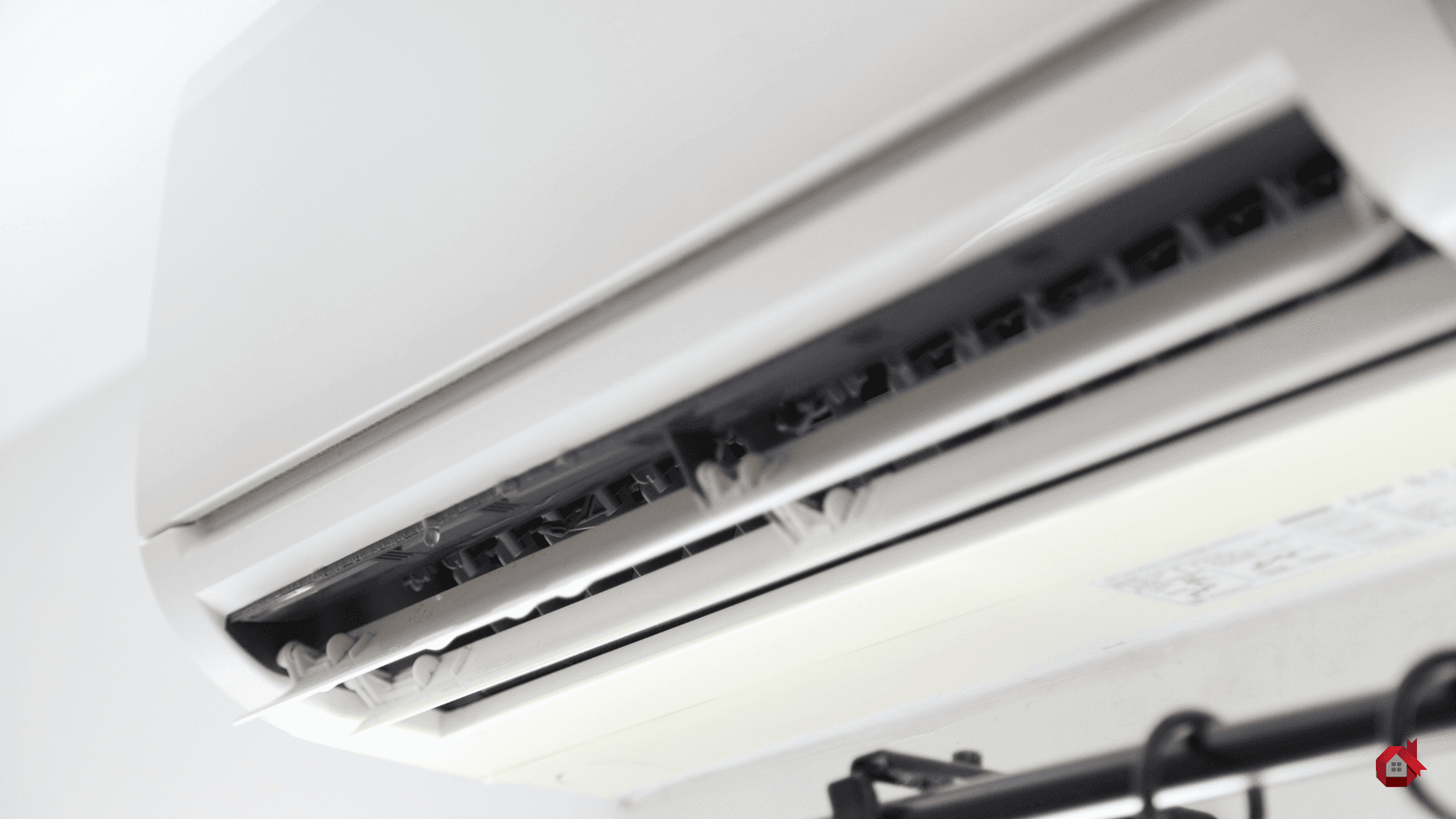
Water leaks around an air conditioner are commonly due to:
Clogged drain lines: When drain lines are blocked, condensation has nowhere to go, leading to leaks.
Low refrigerant levels: This can cause the evaporator coil to freeze, which then melts and creates excess water.
To prevent leaks, professional maintenance is recommended. A technician can:
Clear clogged drain lines to ensure proper drainage.
Check refrigerant levels and inspect for any issues.
Addressing these concerns early helps avoid water damage around the unit and keeps the system functioning effectively.
Foul Odours Coming from the AC Unit
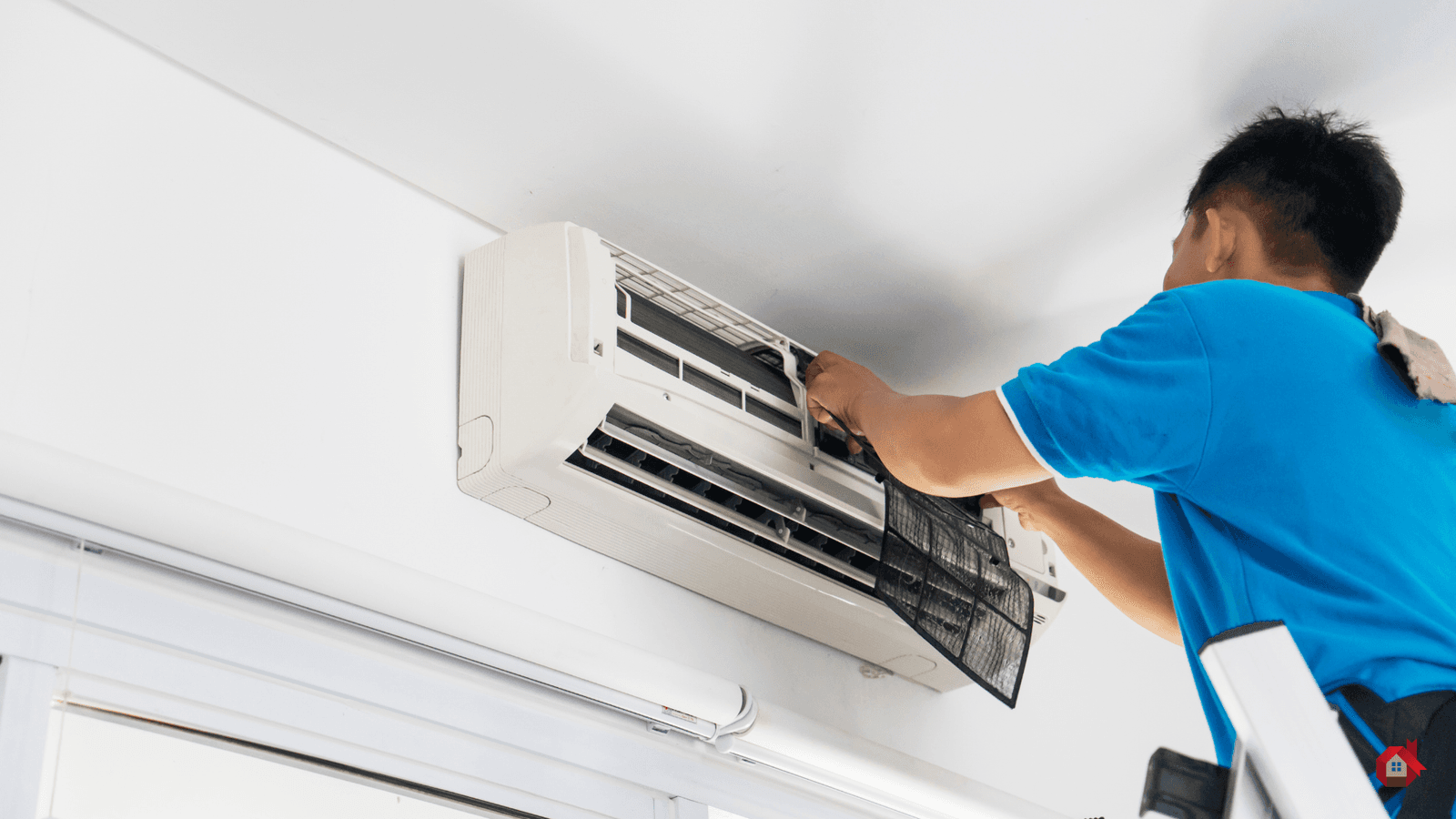
Foul odours from an air conditioning unit are often caused by mould growth within the system or dust accumulation on the filters. Moist, dark environments within ducts can encourage mould, which releases an unpleasant smell when air circulates. Additionally, clogged filters trap dust and debris, leading to musty odours that compromise indoor air quality.
To resolve and prevent these odours, regular filter changes and duct cleaning by a professional are recommended. By keeping the system clean, you can reduce the likelihood of mould growth and ensure fresher, cleaner air. Routine maintenance not only improves air quality but also enhances the unit’s efficiency.
High Energy Bills Due to AC Usage
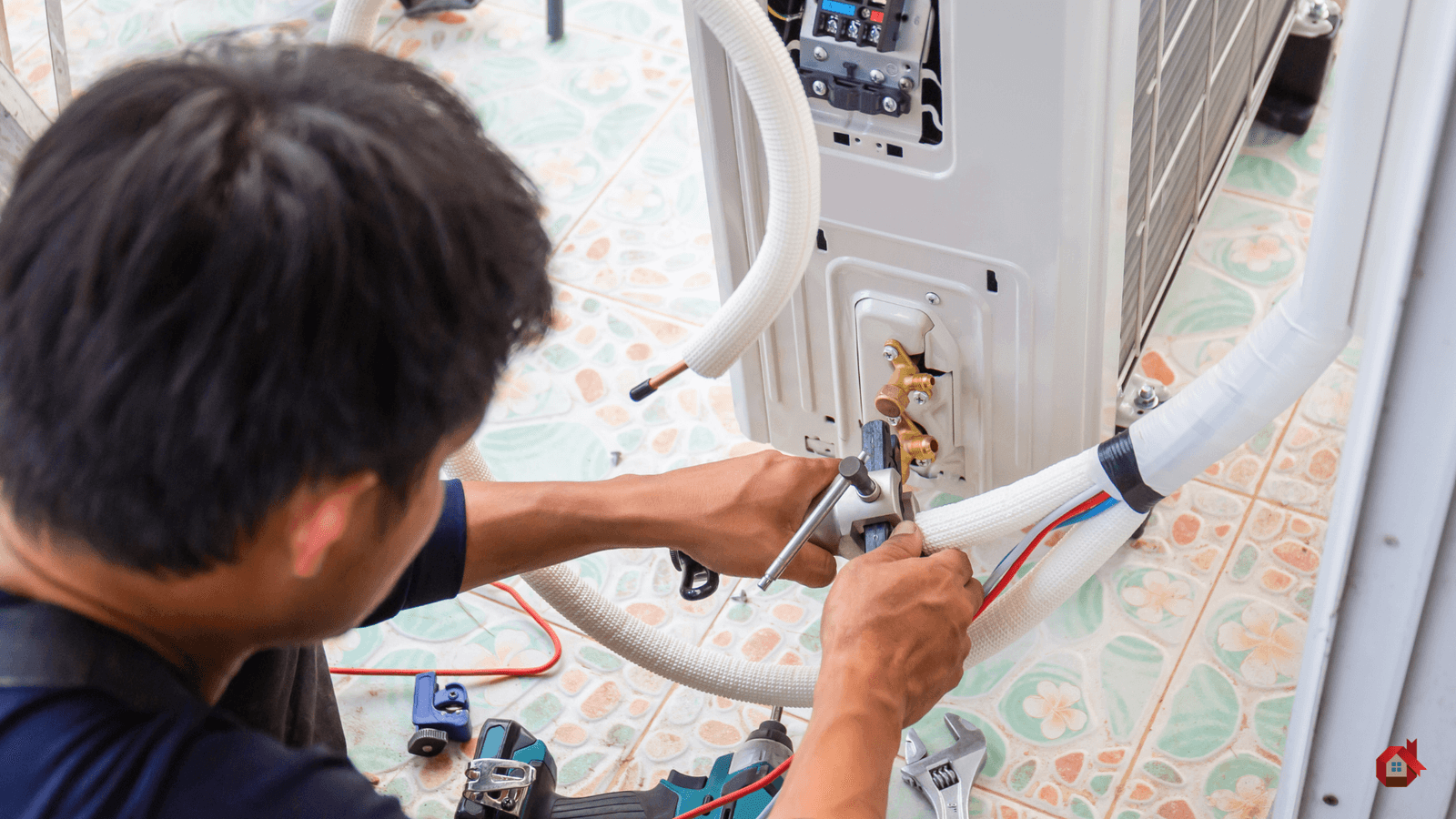
High energy bills related to air conditioning often result from an inefficient system, especially if components are worn or the unit hasn’t been maintained. Dirty filters, low refrigerant, or aging parts force the AC to work harder, consuming more electricity to achieve the desired temperature. This inefficiency leads to unexpectedly high energy costs during peak seasons.
Scheduling a professional energy efficiency assessment can help identify areas for improvement. A technician may recommend cleaning filters, refilling refrigerant, or replacing old components to optimize performance. Regular maintenance not only lowers energy costs but also extends the lifespan of the unit, providing long-term savings.
Thermostat Malfunctioning
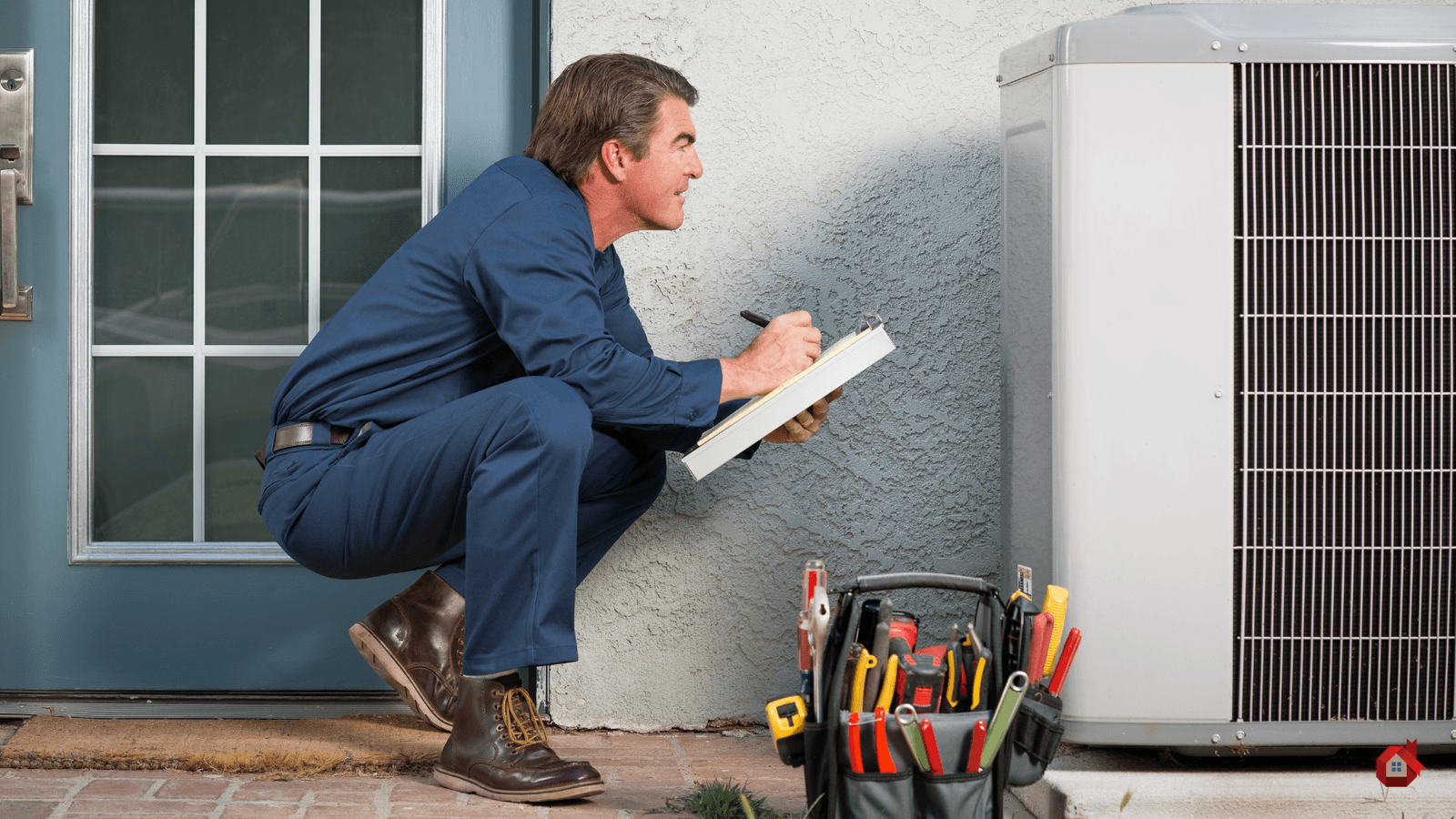
A malfunctioning thermostat can disrupt your air conditioning system, causing it to either overcook or fail to reach the desired temperature. Common issues include inaccurate temperature readings or the system not responding to settings, which can stem from faulty wiring or outdated technology. These problems prevent the AC from operating efficiently, affecting comfort and increasing energy usage.
To ensure reliable temperature control, a technician can recalibrate or replace the thermostat. Modern thermostats with programmable or smart features offer enhanced accuracy and control, allowing homeowners to optimize cooling schedules. Proper thermostat function is essential for a comfortable, energy-efficient home environment.
Solve Your Air Conditioning Problems Today!
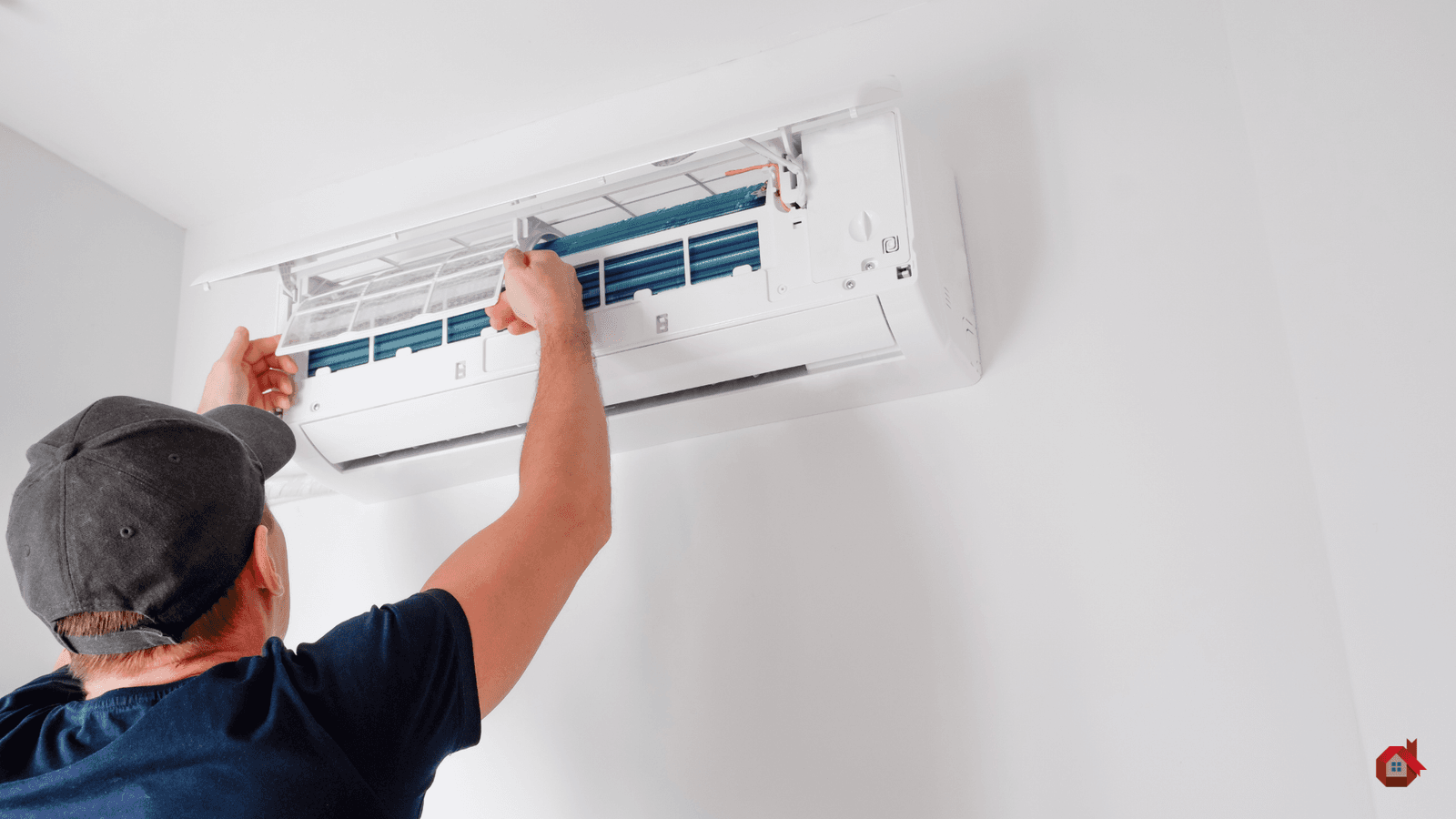
Addressing common air conditioning problems promptly is essential for maintaining comfort, efficiency, and cost-effectiveness in your home. By recognizing issues like weak airflow, unusual noises, or high energy bills, homeowners can take proactive steps to prevent further complications. Regular maintenance is key to avoiding unexpected breakdowns and ensuring smooth operation throughout the year.
Consulting a professional for inspections and repairs helps identify underlying problems that may go unnoticed. With expert guidance, your air conditioning system can run optimally, reducing energy costs and extending its lifespan. A well-maintained AC not only keeps your home cool but also offers peace of mind in Australia’s warmer months.
Looking for something else?
Related articles
The latest industry news, interviews, technologies, and resources.

Cynthia Pigeon
•15 Jun 2026
The cost of a conversion varies depending on the home’s configuration, the electrical work required, and whether the selected system includes a heat pump. In many cases, the bill is higher when major electrical work or a central heat pump is added. Although the provincial Chauffez vert program ended on March 31, 2026, combining current financial assistance programs, such as Hydro-Québec’s LogisVert grant and the federal OHPA program, can help eligible households significantly reduce their out-of-pocket costs, though a residual cost should generally still be expected. Depending on the price of heating oil, the performance of the heat pump, and the characteristics of the building, heating savings can be significant, but they vary from one property to another.
Editorial Team
•17 Feb 2026
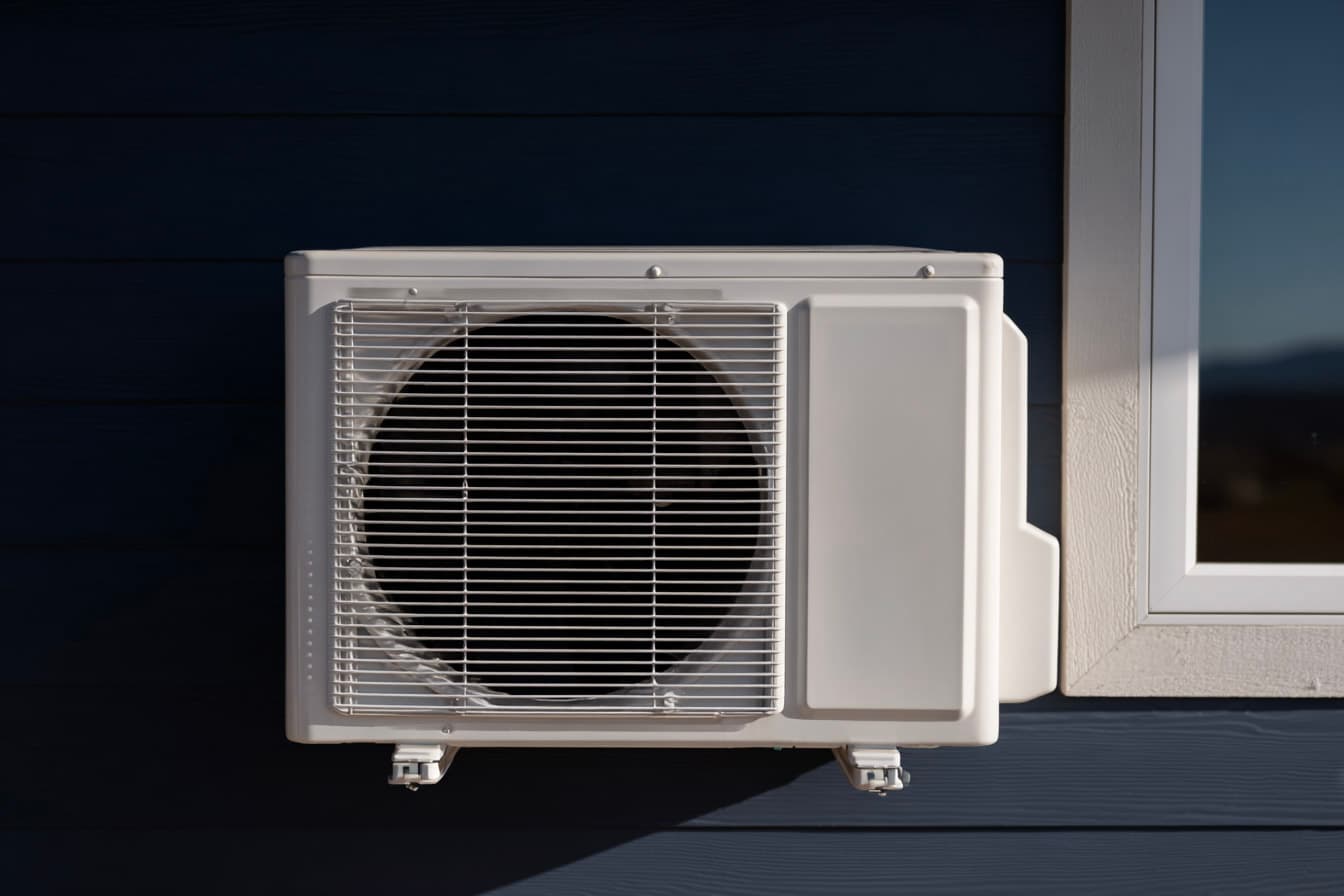
Buying a Carrier heat pump in Canada is rarely “just” about picking a model. Between harsh winters, outdoor unit noise, efficiency (SEER2/HSPF2), and cold-weather performance, it’s easy to feel a bit lost—especially when several models look similar on paper. This article is designed to make things easier and help you make a clear decision, without unnecessary jargon.
Équipe éditoriale
•08 Nov 2023
If you’re living under a roof where privacy is a privilege, you might be thinking about how you can section off the rooms of your home to make them more intimate. Building a non-bearing interior wall can add an element of separation and independence to even the most open of spaces. This project requires basic carpentry skills, as well as tools to go along with them.

Cynthia Pigeon
•10 Sep 2026
The cost of kitchen cabinet refacing in Canada in 2026 generally ranges from $2,500 to $8,500, including installation, for an average-sized kitchen. This option can save homeowners approximately 30% to 50% compared to a full cabinet replacement, while still giving the kitchen a fresh, modern look. The final price depends mainly on the material selected, the number of cabinet doors and drawers, the condition of the existing cabinet boxes, and the complexity of the hardware and installation.

Editorial Team
•15 Nov 2024
Have you heard about heat pumps? These innovative and energy-efficient systems are not only environmentally friendly, but they require little maintenance to provide long-lasting heating and cooling to your home.