Doors and Windows in Canada: How to Choose the Right Options?
By Editorial Team
Updated on April 1, 2026
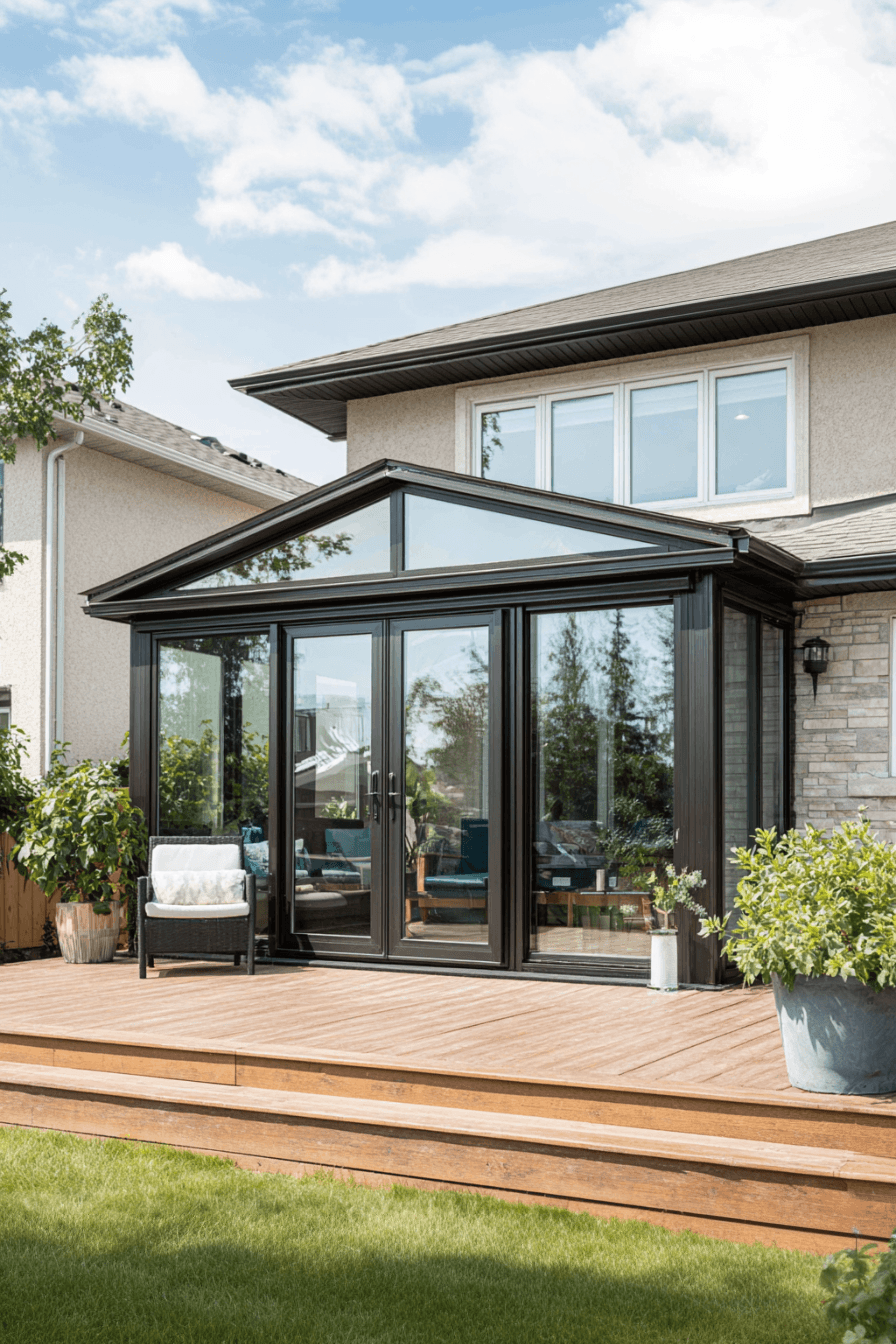
Replacing your doors and windows in Canada can improve your home’s energy efficiency by up to 15% while helping eliminate winter drafts. Prioritize ENERGY STAR-certified models with triple glazing, argon gas, and a Low-E coating. To maximize your investment and remain eligible for rebate or financing programs available in your province or territory, installation should be completed by a properly licensed and qualified contractor.
Get Your Project Started Today
Submit your details and receive three free quotes from trusted contractors.
Buying Guide: Choosing Doors and Windows in Canada
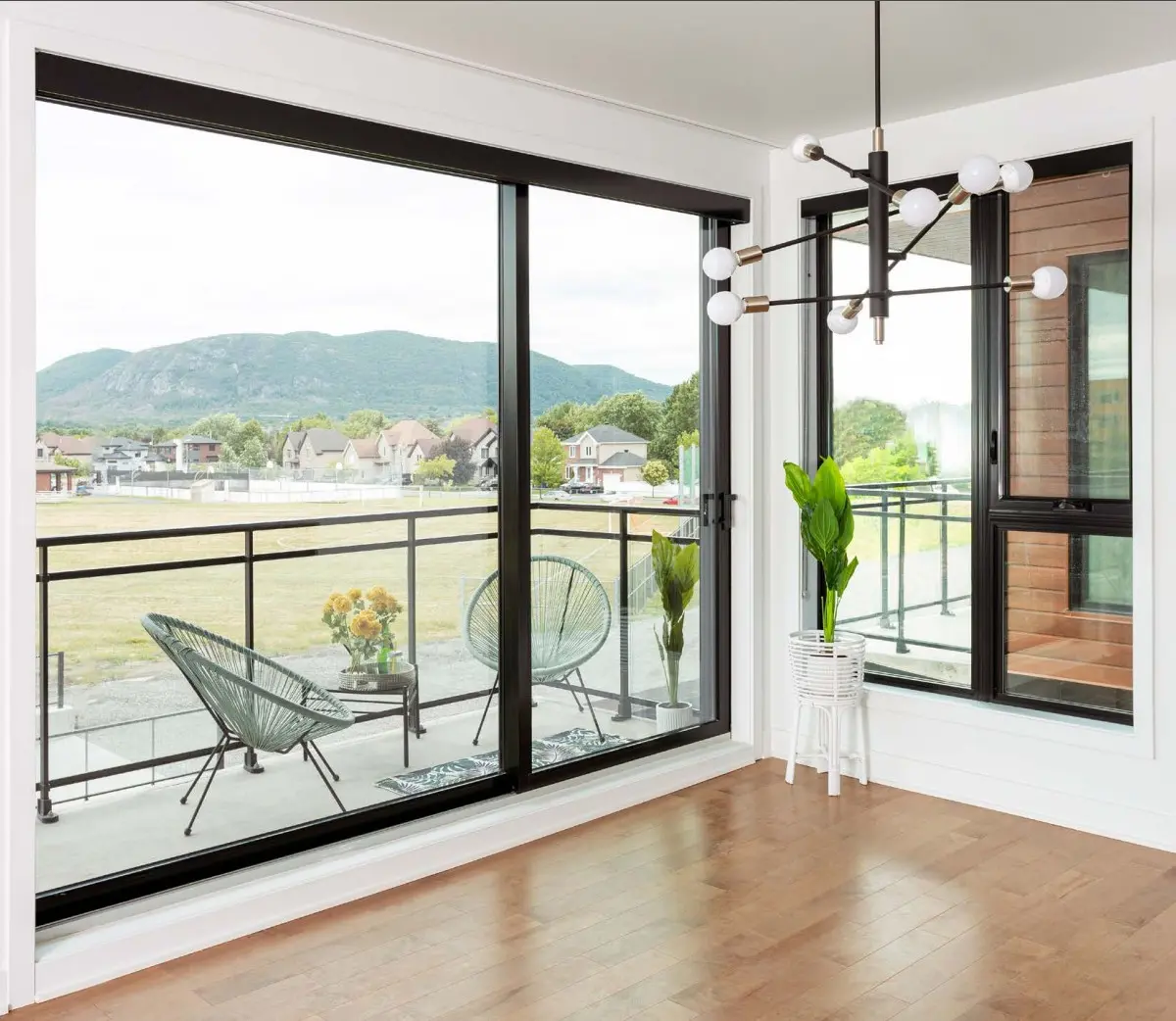
Source: TRUDEAU Portes-Fenêtres
Investing in new doors and windows is one of the most worthwhile decisions a Canadian homeowner can make. Beyond the aesthetic upgrade that instantly refreshes a home’s exterior, these components act as a key barrier against summer humidity, winter cold, wind, and seasonal temperature swings.
The right choice can transform your day-to-day comfort: fewer cold spots near the glass, more stable indoor temperatures, and lower heating bills. This guide will help you compare your options so you can balance thermal performance, durability, and long-term property value.
Which Materials Offer the Best Insulation?
Canada’s climate can be unforgiving; proper insulation is key. Frames and sashes are exposed to wide temperature fluctuations that can cause expansion and contraction and, over time, affect the airtight seal of insulated glass units. Here are some of the top-performing options on the market.
PVC: Efficiency and Value
PVC remains one of the leading choices for residential renovation across Canada. It is a multi-chamber material that traps air to create a natural thermal barrier.
Advantages: It offers excellent energy performance at a great value and is completely resistant to corrosion. It also requires very little maintenance beyond occasional cleaning.
Performance: Thanks to fusion-welded corners, air leakage is minimal.
Hybrid (Aluminum/PVC): The Best of Both Worlds
Increasingly popular, hybrid windows combine the thermal performance of PVC on the inside with the durability of aluminum on the outside.
Durability: Exterior aluminum protects the frame against UV rays and harsh weather while offering a wide choice of colours, including popular contemporary shades such as black and anthracite grey.
Stability: Aluminum helps limit PVC expansion and contraction, which can extend the life of seals and insulated glass units.
Wood and Architectural Aluminum
For heritage homes or high-end projects, wood offers unmatched warmth and excellent natural insulation. Architectural aluminum, meanwhile, makes it possible to create large openings with very slim frames, making it ideal for panoramic views, although it comes at a significantly higher cost.
Understanding Opening Styles: Casement, Sliding, or Awning?
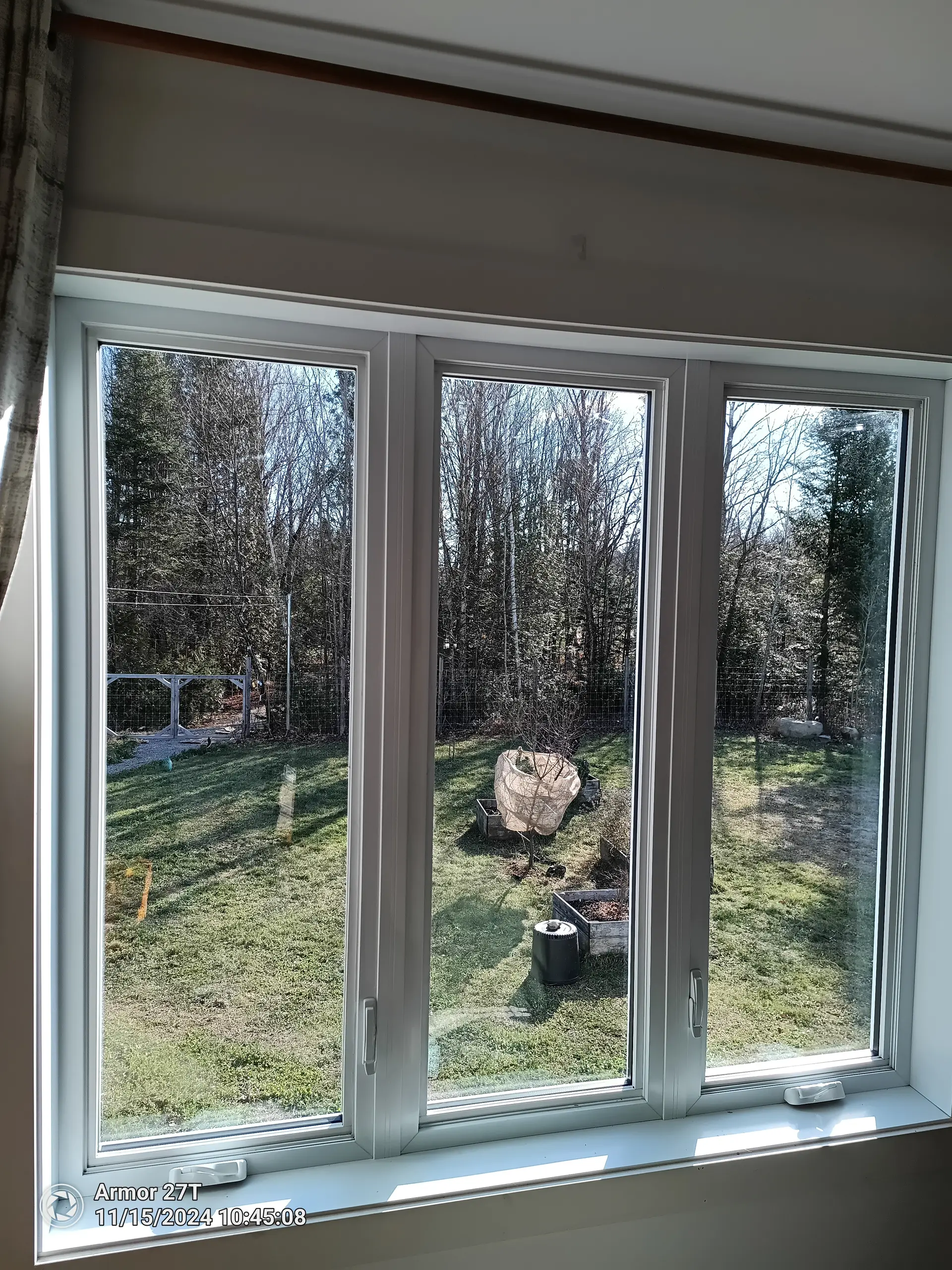
Source: Service Vitrerie ComExpress & Filles inc.
The opening style directly affects your home’s airtightness.
Casement window: This is one of the best-performing options in colder and windier parts of Canada. When closed, the sash presses firmly against the weatherstripping, creating constant pressure that helps block outside air. It is generally the most airtight model.
Awning window: Similar to a casement window but opening outward from the bottom, it is ideal for ventilation even during light rain.
Sliding window: Often more affordable, it is practical where exterior space is limited. However, airtightness relies on brush seals, which are generally less effective than the compression weatherstripping found on casement-style units.
The Front Door: Balancing Security and Curb Appeal
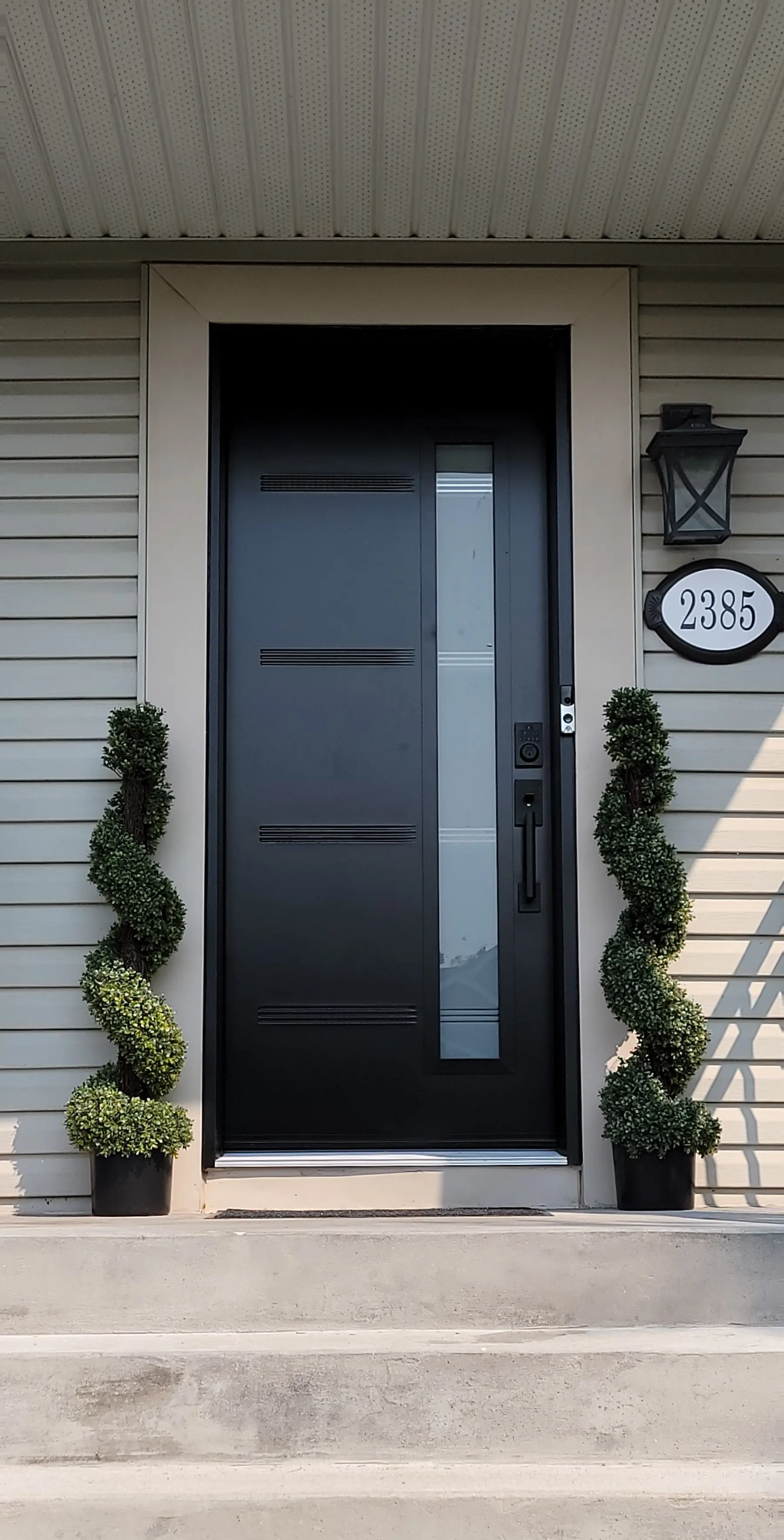
Source: Rénovation MTR inc.
Your front door is a focal point of your home. In many parts of Canada, steel entry doors remain one of the most popular choices.
Insulation: The core is typically filled with polyurethane foam, offering much better insulating value than a solid wood door.
Customization: You can add sidelites or a transom to bring in more natural light while choosing frosted or textured glass to preserve privacy.
Threshold performance: A properly adjusted threshold and effective door sweep are essential to keep out drafts, moisture, and, in colder regions, snow infiltration near the floor.
Installation and ENERGY STAR Standards in Canada
Buying a high-performance product is pointless if it is not installed properly.
Climate zones: ENERGY STAR certification in Canada is tied to climate-specific performance requirements. Make sure your doors and windows are certified for the climate zone that applies to your region so you can achieve optimal energy performance.
Glazing: Triple glazing with argon gas and a Low-E coating is often the preferred choice in colder parts of Canada. This thin, invisible metallic layer reflects indoor heat during winter and helps block infrared heat in summer.
Licensed contractor: To protect your investment and remain eligible for rebate programs, have the installation done by a contractor who holds the licences or certifications required in your province or territory. Without proper installation, warranties may be compromised, and exterior sealing may not meet minimum performance standards.
Prices and Rebates for New Doors and Windows
In 2026, several programs may help reduce the overall cost, which can range from $800 to $2,500 per window depending on the material, size, and configuration.
Provincial or utility rebate programs: In some provinces, full window replacement projects or even glass unit replacement with high-efficiency products may qualify for financial assistance under certain conditions.
ENERGY STAR rebate programs: Provincial and federal initiatives may offer rebates for replacing doors and windows with certified ENERGY STAR products, sometimes around $150 per opening, depending on the program and region.
Canada Greener Homes financing programs: These may still be available to help finance energy-efficient renovations under favourable terms.
Insurance impact: New, secure openings with updated hardware can sometimes help influence or reduce home insurance premiums.
To maximize your chances of receiving these incentives, ask for detailed invoices that include the ENERGY STAR product numbers.
Conclusion: A More Comfortable Home
Replacing your doors and windows means investing in the overall comfort of your home. You can reduce outside noise, limit spring condensation, and stabilize room temperatures throughout the house. Before making your final decision, take the time to compare warranties on glazing beads, hardware, and opening mechanisms.
Looking for something else?
Related articles
The latest industry news, interviews, technologies, and resources.
Cynthia Pigeon
•07 May 2026
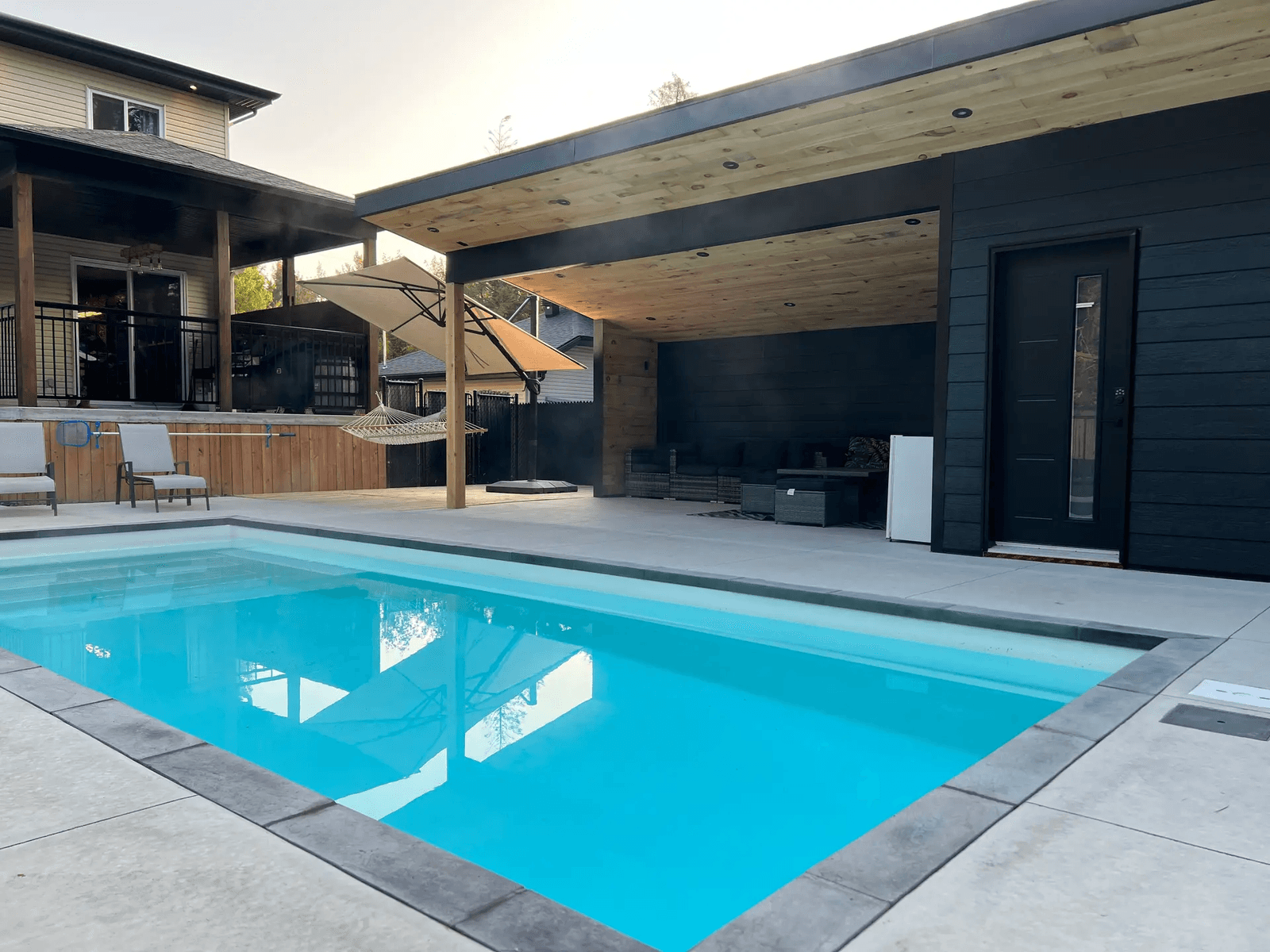
Building a pool house in Canada usually requires a building permit and strict compliance with local setback rules. These setbacks vary by municipality, but they often determine how close your structure can be to property lines, fences, neighbouring buildings and easements. Any electrical or plumbing work should be completed by qualified, licensed trades in accordance with provincial regulations. Your pool house must also respect local pool safety requirements to ensure it does not create unsafe or unsupervised access to the swimming area.
Amanda Harvey
•04 Dec 2023
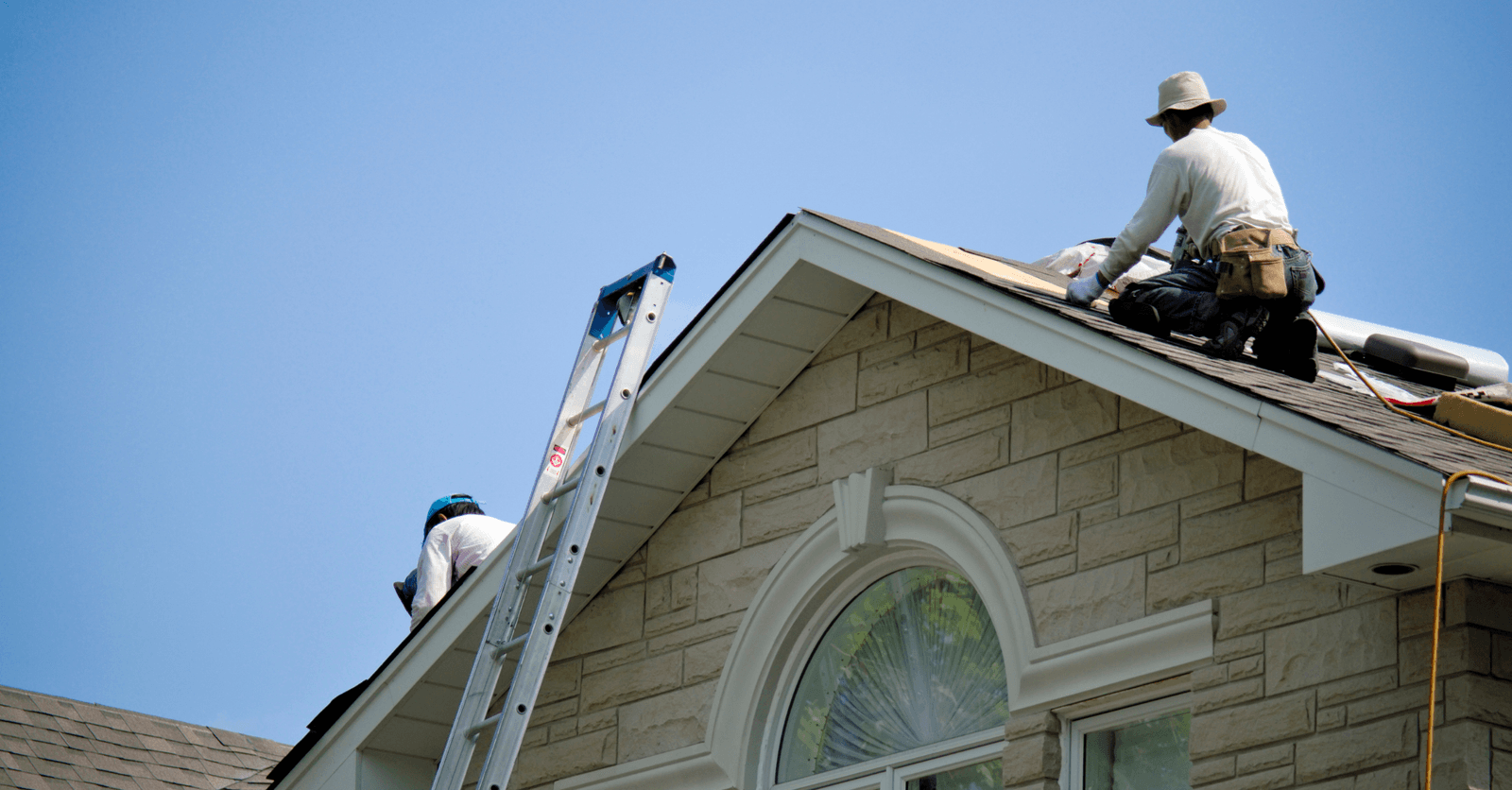
As the layers of winter slowly begin to shed, we start to consider all the possibilities of Spring. With warm weather approaching, it’s normal to feel like you could take on just about anything, including all those home renovation projects you’ve been dreaming of during winter months. Of course, there are lots of ways that you can update your home while Jack Frost is visiting. However, there are certain jobs that should be left for Spring.
Cynthia Pigeon
•11 May 2026
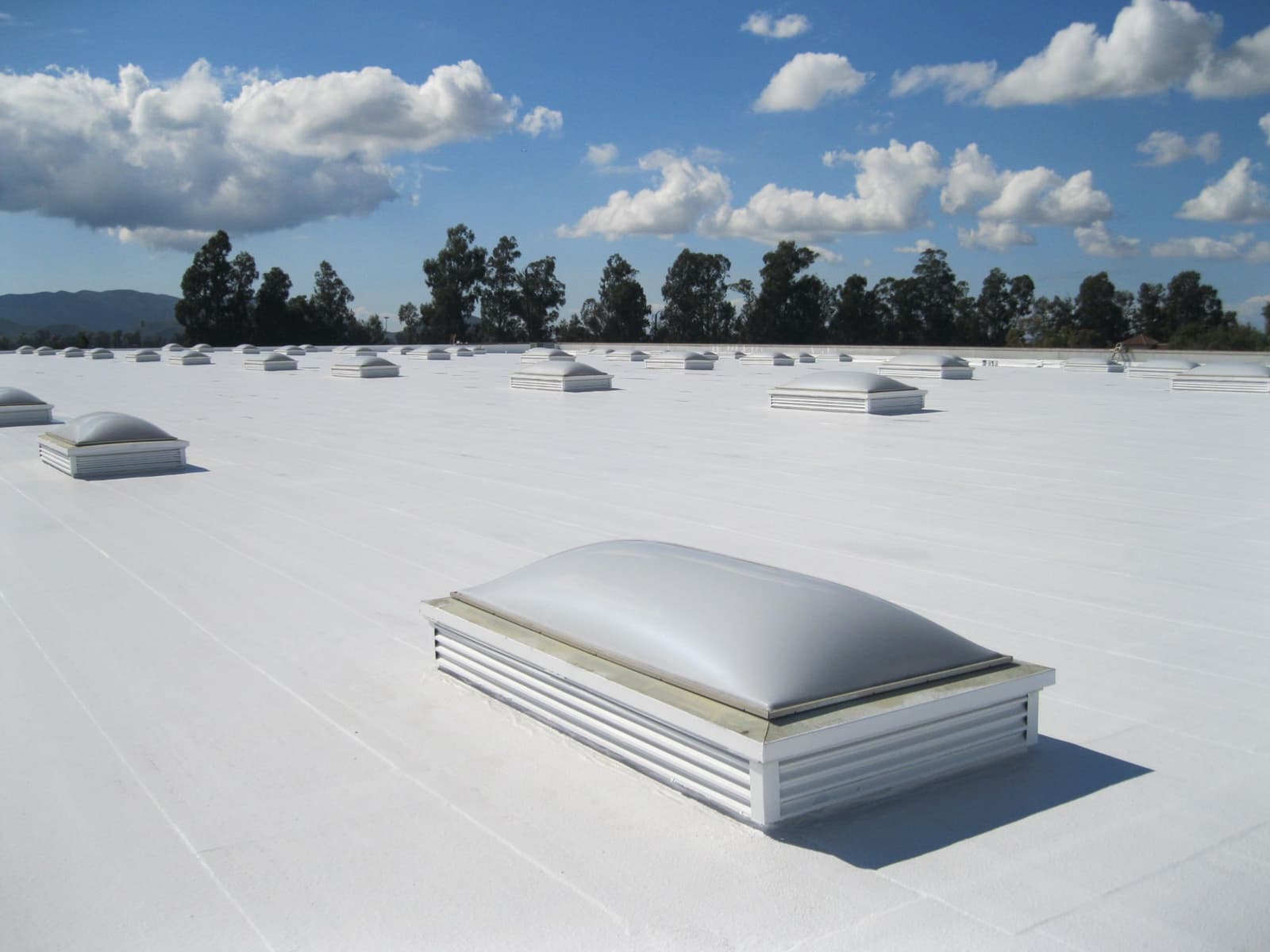
Are you thinking about installing a commercial roof, but just aren’t sure what type of roofing you’ll need? Are you looking to renovate a commercial rooftop and need some additional information to make the best possible choice? Well, you've come to the right place! Keep reading to learn all about the different materials, features, benefits, and prices for commercial roofs.

Editorial Team
•23 Sep 2026
In today’s competitive construction industry, exceptional craftsmanship alone isn’t enough—especially with the renovation season approaching. To attract new clients and grow your business, contractors need to embrace digital marketing for construction companies and plan their lead generation early.
Editorial Team
•08 Nov 2023
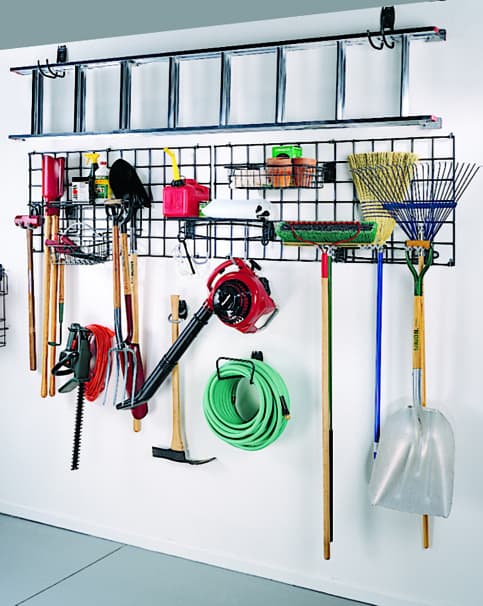
The garage is a multipurpose room that has the potential to serve several functions. With lots of homeowners using this space to hold items that aren't exactly necessary for everyday use, it's important to think about how storage can be created to maximize the potential of this room.