Eco-Friendly Exterior Siding: Durable and Sustainable Materials
By Editorial Team
Updated on December 5, 2025
The exterior siding of a house serves as the first barrier against harsh weather and strongly influences the overall appearance of the building. More and more homeowners are seeking solutions that combine durability, performance, and respect for the environment. This article reviews eco-friendly siding materials and offers tips to help you make an informed choice.
Get Your Project Started Today
Submit your details and receive three free quotes from trusted contractors.
Why Choose Eco-Friendly Siding?
Source : Toitures BroPro Inc
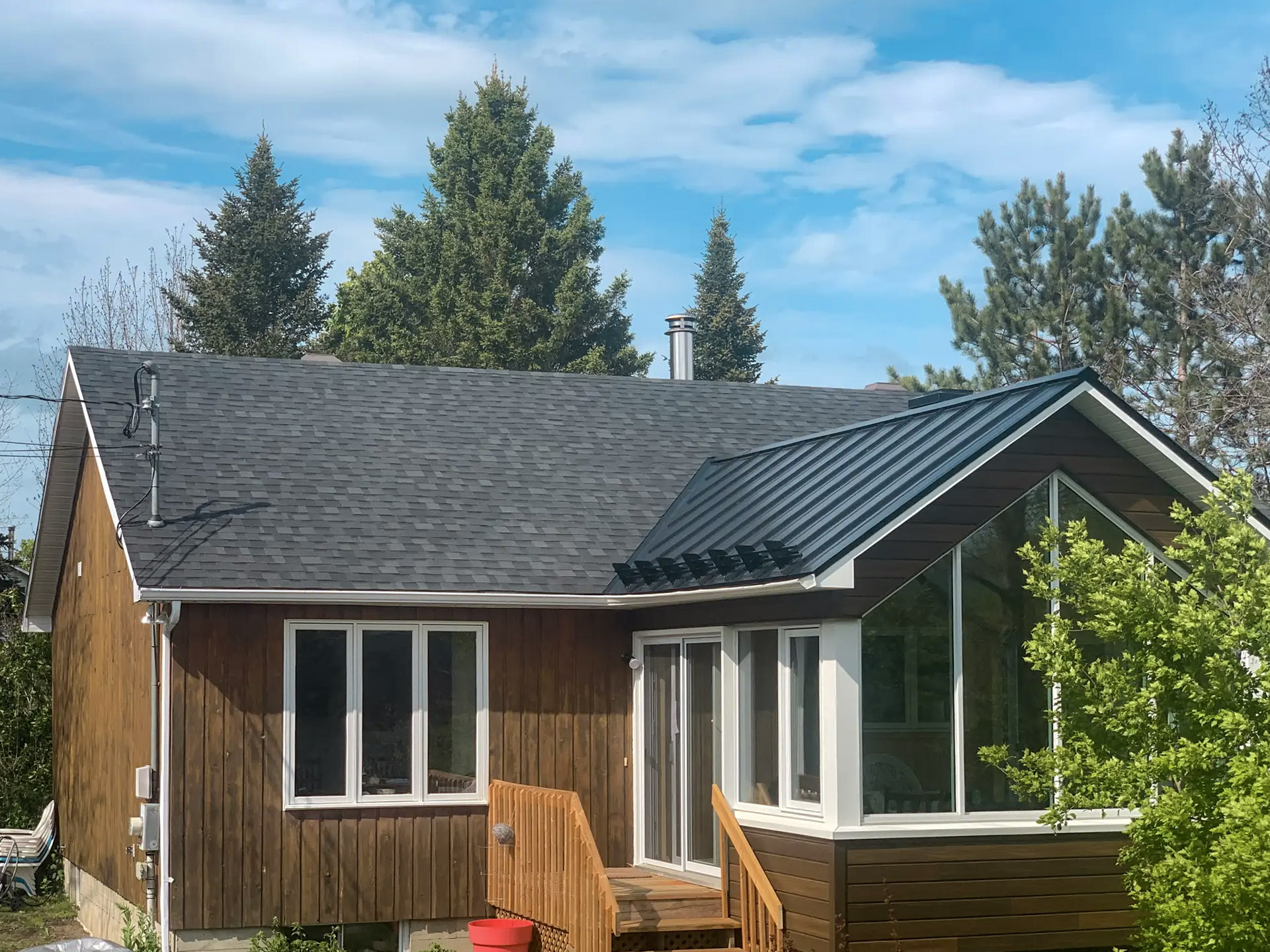
Eco-friendly siding reduces your home’s carbon footprint by prioritizing recycled, recyclable, or sustainably sourced materials. It improves thermal insulation, lowers heating costs, and protects the structure against weather conditions. Materials such as engineered wood and fibre cement provide strong resistance to rain, wind, and UV rays. Aluminium is also considered an eco-friendly choice since it is fully recyclable and corrosion-resistant.
Eco-Friendly Siding Materials to Consider
FSC-certified wood: Harvested from sustainably managed forests, certified wood has a natural, warm appearance. It is renewable and stores carbon throughout its lifespan. However, it requires regular maintenance (paint or stain) to withstand weather conditions.
Fibre cement: Made from cellulose fibres and cement, it offers outstanding resistance to weather and insects while mimicking the look of wood or stone. Its long lifespan and low maintenance make it a durable choice.
Recycled aluminium: Lightweight and long-lasting, aluminium is fully recyclable. Manufacturers offer siding made from recycled content in a variety of finishes. It withstands corrosion and humid climates.
Engineered wood siding (CanExel): Combines the look of natural wood with greater resistance to weather. It requires little maintenance and is valued for its durability.
Reconstituted brick and stone: Made from recycled materials, these bricks are highly durable and require little upkeep. Although installation is more costly, their long lifespan offsets the investment.
Recycled composite panels: Manufactured from recycled fibres and resins, these panels imitate various styles (wood, stone, metal) while offering good resistance and easy installation.
Criteria for Choosing Eco-Friendly Siding
Source : Pro-Service Toiture
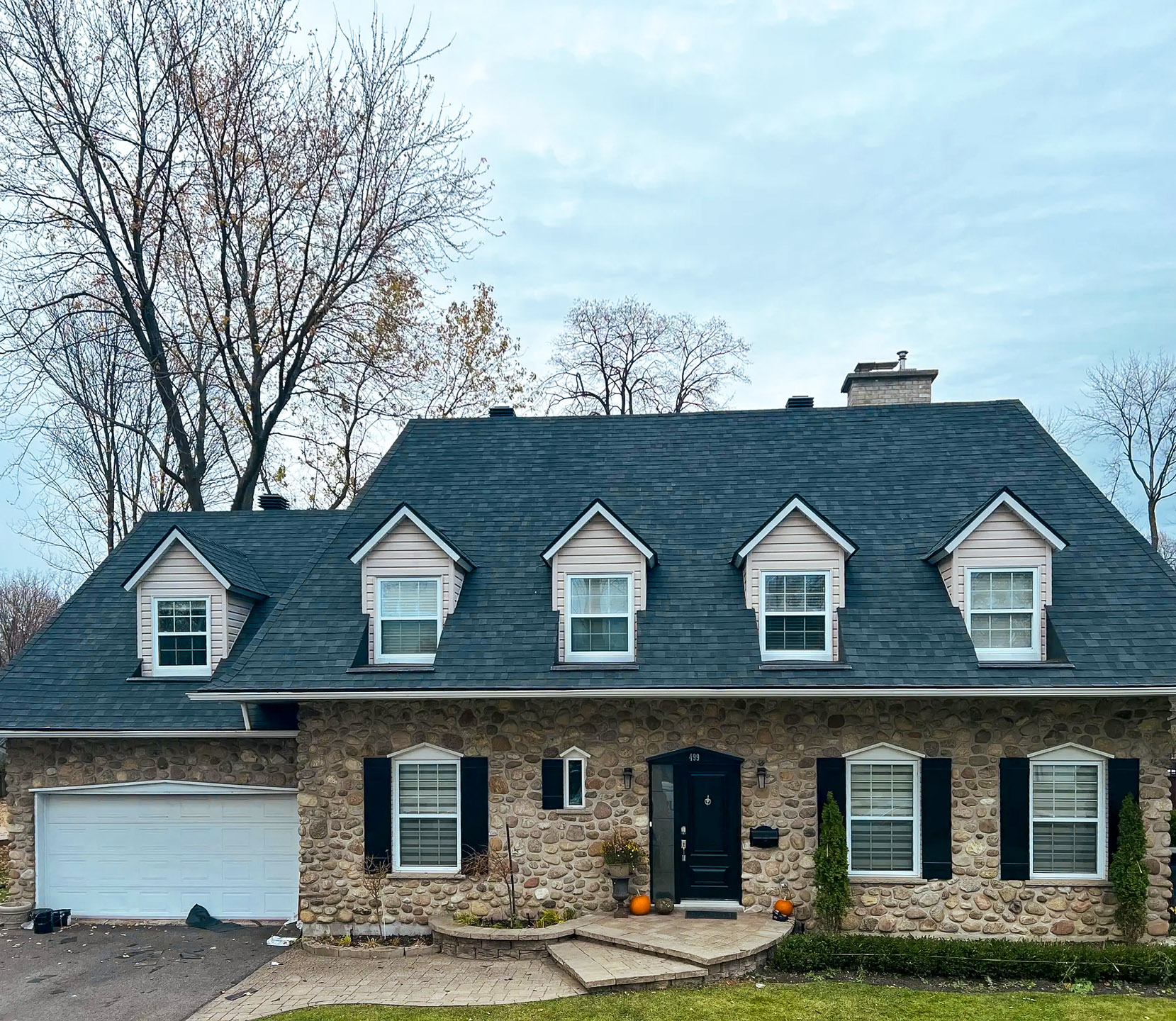
Durability and maintenance: Choose a material that will last for decades with minimal maintenance. The longer the lifespan, the less environmental impact from replacements.
Origin and manufacturing: Opt for locally produced or renewable resource-based products to reduce transportation emissions. Look for certifications (FSC, SCS Recycled Content) that guarantee responsible practices.
Energy performance: Good siding improves your home’s thermal insulation. Materials like fibre cement and aluminium help reduce heat loss.
Aesthetic appeal: Select siding that complements your home’s architecture and the surrounding landscape. Eco-friendly options are available in many textures and colours.
Maintenance and Installation Tips
Proper installation is essential to fully benefit from eco-friendly siding. Hire a qualified contractor and ensure the underlying structure is well ventilated to prevent moisture buildup and extend the siding’s lifespan. Regularly inspect the siding for signs of deterioration and carry out necessary repairs.
Adopting eco-friendly exterior siding is a smart choice that combines beauty, performance, and environmental responsibility. By selecting durable materials and planning careful installation, you can enhance your property’s value while reducing your ecological footprint.
Looking for something else?
Related articles
The latest industry news, interviews, technologies, and resources.
Editorial Team
•22 Apr 2026
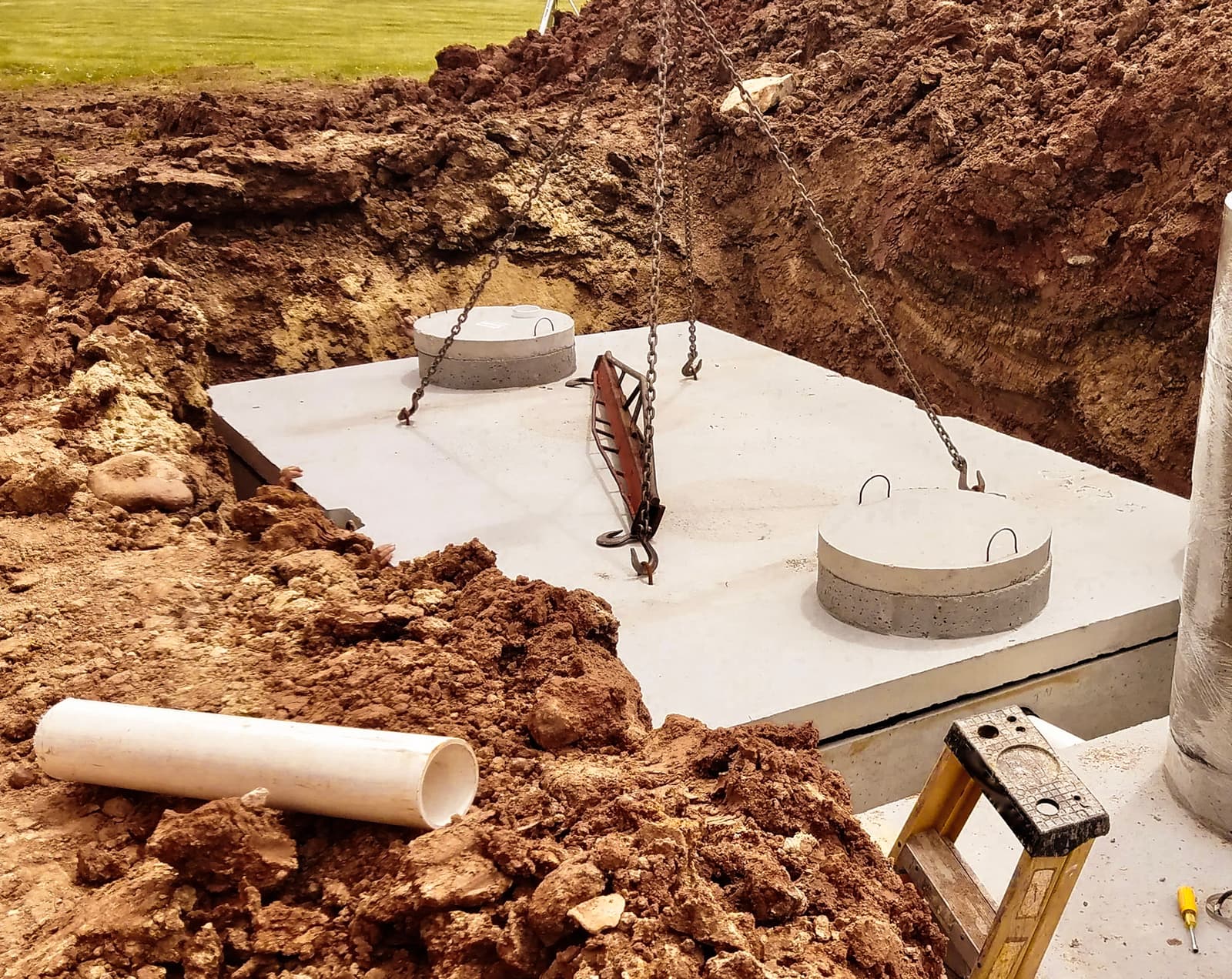
Installing a septic system for a chalet in Quebec is rarely a “catalog purchase.” Two homeowners may choose a similar system and pay very different amounts simply because their land, site access, and municipal requirements don’t tell the same story. Before even talking about concrete, polyethylene, or capacity, one thing must be understood: the price depends primarily on the treatment solution your land allows, and what will be required to install it properly.

Editorial Team
•15 Nov 2024
Have you heard about heat pumps? These innovative and energy-efficient systems are not only environmentally friendly, but they require little maintenance to provide long-lasting heating and cooling to your home.
Editorial Team
•30 Oct 2025
Your kitchen countertop has a tough job to do, it is required to stand up against a multitude of things including weight, heat and moisture. If you notice any signs of wear, tear, cracks or mould, it’s probably time for an upgrade. Replacing your kitchen counters isn’t too difficult, it just requires time, patience and a few basic carpentry skills.
Editorial Team
•09 Sep 2024
Choosing an efficient heating solution shouldn’t be taken lightly. Prior research is super important to ensure you’re choosing an appliance that meets your home’s heating requirements while maintaining reasonable energy expenses. Are you looking for an effective heating solution, yet uncertain about the ideal choice? Check out our guide to gain insight into the various devices, features, and price ranges.

Editorial Team
•08 Nov 2023
Buying a house is probably the single most important financial investment of a lifetime. Therefore, a future homeowner should be assured of paying a fair price for their new property and avoid being confronted with unforeseen work and the costs that come with it.