Fibreglass Balcony Repair: DIY Tips, Steps and Products to Know
By Editorial Team
Updated on May 7, 2026
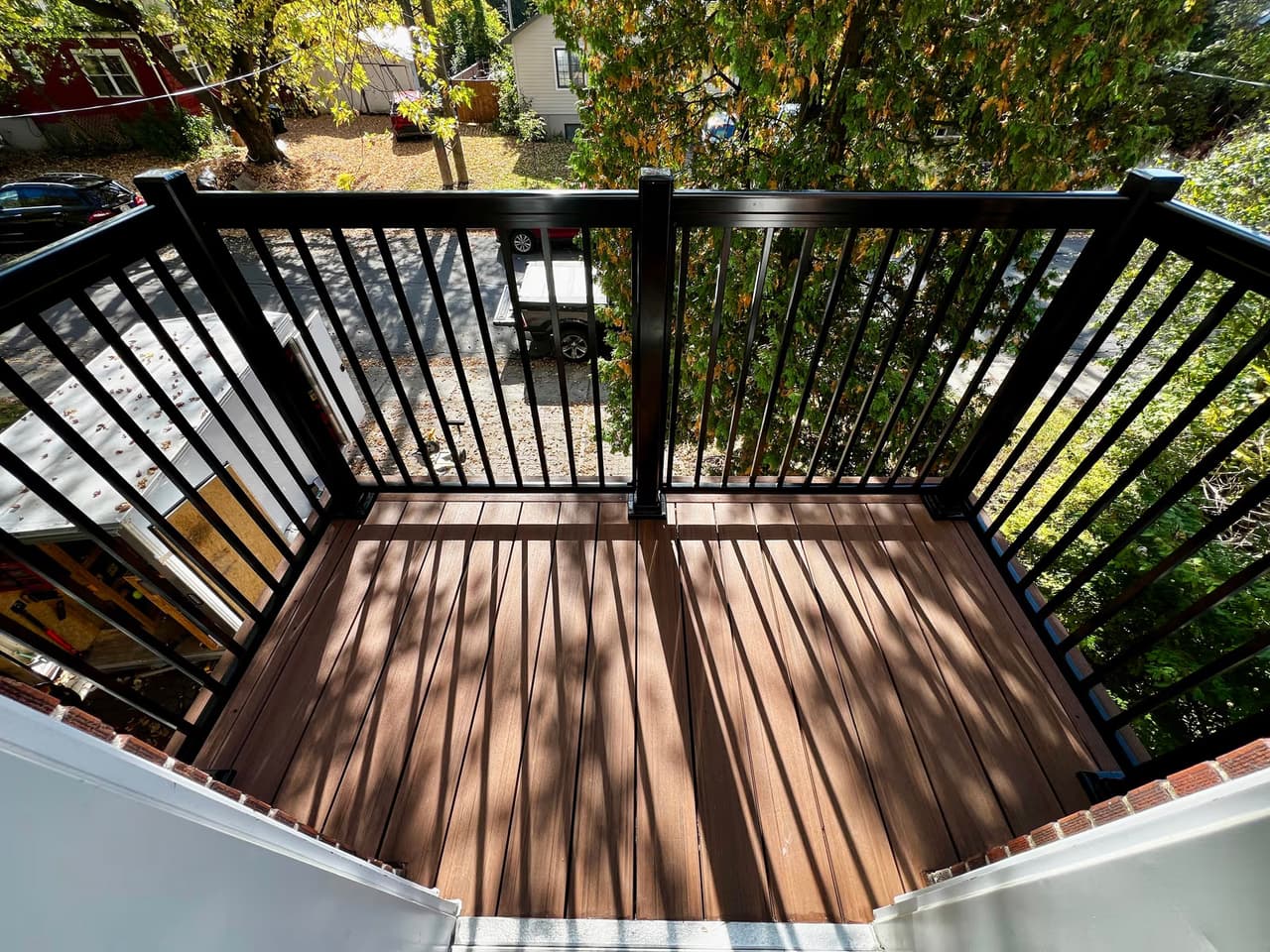
A fibreglass balcony is a popular choice in Canada because it can resist moisture, weather exposure, and freeze-thaw conditions. Over time, however, the surface may lose its shine, crack, fade, or show signs of wear. In many cases, a small repair or resurfacing job can extend the life of the balcony without replacing the entire structure.
Before starting, inspect the balcony carefully. A surface crack, dull finish, or worn coating may be repairable. But if the balcony feels soft, unstable, water-damaged, rotten, sagging, or deeply cracked, contact a professional. Fibreglass can hide damage below the surface, especially if water has reached the structure underneath.
Can You Repair a Fibreglass Balcony Yourself?
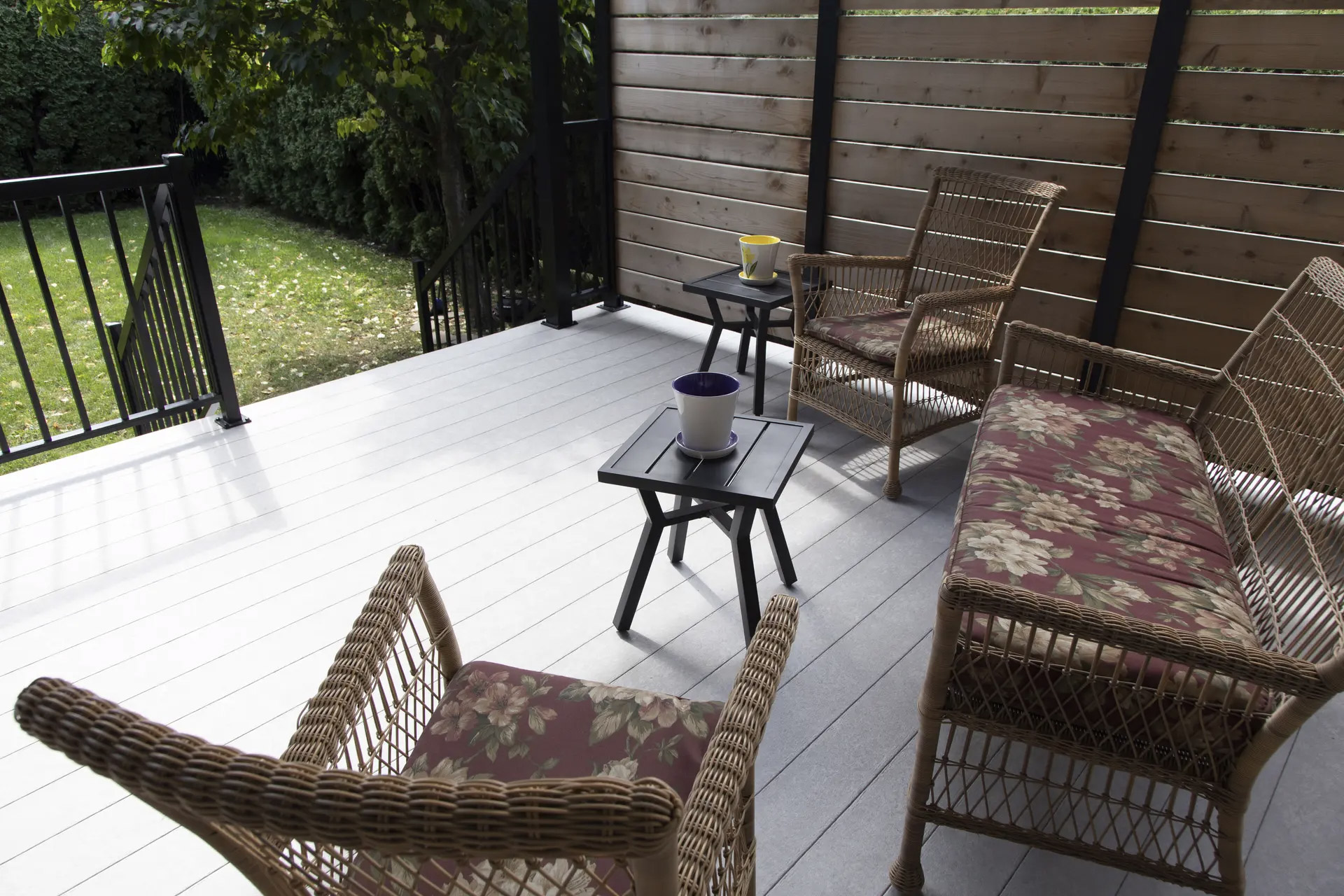
Source: SPF Reno Construction Inc.
Yes, some repairs can be done as DIY projects, especially when the damage is minor. Small surface cracks, scratches, dull areas, and simple resurfacing work are often manageable with the right tools and products. One fibreglass balcony guide lists 80-grit sandpaper, fibrous filler, hardener, fibreglass cloth, acetone, and polyester resin as possible materials for certain crack and hole repairs.
That said, this type of work should not be taken lightly. Products such as epoxy resin, polyester resin, hardener, gelcoat, and two-component coatings require careful surface preparation, ventilation, and strict respect of manufacturer instructions. Health Canada also reminds consumers to follow product label warnings and directions when using products that contain epoxy resins.
When Should You Hire a Professional?
DIY repair is best for light and localized damage. You should ask a professional to inspect the balcony if you notice:
A long crack or a crack that keeps growing
A soft or spongy surface
Water infiltration under the coating
Sagging or an unusual slope
Damage near railings, anchors, or stairs
Cracks spread across the whole surface
A balcony that is high, hard to access, or unsafe to work on
A surface coating will not fix a structural issue. If the crack is caused by movement, trapped moisture, or damage below the fibreglass, it may come back. When gelcoat cracking is a symptom of an underlying problem, repairing the crack without addressing the cause can lead to repeated cracking.
Important Information You Should Know
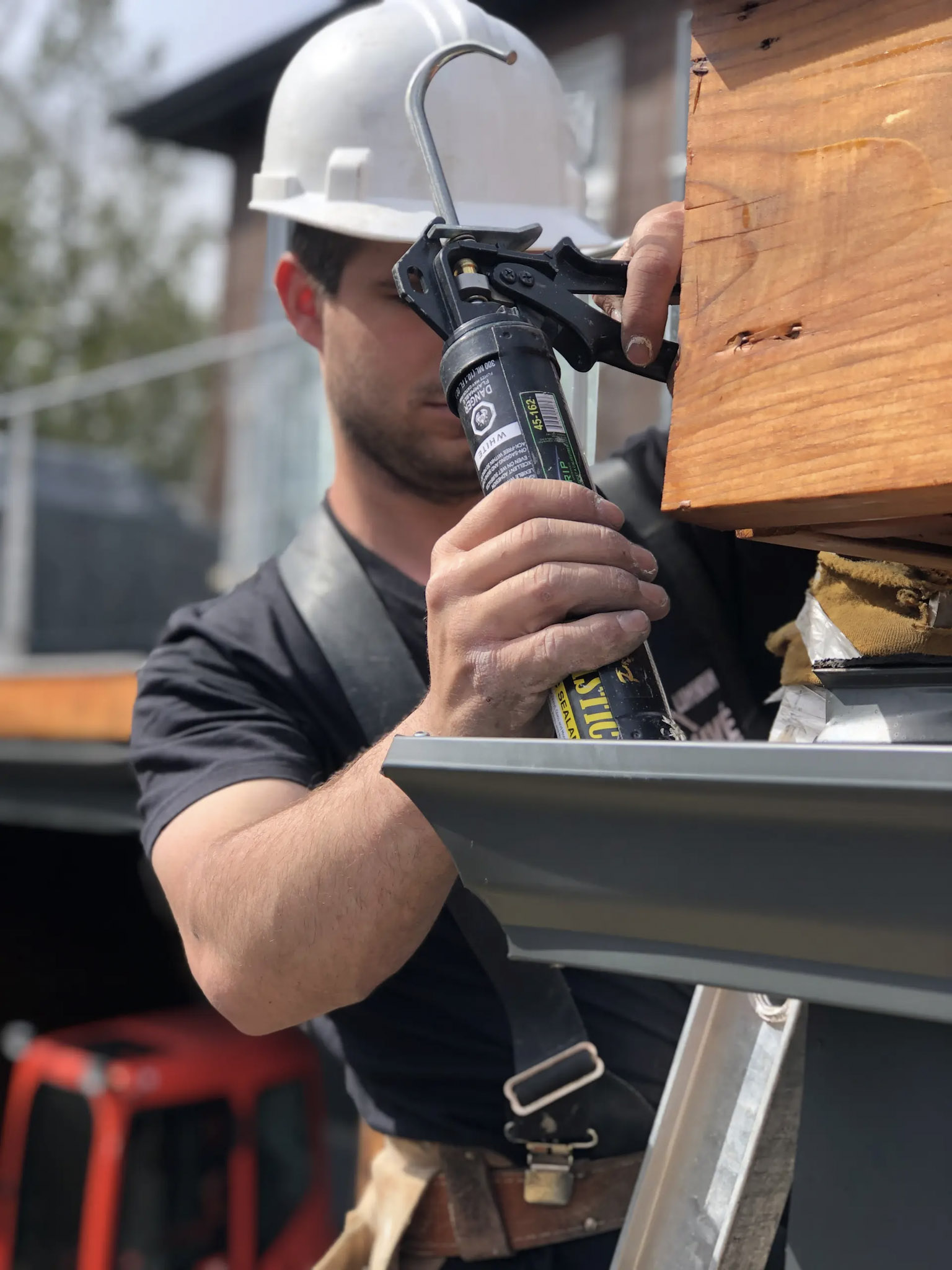
Source: Aluminium sauvé inc.
Materials and Products Used for Fibreglass Balcony Repair
The materials you need depend on the type of damage. For a small repair, common items may include:
80-grit sandpaper
Scraper or sanding tool
Cleaner/degreaser
Acetone, if required by the repair system
Fibrous filler
Hardener
Fibreglass cloth
Polyester or epoxy resin
Roller or bubble remover
Gelcoat or finishing coating
Brush for corners
Heavy-duty floor brush or roller
Gloves, eye protection, and proper respiratory protection
For cleaning, a degreaser can help remove grease, dirt, and surface contaminants. Always check the product label before using a cleaner, and never mix cleaning products unless the manufacturer clearly says they are compatible.
Preparing the Fibreglass Balcony Surface
Surface preparation is the most important step. If the surface is dirty, wet, glossy, or contaminated, the repair may not bond properly. Start by removing furniture, outdoor mats, pots, and anything else blocking the balcony surface.
Clean the balcony with a suitable cleaner/degreaser. A pressure washer may help remove dirt, but avoid forcing water into cracks, seams, or edges. After cleaning, let the balcony dry completely. The surface must not be wet when applying resin, filler, or coating.
Once dry, sand the repair area with 80-grit sandpaper. This removes the gloss and gives the repair material a better surface to bond to. For gelcoat cracks, the damaged gelcoat usually needs to be removed before the repair area is sanded and rebuilt.
Repairing Cracks and Small Damage
For a localized crack, the goal is to clean the area, open the damaged section slightly, fill the crack, reinforce it if needed, and protect the surface with a compatible finish. The exact steps depend on the product you choose.
In general, the process starts with sanding the area, removing loose material, and cleaning the surface. Some fibreglass repair methods involve applying fibrous filler with hardener, letting it cure, sanding it, then applying fibreglass cloth with polyester resin and removing air bubbles.
For deeper damage, gelcoat alone is usually not enough. Gelcoat is mainly a finish and protective layer. If the fibreglass below is damaged, the base repair should be done first with a compatible resin or repair system, followed by the final finish.
Resurfacing a Fibreglass Balcony
Resurfacing is useful when the balcony is still solid but the finish is faded, worn, or dull. In this case, the goal is not to rebuild the balcony, but to restore the surface and protect it from weather.
A fibreglass balcony with a faded finish can often be resurfaced with pigmented gelcoat. This can help restore the look of the balcony while adding a new protective layer against weather and wear.
Resurfacing still requires careful preparation. Clean, degrease, sand, remove dust, and make sure the surface is completely dry. If cracks are present, repair them before applying the new finish.
Painting a Fibreglass Balcony: Epoxy, Urethane, or Gelcoat?
Several products may be used, but they do not all serve the same purpose. Gelcoat is often used as a fibreglass finish. Epoxy may help seal or repair certain surfaces, but it usually needs UV protection if used outdoors. Urethane is often used as a finishing layer because it can offer better sun resistance.
For some systems, one option may be to apply two coats of urethane mastic, or one coat of epoxy mastic followed by one coat of urethane mastic. However, epoxy alone should generally not remain exposed to the sun as a final coat unless the manufacturer confirms that the product is UV-resistant.
Be Careful with DTM Series 9100 and Series 9800 Products
Search terms such as DTM Series 9100 and DTM Series 9800 often appear around balcony coating research. Be careful before using them on fibreglass. These products are often described as direct-to-metal coatings, which means they are not automatically suitable for a fibreglass balcony.
This does not necessarily mean they can never be part of a fibreglass balcony coating system. However, they should not be chosen blindly. If a retailer recommends a specific fibreglass balcony system, follow the full product instructions. Otherwise, confirm compatibility with the manufacturer or a specialist before applying anything.
How to Avoid Application Problems
Many finish problems come from poor preparation or incompatible products. For example, “fish-eye” can appear if the surface still contains contaminants such as oil, wax, silicone, or cleaner residue.
To reduce the risk:
Clean and degrease carefully
Rinse if the product requires it
Let the surface dry completely
Sand to remove gloss
Remove dust before coating
Respect the manufacturer’s mixing ratio
apply coats at the recommended thickness
Avoid applying in direct hot sun, high humidity, or on an overheated surface
Test a small area if compatibility is uncertain
Some products use specific mixing ratios, such as 1:1 or 5:1, but these ratios should not be applied to every product. Always follow the technical data sheet for the exact product being used.
Safety: What Not to Ignore
Fibreglass balcony repair may involve sanding, dust, resins, solvents, and two-component products. Wear gloves, eye protection, protective clothing, and proper respiratory protection.
Work in a well-ventilated area. Avoid breathing vapours and sanding dust. Never mix chemicals unless the products are designed to be used together. If you are not comfortable handling resin, hardener, acetone, or two-component coatings, hire a professional.
Tips to Reduce Costs
To reduce costs without lowering quality, start by measuring the balcony accurately. This helps you buy the right amount of product and avoid waste. Product coverage can vary depending on the surface condition, product type, and application method.
Repair small cracks early. A neglected crack can allow water in and lead to more expensive damage. Also, do not choose a product only because it is cheaper. An exterior balcony finish needs to resist weather, wear, and UV exposure.
Maintaining a Fibreglass Balcony
Good maintenance helps extend the life of the balcony. Clean the surface regularly with a mild product and avoid abrasive tools that can damage the finish. Remove leaves, sand, ice, and debris that can hold moisture.
Inspect the corners, edges, joints, railing areas, and places where water can collect. A loss of shine is not always urgent, but a crack, bubble, or soft area should be checked quickly.
Conclusion: DIY Repair Is Possible, but Preparation Matters
Fibreglass balcony repair can be a good DIY project if the damage is minor and the structure is sound. The most important steps are surface preparation, product compatibility, proper drying time, and a UV-resistant final finish.
For a small crack, dull finish, or light resurfacing job, a prepared homeowner may be able to improve the appearance and durability of the balcony. But if the balcony shows signs of water infiltration, weakness, or major damage, a professional inspection is the safer choice.
Looking for something else?
Related articles
The latest industry news, interviews, technologies, and resources.
Cynthia Pigeon
•08 Jul 2026
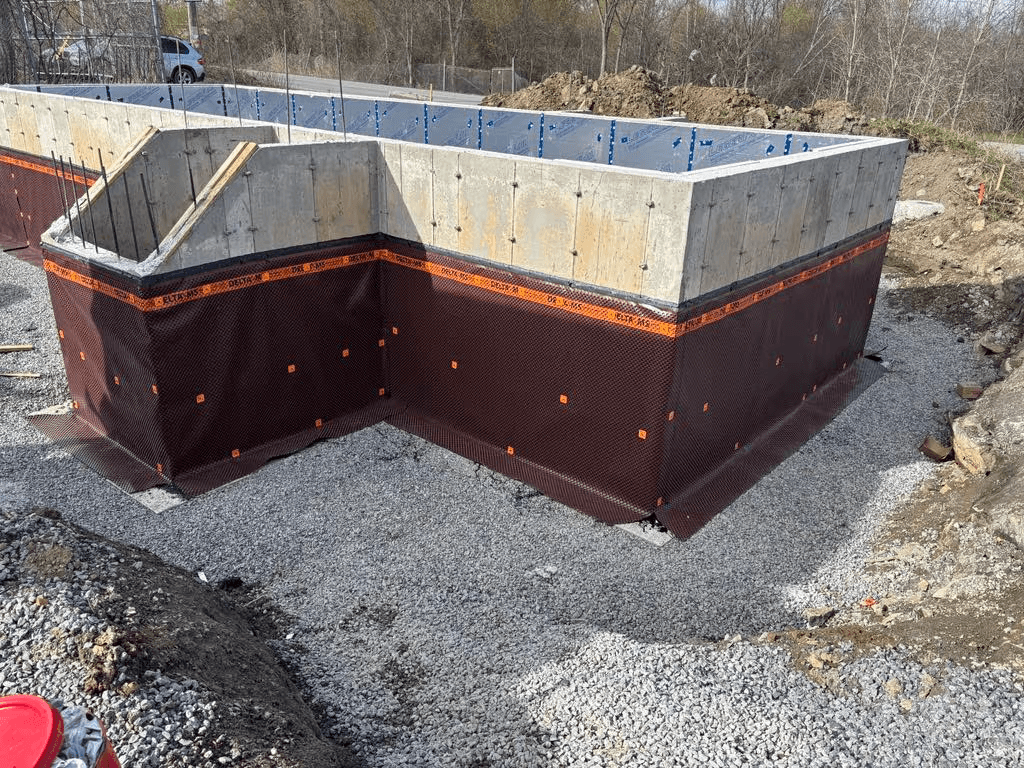
For homeowners in Quebec, managing moisture and water around foundations is a major challenge. Basement water infiltration can quickly cause significant damage, whether structural or not, while also promoting mould growth that can be health-hazardous. When facing this issue, foundation waterproofing is one of the most durable solutions, especially when combined with an effective drainage system.
Editorial Team
•04 May 2026
Choosing the right heat pump for a Canadian home means looking at more than just the price. Homeowners also need to consider the size of the space, energy efficiency, winter performance, refrigerant type, warranty, and whether the system is made for one room, several rooms, or the whole house.

Cynthia Pigeon
•14 Jun 2024
Not only is cleaning your fireplace essential to its proper functionality, but it also contributes to its safe use.

Editorial Team
•08 Nov 2023
When it comes to designing a bathroom, faucets make all the difference. Nevertheless, choosing the right faucet goes beyond aesthetics. Whether you’re selecting a faucet for a tub/shower or sink, there are other important factors to consider.

Cynthia Pigeon
•08 Nov 2023
Rather elegant with its sinuous curve, the helical/spiral staircase is an urban, structural beacon in Montréal and a guaranteed head-turner.