Capable of ensuring maximum waterproofing, the Resisto membrane is considered the ideal underlayment for a two-ply roofing system—but not just that. Available in various forms, it can also waterproof your foundations, balconies, shower bases, and prevent air infiltration by sealing door and window joints.
What You Should Know About the Resisto Membrane
As the name suggests, a low-slope roof has a gentler incline, making it almost flat: between 1/12 (1%) and 4/12 (33%). While water quickly drains off a traditional sloped roof, it lingers longer on a low-slope roof, which means better waterproofing is required. Resisto membranes are the perfect solution for this need.
The Waterproofing Membrane
Among Resisto’s options are “perimeter” waterproofing membranes, which prevent leaks in the most vulnerable parts of a roof (edges, valleys, ridges, etc.). Compatible substrates include plywood, OSB, and asphalt panels like RESISTOBOARD. Whatever the material, it must be clean and free of dust, grease, or debris. No screws or nails should protrude. Tools you’ll need include: a knife, measuring tape, roller, and brush or standard roller.
The Finishing Membrane
The second type is the granulated finishing membrane. It resists the elements and seals the joints in roofing details. Installation temperature requirements vary: -10°C for exterior primer and elastomeric sealants, 5°C for RESISTOFLASH, and 10°C for HR finishing membrane.
Compatible substrates include those used for perimeter membranes, plus base waterproofing membranes and LASTOBOND PRO. As before, cleanliness and flatness are crucial. Required tools: knife, standard caulking gun, measuring tape, brush/roller, roller, and trowel.
Although installation guides are available online, hiring a professional in Quebec ensures proper and long-lasting results. A poorly installed membrane can lead to leaks, even into your living room during storms.
Both membrane types can be used alone or together as part of a two-ply system. Layering a waterproofing membrane beneath a granulated finishing membrane ensures top-tier protection.
Benefits of Resisto Membranes for Low-Slope Roofs
Traditional materials like asphalt shingles or metal roofing aren’t ideal for low slopes—they’re less durable and less visually appealing. A Resisto membrane, either perimeter or finishing, is a better fit for cottages, house extensions, garages, or workshops. With a 20-year warranty under certain conditions (such as outward drainage), it’s a cost-effective investment.
The aluminum surface of Resisto’s perimeter membrane makes it UV-resistant, reflective, and flexible in cold weather. Dislike its appearance? You can paint it with acrylic paint without compromising performance. You can also choose a flashing and butyl rubber membrane that suits any surface or weather.
For window and door perimeters, Resisto offers a specific self-adhesive membrane that’s air/vapor barrier rated and temperature-resistant.
No matter your needs, Resisto’s various membranes can adapt to both roofing and other home waterproofing projects.
Example Prices for Resisto Membranes
Now that you know more about Resisto membranes, you’re likely interested in pricing. Here are examples:
Air/vapor barrier membrane (for doors/windows): ~$35 for a 4” x 75’ roll
All-temperature butyl membrane: ~$64 for a 6” x 75’ roll
All-purpose aluminum membrane: ~$19 for an 8 sq. ft. roll
High-resistance finishing membrane: ~$115 for a 39” x 23’ roll
While finishing membranes cost more, they cover more surface area. A combination of perimeter and finishing membranes offers unmatched performance for low-slope roofs.
Easy to install, long-lasting, and highly resistant to extreme temperatures, Resisto membranes help maximize your roof’s efficiency. Plus, their versatility makes them useful for other renovation work.
Looking for something else?
Related articles
The latest industry news, interviews, technologies, and resources.

Amanda Harvey
•14 Mar 2024
Although renovations are often motivated by a search for greater comfort and some aesthetic improvement, some may be planning renovations to sell their home. If this is the case, renovations that work to increase the market value of your home are the ones to consider.

Cynthia Pigeon
•08 Nov 2023
Identifying problems related to your roof is essential before carrying out any repairs. Water infiltration, heat loss, and shingle deterioration, each of these issues can have serious consequences if not addressed in time.

Léa Plourde-Archer
•13 Aug 2024
There are many reasons you may be interested in installing a floating floor. Whether it’s because you’re working with a concrete subfloor or you’re looking for the best solution for your current flooring, floating floors have become a popular choice for many.
Amanda Harvey
•08 Nov 2023
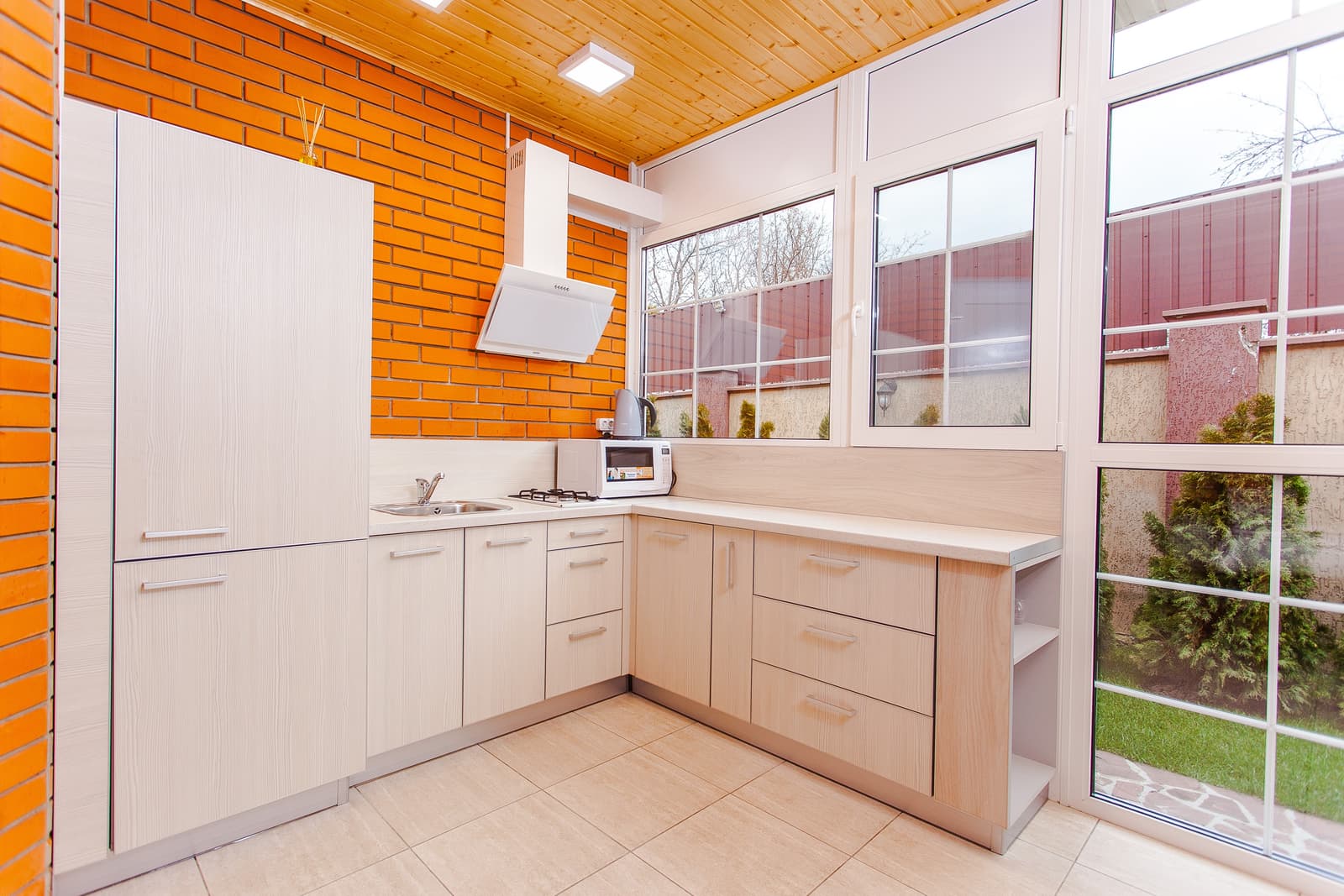
The kitchen is one of the most important rooms of the home, a place for the family to congregate after a long day of work and play, to cook a meal and to enjoy time together. There are plenty of moving parts that go into the construction and operation of your kitchen, and for things to run smoothly everything has to be laid out in a functional way. For this reason, it is important to update the surfaces, appliances and layout of your kitchen to suit the needs of yourself and your family.
Editorial Team
•02 Apr 2026
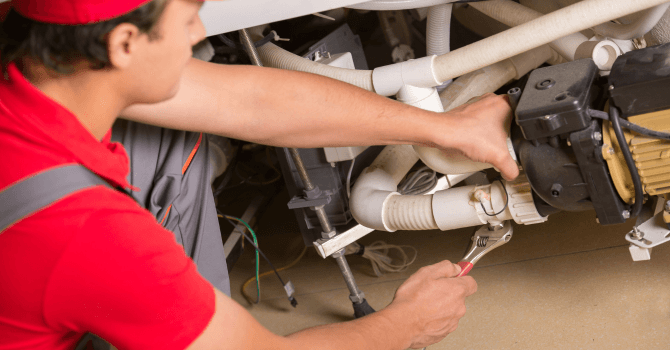
Noisy pipes are likely the cause of a significant problem, often leading one to hire a plumber.