Furnace Replacement Cost in Canada: What should you budget in 2026?
By Editorial Team
Updated on September 18, 2026
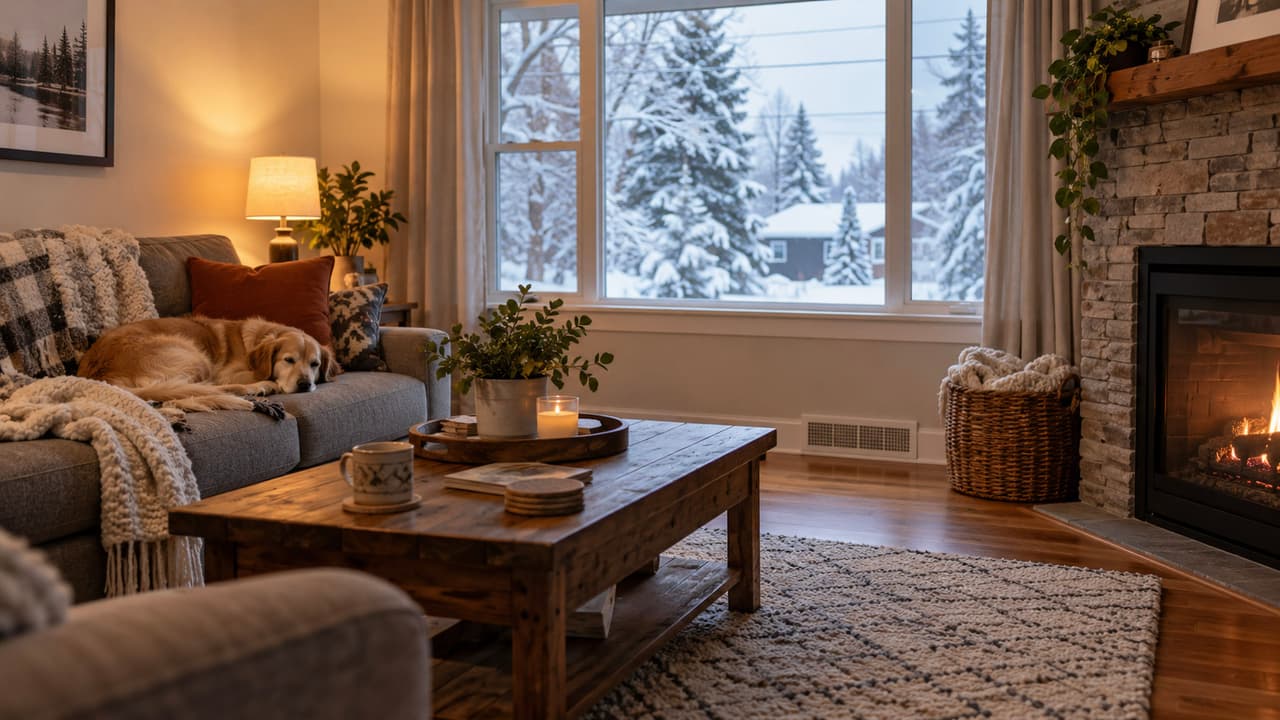
Replacing a furnace is a purchase most homeowners make once or twice in a lifetime, often with very little warning and usually at the worst time of year. The cost of a furnace replacement in Canada runs from roughly $3,500 to $10,000 installed, and that spread is wide enough that the same quote can look like a bargain or a rip-off depending on what you know about your own house.
This guide breaks down what Canadians actually pay in 2026: the difference between equipment pricing and installed pricing, what pushes a quote toward either end of the range, how gas, electric, oil and propane systems compare, how a furnace stacks up against a heat pump, and what rebates and financing are still available.
Average Furnace Replacement Costs in Canada
Source: Mas Air Home Comfort Inc.
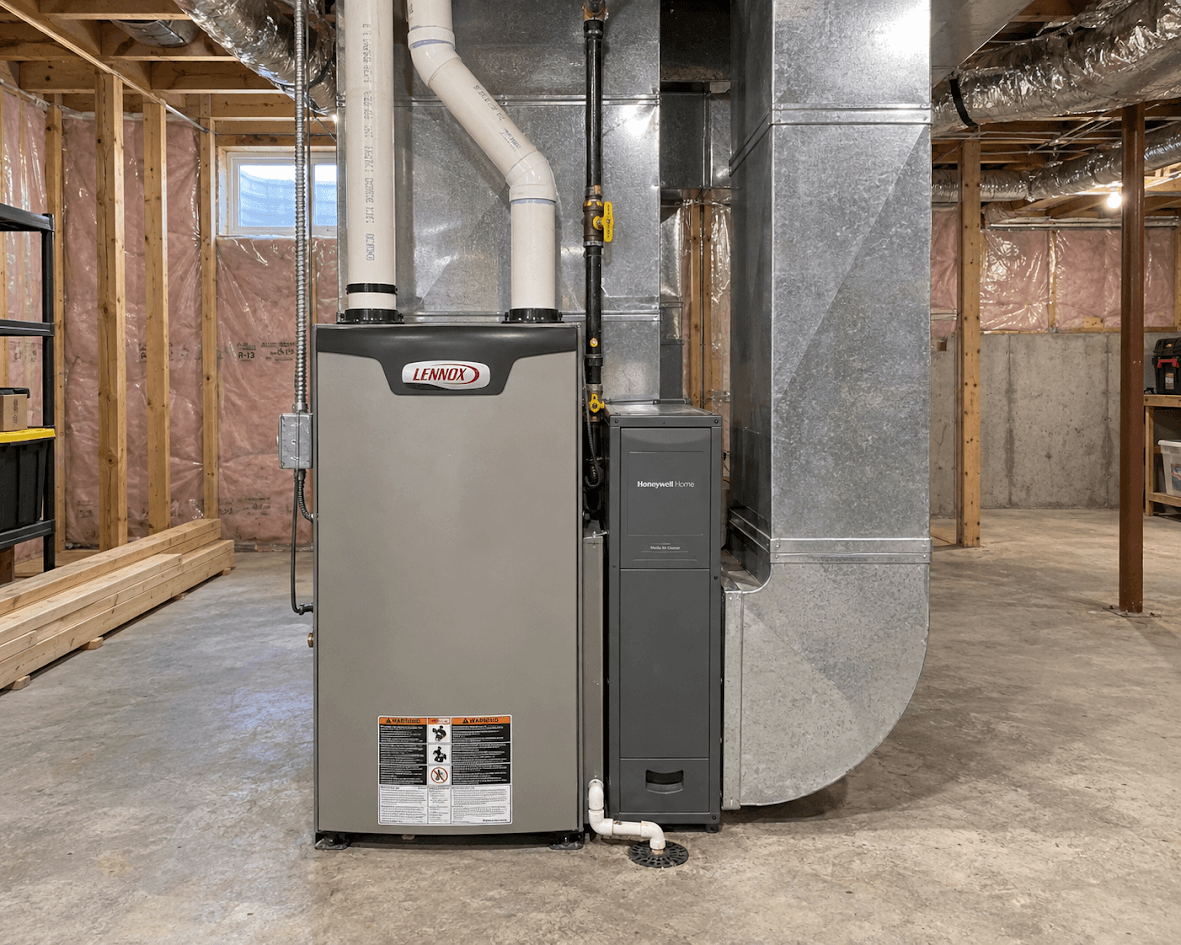
Most Canadian homeowners pay between $4,000 and $7,000 to replace a natural gas furnace with a new high-efficiency model, with the total covering the unit, labour, materials, and removal of the old furnace. Home Depot Canada puts the national range at approximately $4,100 to $9,500 before tax, with an average of about $6,800. Compiled contractor and industry guides put the full installed range at $3,500 to $10,000 or more, with most straightforward replacements landing in a narrower $4,000 to $6,500 band.
Scenario | Installed cost |
Budget replacement, basic equipment, simple swap | $3,500 to $4,500 |
Typical replacement, two-stage 95%+ AFUE furnace | $4,000 to $7,000 |
Premium equipment or added complexity | $7,000 to $9,000 |
Fuel conversion, major ductwork, large or rural home | $9,000 and up |
The top of that range is not a typical replacement. Quotes above $9,000 usually involve a fuel conversion, significant ductwork changes, a large or rural property, or a premium modulating furnace.
Equipment-Only Pricing vs. Installed Pricing
Furnace prices quoted online are almost always equipment-only, covering the unit and nothing else. Installed pricing folds in labour, venting, permits, and any code upgrades the job triggers.
Equipment tier | Unit price only | What you get |
Entry-level | $2,000 to $3,000 | Basic 95% AFUE unit, multi-stage fan |
Mid-range | $3,000 to $4,500 | Two-stage burner, better warranty |
Premium | $4,500 and up | Modulating burner, variable-speed blower |
That distinction matters because it is the most common reason a contractor's quote feels inflated. If you are comparing a $2,800 online price to a $6,200 quote, you are comparing a box on a pallet to a working, permitted, code-compliant heating system.
What a Typical Replacement Looks Like
Furnace capacity is measured in BTUs. A 2,000 sq. ft. home in Ontario generally requires a 60,000 to 80,000 BTU furnace, while a smaller home of 1,000 to 1,500 sq. ft. typically needs something in the 40,000 to 60,000 BTU range. A straightforward swap in that 2,000-square-foot home, keeping the same fuel and the same venting location, usually lands around $5,000 to $7,500 installed.
Those figures are a starting point, not a specification. Proper sizing comes from a heat loss and heat gain calculation done at your house, and the answer changes as the building changes. A home that has recently had its attic insulation improved or its windows replaced may need a smaller furnace than the one it is replacing.
Types of Furnaces and Fuel Sources
Source: Climatisation JLM
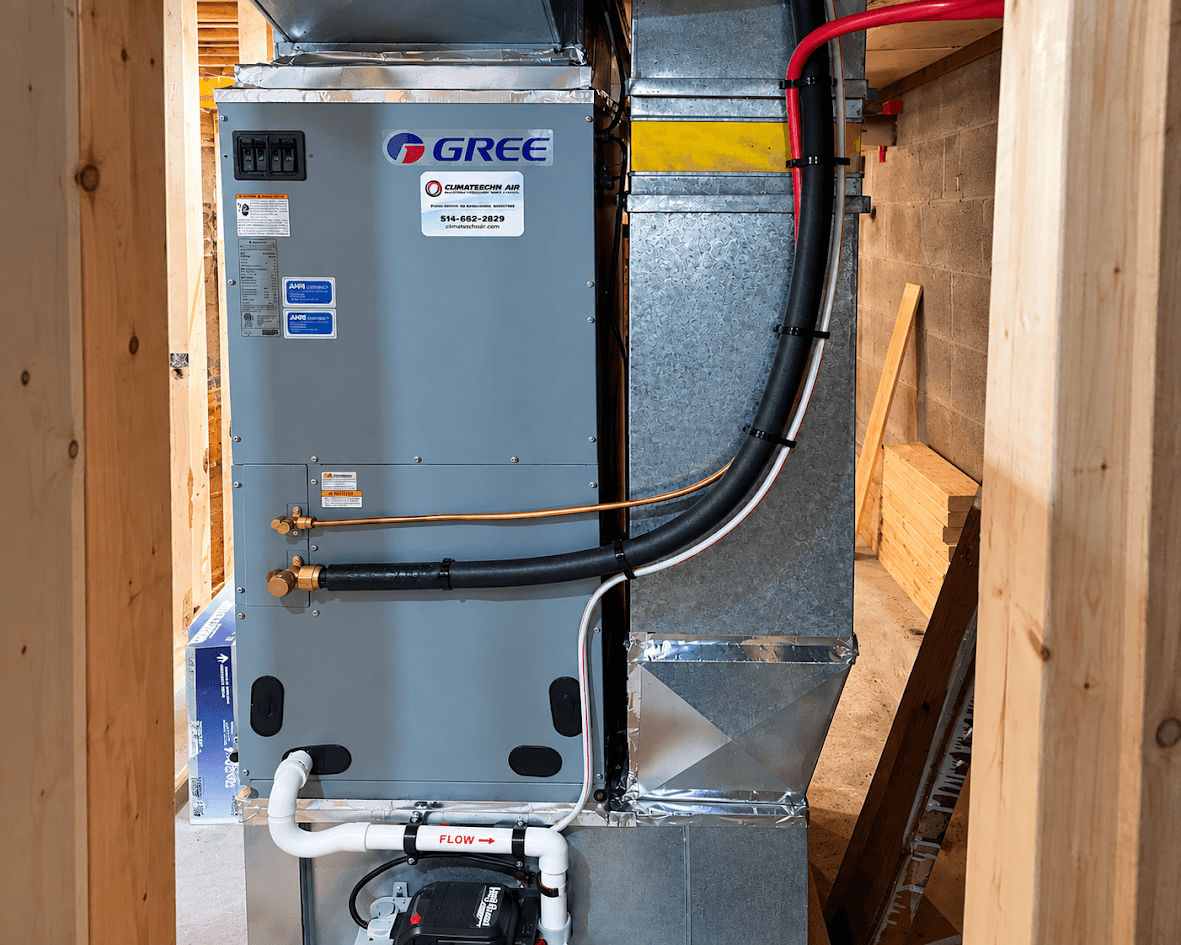
Fuel type sets the baseline for both the purchase price and the bill you pay every month afterward, and for most homeowners it is not really a choice: you heat with what your property has access to.
Fuel type | Installed cost | Operating cost |
Natural gas | $4,000 to $7,000 | Lowest in most provinces |
Electric | $2,000 to $7,500 | Highest outside low-rate hydro provinces |
Propane | $6,000 to $8,000 | Higher than gas, varies with delivery pricing |
Oil | $5,500 to $8,500 | Highest maintenance, tank and deliveries required |
Natural Gas Furnaces
Natural gas is the most common heating fuel in Canadian homes with duct systems, and it offers the best balance of installed cost and operating cost in provinces with widespread gas distribution. Modern gas furnaces are condensing units, which means they vent through PVC piping rather than a chimney and produce condensate that needs a drain.
Electric Furnaces
Electric furnaces have no combustion, no venting, and no gas permit, which makes them the simplest and often the cheapest system to install. Installed costs in the Toronto area start as low as $1,800 to $4,000, though full-service installers quote $6,000 to $7,500 for larger systems. Where your quote falls depends heavily on whether your electrical service can carry the load.
The trade-off is operating cost. Electric resistance heat is essentially 100% efficient at the point of use, but a kilowatt-hour of electricity buys less heat than an equivalent dollar of natural gas in most provinces. Annual electric heating bills in Ontario commonly run $1,200 to $2,500 or more, roughly double a comparable gas system. In provinces with low hydroelectric rates, that gap narrows considerably.
Oil and Propane Furnaces
Oil and propane serve rural and remote properties without gas service. An oil system comes with a storage tank and scheduled deliveries on top of the installed price, and oil furnaces need more routine maintenance than gas or electric equipment.
Fuel conversions carry their own premium. Switching from oil or electric to natural gas or propane adds $1,500 to $3,500 or more for the conversion work alone. Many rural homeowners look at switching away from oil at replacement time precisely because the fuel bill, not the furnace, is what has been hurting.
Furnace Efficiency and What It Buys You
How AFUE Works and Why 95% Is the Floor in Canada
AFUE stands for annual fuel utilization efficiency, and it describes how much of the fuel a furnace burns over a full heating season ends up as heat in your house. A 96% AFUE furnace turns 96 cents of every fuel dollar into warmth and sends the rest up the exhaust.
Here is the part that surprises most homeowners: you cannot buy a standard-efficiency furnace in Canada anymore. Natural Resources Canada sets the minimum energy performance standard for residential gas furnaces at 95% AFUE, with narrow exceptions for outdoor and three-phase equipment. An existing low-efficiency unit can legally keep running, but the moment it needs replacing, only condensing units meeting the 95% minimum are available.
The savings are real when you are replacing something old. Moving from an 80% AFUE furnace to a 96% model saves roughly $300 to $600 a year on gas in Ontario's climate. One caveat worth knowing: natural gas got cheaper after the federal carbon charge came off gas bills in 2025, which stretches out the payback period on the most expensive equipment.
Single-Stage, Two-Stage, and Modulating Models
Since the efficiency floor is already high, the real decision is how the furnace delivers heat. A single-stage unit runs at full output or not at all. A two-stage unit has a lower setting for mild weather. A modulating furnace adjusts its burner in small increments to match the actual heat demand, usually paired with a variable-speed blower.
Stepping up to high-efficiency modulating equipment adds roughly $1,500 to $2,500 to the price, and that money buys comfort rather than dramatic fuel savings: steadier temperatures between floors, quieter operation, better humidity control, and better performance when the same blower runs your central air in summer. If your budget is tight, a two-stage 95% or 96% furnace from a mainstream brand heats a Canadian home perfectly well.
What Drives Your Quote Up or Down
Two homes on the same street can receive quotes $3,000 apart for what looks like the same furnace. Sizing is the starting point, and it comes from a design load calculation rather than square footage alone, since insulation, window quality and layout all shift the answer. From there, most of the gap between quotes comes down to work the furnace itself does not include.
Cost factor | Typical price impact |
Ductwork modification or repair | $300 to $1,500 |
Municipal permit fees | $90 to $350 |
Fuel conversion (oil or electric to gas or propane) | $1,500 to $3,500 and up |
Premium modulating equipment | $1,500 to $2,500 |
Emergency mid-winter replacement | 20% to 50% above off-season pricing |
Urban versus rural location | Rural installs generally run higher |
Venting is the factor most homeowners overlook. Moving to a condensing furnace often requires new PVC intake and exhaust piping through an exterior wall, and a new thermostat wire, condensate pump or electrical panel upgrade can each add a line item that was never in the ballpark figure you were quoted over the phone.
Furnace Installation and Labour Costs
Source: Ventilation Pro-Confort Inc.
What Belongs in an Installed Quote
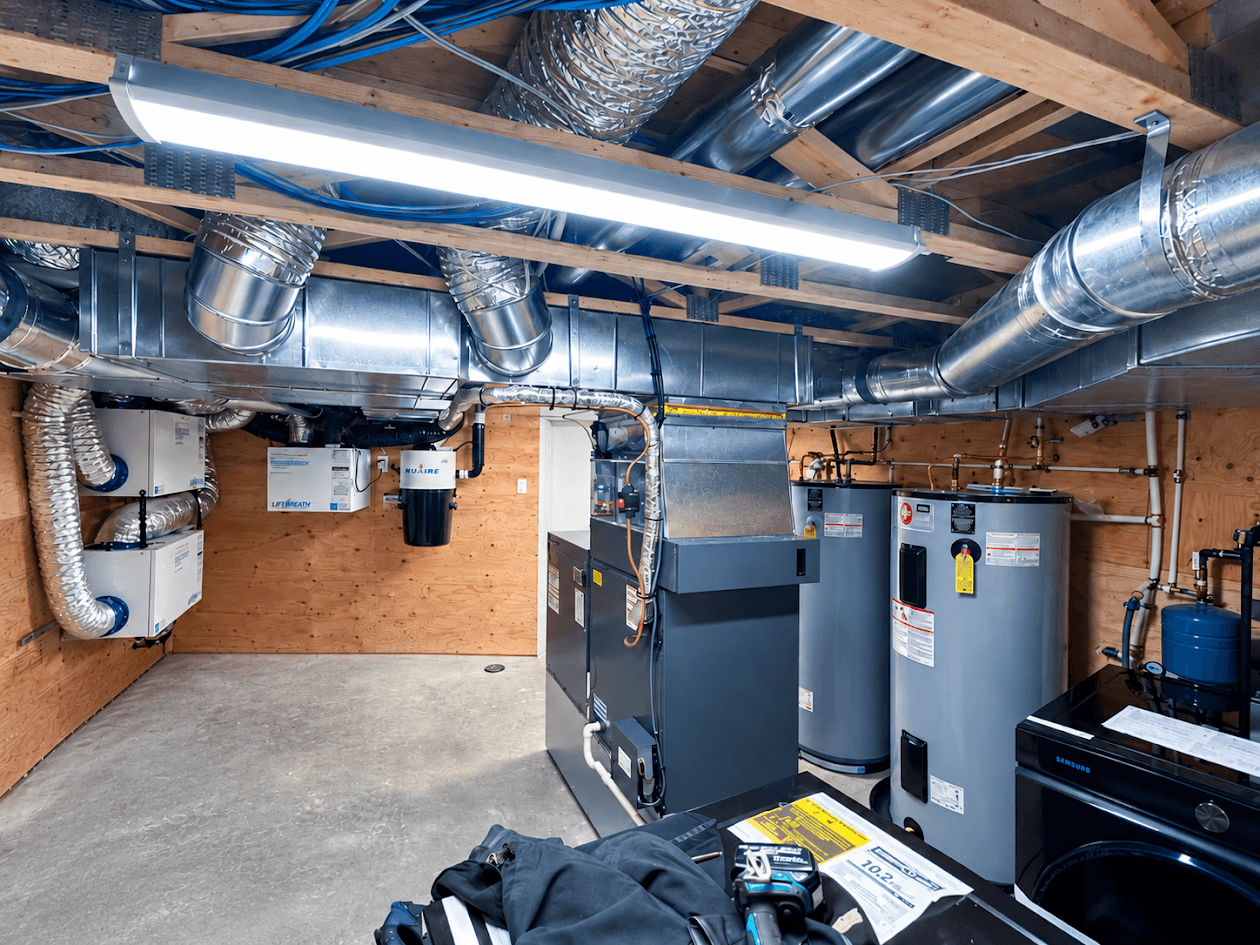
A complete quote covers removal and disposal of the old furnace, the new unit, gas fitting and venting, the condensate drain, a thermostat connection, permits, and a commissioning check that includes combustion testing. Labour and installation typically account for 25% to 35% of the total, with straightforward change-outs running $500 to $1,000 in labour, and most standard replacements finish in a single day of six to ten hours.
Ask specifically what is excluded. Installers report that most homeowners underestimate the total by 15% to 20% because they do not account for thermostat replacement, duct sealing, or permit fees. Ask about the labour warranty too, since it is separate from the manufacturer's parts coverage and varies a lot between companies.
Permits, Licensing, and Inspections
Gas work is regulated everywhere in Canada and must be performed by a licensed gas technician, who also handles the paperwork. In Ontario, that regime is overseen by the TSSA, and a straight furnace replacement in a house often does not require a municipal building permit, though new ductwork or venting through an exterior wall usually does. Other provinces administer their own equivalents, so confirm locally rather than assuming.
Municipal permits typically run $90 to $350, with electrical notifications billed separately and gas work authorizations usually bundled into the installation price. Skipping permits can trigger orders to comply and create insurance and resale problems later, so get the permit number in writing before the work starts.
Furnace or Heat Pump: Which makes sense for your home?
Comparing the Two on Cost
A heat pump moves heat instead of burning fuel, and it cools in summer, so the honest comparison is a furnace plus an air conditioner against a heat pump on its own.
System | Installed cost | Annual operating cost | Provides cooling |
High-efficiency gas furnace | $3,500 to $6,000 | $1,400 to $2,200 | No |
Cold-climate heat pump | $6,000 to $14,000 | $1,000 to $1,800 | Yes |
Dual-fuel (heat pump plus furnace) | $9,000 to $18,000 | $800 to $1,400 | Yes |
Operating costs run the opposite way to purchase price. A cold-climate heat pump saves $400 to $700 a year compared to a gas furnace, while costing $3,500 to $6,000 more upfront. The rebate picture matters even more, because current programs are aimed almost entirely at heat pumps rather than furnaces, which can close the gap considerably. It is worth knowing what a heat pump costs to install before you commit to like-for-like.
When a Furnace Is Still the Right Call
A gas furnace remains the sensible choice in several common situations: your air conditioner is newer and does not need replacing, your budget will not stretch, your electrical service cannot support a heat pump without an upgrade, or you live somewhere that regularly drops below -30°C. In colder regions, most homeowners who go the heat pump route choose a dual-fuel setup that keeps a gas furnace for the coldest days rather than going all-electric.
If your home has radiators rather than ducts, the comparison is different again, since a furnace cannot serve a hydronic system and your replacement conversation is really about boilers.
Where this lands for your house depends on numbers no article can supply: your actual heat loss, the condition of your ductwork, your electrical capacity, and the gas and electricity rates you pay. That is also why quotes vary so much. The same replacement can differ by thousands depending on how a contractor sizes the equipment, what they include, and whether they are pricing an emergency. Getting several written quotes from licensed contractors is the only reliable way to see what your specific project should cost.
Rebates, Financing, and Rental Options
What's Available in 2026
The federal landscape has narrowed. The Canada Greener Homes Grant is closed, with applications having run from May 2021 to February 2024 and the final documentation deadline passing on December 31, 2025. Remaining federal support points toward the Oil to Heat Pump Affordability program and the Canada Greener Homes Affordability Program, both delivered in partnership with provinces.
For a standalone high-efficiency gas furnace, expect very little. Enbridge offers $250 for a 95%+ AFUE furnace in Ontario, and only when you complete at least two other qualifying upgrades at the same time. The larger money follows heat pumps: Ontario's Home Renovation Savings Program offers up to $7,500 for a qualifying cold-climate heat pump in a home heated by electricity, oil or propane, or up to $2,000 in a natural gas home. Quebec homeowners should look at the Hydro-Québec LogisVert program, and other provinces run their own utility incentives. If you want to see whether the math changes, start with current heat pump rebates before you sign anything.
Two practical rules apply across every program. Confirm eligibility before you buy, because replacing first and applying second is the most common reason people miss out. And ask your contractor, since they process these applications regularly and know which requirements apply locally.
Financing, Rentals, and Protection Plans
Furnace rental runs $70 to $140 or more per month depending on the system, which covers repairs and maintenance but never builds ownership. Lease-to-own contracts are worth extra scrutiny, since they often run 192 months and can cost 40% to 60% more than purchasing outright. The interest-free Canada Greener Homes Loan stopped accepting applications on October 1, 2025.
Contractor financing, seasonal promotions and bundled pricing on a furnace and air conditioner installed together are all normal parts of the market. Just price the bundle against two separate jobs rather than assuming the discount is real.
Keeping a New Furnace Running Well
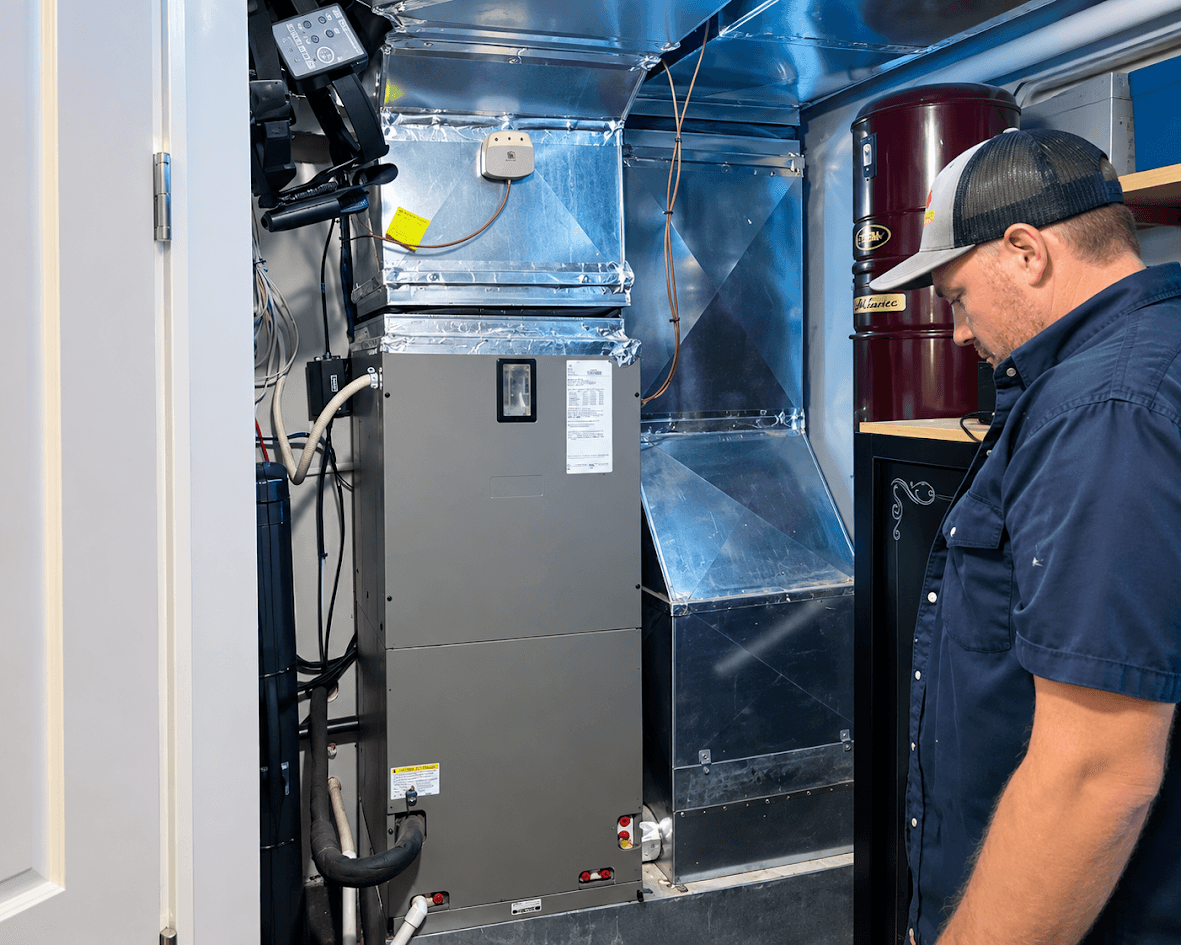
Source: Ventilanet
Routine Maintenance
Most furnaces last 15 to 20 years with proper maintenance. Getting there is mostly unglamorous: change the furnace filter every one to three months, book an annual inspection, and keep the area around the unit clear. A furnace inspection in Ontario costs $80 to $200 and includes a heat exchanger check, which is the component that matters most for carbon monoxide safety. A technician also cleans the flame sensor, checks the igniter, inspects the blower, and verifies the venting. If airflow has been weak for years, cleaning the ductwork may be worth looking at alongside the new equipment.
Red Tags and the Repair-or-Replace Decision
If a licensed technician finds a hazard, the appliance gets tagged. A Type A tag means immediate danger, such as a severe carbon monoxide leak, and your gas is shut off on the spot. A Type B tag means the equipment is unsafe but not an immediate hazard, and you have 30 days to repair or replace it before the utility shuts off the gas. A cracked heat exchanger is the classic cause, and on an older unit it generally ends the repair conversation.
Outside of a red tag, the usual test is arithmetic. When repair costs reach 30% to 40% of replacement cost, replacement is normally the better decision, and that threshold arrives faster on a furnace already past 15 years.
What should you budget for a new furnace?
For a natural gas replacement in 2026, plan on $4,000 to $7,000 installed, with the middle of that range covering a well-specified two-stage furnace put in by a licensed contractor with permits included. Electric systems can come in lower upfront and cost more to run, while oil, propane and fuel conversions push the total higher. The efficiency decision has largely been made for you by federal regulation, so the money you control goes toward staging, blower quality and installation quality.
The variables that move your number most are the ones a contractor has to see in person: your home's heat loss, the state of your ductwork and venting, and how complicated the change-out will be. Comparing several written quotes on the same scope is what turns a wide national range into a price you can actually plan around.
Frequently Asked Questions
How long does a furnace last?
Most furnaces last 15 to 20 years with regular maintenance, and some well-maintained gas units reach 25. Efficiency and reliability both drop near the end, so a furnace past 15 years facing an expensive repair is usually better replaced.
Is it cheaper to replace a furnace and air conditioner at the same time?
Usually, yes. The two share a blower and ductwork, one crew can complete both in a day, and contractors commonly discount the bundle. It also guarantees the equipment is properly matched. If you are weighing the timing, look at what replacing your air conditioner at the same time would cost on its own first.
Why do two quotes for the same furnace differ by thousands?
Scope, mostly. One quote may include venting changes, a permit, duct modifications and a labour warranty while the other covers a bare change-out. Equipment tier and installation complexity account for the rest. Ask each contractor for an itemized quote so you are comparing the same job.
How much does it cost to convert from oil or electric to natural gas?
Budget $1,500 to $3,500 or more on top of the installed furnace price for the conversion work itself. That covers the gas line, venting changes and decommissioning the old system, and removing an oil storage tank is typically billed separately.
Is a furnace protection plan worth buying?
It depends on the labour warranty that comes with your installation. A new furnace carries manufacturer parts coverage for years, so a plan mainly buys labour coverage and scheduled maintenance. Compare the annual plan cost against the $80 to $200 you would pay for an annual inspection before signing up.
Looking for something else?
Related articles
The latest industry news, interviews, technologies, and resources.
Editorial Team
•25 Jul 2025
It's all too easy to be overwhelmed by the countless brands and models of air conditioners. For this reason alone, you have to do plenty of research before you head out the door to buy one. Today, many air conditioner models work efficiently while also being energy efficient. However, it’s important to know each model’s features to make sure it fits your needs.
Léa Plourde-Archer
•10 Sep 2026
Choosing the right air conditioner (AC) or heat pump system for your Canadian home is an important long-term decision. From the scorching humidity of summer to bitter cold winters in cities like Montreal and Toronto, your HVAC system must deliver reliable comfort, efficiency, and performance across seasons. In this article we’ll compare three of the most notable brands available in Canada:

Editorial Team
•11 May 2026
Walls are blank canvases awaiting your creative genius. Adding personality and character to a room by way of wall treatments isn’t all that difficult. If you’re a homeowner looking to move beyond the obvious gloss, semi-gloss, or matte paint finishes, then decorative wall coverings could be right up your alley.
Cynthia Pigeon
•28 Apr 2026
When you think of it, a garage is a room in itself. It allows one to increase the surface area of a house, park a car, and also store furniture safely. You can design your DIY space in it, or even transform it into a year-round living space. No matter its purpose, properly insulating it will ensure that your home's heating and air conditioning systems aren't compromised. Good insulation will also limit any noise pollution.

Editorial Team
•28 Jan 2026
Flat roofs are increasingly sought-after in both residential and commercial sectors due to their design advantages and versatility. All things said, how much does it cost to build or renovate such a roof? What materials can be used, and how variable are the repair costs? What factors are likely to affect overall roofing project costs? This detailed financial guide is an overview of the options available, price points, and factors to consider to plan a realistic budget and make informed decisions when planning a new roof-building project.