Attic Insulation Cost in Canada: Cellulose vs. Spray Foam
By Cynthia Pigeon
Updated on May 15, 2026
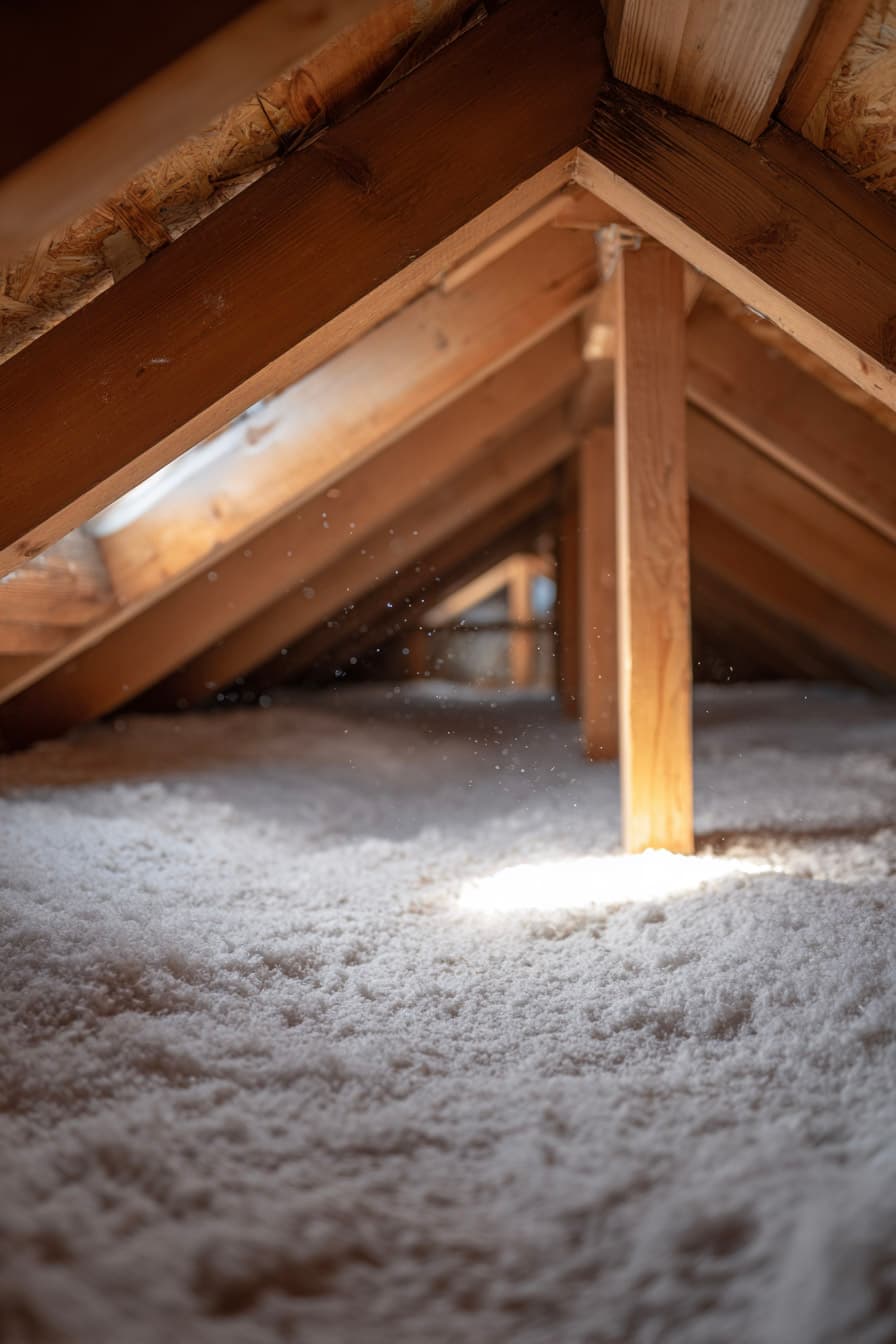
In Canada, where winters can be harsh and seasonal temperature swings are significant, proper attic insulation is essential for improving comfort and reducing heat loss. Among the most common insulation materials, cellulose and spray foam, also known as sprayed polyurethane foam, stand out for their performance, cost, and long-term value.
But which one should you choose based on your budget and your home’s needs? In this article, we compare attic insulation costs in Canada for these two popular options, while looking at their advantages, durability, and long-term profitability.
First, let’s take a closer look at both materials before reviewing the budget you should plan for this renovation project.
Attic Insulation: What Types of Materials Are Available?
Source: Projet solutions limited
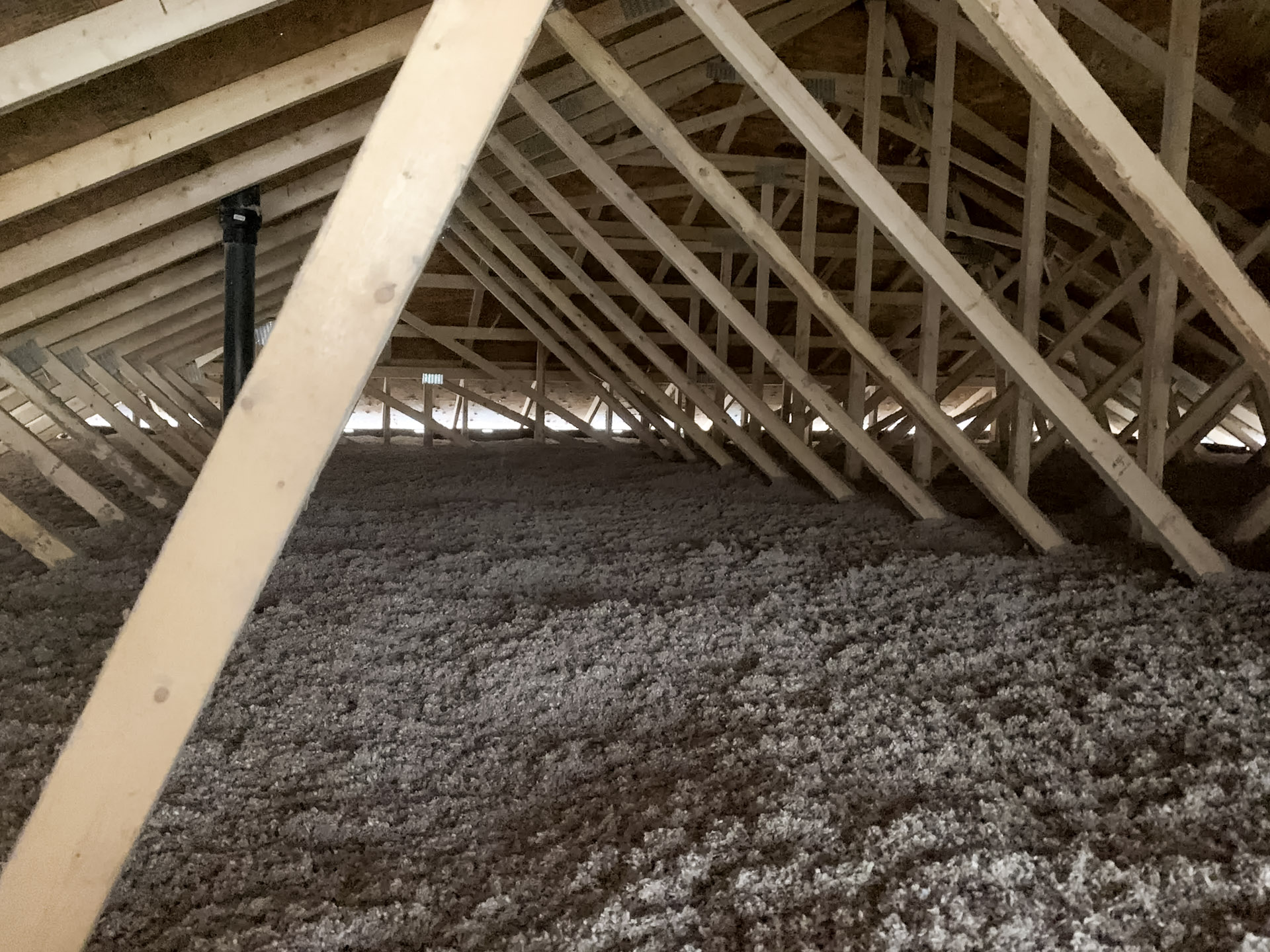
The main attic insulation materials include cellulose, fibreglass, mineral wool, and spray foam. In this article, we will focus on cellulose and spray foam.
If you want to learn more about other insulation materials, you may also want to consult the following two articles on the best attic insulation materials and the different techniques used to insulate an attic:
The Best Way to Insulate an Attic - What Materials Are Best?
Materials and Techniques to Insulate an Attic
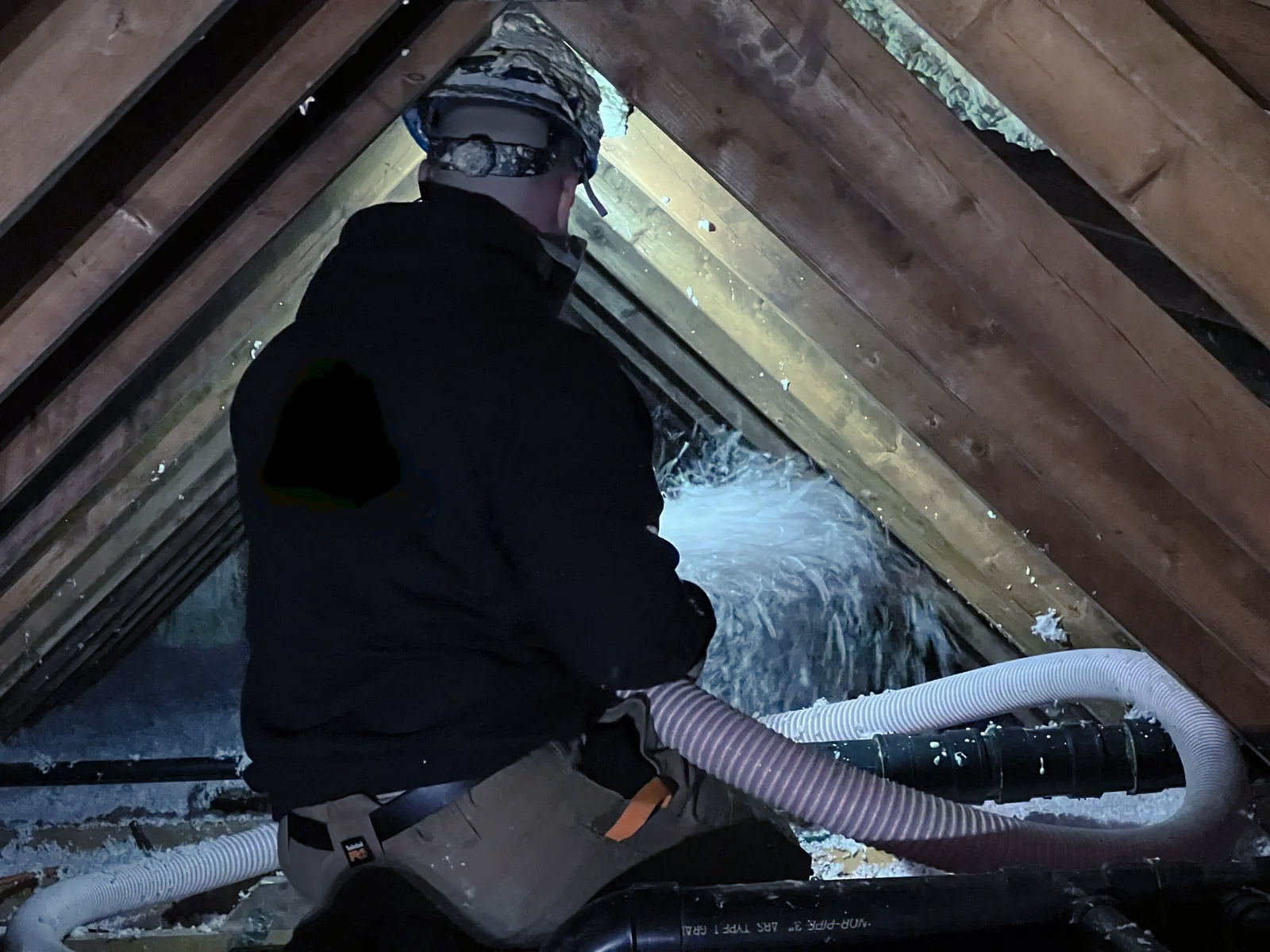
Attic Insulation with Cellulose
Cellulose is a natural insulation material made from recycled paper products. It is available in several forms, including:
Blown-in cellulose
Sprayed cellulose
Panels
The upsides and limitations of cellulose as an insulation material are as follows:
Advantages of Cellulose
It is relatively easy to apply.
It offers good thermal resistance, also known as R-value.
It can be used in tight spaces, which is often useful in attics.
It is considered an eco-friendly insulation option because it is made from recycled materials.
It is usually one of the more affordable attic insulation choices.
Disadvantages of Cellulose
It is not ideal for spaces with existing humidity or moisture problems.
It usually needs to be installed in a thicker layer to reach the desired R-value.
Over time, it may settle, which can reduce its effectiveness if the installation is not properly planned.
Attic Insulation with Spray Foam
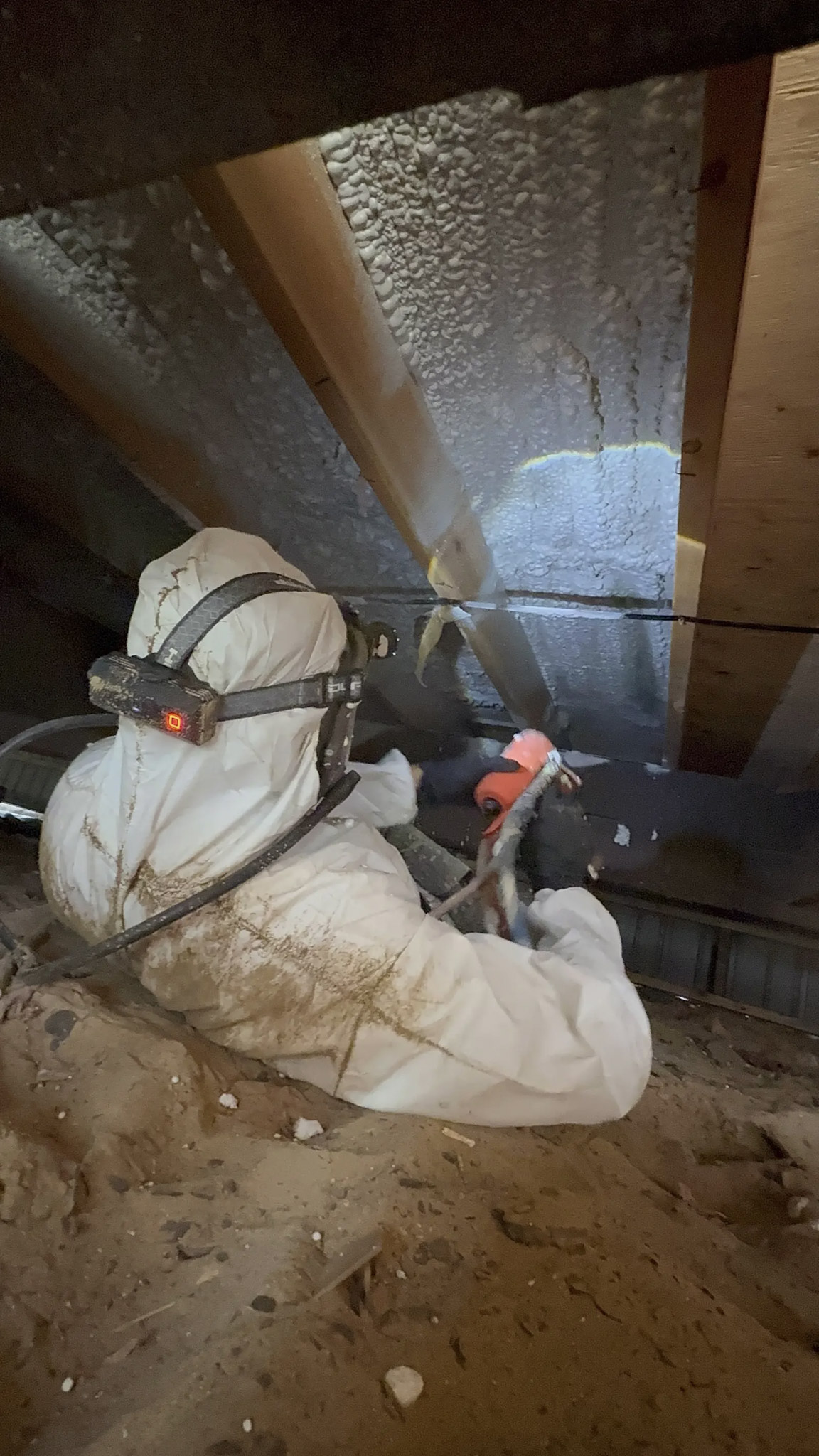
Spray foam, also called sprayed polyurethane foam, is another insulation material often used in attics. It can be especially useful in difficult-to-access spaces, where it can expand and adhere to irregular surfaces.
Advantages of Spray Foam
Spray foam has several benefits:
It offers very high insulating performance.
It is widely available through insulation contractors.
It dries quickly.
It adheres well to irregular shapes and hard-to-reach areas.
It resists mould better than some other materials.
It can be used with several building materials, including concrete, drywall, steel, and wood.
Disadvantages of Spray Foam
Spray foam also has important drawbacks:
In some cases, it can make an attic too airtight if the roof assembly is not properly designed, which can interfere with ventilation.
Polyurethane is a petroleum-based product, which may be a concern for some homeowners.
It is a chemical product, so installation should not be taken lightly.
It is generally best to hire a qualified insulation contractor rather than attempting to apply it yourself.
Here is a pertinent article if you are looking for more information about urethane as an insulation material:
Urethane Insulation Kit - Everything to Know About
Attic Insulation Standards in Canada
Source: 14059352 CANADA INC.
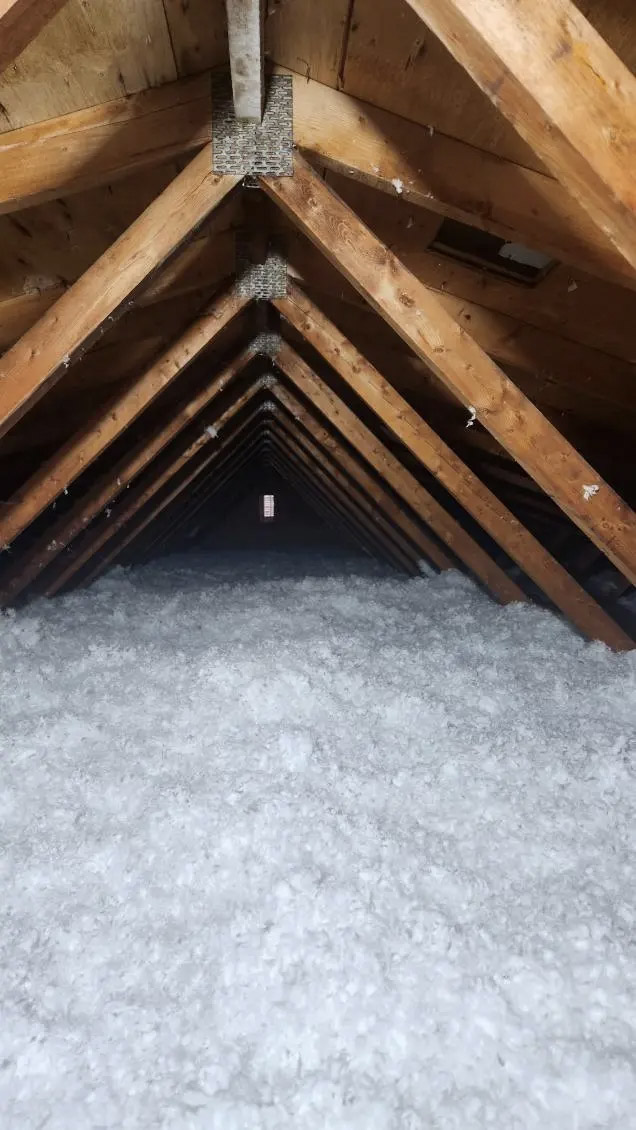
In Canada, attic insulation requirements depend on your province, municipality, climate zone, and the building code that applies to your home. While exact requirements vary, the same general principles apply across the country: attic insulation must be installed evenly, air leaks should be sealed, ventilation must be maintained where required, and moisture control must be properly managed.
Check out this article for more information:
Insulation Standards Across Canada: Minimum R-Values for Your Home
A well-insulated attic should generally include:
Proper ventilation at the soffits, roof vents, or ridge vents, depending on the roof design.
Baffles or air channels to keep insulation from blocking attic ventilation.
Air sealing around penetrations, such as light fixtures, plumbing stacks, ducts, and attic hatches.
A vapour barrier or vapour control layer where required by the local building code.
Uniform insulation coverage with no gaps, compressed areas, or weak spots.
In many cold Canadian regions, attic insulation targets are often high, commonly around R-50 or more depending on local requirements and rebate programs. For example, Ontario’s Home Renovation Savings attic insulation rebate requires upgrading the total roof assembly to at least R-50 when the existing insulation is R-12 or less.
What Is R-Value?
R-value measures thermal resistance. In simple terms, the higher the R-value, the better the insulation resists heat flow. A higher R-value helps slow heat loss in winter and heat gain in summer. However, R-value is not the only factor that matters. A well-insulated attic also depends on air sealing, ventilation, moisture control, and proper installation. Even a high-R-value insulation material can underperform if there are air leaks or gaps in coverage.
Cost of Attic Insulation in Canada
Source: Toiture & Isolation Provinciale inc.
The cost of insulating an attic depends on the material, the attic size, access conditions, existing insulation, ventilation, air sealing needs, and local labour rates.
For more information about project costs, check out this article:
The Ultimate Insulate Cost Guide: How Much to Budget in 2026?
Spray Foam Insulation Cost per Square Foot
Spray foam is generally more expensive than cellulose, but it offers strong thermal performance and air-sealing benefits when properly installed.
DIY spray foam kits are available, but they can be costly and not always suitable for full-attic projects. A basic kit may cost several hundred dollars and cover a limited surface area at a specific thickness. If you need several inches of foam or a larger attic area, you may need multiple kits.
For most homeowners, hiring a specialized spray foam contractor is the safer option. Professional installation adds labour costs, but it also helps ensure proper thickness, adhesion, ventilation planning, and safety procedures.
Blown-In Cellulose Insulation Cost per Square Foot
Blown-in cellulose is usually one of the more affordable attic insulation options. In many cases, it can cost significantly less than spray foam, especially for open attic spaces where the material can be blown evenly across the attic floor.
One point to consider is settling. Cellulose can settle over time, so contractors typically account for this during installation by applying the correct depth to reach the target R-value after settling.
As with spray foam, it is strongly recommended to hire an insulation contractor, especially if the attic needs air sealing, ventilation corrections, or removal of damaged existing insulation.
Are There Rebates for Attic Insulation in Canada?
Source: Toiture & Isolation Provinciale inc.
Federal Programs
The Canada Greener Homes Grant is now closed, and Natural Resources Canada states that the program is no longer accepting new applicants. Requests submitted by the deadline continue to be processed.
However, CMHC Eco Programs may still be relevant for some homeowners with CMHC mortgage loan insurance. Eco Plus can offer a 25% partial premium refund for eligible newly built energy-efficient homes, while Eco Improvement can offer a 25% partial premium refund for eligible energy-efficiency renovations, depending on the borrower’s financing, renovation scope, and program conditions.
Provincial, Utility, and Municipal Rebates
Many provinces, municipalities, and utility providers offer their own energy-efficiency programs. These can include attic insulation rebates, air-sealing incentives, low-income programs, or contractor-delivered upgrades.
For example, Ontario’s Home Renovation Savings program includes a standalone attic insulation rebate, with eligibility based on the existing insulation level and the minimum R-value reached after the upgrade.
Because programs vary widely across Canada, check your province, municipality, electricity or gas utility, and local energy-efficiency agency before starting your project.
For more information about attic insulation, check out this article:
Choosing Between Insulating a Roof from Inside or Outside
Conclusion
Attic insulation plays a major role in home comfort, energy efficiency, and building durability. Since most homeowners do not inspect their attic often, it is easy to overlook this part of the house, but poor insulation or air leaks can have a major impact on heating and cooling costs.
Choose the material that best fits your budget, your home’s needs, and your environmental priorities. Then, make sure the installation is completed properly, with attention to air sealing, ventilation, moisture control, and local building code requirements. Before starting the project, also check whether you qualify for provincial, municipal, utility, or mortgage-related energy-efficiency programs.
FAQ About Attic Insulation
Is there a difference between an attic and a roof space?
In everyday language, “attic” is the most common term. Depending on the region or technical context, you may also hear terms such as roof space, roof cavity, or loft space. These usually refer to the area between the roof and the living space below.
What should you consider when insulating a roof or attic?
Several factors affect attic insulation, including:
Your region and climate zone
The roofing material
The insulation method
The roof shape and structure
The height and accessibility of the attic
The presence of soffits and roof vents
The insulation material selected
The condition of the existing insulation
Moisture or mould issues
Air leakage around penetrations
A proper insulation project should consider the full attic assembly, not just the amount of insulation being added.
For more information, check out this article:
Insulation and Soundproofing Guide
Do I need to remove old insulation before adding new insulation?
It depends. In many cases, new insulation can be added over existing insulation if the old material is dry, clean, and in good condition. However, old insulation should usually be removed if it is wet, mouldy, contaminated by pests, compressed, damaged, or suspected of containing hazardous materials such as vermiculite that may contain asbestos. In those cases, testing and professional removal may be required before new insulation is installed.
Looking for something else?
Related articles
The latest industry news, interviews, technologies, and resources.
Editorial Team
•23 Jul 2026
Even when winter is mild, does your heating bill keep climbing? Once you have made sure that all potential air leaks are properly sealed, it may be time to reassess your home’s insulation.

Équipe éditoriale
•08 Nov 2023
It’s difficult to deny that as soon as the chilly weather arrives, rushing to the thermostat to crank up the heat seems like the only way to keep the inside of the home warm and comfortable. What you may not realize is that even if your heaters are on full blast, the indoor temperature will only stay cosy if your home is insulated correctly.
Editorial Team
•08 Nov 2023
Obviously, the roof is a tough spot to keep tabs on. It’s difficult to access and hard to survey, and thus, is likely not at the top of your list for parts of your home that need regular care and maintenance. Since your roof does significantly protect your household, it’s important that you begin to conceive of ways to pay attention to it. It gathers a significant amount of dirt, dust, grime, and debris and as a result, requires cleaning. But how can you access and clean your roof safely? Since you’ll be up high and likely on a slant, there are specific safety precautions that will need to be considered before you climb up on a ladder. For all of the necessary measures, read on!

Editorial Team
•02 Apr 2026
Yet another year has begun, and for a lot of people, the new year is synonymous with a need for change, especially when it comes to home decor. Renovation experts and interior designers observe trends that change from year to year, those that come and go, according to aesthetic preferences and present-day needs.

Editorial Team
•07 Dec 2023
Choosing bathroom furniture involves more than just considering the style or vibe you’re looking to convey inside this enclosed space. While this aspect of it is important, suffice it to say, there are other factors to take into account, like your budget and the space available.