As colder weather approaches, it is a good time to prepare your property for the months ahead. Early planning for insulation, roofing repairs, and heating upgrades can help prevent last-minute problems once temperatures drop.
Garage heating is an important part of that preparation, especially when the space is used as a workshop, storage area, or extension of the home. By moving from inspiration to practical planning, homeowners can address drafts, improve insulation, and choose a heating system that is better suited to Canadian winters.
Assessing Your Garage Heating Needs

Source: I Hate My Garage
The right garage heating system depends on more than floor area. Ceiling height, insulation, outdoor temperatures, air leakage, garage usage, and the number of exposed walls all affect how much heat the space requires.
An attached garage may lose less heat than a fully detached structure, but its shared walls and ceiling need careful air sealing to limit heat loss and prevent vehicle fumes from entering the home. A detached garage is generally more exposed and may require greater heating capacity in colder parts of Canada.
Consider How You Use the Garage
A garage used mainly for parking does not need to be kept at the same temperature as a living room. Modest background heat may be enough to reduce frost and protect stored materials.
A workshop used for several hours each day needs faster heat recovery and steadier temperature control. A hobby room, gym, or home office may require better insulation and a more efficient permanent heating system.
Calculate the Required Heating Capacity
Garage heaters are usually rated in watts or British thermal units (BTUs). Floor area provides a starting point, but an accurate calculation should also consider ceiling height, insulation, air leakage, local winter temperatures, and the desired indoor temperature.
An oversized heater may turn on and off too frequently, while an undersized unit may run continuously without making the garage comfortable. A qualified HVAC professional can complete a heat-loss calculation for permanently installed equipment.
Seal Garage Drafts Before Adding Heat
Source: Rénov-Action D.R INC
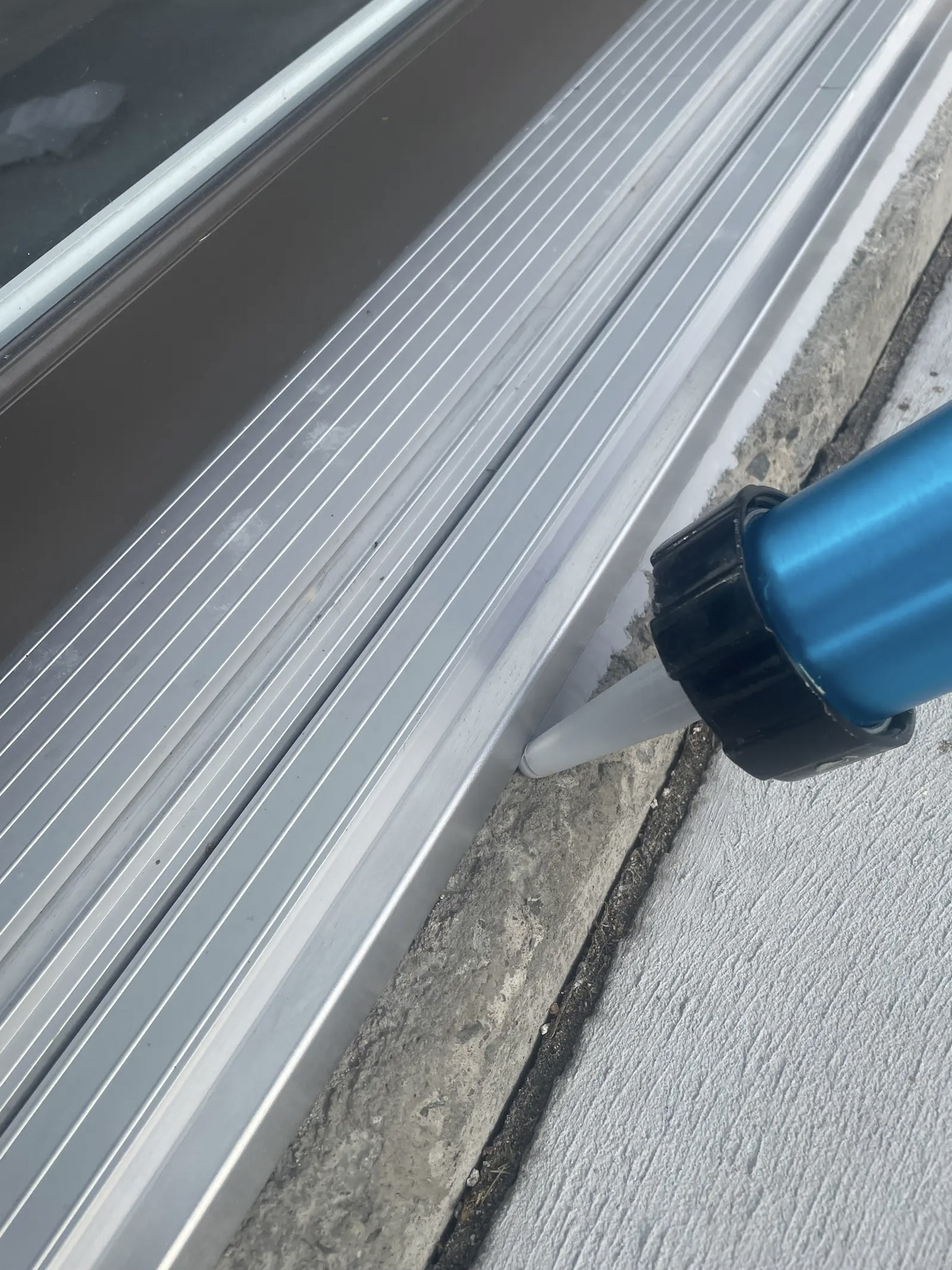
Draft sealing is one of the most practical ways to improve garage heating efficiency. Even a properly sized heater will struggle if cold air enters around the garage door, windows, utility lines, or framing connections.
Inspect the garage on a cold or windy day. Moving air, visible daylight, frost buildup, and dark dust marks around gaps can indicate air leakage.
Garage Door Edges
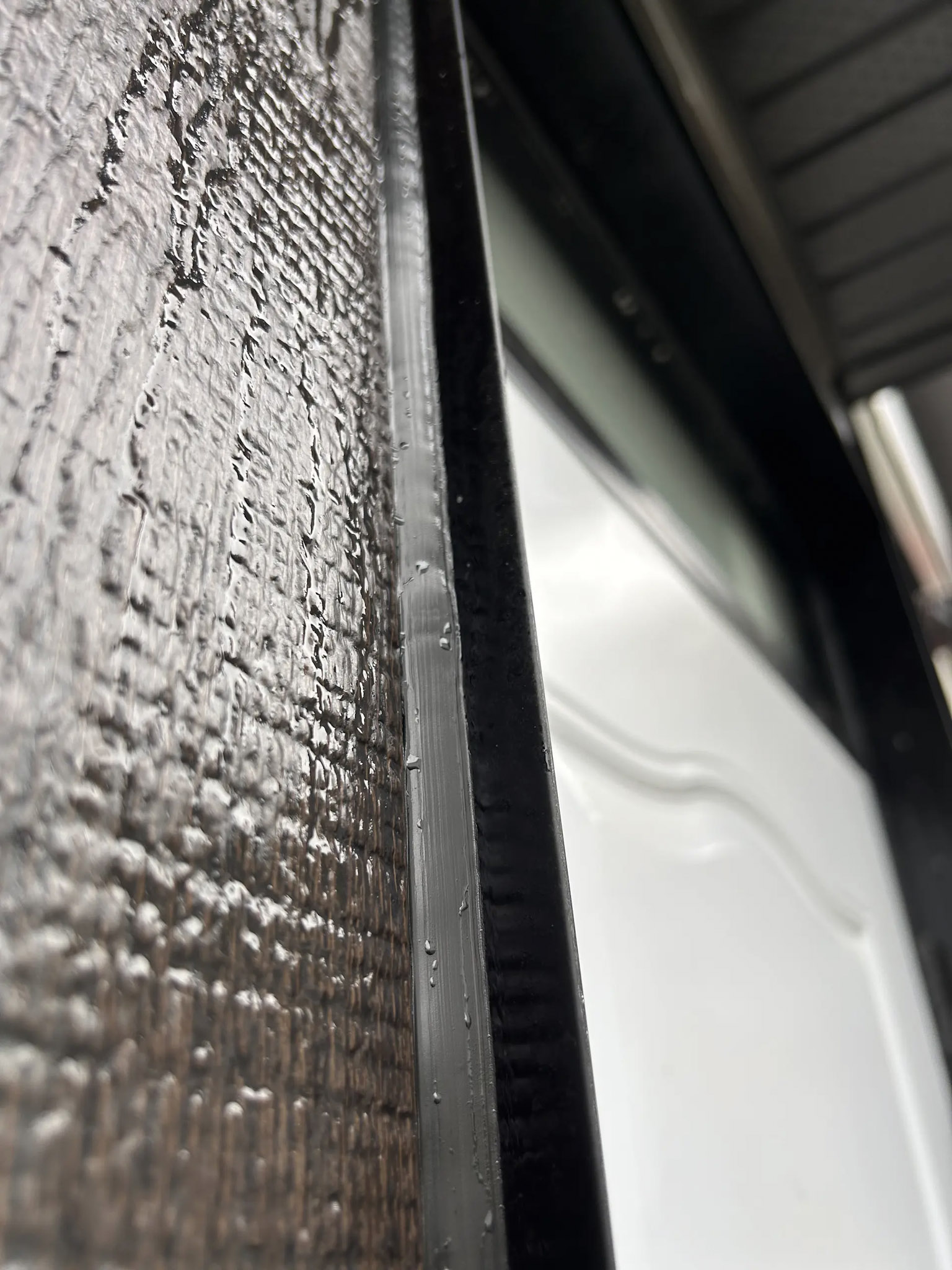
Check the weather stripping along both sides and the top of the overhead door. It should make continuous contact when the door is closed without restricting movement.
Replace seals that are cracked, flattened, loose, or missing. Persistent gaps may indicate that the door or tracks need adjustment rather than thicker weather stripping.
Garage Door Bottom Seal
The bottom seal closes the space between the door and concrete floor. Rubber or vinyl seals can eventually harden, split, or pull away from their channel.
Replace a damaged seal with one made for the door. A threshold seal may help on an uneven floor, provided it does not obstruct drainage or prevent the door from closing correctly.
Windows and Exterior Doors
Apply compatible caulk around stationary gaps in window and door frames. Replace worn weather stripping around operable doors, and confirm that the door sweep touches the threshold.
Window insulation film can provide a temporary seasonal improvement. It will not correct damaged frames, failed glazing seals, or water infiltration.
Utility and Service Penetrations
Cold air can enter around electrical cables, pipes, vents, hose bibs, and other wall openings. Small gaps can generally be closed with an appropriate caulk or sealant.
Larger openings may require backing material, rigid blocking, or professionally applied foam. Do not use combustible sealants around hot vents or flues unless the product is specifically approved for that application.
Shared Walls and Ceilings
In an attached garage, inspect the wall and ceiling separating the garage from the home. Leakage points can include outlets, ceiling fixtures, framing joints, attic hatches, plumbing penetrations, and the door leading indoors.
These assemblies must limit both heat loss and the movement of fumes. Missing fire-resistant finishes, damaged drywall, or major openings should be assessed by a qualified professional.
Choosing Garage Insulation Materials
Source: Reno Quotes
Insulation slows heat transfer, while air sealing limits the movement of cold air. Both are needed for an efficient heated garage.
The right material depends on the wall or ceiling assembly, available space, moisture conditions, and local building requirements.
Batt Insulation
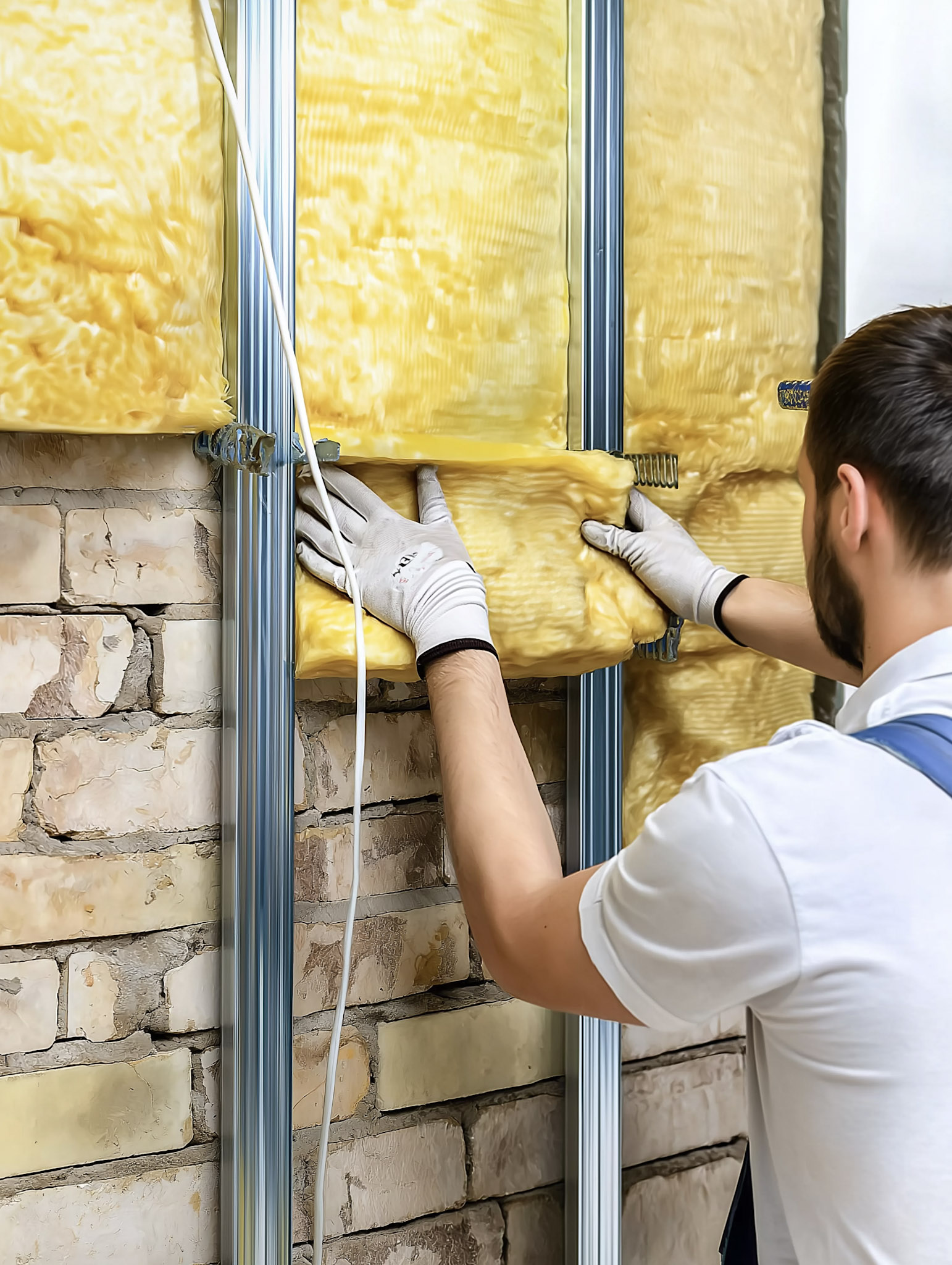
Fibreglass and mineral wool batts are commonly installed between wall studs and ceiling joists. They are practical and relatively affordable for open framed walls.
Batts should fit snugly without being compressed or leaving gaps around pipes and wiring. They do not stop airflow on their own, so the assembly still requires proper air sealing and any necessary vapour-control layer.
Rigid Foam Boards
Rigid foam boards provide substantial insulation in a relatively thin layer. They can be useful on masonry walls, foundation sections, garage door panels, and other areas where stud cavities are unavailable.
Board joints may be sealed to improve airtightness, depending on the product and assembly. Exposed foam often requires an approved protective covering because of fire-safety requirements.
Spray Foam Insulation
Spray foam can insulate and seal irregular areas where batts are difficult to fit, including rim joists, framing transitions, and complex penetrations.
Professional installation is advisable for larger areas. The installer must account for ventilation, curing, fire protection, and moisture movement. Spray foam should not be used to conceal active leaks, damaged wiring, or structural problems.
Improving Garage Door Insulation
Source: Nuance&Co
The overhead door is usually the largest moving surface in a garage and can be a major source of heat loss. Improving the door panels and perimeter seals can reduce drafts and help the garage maintain a steadier temperature.
Insulated Garage Doors
A factory-insulated door generally provides the most integrated solution. The insulation is contained within the panels, and the complete door is designed to operate at the resulting weight.
When replacing a door, compare its insulating value, panel joints, weather-seal design, window area, and cold-weather performance. Proper installation remains essential.
Garage Door Insulation Kits
An insulation kit can improve certain uninsulated metal doors. Products may use rigid foam, fibreglass, or reflective panels fitted inside the door sections.
The material must not obstruct hinges, tracks, rollers, or safety sensors. Reflective insulation also provides limited benefit unless installed with the required adjacent air space.
Door Weight and Balance
Added insulation increases the weight of the door. This can affect the springs, cables, opener, and overall balance.
After installation, check whether the door remains balanced according to the manufacturer's instructions. A door that drops, rises, binds, or feels unusually heavy should be inspected by a garage door technician. Homeowners should not attempt to adjust high-tension springs or lifting cables themselves.
Garage Heating System Options
Source: Reno Quotes
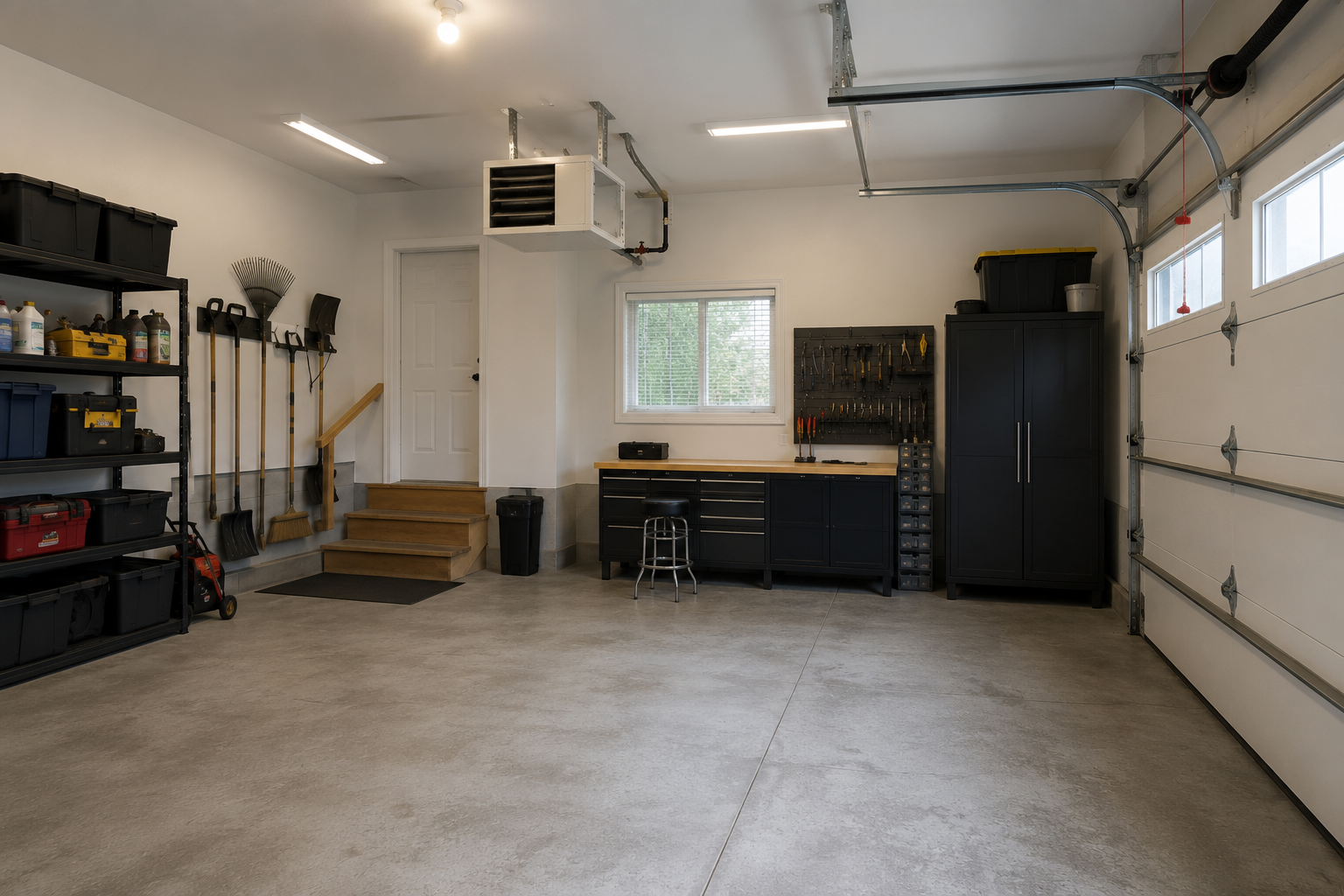
There is no single best system for every garage. The most suitable option depends on the size of the space, available energy sources, installation budget, and frequency of use.
Electric Wall and Ceiling Heaters
A permanently installed electric heater can be practical for a small or moderately sized insulated garage. It requires little routine maintenance, produces no combustion gases, and may include a built-in thermostat.
Many higher-capacity models require a dedicated 240-volt circuit. A licensed electrician should confirm that the panel and wiring can support the added load.
Electric resistance heaters can be straightforward to install, but operating costs may be high if the garage is poorly insulated or heated continuously.
Portable Electric Space Heaters
A portable electric heater can provide targeted warmth during short projects. It is most useful when only one work area needs to be heated.
Choose a certified model with tip-over protection and an automatic overheat shutoff. Place it on a stable surface, keep its air openings clear, and maintain the manufacturer's required clearance from combustible materials.
Natural Gas Unit Heaters
A ceiling-mounted natural gas unit can warm a large garage quickly. It may be economical for a frequently used workshop where natural gas service is available.
The system requires appropriate gas piping, combustion air, clearances, and exhaust venting. Installation should be completed by qualified professionals, and local permit requirements should be confirmed.
Propane Garage Heaters
Propane can be useful in a detached garage without natural gas service. A properly vented permanent unit can provide substantial heating capacity during cold weather.
Portable outdoor propane heaters should never be used inside a garage. Any fuel-burning appliance used indoors must be approved for the intended application and operated with the required ventilation.
Ductless Mini-Split Heat Pumps
A cold-climate ductless mini-split heat pump can provide efficient heating as well as summer cooling. It is well suited to an insulated garage used throughout the year as a workshop, gym, or hobby space.
Performance varies by model and outdoor temperature. Equipment should be selected for the expected winter climate rather than based only on its general heating rating.
Radiant Heating Systems
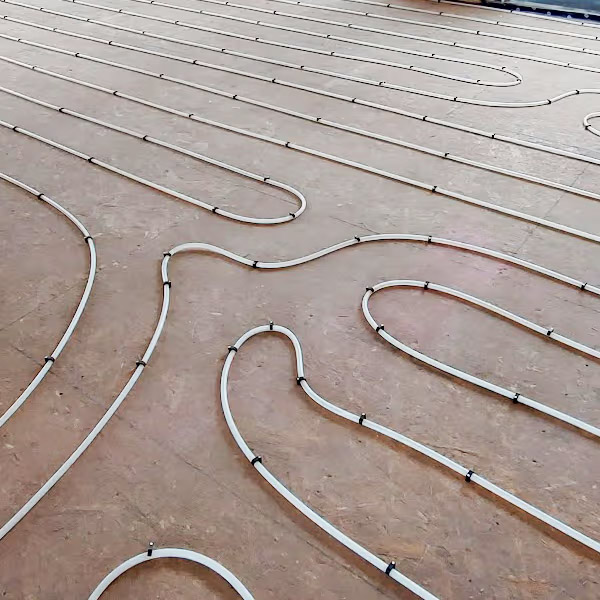
Radiant heating warms the floor or nearby surfaces instead of relying primarily on heated air. This creates more even temperatures, operates quietly, and produces less air movement, making it an attractive option for workshops where dust control is important.
Electric radiant floors use heating cables embedded beneath the floor surface, while hydronic systems circulate heated water through tubing installed in the concrete slab. Some garages also use radiant ceiling panels to provide direct warmth over work areas, and larger custom homes may incorporate geothermal systems that supply a hydronic radiant floor.
Radiant heating is generally best suited to new construction or major garage renovations because the heating system is easiest to install before the concrete slab is poured or replaced. While installation costs are typically higher than those of wall-mounted heaters or mini-splits, radiant systems can provide comfortable, consistent heat for garages that are used regularly throughout the winter.
Comparing Garage Heating Options
Heating System | Best Suited To | Main Advantage | Main Consideration |
Portable electric heater | Occasional projects | Low upfront cost | Limited heating range |
Electric wall or ceiling heater | Small insulated garages | Simple operation | Electrical operating cost |
Natural gas unit heater | Large, frequently used garages | Fast heat recovery | Venting and gas installation |
Propane unit heater | Detached garages without natural gas | Strong heating output | Fuel supply and ventilation |
Cold-climate mini-split | Year-round workshops | Efficient heating and cooling | Higher installation cost |
Electric radiant floor | Small new builds or floor retrofits | Even, quiet heat | Electrical operating cost |
Hydronic radiant floor | Large new garages | Efficient heat distribution | Complex installation |
Radiant ceiling panel | Individual work areas | Fast, direct warmth | Limited coverage |
Geothermal radiant floor | Larger integrated projects | Efficient ground-source heating | Very high upfront cost |
A Step-by-Step Garage Heating Plan
Source: Techniques Durables
1. Define the Garage's Purpose
Decide whether you want to prevent freezing, warm the garage during occasional projects, or maintain a regularly occupied workspace. This determines the required comfort level and how quickly the system must heat the space.
2. Seal Air Leaks
Inspect the overhead door, bottom seal, exterior doors, windows, wall penetrations, and shared assemblies. Complete necessary air-sealing work before estimating heater capacity.
3. Improve Insulation
Assess the walls, ceiling, garage door, and any room above the garage. Select insulation materials that suit the existing assembly and meet local building requirements.
4. Confirm Available Energy Sources
Determine whether the garage has sufficient electrical capacity, natural gas service, propane access, or a compatible hydronic system. Required upgrades may significantly affect the project cost.
5. Calculate the Heating Load
Use the garage dimensions and insulation levels for a preliminary estimate. Have a professional verify the heating load before installing a permanent gas heater, mini-split, or radiant system.
6. Add Suitable Controls
Install a properly placed thermostat compatible with the equipment and expected garage temperatures. Avoid positioning it directly beside the heater, in a draft, or in direct sunlight.
Garage Heating Costs and Energy Use

Source: Reno Quotes
Project costs range from a relatively inexpensive portable heater to several thousand dollars for a mini-split, vented gas unit, or radiant floor. Geothermal systems and projects requiring a new concrete slab can cost considerably more.
Prices vary by region, equipment capacity, labour, energy source, electrical or gas upgrades, permits, and the condition of the garage. Radiant floor costs also depend on slab preparation, insulation, heating zones, controls, manifolds, pumps, and the chosen heat source.
Monthly operating costs depend on local energy rates, insulation, thermostat settings, and hours of use. A low-cost heater may be expensive to operate if heat continually escapes through an uninsulated door or ceiling.
Air sealing and insulation often provide the most dependable return because they reduce energy consumption with any system.
Smart Controls and Thermostats
A programmable thermostat can lower the temperature while the garage is unoccupied and warm the space before planned use. This is generally more efficient than maintaining one temperature throughout the day and night.
Some systems support scheduling, remote control, zoning, or energy-use monitoring. Radiant floors require controls designed for their slower response and, in some cases, floor-temperature sensors that prevent the slab from becoming too warm.
Smart controls cannot compensate for severe air leakage, poor insulation, or incorrectly sized equipment.
Managing Moisture and Condensation
Source: Racicot calfeutrage
Snow-covered vehicles introduce considerable moisture into a heated garage. When warm, humid air contacts cold doors, windows, tools, or concrete, condensation can form.
Persistent moisture may contribute to corrosion, mould growth, and damage to stored materials. Keep drains clear where provided, remove accumulated snow when practical, and maintain any ventilation system designed for the space.
Heating alone will not solve a moisture problem. Drainage, ventilation, moderate temperature control, and repairs to exterior water entry may all be required.
Garage Heater Maintenance Checklist
Regular maintenance protects heating performance and helps identify safety problems before they become serious. Follow the manufacturer's schedule for the specific equipment.
Monthly or During Regular Use
Remove dust and debris from heater grilles and surrounding surfaces
Check that air openings remain unobstructed
Inspect portable-heater cords and plugs for damage
Confirm that combustible materials are kept away from the heater
Check that the thermostat responds normally
Every Few Months
Clean or replace forced-air and mini-split filters as required
Inspect visible intake and exhaust sections for blockage or separation
Remove dust from accessible fan and grille surfaces
Clear snow, ice, leaves, and debris from outdoor heat-pump units
Check exposed radiant-system manifolds and controls for leaks or damage
Annually
Gas, propane, heat-pump, hydronic, and permanently installed forced-air systems should be inspected as recommended by the manufacturer. Professional servicing may include checking ignition, combustion, electrical connections, pumps, valves, refrigerant performance, safety controls, venting, and overall operation.
An electric radiant floor generally requires little routine maintenance, but its thermostat, floor sensor, wiring, and protective devices should be assessed if performance changes or electrical faults occur.
Garage Heating Safety Risks

Source: Reno Quotes
Routine maintenance helps reduce the risk of fire, electric shock, equipment failure, leaks, and exposure to combustion gases.
Carbon Monoxide
Natural gas, propane, oil, kerosene, wood, and vehicle engines can produce carbon monoxide. It can accumulate when equipment is damaged, incorrectly vented, or not approved for indoor use.
Never idle a vehicle in a garage, even with the overhead door open. Install and maintain carbon monoxide alarms as required, particularly where the garage is attached to the home or contains fuel-burning equipment.
Blocked or Damaged Vents
Snow, ice, pests, storage, corrosion, or loose connections can obstruct an intake or exhaust pathway. A blocked vent may cause combustion products to spill into the garage or prevent the heater from operating properly.
Do not operate fuel-burning equipment with a damaged or disconnected vent.
Combustible Storage
Keep gasoline, solvents, aerosols, paint, sawdust, cardboard, and other combustible materials away from heaters and ignition sources. Follow the equipment manufacturer's clearances.
Propane cylinders and other fuels must be stored according to applicable safety requirements.
Damaged Electrical Components
Stop using an electric heater if its cord, plug, outlet, casing, or controls appear burned, cracked, melted, or unusually hot. Repeated breaker trips, buzzing sounds, flickering power, or burning odours may indicate an electrical fault.
Do not drill, cut, or anchor equipment into a heated slab without confirming the location of embedded cables or tubing.
When to Call a Professional
Basic tasks such as cleaning accessible filters or removing dust from an unplugged heater may be suitable for homeowners. Problems involving gas, combustion, permanent wiring, refrigerant, pressurized hydronic components, or safety controls require qualified service.
Stop using the system and contact an appropriate professional if you notice:
A gas or propane smell
Soot, scorch marks, or discoloured surfaces
Ignition failure or delayed ignition
A damaged, loose, or corroded vent
Repeated breaker trips or electrical arcing
Recurring safety shutoffs
Water or glycol leaking from a radiant system
Uneven floor heating that develops suddenly
Carbon monoxide alarm activation
Persistent headaches, dizziness, nausea, or unusual fatigue
Leave the area and contact emergency or utility services when a gas leak or carbon monoxide exposure is suspected. Do not restart the equipment until it has been inspected.
Choosing the Best Garage Heater
For occasional work in a small area, a certified portable electric heater may be sufficient. A permanently installed electric heater offers a clean setup for an insulated single garage, while a vented natural gas or propane unit can provide faster recovery in a larger workshop.
A cold-climate mini-split is worth considering when the garage is used throughout the year and both heating and cooling are useful. Radiant floor heating is best suited to a new garage, slab replacement, or major renovation where steady heat is more important than rapid temperature changes.
Whatever system you choose, efficient garage heating begins with the building envelope. Sealing door edges, replacing the bottom seal, insulating exposed walls and ceilings, and improving the overhead door can reduce both heater size and operating time.
Frequently Asked Questions
What temperature should a garage be kept at in winter?
A lightly used garage may only need to be maintained at approximately 5°C to 10°C, depending on what is stored inside and whether plumbing is present. A frequently used workshop may require a warmer setting for comfort.
The appropriate temperature also depends on humidity, climate, garage usage, and the heating system's recovery time.
What is the most efficient way to heat a garage?
A properly sized cold-climate heat pump can be highly efficient in a well-insulated garage. A hydronic radiant floor may also distribute heat efficiently when it is paired with a suitable heat source and operated steadily.
The most economical option depends on energy prices, winter temperatures, usage patterns, and installation costs.
How does radiant garage heating work?
Radiant systems warm a floor, ceiling panel, or other surface. That surface transfers heat to nearby people and objects rather than relying mainly on heated air moving through the room.
Electric systems use resistance cables or panels, while hydronic systems circulate heated liquid through tubing.
Is electric or hydronic radiant floor heating better?
Electric radiant floors generally involve simpler equipment and may make sense for smaller areas. Their operating costs depend heavily on local electricity rates.
Hydronic systems involve pumps, tubing, controls, and a separate heat source, but they may be more practical for heating a large slab continuously.
Can geothermal energy heat a garage floor?
Yes. A ground-source heat pump can heat water that circulates through a hydronic radiant floor.
A complete geothermal installation is expensive and is rarely installed solely for a standard garage. It is more practical when the property already has a compatible system or the garage is included in a larger project.
Is radiant floor heating worth installing in a garage?
It may be worthwhile in a new build or major renovation when the garage will be used regularly. It provides even, quiet heat and keeps the concrete slab warmer.
For an existing garage with an intact floor, the construction cost may make a ceiling panel, mini-split, or unit heater more practical.
Where do most garage drafts come from?
Common entry points include the sides and top of the overhead door, the bottom seal, exterior-door thresholds, window frames, utility penetrations, and joints where walls meet the foundation or ceiling.
Attached garages may also leak through openings in the shared wall or ceiling.
How often should a garage heater be serviced?
Filters and accessible surfaces should be checked regularly during the heating season. Gas, propane, heat-pump, hydronic, and forced-air equipment should receive professional service according to the manufacturer's schedule.
Service may be required sooner if the system develops leaks, unusual noises, recurring shutoffs, soot, odours, or reduced performance.
Can a home's forced-air system heat an attached garage?
A home's duct system should generally not be extended into an attached garage. Shared ductwork can create a route for vehicle exhaust and other contaminants to enter the living space.
A separate heating system designed for the garage is the safer option. Local building and permit requirements should be confirmed before installation.
Looking for something else?
Related articles
The latest industry news, interviews, technologies, and resources.
Équipe éditoriale
•03 Mar 2026
Shopping for a heat pump is less about picking “one model” and more about choosing the right system type for your building: a duct-free mini-split for one space, a multi-zone setup for multiple rooms, a concealed ducted unit for a cleaner look, or an air-to-water system for hydronic heating.
Collaboration
•20 May 2026
For many Ontario homeowners, an aging furnace is often treated as something to keep “just a little longer.” As long as it still produces heat during the winter, replacing it may not seem urgent. However, old furnaces can quietly create a wide range of financial, safety, and efficiency problems that become more expensive over time. While the upfront cost of replacement may feel significant, continuing to rely on an outdated heating system can lead to far greater long-term expenses.

Editorial Team
•05 Dec 2025
Are you lucky enough to have a bathroom right off your master bedroom? To turn this space into a little oasis that instills rest and relaxation, and which you can enjoy after a hard day’s labour, a little inspiration wouldn’t hurt! Here are a few inspiration-fulled examples.
Collaboration
•28 Apr 2026
Your toilet is one of the most-used fixtures in your home, so when something goes wrong, it’s not just inconvenient – it can be downright frustrating.

Editorial Team
•08 Nov 2023
Constructing your dream home from the ground up is an exciting project to take on! Although exciting, building a new home is a huge responsibility that requires you to oversee many different roles, from the planning and budgeting all the way down to electricity and plumbing.