How Much Does a Greywater Recovery System Cost in Canada in 2026?
By Cynthia Pigeon
Updated on September 28, 2026
Did you know that the hot water from your shower could help reduce your electricity bill? Across Canada, greywater recovery systems allow homeowners to recover heat from wastewater or, in some cases, treat and reuse water from showers, bathtubs and bathroom sinks.
There are two main options: installing a drain water heat recovery system to reduce water-heating costs or installing a greywater recycling system to reduce drinking water consumption.
But how much do these systems cost? In 2026, the purchase price of a drain water heat recovery unit varies depending on the manufacturer, model and dimensions. As a general guideline, you can budget between $800 and $1,200 for the equipment, based on the assumptions used in this guide. A complete greywater treatment and recycling system can cost considerably more, depending on the equipment and plumbing modifications required. These figures are preliminary budgeting estimates that should be confirmed with suppliers and specialized contractors.
Discover the differences between these systems, their installation costs, potential savings and the regulations to consider across Canada, including Quebec.
1. What Is a Greywater Recovery System?
Source: RenoQuotes
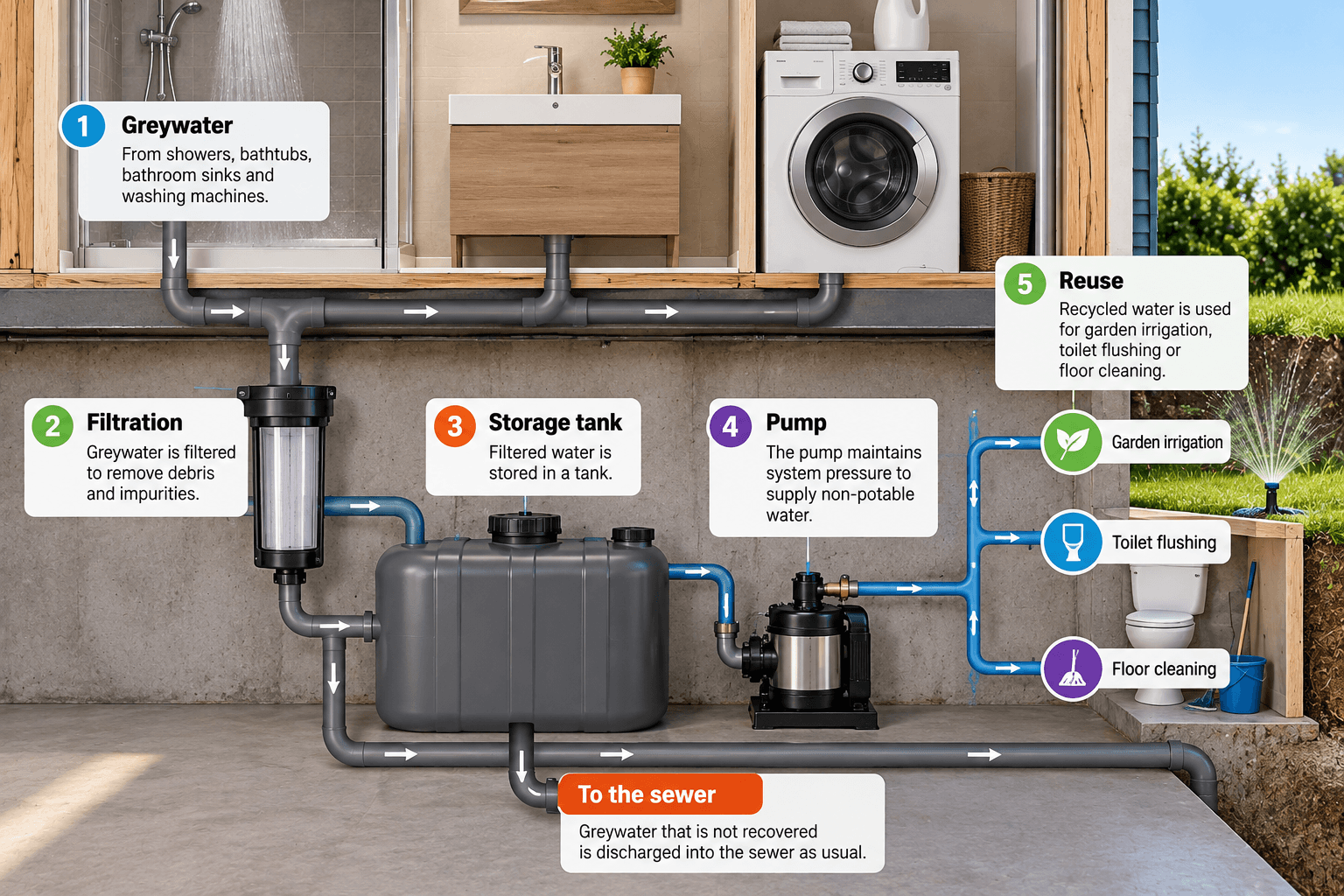
Greywater refers to wastewater produced by showers, bathtubs and bathroom sinks. Depending on the type of installation, certain other household wastewater sources may also be included.
Greywater is different from blackwater, which comes from toilets.
There are two main ways to recover greywater at home:
Heat recovery: A device captures some of the heat from wastewater flowing down the drain to preheat the cold water entering your home.
Greywater recycling: A system collects, filters and treats household wastewater so it can be reused for certain non-potable purposes, where permitted by local regulations.
These technologies serve different purposes. A drain water heat recovery system reduces the energy needed to heat domestic hot water, while a greywater recycling system primarily aims to reduce drinking water consumption.
2. How Much Does a Greywater Recovery System Cost in Canada in 2026?
The cost varies considerably depending on the technology selected, the equipment required and the complexity of the plumbing work.
System Type | Equipment Cost (CAD) | Intended Use |
Drain water heat recovery system | Indicative budget of 800–1,200, subject to supplier confirmation | Preheating domestic water |
Greywater filtration and storage system | Situation-specific; request a quote | Permitted non-potable uses |
Advanced treatment and disinfection system | Situation-specific; request a quote | Indoor reuse in compliance with applicable requirements |
The price of a greywater recycling system depends on its capacity, treatment technology, storage equipment and necessary plumbing modifications. Costs should be established through a quote tailored to the project. Prices can also vary between Canadian provinces and municipalities. The figures above are illustrative budgeting assumptions, not verified provincial averages.
Your choice will depend primarily on your objective: reducing your electricity bill or decreasing your home's drinking water consumption.
Drain Water Heat Recovery Systems: An Energy-Saving Solution
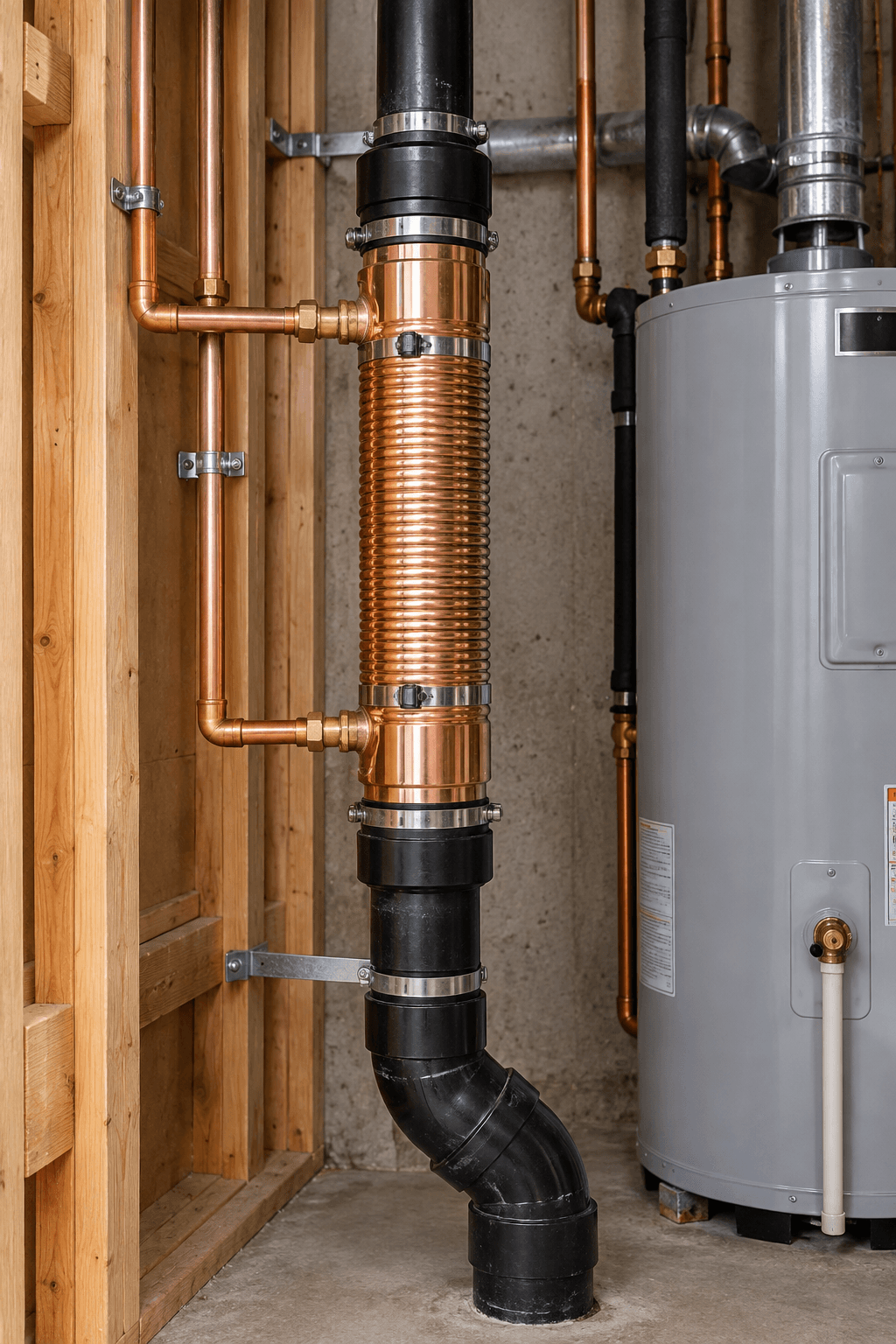
A drain water heat recovery system captures some of the heat from wastewater leaving your shower to preheat the cold water entering your home.
It typically consists of a copper heat exchanger installed along a vertical section of the home's drainage pipe.
When you take a shower, hot wastewater flows through the drain pipe. At the same time, clean, cold water circulates through a copper coil wrapped around the pipe. Heat transfers from the wastewater to the incoming cold water without the two water supplies mixing.
The cold water is therefore preheated before entering the water heater, reducing the energy required to reach the desired temperature. In Quebec, drain water heat recovery systems must supply preheated water exclusively to water heaters, in accordance with the province's Construction Code. Installations must also comply with measures intended to prevent bacterial growth. Homeowners elsewhere in Canada should verify their province's applicable plumbing requirements.
Greywater Recycling Systems: Reducing Drinking Water Consumption
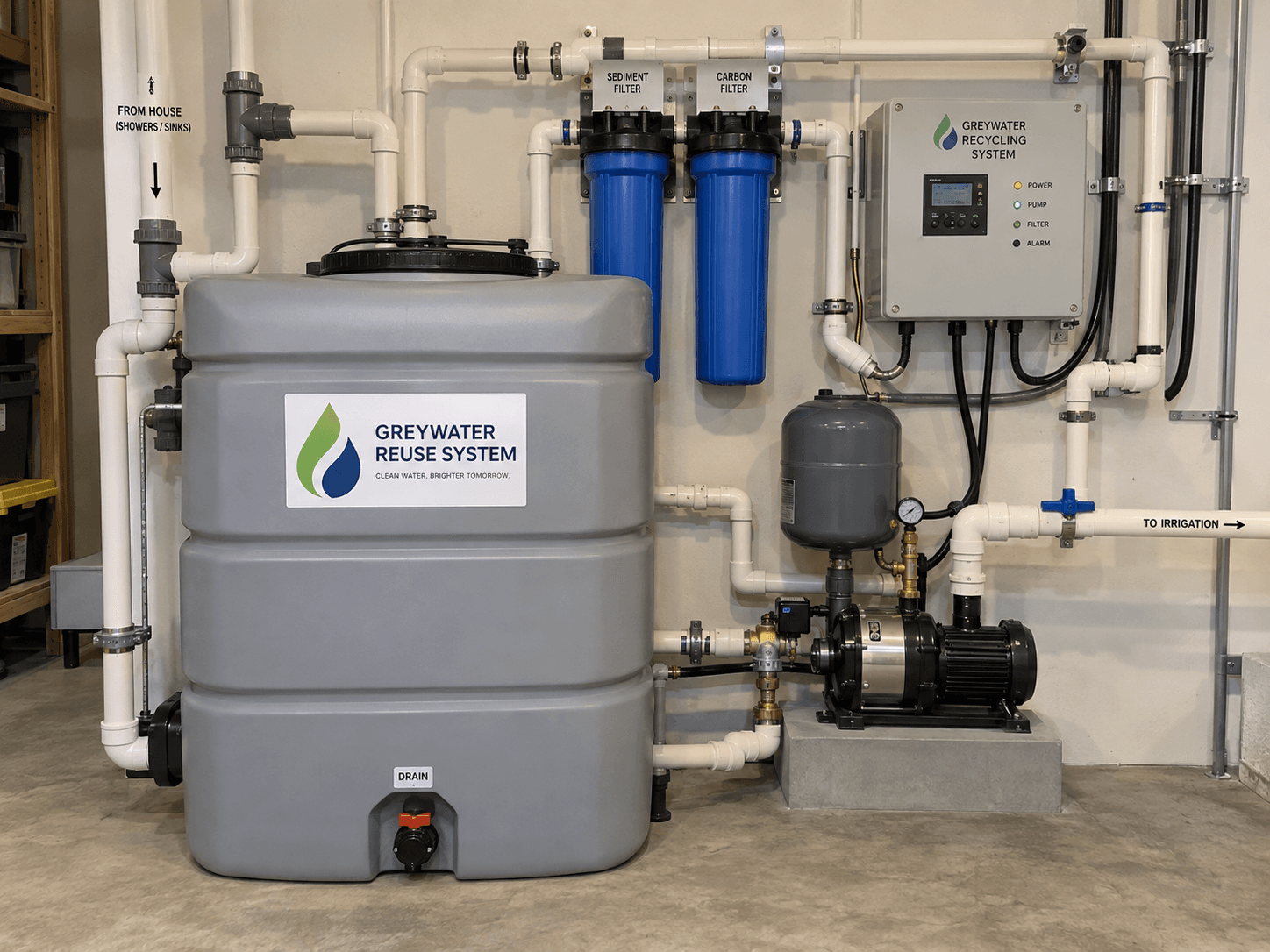
Unlike a drain water heat recovery system, a greywater recycling system collects household wastewater, treats it and makes it available for reuse. An installation may include a storage tank, filtration system, disinfection equipment, pump and separate plumbing network.
Depending on the system's design and applicable regulations, treated water may be used to flush toilets or supply certain underground irrigation systems. These applications must comply with specific plumbing and health protection requirements. The use of greywater for above-ground outdoor irrigation should not be assumed to be permitted.
Recovered water does not automatically become potable after filtration. Its use must correspond to the treatment system's capabilities and applicable plumbing regulations.
The cost of a greywater recycling system varies considerably depending on its capacity, filtration and disinfection technologies, and required storage equipment. Request a detailed quote from a specialized supplier for an estimate tailored to your project.
In new homes, it may be easier to incorporate a greywater recycling network during the initial design stage. In existing homes, accessing drainage pipes and installing a second plumbing network can represent a significant expense.
3. What Are the Installation Costs of a Greywater Recovery System?
Source: RenoQuotes
Equipment represents only part of the total budget. Installation may require plumbing alterations, particularly if you plan to reuse treated water to flush toilets.
Costs depend on several factors, including pipe accessibility, bathroom layout, the system selected and the extent of any required renovations.
How Much Does It Cost to Install a Drain Water Heat Recovery System?
A drain water heat recovery system is generally easier to install than a complete greywater recycling system. In a home where the main drainage pipe is easily accessible, particularly in an unfinished basement, installation work may be relatively limited.
When establishing your budget, consider both the equipment price and labour costs. In our illustrative budgeting scenario, purchasing a drain water heat recovery system costs approximately 800–1,200 before taxes and installation. Labour costs depend primarily on pipe accessibility and any necessary plumbing modifications. Request a detailed quotation to determine your project's total cost.
If your basement is fully finished, it may be necessary to open walls or ceilings to access the drainage pipes.
How Much Does It Cost to Install a Complete Greywater Recycling System?
A greywater recycling system requires more extensive plumbing work. Existing drainage pipes may need to be modified, and a separate distribution network is generally required to carry treated water.
Depending on your home's configuration, installation may involve separating certain drains, installing a storage tank, connecting a pump and incorporating treatment and safety equipment.
Labour costs vary considerably depending on pipe accessibility, the equipment installed and the plumbing modifications required. For a complete greywater recycling system, request a detailed quotation from a specialized contractor to obtain an estimate tailored to your property.
New Construction, Renovations or Secondary Suites: Does the Price Change?
The type of property can significantly influence installation costs.
In new construction, it is generally easier to plan pipe routing and allocate sufficient space for the necessary equipment.
In existing homes, modifications may be more complicated, particularly when pipes are concealed behind walls or ceilings.
Planning to add a secondary suite, basement apartment or multigenerational living space? In Quebec, these projects are also commonly described as logements intergénérationnels or bachelors. It may be worth assessing your plumbing requirements and the possibility of installing a greywater recovery system at the same time.
However, adding a second dwelling unit does not guarantee that greywater recovery will be feasible. A plumber will need to assess the drainage layout and applicable regulatory requirements.
To plan your project, compare quotes from plumbing contractors.
4. Greywater Recovery Rebates in Canada: Is Financial Assistance Available?

Source: RenoQuotes
Certain energy-efficiency improvements may qualify for financial assistance. However, available incentives vary by province, municipality and program.
It is important to distinguish between rebates for drain water heat recovery systems and potential assistance for equipment designed to treat and recycle greywater.
Quebec: Rénoclimat Financial Assistance for Drain Water Heat Recovery
Quebec's Rénoclimat program offers financial assistance ranging from $120 to $180 for the new installation of an eligible drain water heat recovery system. The amount and eligibility depend on the program's requirements. This assistance applies specifically to heat recovery equipment and should not be considered a general subsidy for greywater recycling systems.
Before beginning installation, verify the applicable criteria, including requirements related to energy assessments and equipment specifications. Consult the Quebec government's Rénoclimat financial assistance for mechanical systems.
Hydro-Québec's LogisVert Program and Other Financial Assistance
Hydro-Québec's LogisVert program offers various incentives for improving residential energy efficiency. However, no general residential rebate specifically for drain water heat recovery systems is listed among its currently published eligible measures. Verify program eligibility before beginning your project.
Consult the LogisVert program's list of eligible measures before establishing your budget. For homeowners elsewhere in Canada, financial assistance depends on the province, municipality and local utility. Contact the relevant program administrators to confirm whether your proposed equipment qualifies.
Some municipalities may also offer environmental incentives. Check directly with your municipality to determine whether any programs apply to your project.
5. Is Installing a Drain Water Heat Recovery System Worth the Investment?
Source: RenoQuotes
The financial return depends primarily on the type of system installed, your household's water consumption habits and the savings actually achieved.
A drain water heat recovery system and a complete greywater recycling system offer different financial benefits.
Potential Savings with a Drain Water Heat Recovery System
A drain water heat recovery system reduces the energy required to heat domestic hot water.
Actual savings depend on the number of occupants, hot water consumption habits, equipment efficiency and applicable electricity rates. According to Hydro-Québec, a drain water heat recovery system can reduce the cost of heating shower water by 20% to 40%. However, this does not represent an equivalent reduction in your home's total annual electricity bill. Actual savings must be calculated according to your household's characteristics and local energy rates. To estimate your investment's payback period, divide the total cost of the equipment and installation by the expected annual savings.
For example, if a hypothetical installation costs $1,500 and generates $120 in annual savings, the simple payback period would be 12.5 years, excluding rebates, future electricity rate changes and additional expenses.
* This calculation is illustrative. Actual savings and payback periods depend on installation costs, household habits, electricity rates and any financial assistance received.
Is a Complete Greywater Recycling System Financially Worthwhile?
For a system designed to treat and reuse water, calculating the financial return is more complicated. It depends on your drinking water consumption, municipal water rates, installation expenses and ongoing maintenance costs.
Two situations are possible:
Municipalities with flat-rate water charges: If your water bill does not vary with consumption, reducing the amount of drinking water you use may not directly lower your household's water bill.
Municipalities with metered water charges: If your municipality charges according to the number of cubic metres consumed, an eligible greywater recycling system may help reduce certain expenses.
However, potential savings must be compared with maintenance costs, including filter replacement, disinfection and mechanical equipment servicing.
Because a complete installation can represent a substantial investment, it would be unwise to assume a specific payback period without an accurate estimate of your household's consumption and operating costs.
Greywater recovery may also offer environmental benefits, even when direct financial savings are limited.
6. Greywater Recovery Regulations and Standards in Canada
Source: RenoQuotes
Installing a greywater recovery system requires compliance with applicable plumbing regulations. Requirements vary depending on the technology used, the intended application of the recovered water, the building type and the province or municipality where the system is installed.
In Canada, provincial and territorial authorities establish and enforce applicable plumbing requirements, which may incorporate the National Plumbing Code of Canada with local amendments. In Quebec, Chapter III, Plumbing, of the Quebec Construction Code, based on the 2020 National Plumbing Code with Quebec-specific amendments, is an essential reference for new installations.
Drain Water Heat Recovery: Which Standards Apply?
When choosing a drain water heat recovery system, select equipment suitable for the proposed installation. Hydro-Québec identifies CSA B55.1 and CSA B55.2 as relevant standards for drain water heat recovery systems. CSA B55.1 addresses testing methods for evaluating performance, while CSA B55.2 establishes requirements for the equipment itself. In Quebec, drain water heat recovery systems designed for vertical installation must comply with CSA B55.2. Requirements elsewhere in Canada should be confirmed with the relevant provincial or territorial authority.
Before purchasing equipment, ask your contractor to verify the model's compliance, efficiency and applicable installation requirements.
Greywater Recycling: Why Is a Separate Plumbing Network Necessary?
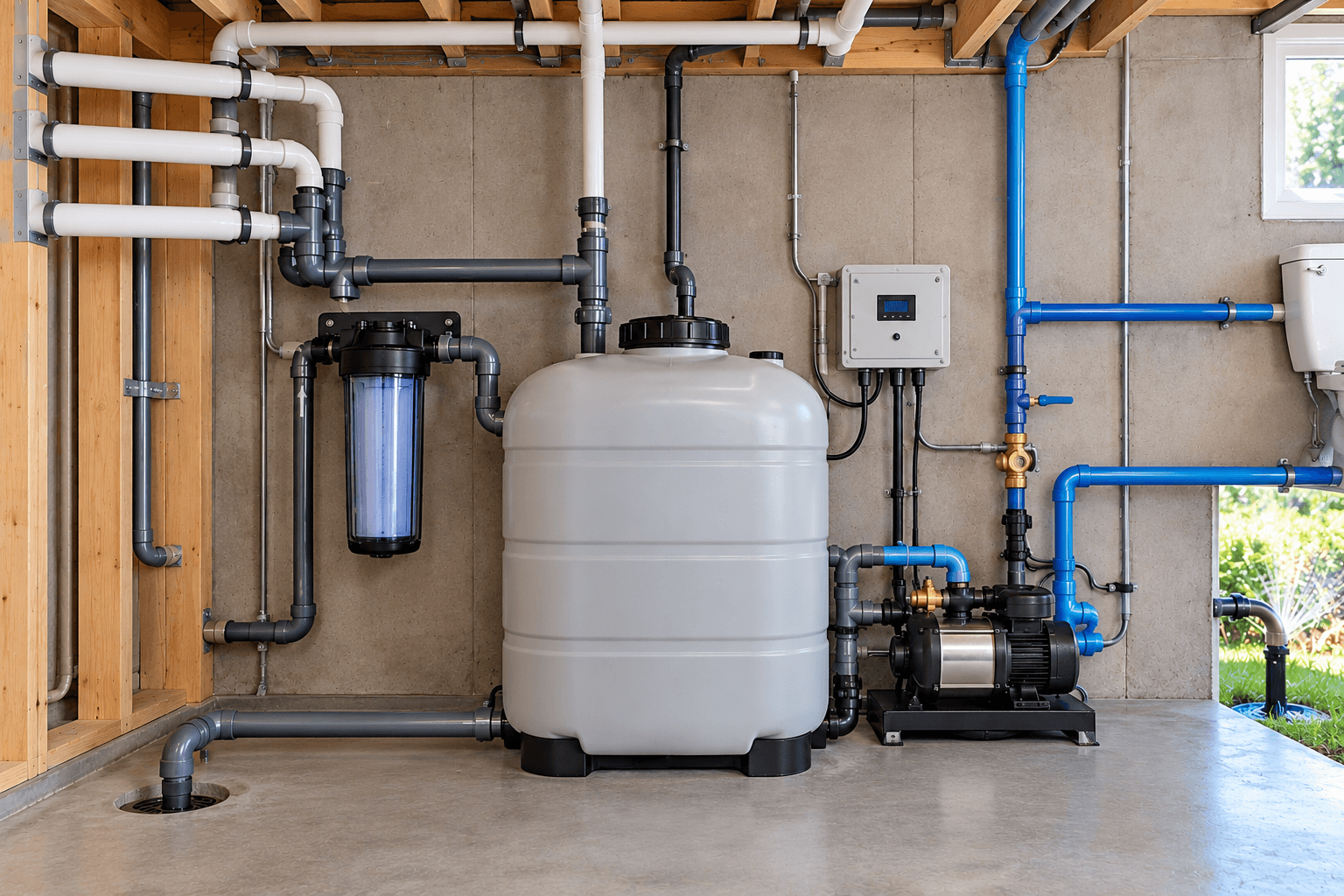
Reusing household wastewater requires additional precautions. Recovered and treated greywater is not considered potable. Its distribution must therefore comply with the requirements applicable to non-potable water systems. Distribution networks must be appropriately identified and protected against cross-connections that could contaminate the drinking water supply.
Connection methods, supplementary water supplies and backflow prevention measures must be determined according to applicable regulations and the installation's specific characteristics.
Installing a storage tank and pump alongside existing plumbing is therefore not sufficient. Before purchasing a greywater recycling system, have a qualified professional assess your project's feasibility and confirm which uses are permitted in your jurisdiction.
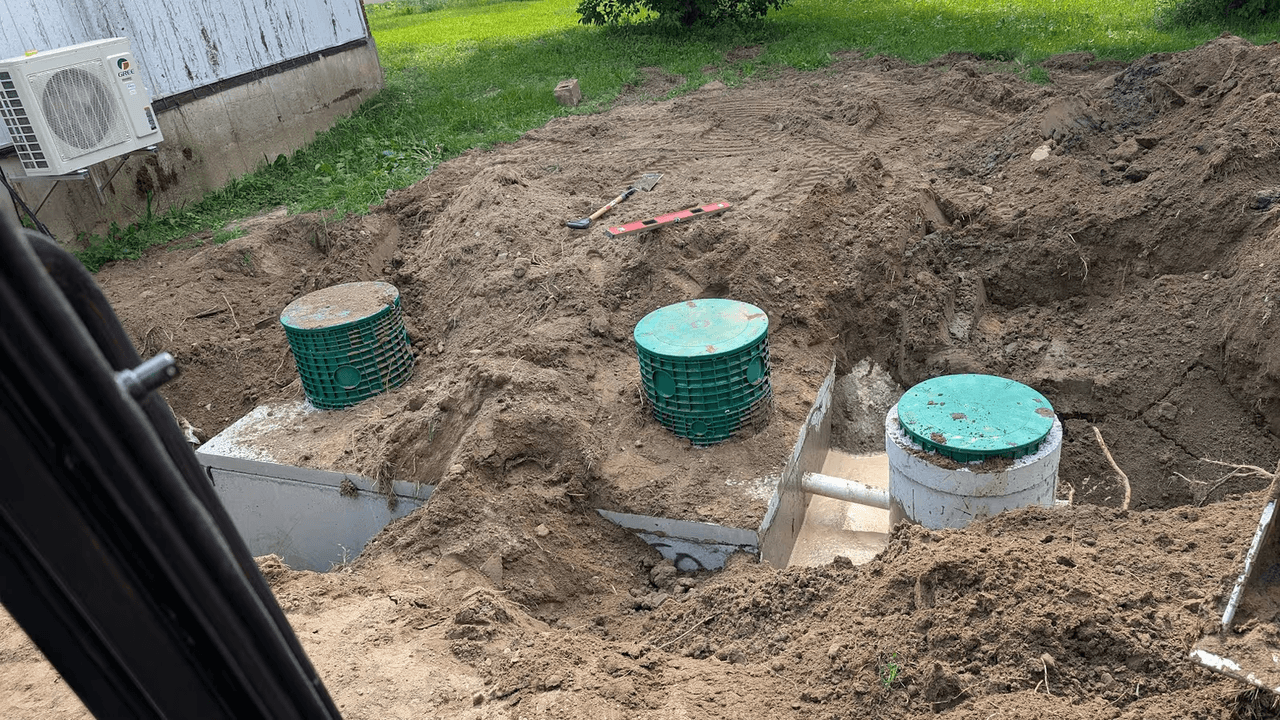
Homes with Septic Systems: Additional Regulations to Consider
If your home is not connected to a municipal sewer system, additional wastewater treatment and disposal regulations may apply. In Quebec, these installations may be subject to the Regulation respecting waste water disposal systems for isolated dwellings (Q-2, r. 22). This regulation governs the treatment and disposal of wastewater from isolated residential properties, including greywater.
Other Canadian provinces have their own requirements governing private septic systems and onsite wastewater treatment.
If your project involves modifying wastewater disposal or installing a separate treatment system, contact your municipality or the relevant provincial authority to determine which permits and assessments are required. Depending on the work, a soil assessment and site plan may be necessary. Do not modify your septic system without first confirming the applicable regulatory requirements.
7. Planning Your Greywater Recovery Project With a Professional
Source: RenoQuotes
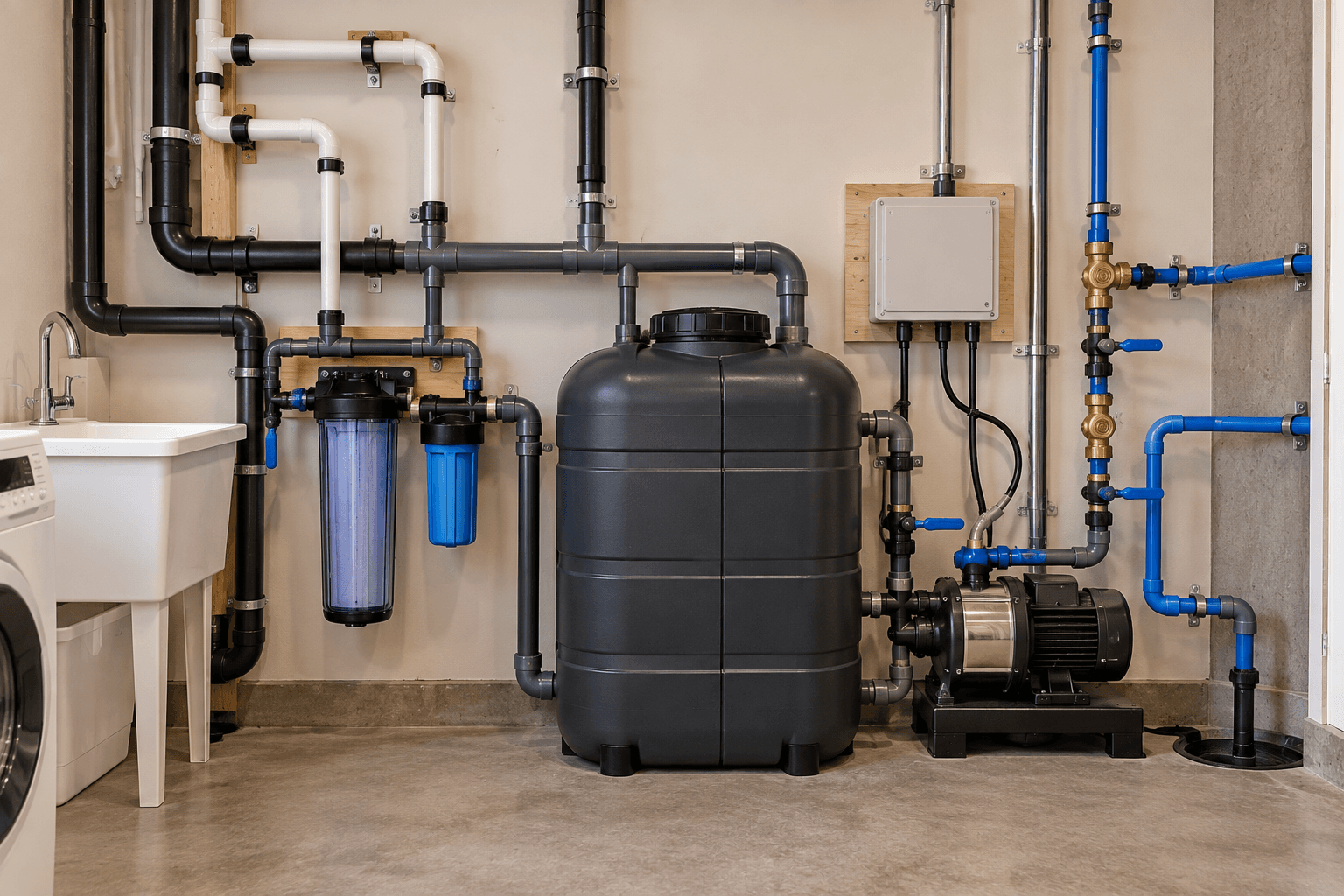
Installing a greywater recovery system can help reduce your home's energy consumption or drinking water use. However, costs and potential savings vary considerably depending on the technology selected. For homeowners primarily interested in reducing hot water expenses, a drain water heat recovery system is a relatively straightforward option to consider. A complete greywater recycling system requires more extensive planning, particularly regarding plumbing modifications, health and safety requirements, and ongoing maintenance.
Before beginning installation, have your home's plumbing assessed and request a detailed estimate.
Compare quotes from plumbing contractors to determine the cost of an installation suited to your property.
FAQ: Greywater Recovery System Costs and Installation in Canada
How much does a drain water heat recovery system cost in Canada?
As a general guideline, you can budget between $800 and $1,200 for the purchase of a drain water heat recovery system, before taxes and installation. This range represents an illustrative budgeting assumption and does not cover every model available in the Canadian market. Actual costs depend on the manufacturer, equipment dimensions and complexity of the plumbing work. Request a detailed quotation to determine your installation's total cost.
What is the difference between a drain water heat recovery system and a greywater recycling system?
A drain water heat recovery system captures heat from wastewater to preheat incoming cold water. It does not collect or reuse the wastewater itself.
A greywater recycling system collects and treats household wastewater so it can be reused for certain permitted non-potable applications.
Are there rebates for drain water heat recovery systems in Canada?
Financial assistance varies by province and municipality.
In Quebec, the Rénoclimat program offers $120–$180 for the new installation of an eligible drain water heat recovery system, subject to program requirements. Homeowners elsewhere in Canada should verify whether provincial, municipal or utility programs offer financial assistance for their proposed installation.
Can greywater be used to flush toilets?
Certain systems can treat and reuse greywater for toilet flushing. However, installations must comply with applicable non-potable water distribution requirements, including measures to prevent cross-connections and protect the drinking water supply. Permitted uses and specific requirements vary across Canada.
Is a drain water heat recovery system a worthwhile investment?
Its financial return depends primarily on installation costs, hot water consumption and equipment efficiency.
According to Hydro-Québec, a suitable system can reduce the cost of heating water used for showers by 20% to 40%. However, this should not be confused with an equivalent reduction in your home's total electricity bill. Actual savings will also vary depending on local energy rates.
Can you install a greywater recovery system in an existing home?
Yes, provided the plumbing configuration and applicable regulations permit the installation.
For drain water heat recovery systems, the accessibility of the drainage pipe is an important consideration. For complete greywater recycling systems, the modifications required may be considerably more extensive.
Looking for something else?
Related articles
The latest industry news, interviews, technologies, and resources.
Editorial Team
•27 Apr 2026
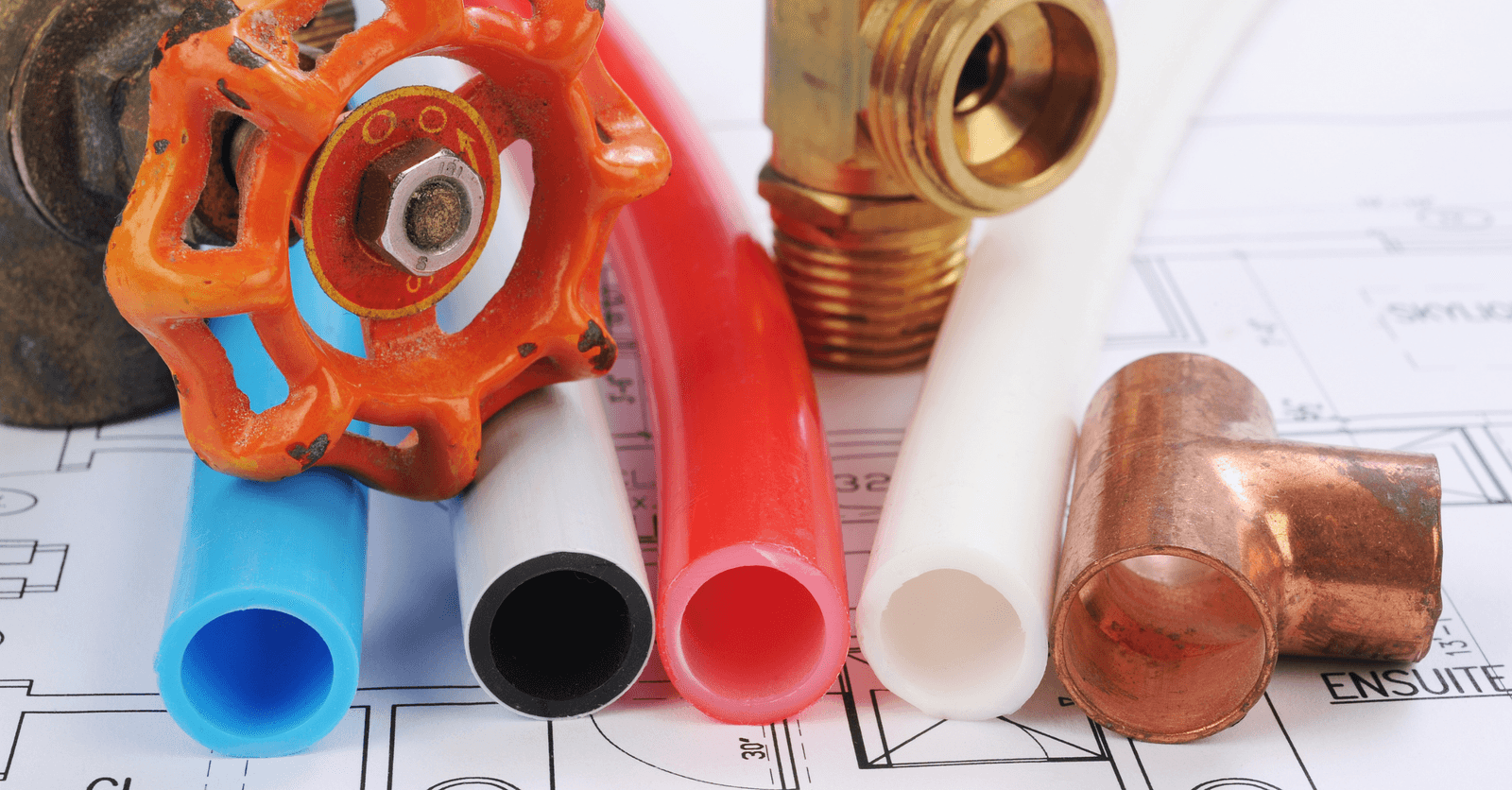
Are you carrying out a home renovation or building project? Installing PEX plumbing pipes is a great option. Reputed for its flexibility and durability, PEX pipes are increasingly sought after. It’s a remarkable system given its reliability, resistance, and versatility. What are the upsides? How much does it cost? What are the proper guidelines for installation success? All this and more detailed below.
Collaboration
•16 Jul 2026
Unlike instantaneous heaters, these systems store heated water in an insulated tank, ensuring that hot water is always on tap, day or night. The appeal of electric storage systems lies in their straightforward installation, user-friendly operation, and the promise of consistent hot water availability.

Editorial Team
•08 Nov 2023
Wood window frames add a naturally beautiful element to both the interior and exterior of your home. However, as with everything of natural beauty, wood needs to be carefully looked after so that it can continue to have pure charm and appeal. You can easily extend the life of wood frames by making sure they are properly inspected and maintained, saving time and money in the long run.

Équipe éditoriale
•28 Apr 2026
For any homeowner, a contaminated property is a literal nightmare. What should you do if your home is infested with asbestos, radon, or mould? Such problems, which affect hundreds of thousands of homes across Canada, can severely hinder a home’s structural integrity, not to mention the health of its dwellers.
Karine Dutemple
•16 Dec 2024
When renovating a property in Montreal, there are several things to consider that do not necessarily apply to other municipalities. Examples include by-laws, licensing and the specifics associated with certain areas of the city.