Building Permits - Everything You Should Know
By Editorial Team
Updated on February 11, 2025

Undertaking a renovation project entails a lot more than having the necessary know-how or skills, or simply outsourcing the project to qualified professionals. You must submit a building permit request to your municipality to legally carry out the planned work. Here’s everything you need to know about obtaining a building permit.
What home improvement project requires a permit? How do you submit a request, and how much does it cost? Discover everything you need to know to legally carry out your project.
What Is a Building Permit, and When Do I Need One?

Source: Excavations Skella
Projects That DO Require a Building Permit
Replacing a porch, deck, or balcony
Putting in an in-ground pool
Changing or enlarging an exterior leading door or window
Knocking down or working on load-bearing walls (approved if project feasibility is greenlit by an engineer or architect)
Altering indoor partitions or dividers (plans and photos are required for all structure-related remodels)
Projects That Might Require a Building Permit
Foundation wall formwork
Building framework
Installing gas-fueled devices or petroleum equipment
Projects That DON’T Require a Building Permit
Repairing or maintaining a staircase
Putting up a fence
Building a patio/terrace (approval hinges on measurements and whether it's facing the front of the property)
Putting in an above-ground pool
Building a garden shed or storage shed (may vary from one municipality to the next)
Replacing sheetrock or a plaster finish
Changing kitchen or bathroom doors or cabinets
Changing interior doors inside an apartment unit (unless it opens up onto a common area)
Replacing a sink (provided the plumbing isn’t altered)
Reroofing an asphalt shingled roof (if the structure’s height and build aren’t changed)
Repaving or repairing a parking spot
Note the Following About Exterior Renovations
As far as exterior renovations or repairs are concerned, note that the latter must comply with the architecture of neighbouring houses and your permit may be denied if your project doesn’t meet local regulations. Prepare ahead of time, and bear in mind the aforementioned information when planning a home improvement project.
Moreover, your project will only be assessed if pictures of the property, as well as neighbouring houses, are provided. Furthermore, if you own a heritage house, note that situation-specific rules do apply.
How Do I Get a Municipal Construction Permit, Online or in Person?
Since the pandemic, several cities have transitioned to online construction permit applications. Be sure to inquire with your municipality to know if this measure still applies.
Are You a Resident of Montréal?
Check whether your borough allows applicants to request a permit online. Not all boroughs provide this administrative leeway. Note that it only applies to interior renovation requests and processing times are likely to vary based on the renovation in question and time of year.
Application Fees: How Much Does a City Building Permit Cost in Canada?
While useful, knowing exactly how much to pay for a building permit isn't always a given since prices tend to vary from one municipality to the next. Moreover, the project's scope will also significantly affect the cost of obtaining a city-issued permit.
What Happens If You Carry Out Renovations Without a Building Permit? Requirements and Inspections

Source: Décor Service Concept
First, you will receive a notice of violation and a corrective date by which the issue stipulated must be rectified. If, once again, you fail to comply with city ordinances and zoning by-laws, and choose to move forward with your renovations without a city-issued building permit, your municipality will most likely request the work be temporarily halted. Should you still pursue the project, you will then be fined. For information purposes, note that remodelling projects carried out without a permit can be fined from $350 to $4,000.
Note that project plans must be meticulously followed from the get-go, otherwise, you risk being fined, even if you have a valid, city-issued, building permit.
What If the Work Done Isn’t Standard Compliant?
If, on top of carrying out a remodelling project without a permit, you’re planning renovations that go against city regulations (such as using prohibited materials or building beyond height limits), a fine is the least of your problems. Non-compliant remodels can be very costly, with up to $1,000 in fines in cities like Montréal.
Note that in the event of a non-compliant remodel undertaken without a valid permit, your property will never benefit from the typical added value brought on by a remodelling project. And, if you sell your house, this rule will also apply to subsequent property owners.
Acquired Rights: What Happens with Non-Compliant Remodels?
In construction, acquired rights ensure that a building or installation remains compliant with the regulations in place at the time of its construction, even if new standards are introduced later. This principle protects homeowners from having to update existing structures to meet new regulations, as long as no major renovations are made. However, if significant renovations occur or the property's use changes, the local authorities may require the structure to be brought up to current standards.
Authorized DIY Remodel Status
Source: Construction Roy Inc.
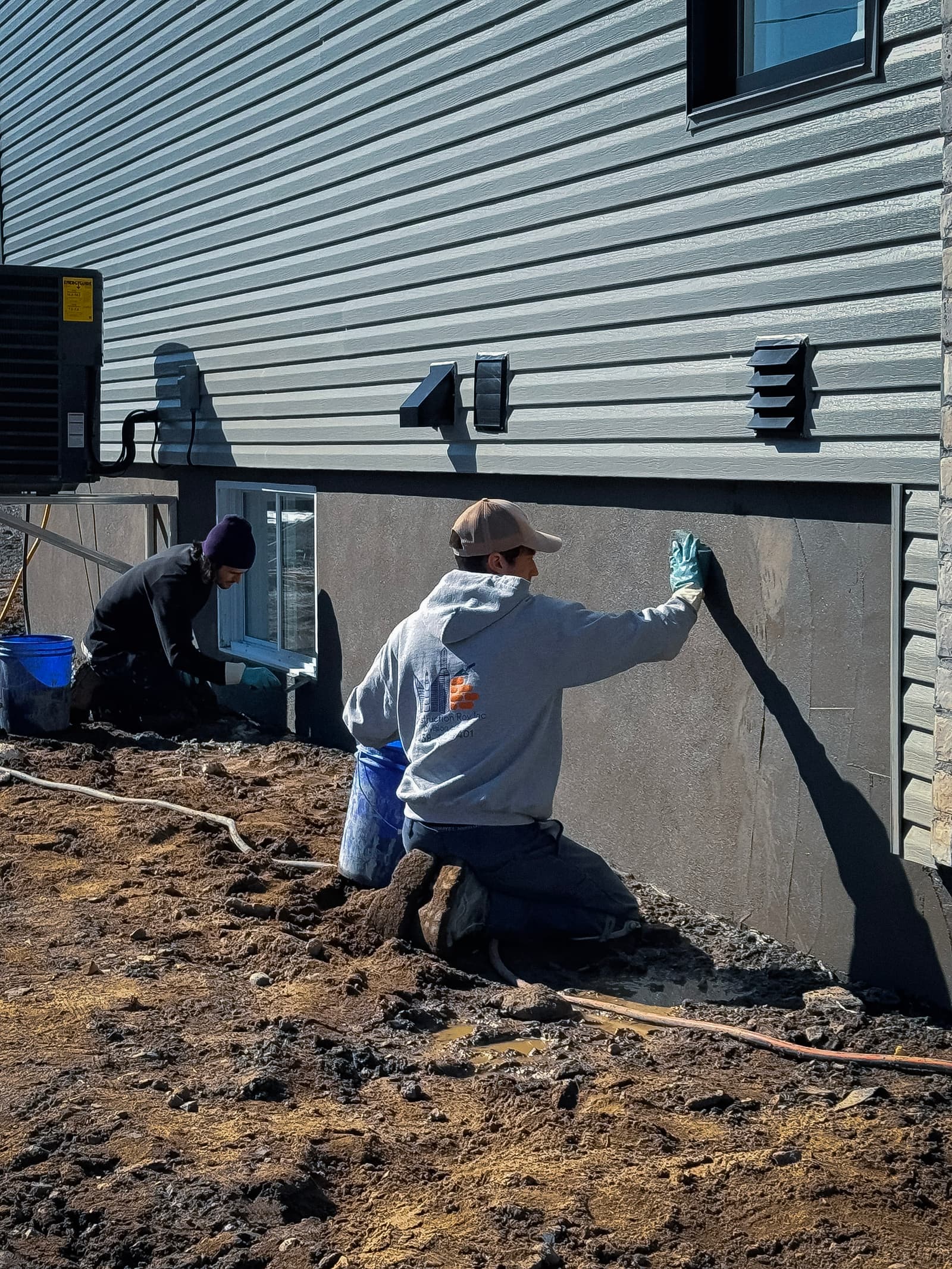
In a single-family home, you can carry out DIY maintenance, renovation, or repair work if you’re the owner-occupant of the residence in question and the work is done for your own well-being and not for reasons of financial gain. That way, you don’t need to have the necessary competency certifications or specific licences.
Naturally, there are exceptions to all rules when it comes to electrical work and gas-fueled installations. That said, you have to contact your municipality to obtain the required building permit, even if you have the necessary construction industry skills to do so yourself.
When it comes to residences other than single-family homes, similar rules apply. The only exception is related to remodels costing over $20,000. These require the expertise of an RBQ-licensed owner-contractor. Here, too, a building permit request should be made with the municipality in question prior to the work start date.
Want to learn more about DIY remodels? Check out our article 7 Renovations That Must Always Be Left to Professionals.
Handy work or renovation project? Check out our article Are Your DIY Renovations Breaking the Law? to know in which category your project falls.
Looking for something else?
Related articles
The latest industry news, interviews, technologies, and resources.

Editorial Team
•08 Nov 2023
When it comes down to finer details of home décor, it’s all about the unique and sophisticated. In the modern, streamlined home, these careful particulars are becoming less and less common. Timeless elements are forgotten, and included in this is the classic crown moulding.

Cynthia Pigeon
•08 Nov 2023
Whether for interior or exterior work, knowing how to pour a concrete slab is vital for anyone wanting to carry out major home renovations. This process can be a bit tricky, especially since you have to follow certain steps to a T, otherwise, the slab could crack prematurely.

Editorial Team
•08 Nov 2023
Because of their popularity, hinged, sliding or hung windows rarely need presentation. But what about the fanlight?
Editorial Team
•15 May 2026
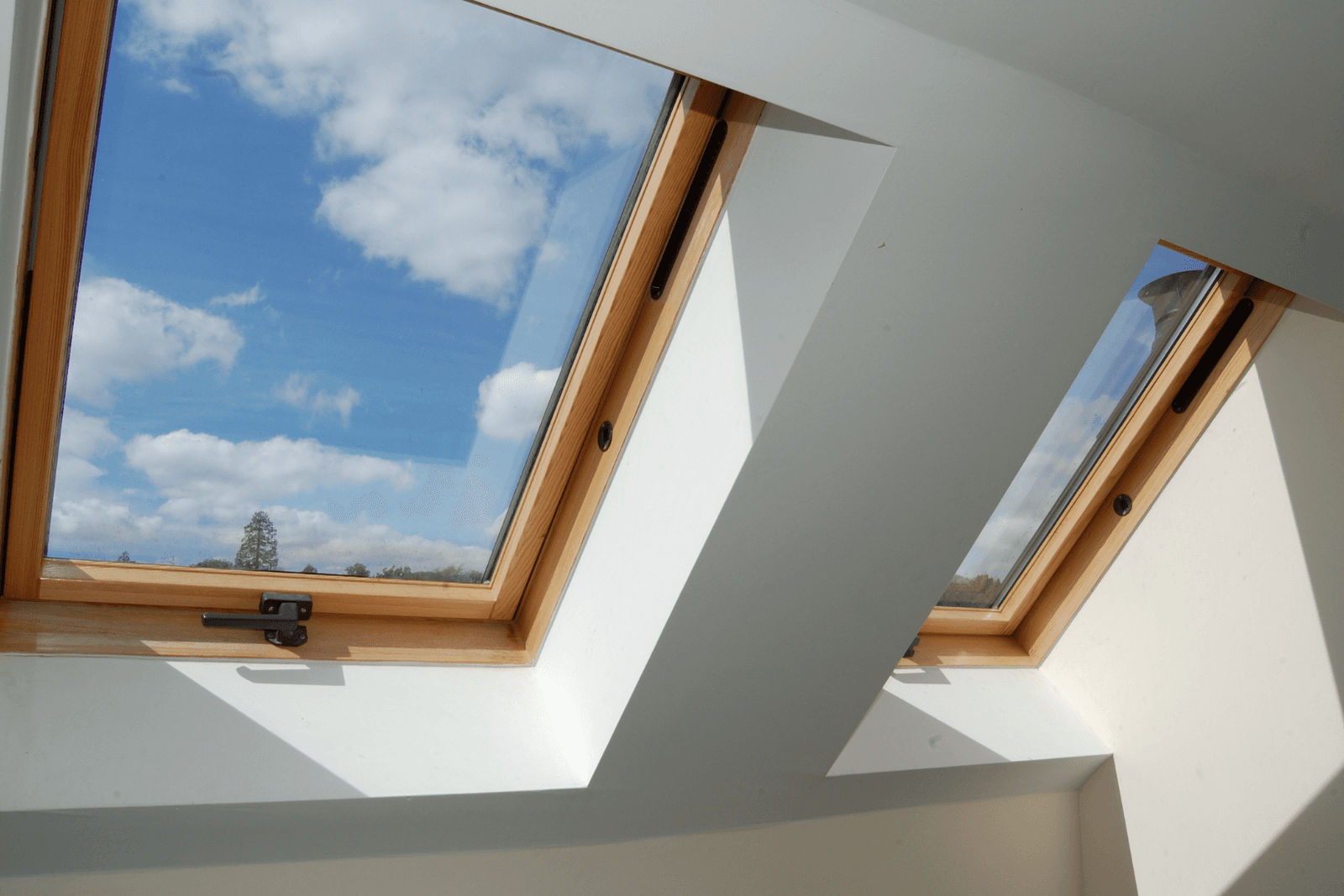
Skylights allow natural light to filter inside homes, whilst providing a stunning view. Sitting high up on your ceiling, such a window helps brighten up darker areas around a room or adds ventilation in space-restricted spaces. A skylight is simply a rooftop glazed window that’s either dome-shaped, flat, fixed, or vented.

Editorial Team
•06 Aug 2024
The digital realm has evolved exponentially over the years, and home automation systems are following suit. A home automation system allows you to remotely control a myriad of devices and equipment in your home thanks to technology such as the Internet of Things (IoT) and artificial intelligence (AI). However, while these systems offer unprecedented connectivity, they also present some downsides.