How to Choose the Right Air Conditioner for Your Home
By Editorial Team
Updated on August 11, 2026
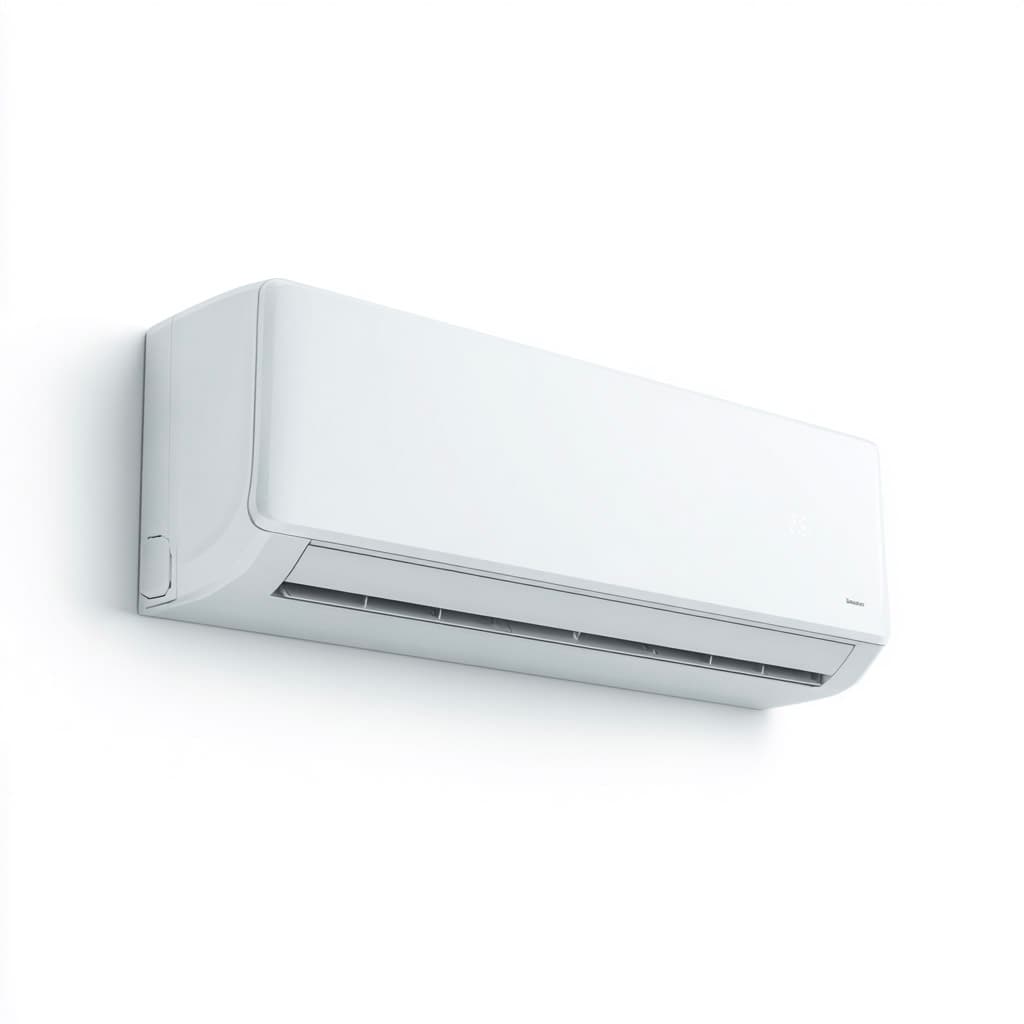
When the summer sun makes your living room feel like a greenhouse, nothing beats the relief of a cool breeze indoors. An air conditioner can turn sweltering afternoons into bearable ones, but the challenge is choosing the right one.
The market is full of options and each one promises comfort and efficiency. Some will reallysave you money, others will leave you with high hydro bills and only half the comfort you were hoping for.
The key is to match the unit to your space, lifestyle, and budget. This guide will walk you through the main things to consider before you buy.
How Big Is Your Space?
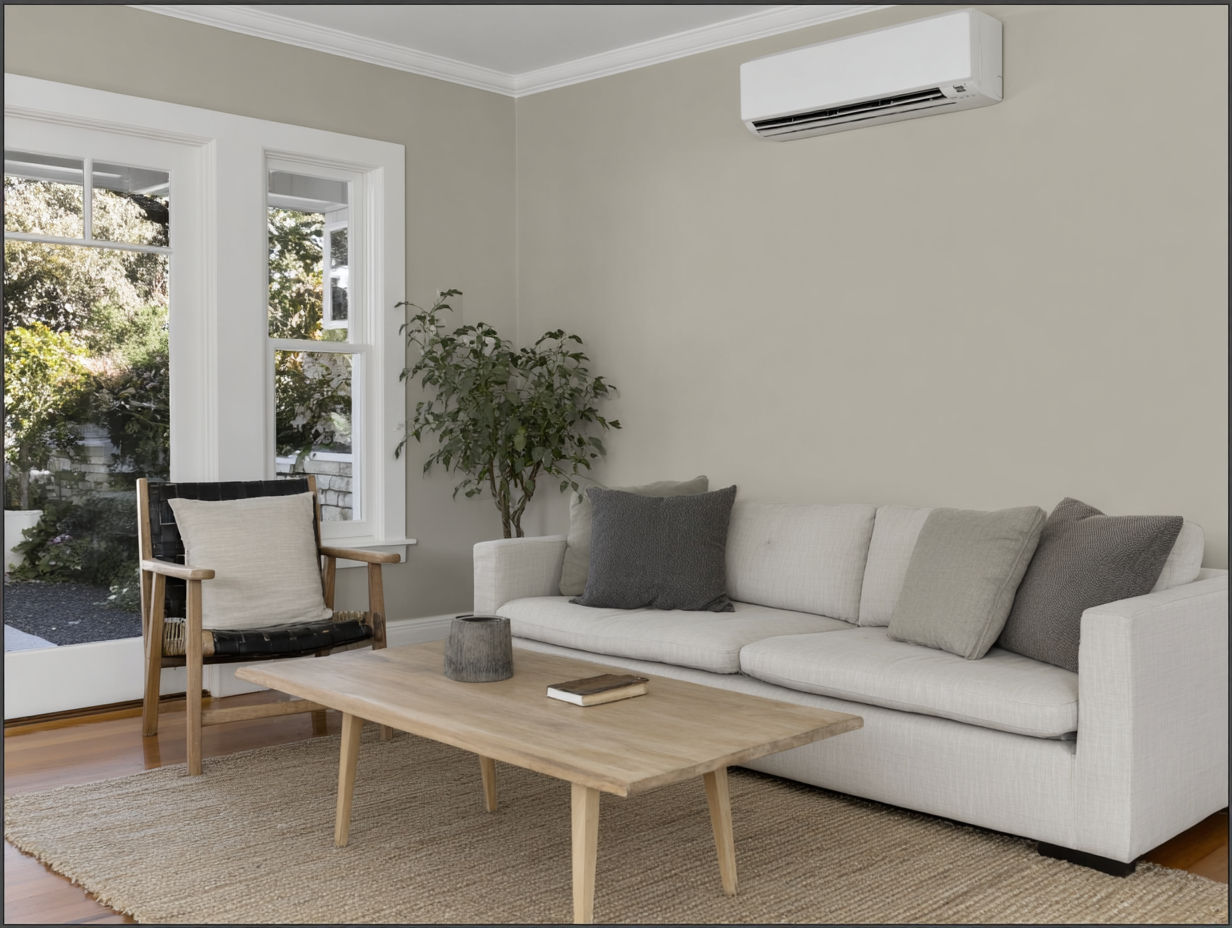
Source : Reno Quotes
Air conditioners are sized by their cooling power, measured in BTUs. Bigger is not always better. If a unit is too big, it will cool fast but shut off before it removes the humidity. If it’s too small, it will run all day without ever feeling effective.
Here’s a rough guide:
Small bedrooms or offices: 5,000 to 8,000 BTUs
Living rooms or medium spaces: 10,000 to 12,000 BTUs
Large open areas: 15,000 BTUs or more
Also consider the ceiling height, insulation, and how much direct sunlight the room gets. Two homes of the same size can have very different cooling needs depending on how they are built.
What Type of System?
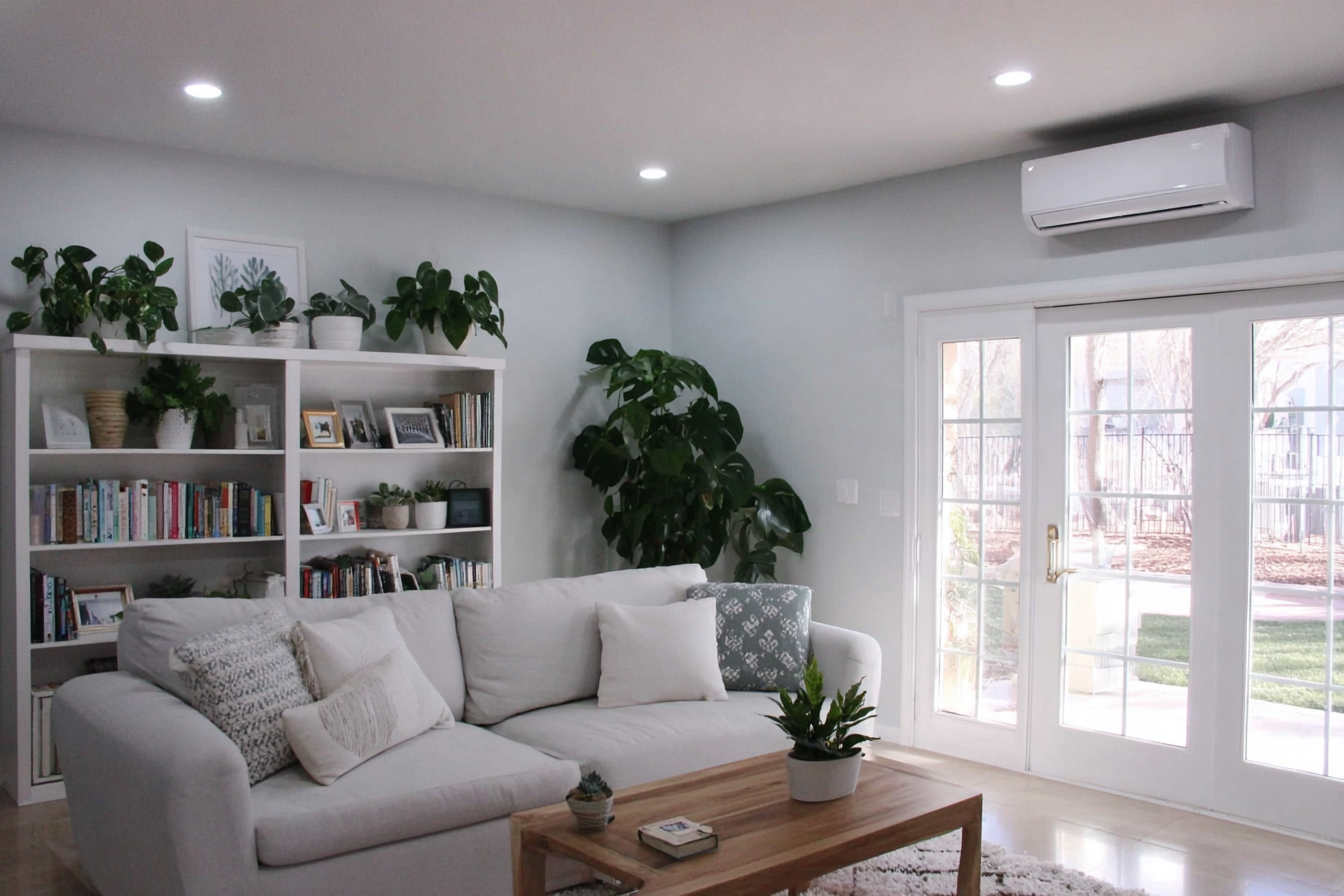
Choosing the type of air conditioner is just as important as sizing it properly. Each one has its pros and cons.
Window units: These are the classics: affordable, compact, and can cool one room. Perfect for apartments or spare rooms, but block the window and can be noisy.
Portable units: They sit on the floor and vent through a hose. Convenient especially for renters, but the least efficient and tend to be loud.
Ductless mini-splits: Ductless mini-split systems, also known as split system air conditioners, are versatile heating and cooling solutions. These consist of an outdoor compressor and one or more indoor units mounted on walls. Efficient, quiet, and you can control the temperature in different rooms. Installation cost is higher but they shine in homes without ductwork.
Central air conditioning: This system cools the whole house through ducts. Delivers even temperatures and is usually the quietest indoors. If you already have ducts, central AC is the most comfortable and practical choice.
Heat pumps: These systems work year-round, cooling in summer and heating in winter. They are efficient but more expensive upfront. Many households are switching to them as a long-term investment.
Efficiency Is the Dealbreaker
If you take away one tip, let it be this: pay attention to efficiency ratings. They determine how much the system will cost you over time.
Central systems use the SEER rating, while window and portable units show CEER or EnerGuide labels. Higher numbers mean less energy for the same cooling. A SEER of 16 to 18 is generally a good balance of cost and performance.
According to Natural Resources Canada, ENERGY STAR certified central air conditioners use about 8% less electricity than standard models (NRCan). Over a decade of summers, those savings can add up.
Humidity Control Matters Too
Cool air is only half the story. If the air stays damp, your home will feel muggy instead of refreshing. Systems with variable-speed compressors, such as inverter mini-splits, are especially good at pulling moisture out of the air because they run for longer cycles. Central systems also handle humidity well if sized and installed properly.
Get the Installation Right
A surprising number of problems come from poor installation. Ducts that leak, refrigerant levels that are off, or units sized incorrectly can all ruin performance. The Office of Energy Efficiency has noted that efficiency can drop by as much as 30% if a system is not installed correctly (NRCan OEE).
Don’t cut corners here. Hire a qualified technician, ask for references, and make sure they calculate the cooling load of your home rather than guessing.
Noise, Comfort, and Everyday Use
Noise is often overlooked until the system is running. Window and portable units can hum loudly, which is annoying in bedrooms or home offices.
Central units and mini-splits are much quieter, some whispering along at barely audible levels. Always check the decibel rating before buying.
Think too about how you will use the system daily. If you like technology, Wi-Fi controls or smart thermostats let you adjust settings from your phone.
Features such as programmable timers, zoning, or eco modes can make cooling more efficient without any extra effort from you.
Don’t Forget Rebates and Incentives
Before you buy, check if rebates are available. Many provinces and utilities offer money back for installing efficient systems or heat pumps.
This can make a more efficient model cheaper than a basic one once the rebate is applied. Worth a quick look at local programs to see what you qualify for.
Total Cost of Ownership
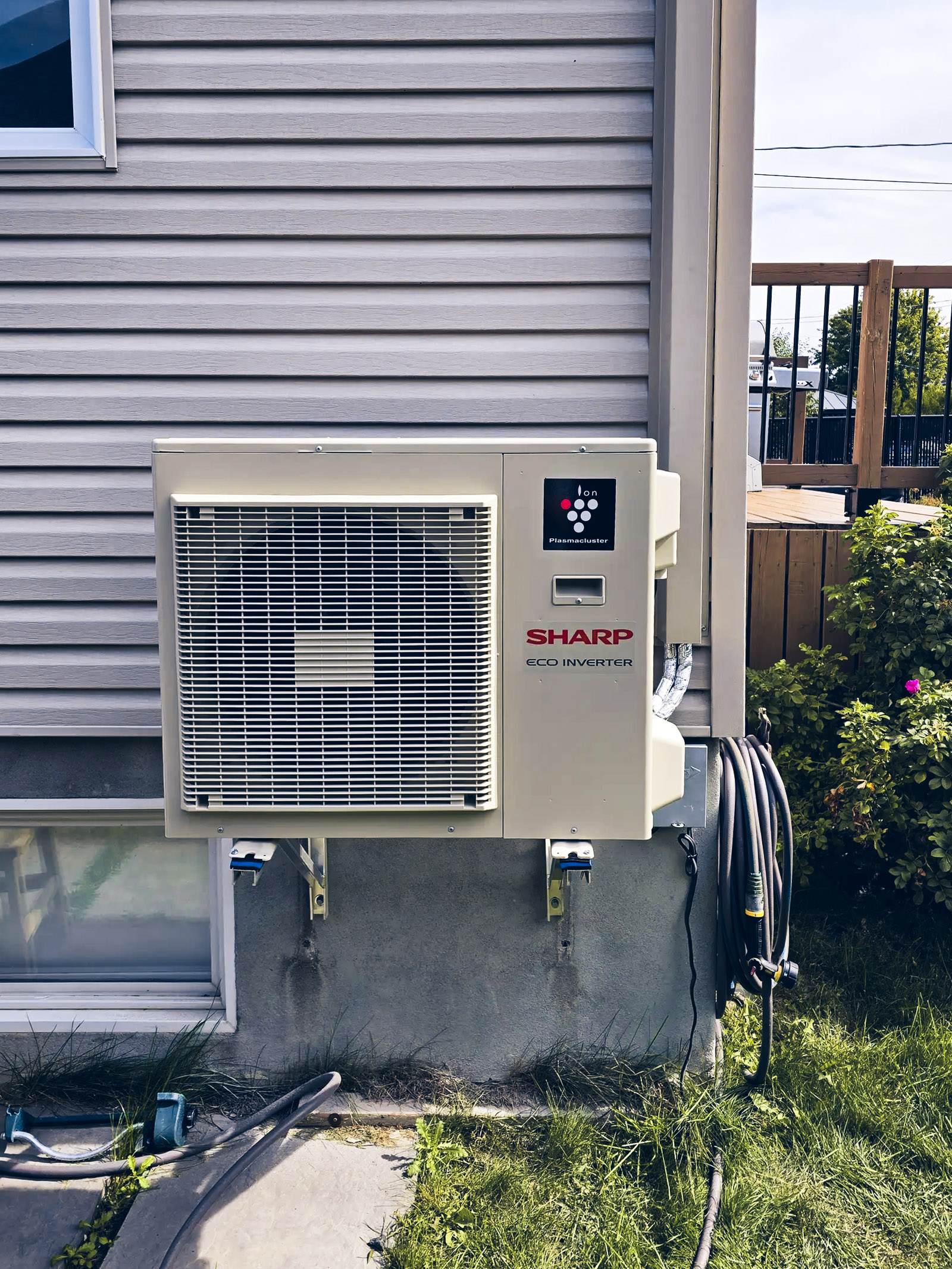
Source : Thermo Climatisation ML inc
The cheapest model is not always the best value. Consider:
Upfront cost plus installation
Summer operating costs
Filter replacements
Lifespan
Repair costs
A central system can last 15 to 20 years if maintained, while portable units may only last a few summers. A higher upfront cost can be worth it if it means lower bills and longer life.
Maintenance Is Key
Whatever system you buy, it needs regular care. Clean or replace filters every 1 to 3 months. Keep outdoor units clear of leaves, grass, and snow. Have a technician check refrigerant, coils, and drainage annually. A well-maintained unit will not only last longer but will also run cheaper.
Putting It All Together
Choosing an air conditioner is more than buying the first one on sale. The right choice is about the size of your space, the type of system that fits your lifestyle, energy efficiency, installation quality, and ongoing maintenance.
A well-chosen and well-installed air conditioner makes summer more comfortable, keeps energy bills in check, and adds value to your home. With hot summers becoming the norm, investing the time to choose the right one is worth every bit of effort.
Looking for something else?
Related articles
The latest industry news, interviews, technologies, and resources.
Editorial Team
•09 Jun 2026
A Canair heat pump can be a practical option for Canadian homeowners who want heating and cooling from one system. Because Canada has a wide range of climates, from milder coastal winters to extreme cold in parts of the Prairies, Ontario, Quebec, and Atlantic Canada, the right model depends on your home’s layout, insulation, existing HVAC system, and local installer support.
Editorial Team
•24 Jan 2025
Air conditioning plays a vital role in maintaining comfort and liveability in homes, especially during the extreme heat of summer. Whether it’s a system installation, repair, or routine maintenance, entrusting the job to a qualified professional ensures the system operates efficiently and safely. Choosing a licensed technician is not just a matter of convenience—it’s a decision that impacts the longevity and performance of your air conditioning unit.
Cynthia Pigeon
•10 Sep 2026
Single-family homes, bungalows, and cottages built in Quebec since the 1960s are very commonly topped with prefabricated roof trusses (also known as engineered roof framing). Designed in a factory using sophisticated structural calculation software, these wood assemblies joined with toothed metal connector plates provide excellent strength while remaining lightweight and cost-effective.

Editorial Team
•08 Nov 2023
Are you the proud owner or manager of a condo tower, institution, or business, and are mandated to create a safe parking space? Your priorities are thus to maximize the available space while still complying with the established regulations as well as the peculiar needs of users. Whether you intend on marking the area yourself or hiring a specialist in the matter, it’s still important to follow some specific guidelines!
Editorial Team
•08 Nov 2023
Do you remember that famous old folktale your grandparents would tell you about, the one that probably made it hard for you to comfortably use the toilet without first looking in the bowl, on the off chance that a sewer rat was just wading in there, ready to nip your behind?