How to Protect Your Roof from Hail and Extreme Weather
By Editorial Team
Updated on November 4, 2025
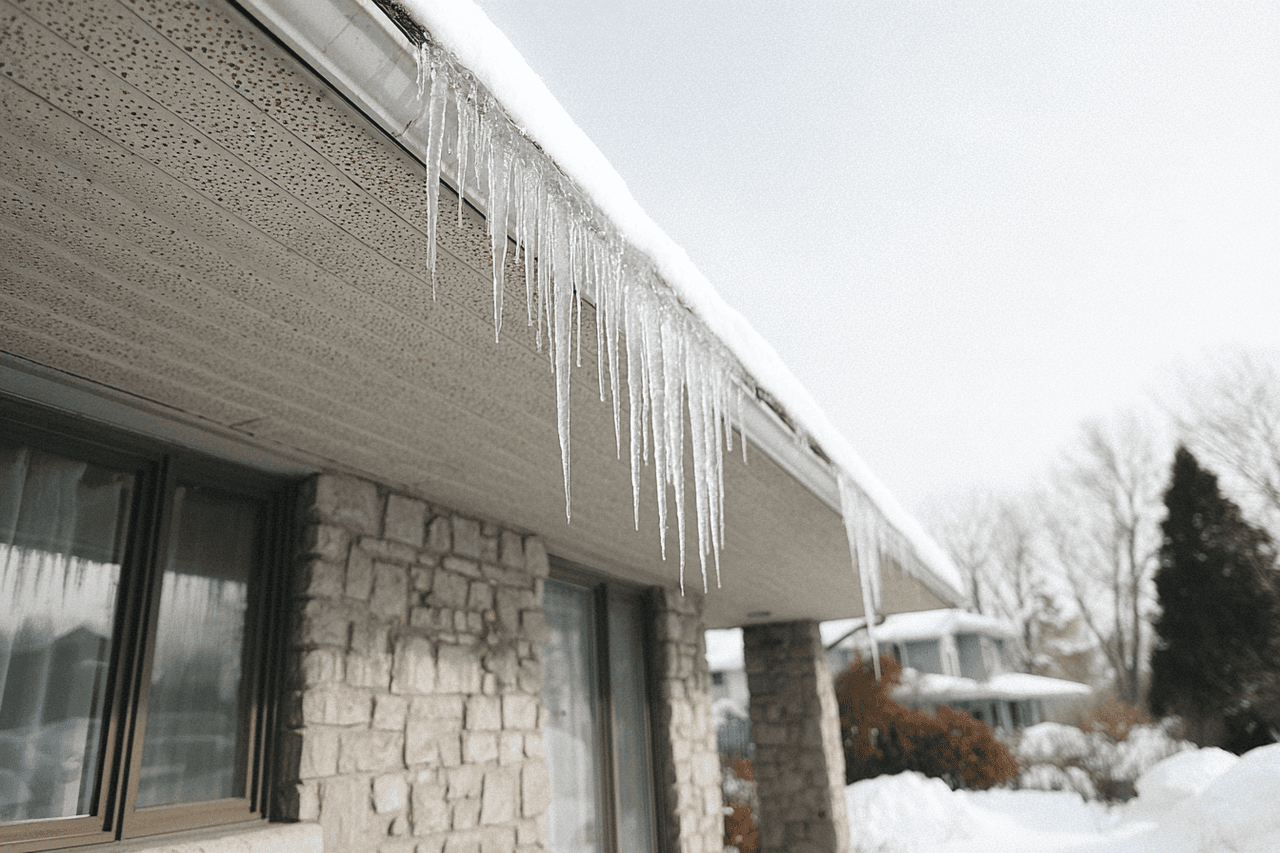
Hailstorms are becoming increasingly common in many parts of Canada, and their impact can be devastating for a roof. A roof punctured by hail can lead to water infiltration, structural damage, and costly repairs. Fortunately, there are several ways to strengthen your roof and prevent damage. Here’s a complete guide to choosing the right materials, adopting best practices, and preparing for hail events.
Get Your Project Started Today
Submit your details and receive three free quotes from trusted contractors.
Choose an Impact-Resistant Material

Source : Aluminium sauvé inc.
Some materials offer better impact resistance than others. Class 4 asphalt shingles, certified UL 2218, are designed to withstand hailstone impacts. Metal roofs, particularly those made of steel or aluminium, are also highly durable. They have a high resistance rating against wind, hail, and ice. If you are considering replacing your roof, compare your options: the higher initial cost of a more resistant material can be offset by a longer lifespan and better protection.
For flat roofs, using an elastomeric membrane or a TPO membrane can provide excellent resistance. These membranes are built to withstand harsh Canadian weather conditions and can be reinforced with gravel to absorb the impact of hailstones.
Maintain Your Roof Regularly
Preventive maintenance is essential to reduce the risk of damage. Inspect your roof at least twice a year—once in the spring and once in the fall—and after every major storm. Look for cracked shingles, raised nails, and separation at the joints. Clean your eavestroughs to prevent water from pooling and seeping under the roof. A well-maintained roof withstands impacts better: loose shingles are more likely to crack when struck by hail.
Install Protective Devices
Several accessories can help protect your roof:
Hail netting or mesh: Installed over skylights and roof windows, these nets prevent hailstones from damaging the glass.
Extra protective shingles: In the most exposed areas (such as flashing and the ridge), add metal plates or additional shingles to absorb impacts.
Wind barriers: Installing windbreaks along roof edges reduces wind speed and the force of hail impacts.
It may be wise to combine these devices depending on your home’s layout. Consult a qualified roofing contractor to determine the most effective solution.
Improve the Area Around Your Home
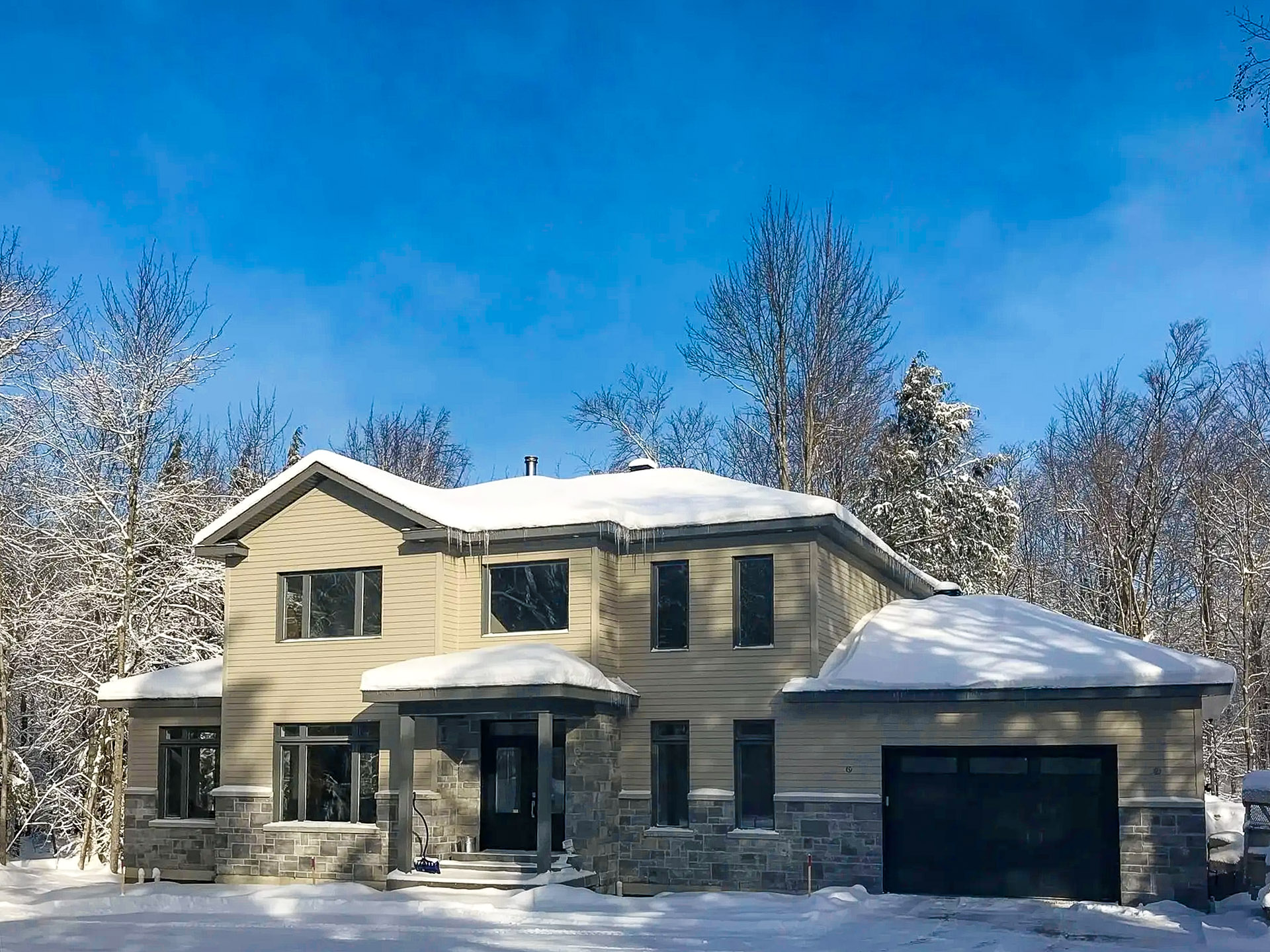
Source : Habitation JLR inc.
Trees and branches can become dangerous projectiles during a hailstorm. Trim branches hanging over your roof to reduce the risk of breakage and damage. Avoid planting large trees too close to your home: a tree falling on your roof during a storm will cause far more damage than hail itself.
Get Adequate Insurance Coverage
Despite all precautions, no roof is completely invulnerable. Make sure your home insurance policy covers hail damage. Some insurers require an additional premium to include these risks. Document the condition of your roof with photos and keep receipts for any work completed—this will make the claims process much easier in the event of a loss.
Protecting your roof from hail requires a combination of preventive measures and smart material choices. Regular maintenance, durable materials, and protective devices can reduce the risk of serious damage. Finally, the right insurance coverage will give you peace of mind during violent Canadian storms.
Looking for something else?
Related articles
The latest industry news, interviews, technologies, and resources.

Amanda Harvey
•08 Nov 2023
Without a roof on your home, it would be like living outdoors. Your home's roof is essential for keeping your family, as well as your furniture, dry, cozy and warm. If there is a leak, a crack or a break detected, it is important to repair it as soon as possible so as to avoid further damage to the material underneath as well as to other parts of your home.
Editorial Team
•23 Jul 2025
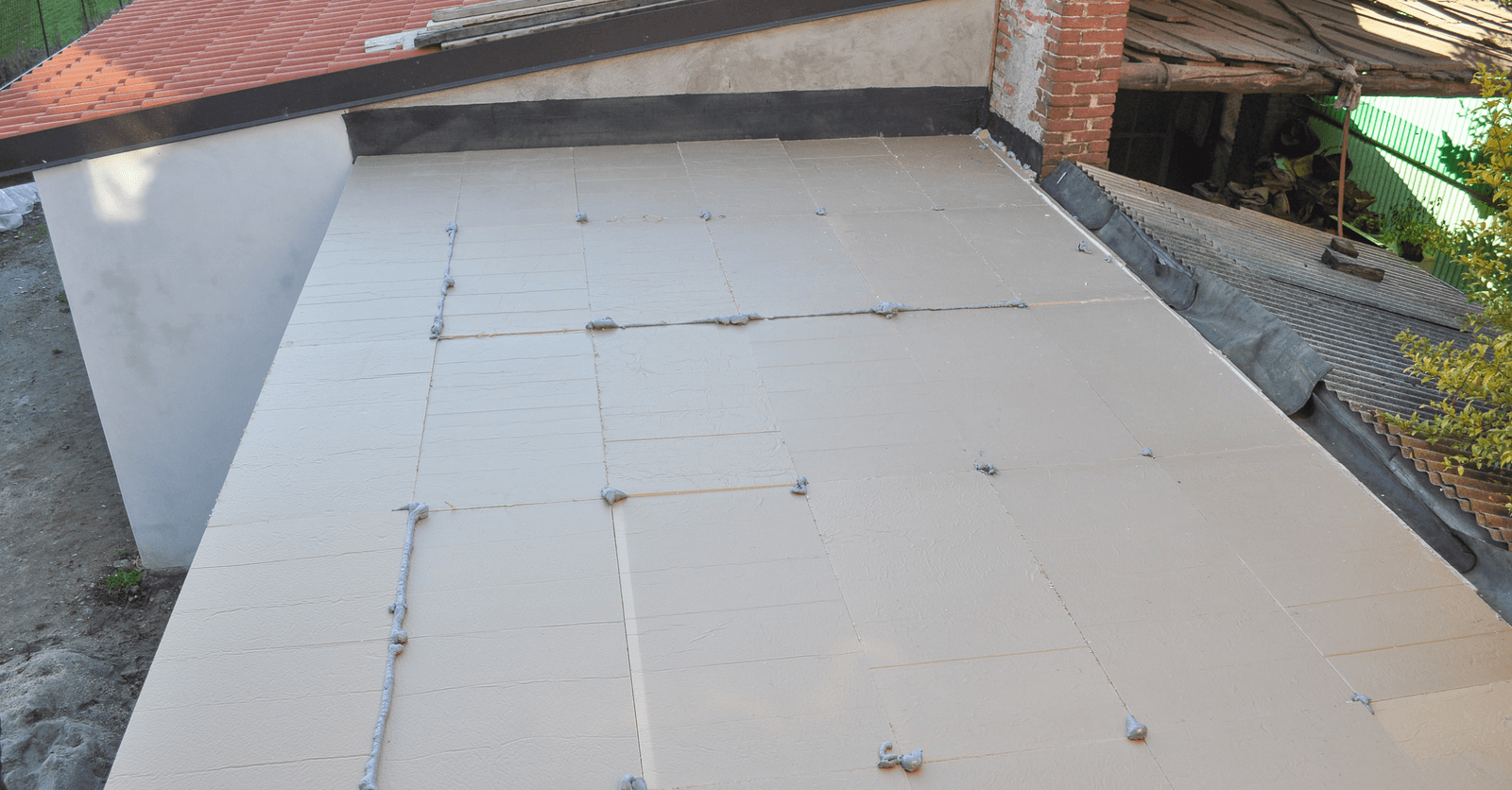
Ensuring that your flat roof is adequately insulated is a vital part of maintaining a comfortable temperature inside your home. Depending on your budget, you can insulate your roof from the inside or outside. However, to meet Novoclimat’s program requirements, you have to select the appropriate materials and correctly carry out their installation. Discover our advice for maintaining effective insulation and saving on your monthly energy expenses.
Editorial Team
•11 May 2026
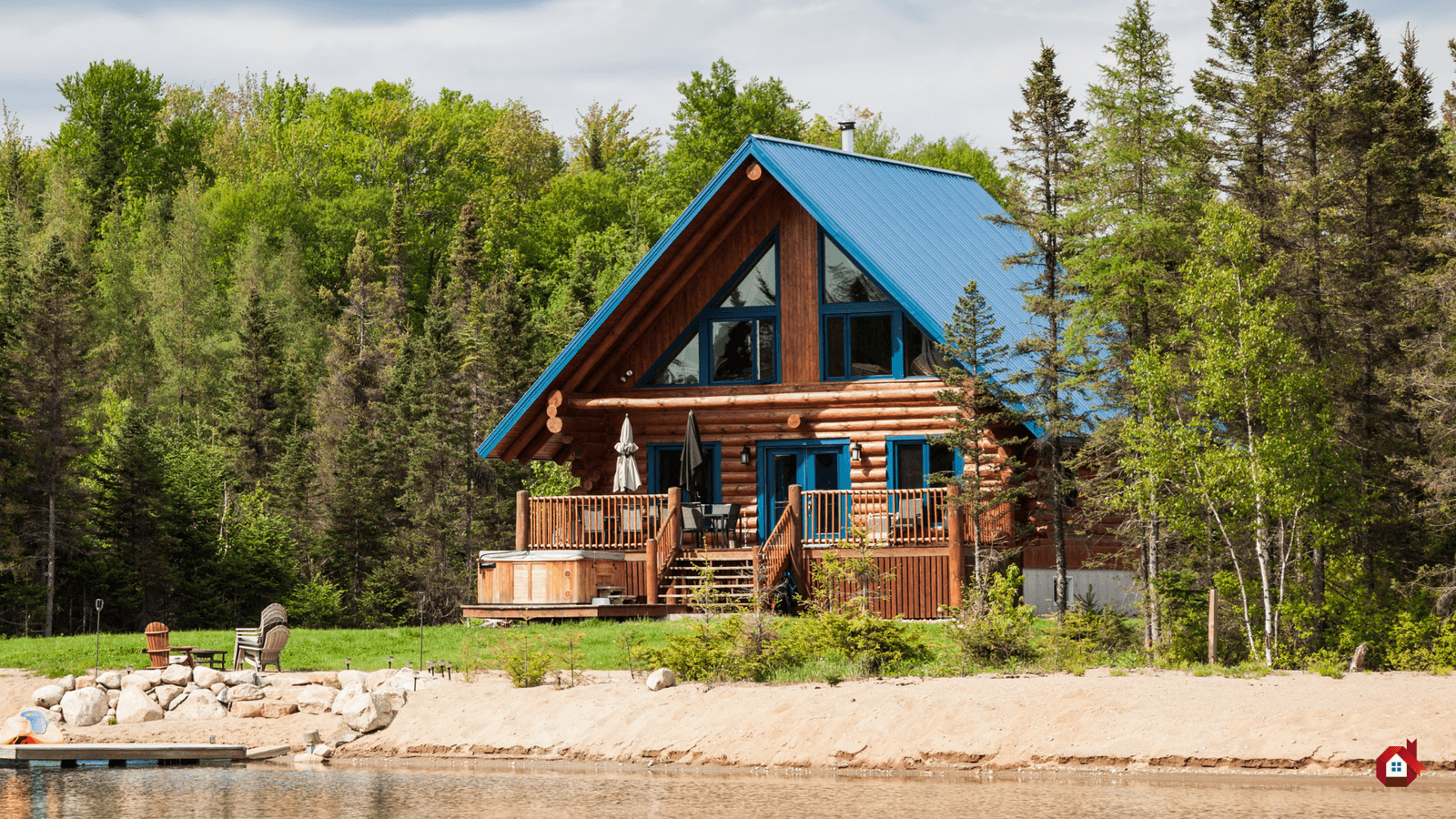
Insulating a log house is a key step to guaranteeing year-round thermal comfort. Not only does it contribute to maintaining a comfortable indoor temperature, but it also aids in cutting energy costs significantly. This article will cover insulation methods suited to log houses or cabins, as well as the best insulation materials, the notion of R-value, and the specific challenges associated with this type of construction.

Cynthia Pigeon
•14 Apr 2026
To prevent water infiltration during the snowmelt season in Canada, three key actions are essential: test your sump pump, clear snow away from window wells, and ensure your downspout extensions discharge water at least 1.5 metres (5 feet) away from your foundation. If ice builds up along the edge of your roof, contact a professional to break up the ice dam before water backs up under the shingles.
Editorial Team
•15 Dec 2023
CLT stands for cross-laminated timber. It’s an engineered wood used in the construction industry to build single-family houses and tall buildings.