Construction Knowledge: 7 Useful Resources to Stay Informed
By Editorial Team
Updated on February 9, 2026

As a budding young contractor, you know better than most that the building industry is constantly evolving—and that success isn’t just about mastering tools and techniques. It’s also about preparing strategically for the upcoming renovation season. New materials, updated codes, emerging technologies, and changing regulations mean that professional know-how is never static; it grows through continuous learning, practical experience, and smart business planning.
Join Our Network and Receive Real Leads!
Do you want to start getting some real leads with serious customers?
That preparation should start well before spring arrives. The contractors who book projects early are often the ones who plan their marketing and lead generation months in advance. By organizing your schedule, refining your service offerings, and putting systems in place to attract clients now, you can secure early spring projects before competition intensifies and demand peaks.
So, what resources can help you both refine your technical skills and get organized for a strong season ahead? From formal courses to hands-on workshops and seminars—many of which also cover business development and client acquisition—this article explores seven reliable options that support construction knowledge, marketing readiness, and long-term success across Québec and Canada, without overwhelming you with jargon.
Resources to Fine-Tune Skills and Industry Insight

Source: Pexels
1. The Corporation des Entrepreneurs Spécialisés du Grand Montréal (CESGM)
The CESGM offers one-day seminars covering trade-specific topics and regulatory requirements. One of its most popular options is the Construction Code initiation seminar, which helps contractors prepare for project execution as well as site and project management exams.
These sessions are particularly valuable for those seeking subclass licences 1.2 (Small Building Contractor) and 1.3 (All Buildings Contractor). Other offerings focus on practical skills such as reading plans, understanding measurements, and estimating costs across teams, designs, and project phases.
Browsing the CESGM website is the best way to stay informed about upcoming events. Members also benefit from networking opportunities, which play an important role in knowledge management in construction and peer learning.
2. The Commission de la construction du Québec (CCQ)
The CCQ is a key player in continuing education for industry professionals in Québec. It offers trade-focused training programs, often around 30 hours in length, designed to strengthen both foundational and specialized skill sets.
These programs support ongoing learning by helping workers and contractors expand their expertise while staying aligned with current standards. They also provide excellent opportunities to connect with peers from different trades and regions.
3. Fiers et compétents: A Learning Program Tailored to Your Needs

Source: Pexels
Developed by the Association de la construction du Québec (ACQ), the Fiers et compétents program focuses on practical skill development for employed workers.
Training advisers deliver workshops on topics such as new materials, evolving work methods, and the integration of new technologies. The program is funded by the Fonds de formation des salariés de l’industrie de la construction and is free for eligible participants.
All costs—including transportation, lodging, and materials—are covered, and financial incentives may apply. With more than 400 options available, this initiative strongly supports continuous learning in construction while remaining flexible around real-world work constraints.
4. The Corporation des entrepreneurs généraux du Québec (CEGQ)
The CEGQ operates the Académie des entrepreneurs généraux, which offers training modules ranging from three-hour sessions to full 30-hour programs.
Topics include contract drafting, project coordination, negotiation strategies, and plan reading. Courses are led by experienced professionals and include certificates of attendance. The organization also provides in-company training and collaborates with ÉTS and the CCQ to support those aiming to become site superintendents or improve their leadership capabilities.
5. Consultants en gestion de construction (CGC): Management-Focused Learning
For contractors looking to strengthen their business and organizational skills, working with a management consultant can be highly effective.
Beyond one-on-one consulting, many of these professionals offer conferences and workshops that share practical insights on performance optimization, business planning, and growth strategies. These sessions complement technical training and help reinforce strong knowledge management practices within companies.
6. The Garantie Construction Résidentielle (GCR)

Source: Pexels
The GCR offers workshops aimed at improving the quality of new residential projects in Québec. These sessions raise awareness about common site non-conformities and help participating contractors improve their Cote Qualité GCR.
Training also addresses contract drafting, claim prevention, and updates on newly implemented requirements. Recognized by the RBQ, CMMTQ, and CMEQ, these workshops are a valuable form of continuing education that directly supports compliance and quality assurance.
7. The Conseil de l'enveloppe du bâtiment (CEBQ)
The CEBQ is a non-profit association dedicated to advancing expertise related to building envelope systems. Its focus areas include façade restoration, masonry veneer assemblies, and roof renovations.
By bringing together contractors, architects, and engineers, the organization promotes interdisciplinary collaboration—an effective way to support continuous learning as projects grow more complex and technically demanding.
In Conclusion
With the renovation season approaching, take advantage of these accessible training opportunities to prepare, plan your marketing, and book your spring projects before the competition ramps up. Together, these accessibility measures and support services offer concrete benefits for construction professionals: they reduce logistical and financial barriers, save time on administrative processes, and make training activities more inclusive, particularly for people with hearing impairments.
By using these resources, contractors and their teams can focus on developing new skills while improving their integration, professional growth, and ability to secure projects early in the season.
Are you a woman working in construction? Want to learn more about the resources available to you? Check out our article: Women in Construction: 6 Useful Resources for Support.
FAQ
What are the 5 basic principles of construction?
The five principles of construction are:
Environmental protection
Safety
Speed
Economy
Aesthetics
What is construction knowledge and why is it important?
Construction knowledge refers to the technical, regulatory, and practical know-how required to plan, manage, and deliver building projects successfully. It includes understanding codes and standards, materials, project coordination, and site practices. Staying current through construction learning and continuing education helps contractors reduce errors, improve quality, and remain competitive in a fast-changing industry.
What are the best ways to continue learning in the construction industry?
The most effective approach combines several construction resources, such as seminars, structured courses, workshops, and on-the-job training. Participating in construction continuing education, attending a construction seminar, or enrolling in targeted construction courses all support continuous learning in construction. Many professionals also benefit from online options, which make construction online training easier to fit around daily work.
Is continuing education mandatory for construction contractors?
While not always mandatory across the board, continuing education in construction is often required to maintain certain licences, certifications, or quality ratings. Even when it is not compulsory, ongoing learning is strongly recommended to keep up with regulatory changes, evolving best practices, and new technologies that affect project outcomes.
How does knowledge management help construction companies?
Knowledge management in construction helps companies capture, share, and apply expertise gained through experience and training. By documenting best practices and encouraging team learning, businesses can improve efficiency, reduce repeat mistakes, and support continuous learning across their workforce—especially as teams grow or change.
Looking for something else?
Related articles
The latest industry news, interviews, technologies, and resources.
Editorial Team
•05 Dec 2025
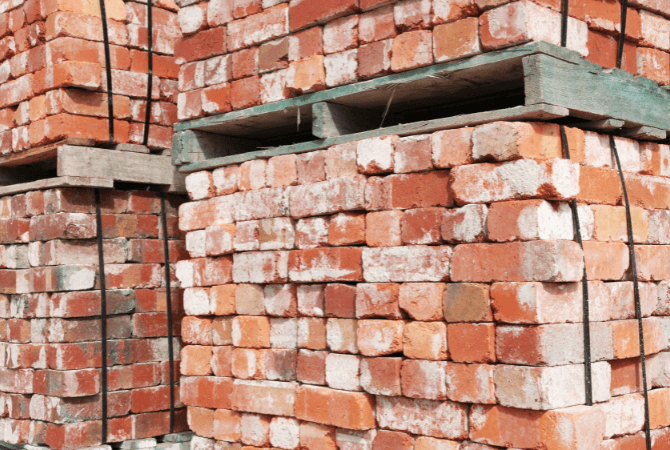
At a time when everyone is conscious of environmental protection issues, we're looking to recycle and upcycle everything that's no longer needed. As such, the urge to upgrade your home's brick cladding is reason enough to think this over.

Editorial Team
•18 Feb 2025
In the province of Quebec, the construction industry is particularly monitored and regulated. Hence why we’re making a point of raising awareness among residential homeowners regarding the importance of dealing with contractors holding the right RBQ licence.
Cynthia Pigeon
•10 Jul 2026
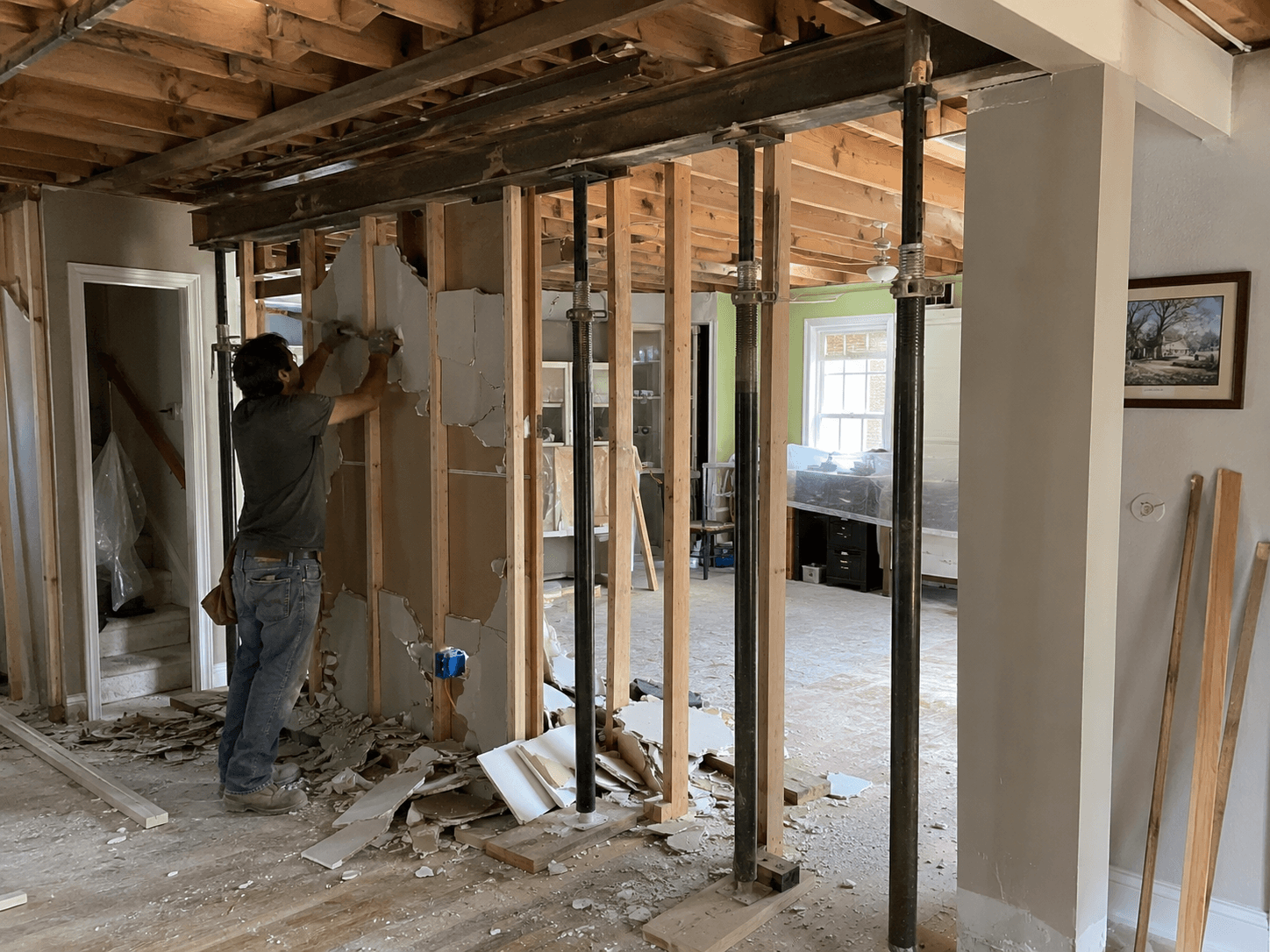
The open-concept layout trend is still going strong in Quebec. Whether you want to modernize a 1970s bungalow on the South Shore, open up an ancestral triplex in Plateau-Mont-Royal, or maximize natural light in a Québec City property, knocking down a wall is often the preferred solution. However, as soon as the project affects the building’s structure, you need to verify municipal requirements and, depending on the work involved, comply with provincial rules related to construction, permits, professional plans, and licences.

Editorial Team
•08 Nov 2023
Glass tiles aren’t only a great wall tiling choice for wet areas, but they’re also an ideal flooring. Nowadays, such tiles are solid, aesthetic, and eco-friendly, and are an increasingly significant part of our interior quarters.
Editorial Team
•21 Jun 2024
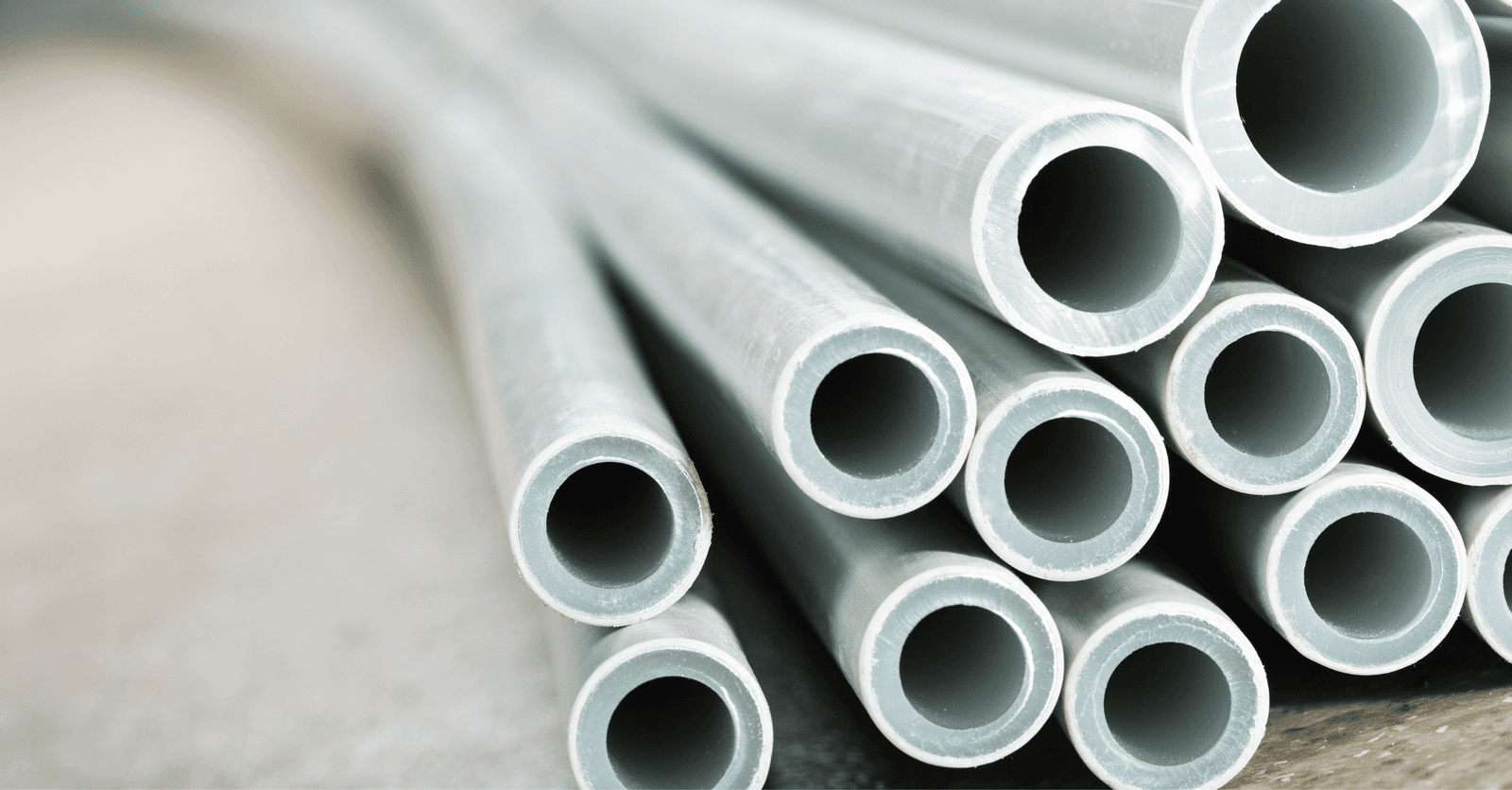
Are you remodelling, adding a sanitary installation, or building your home? Well then, a multilayer plumbing pipe is exactly what you need.