Metal Roof Cost per Square Foot in Canada in 2026
By Cynthia Pigeon
Updated on May 14, 2026
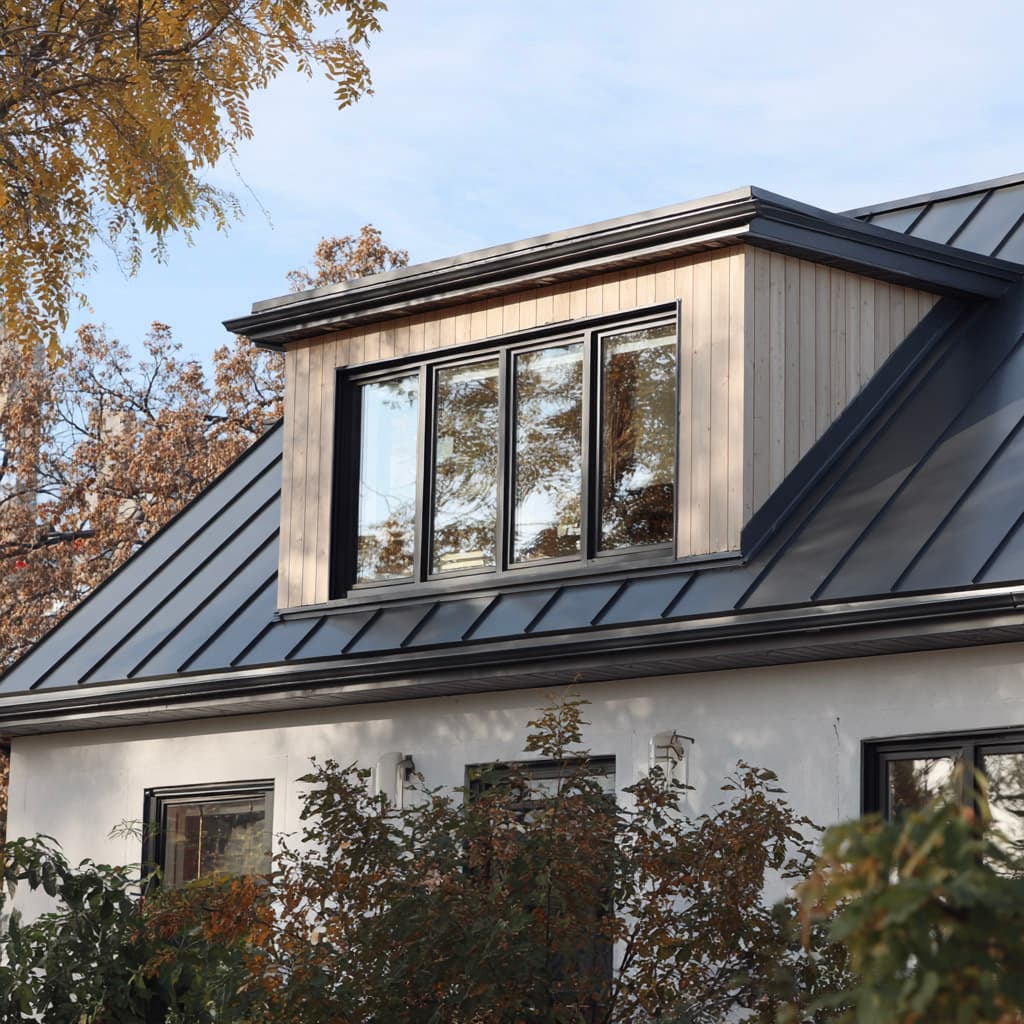
In 2026, the cost of a metal roof in Canada generally ranges from $13 to $30 per square foot, including installation, depending on the type of metal, profile, roof slope, project complexity, and site access. For an average single-family home, homeowners can expect to pay around $13 to $25/sq. ft. for galvanized steel or Galvalume, and up to $30/sq. ft. for aluminum. Although the initial investment is higher than that of asphalt shingles, a metal roof can become a very worthwhile long-term option thanks to its potential lifespan of more than 50 years and its strong resistance to Canada's tough weather conditions, especially if you plan to keep the property for many years.
Metal Roofing in Canada: A Durable Option That Requires Careful Budgeting
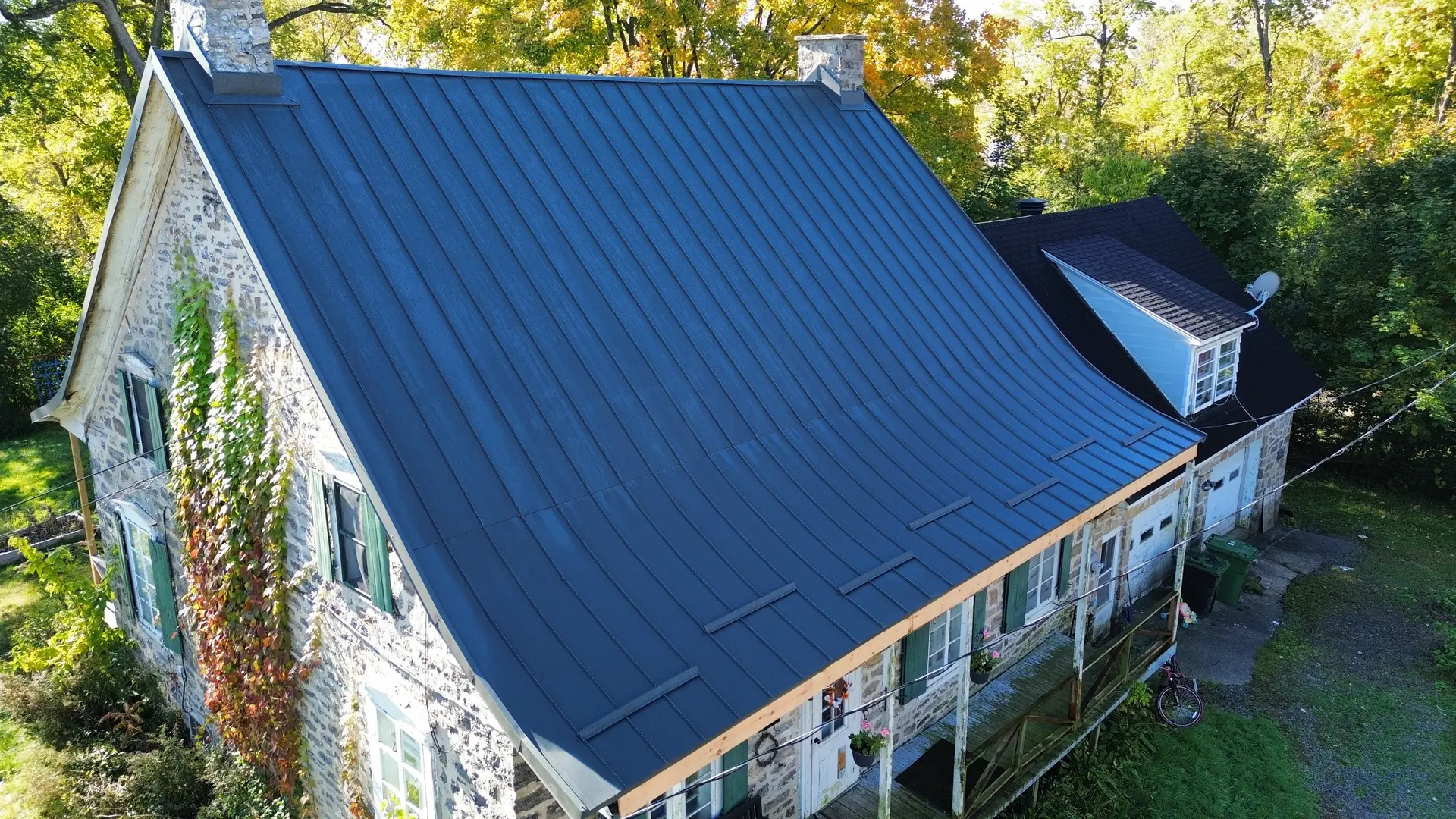
Source: 9398-7410 Quebec Inc.
Across Canada, homeowners face increasingly unpredictable weather, from freeze-thaw cycles and heavy snowfall to wind, rain, humidity, and summer heat. Choosing a roofing material is no longer only a question of appearance; it is also about durability, budget, and long-term performance. In 2026, metal roofing remains a durable option for homeowners who want to reduce how often they need to replace their roof.
However, comparing quotes for a metal roof can be complex. Between corrugated steel, standing seam panels, and metal tiles, the cost per square foot can vary significantly. This guide presents the main price ranges to help you budget your project more accurately.
What Is the Average Cost per Square Foot by Type of Metal?
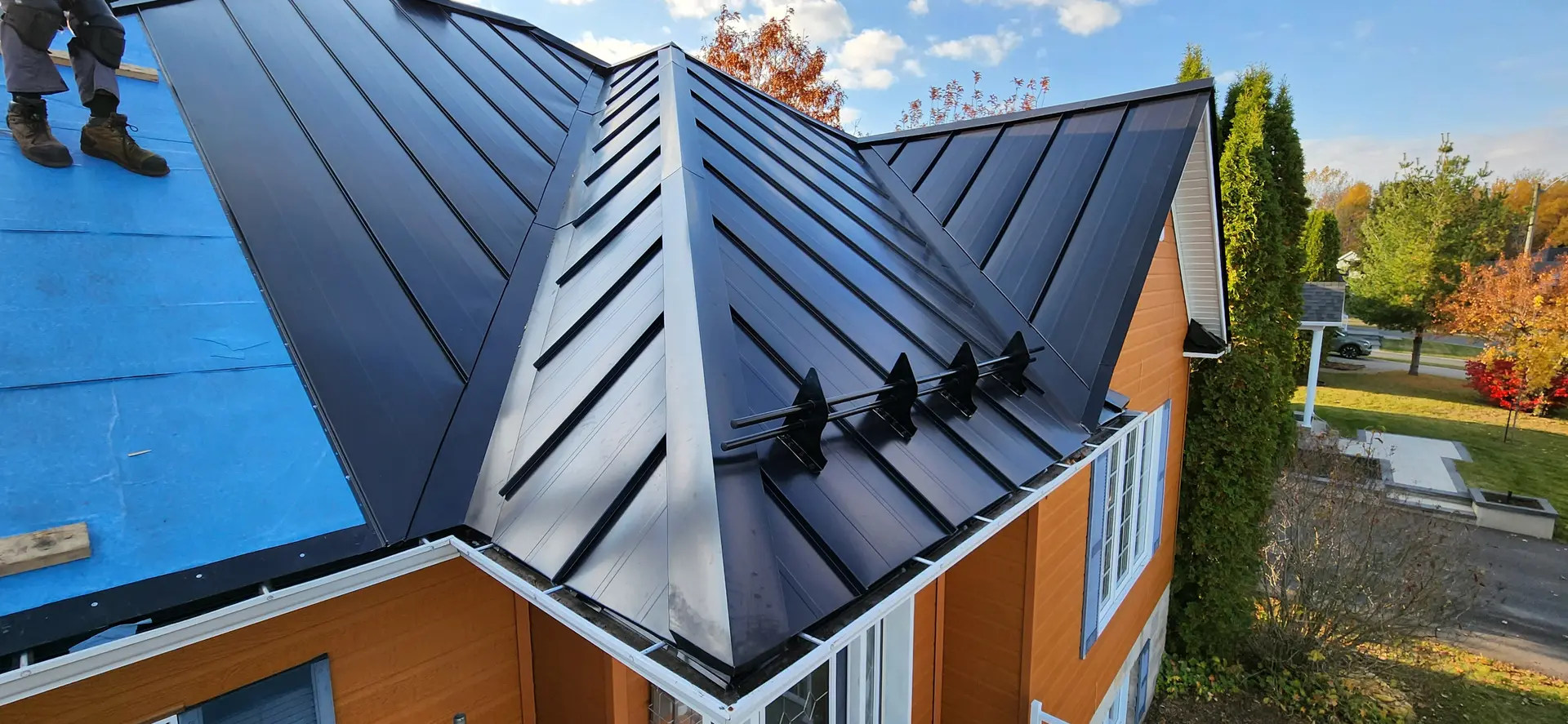
Source : Damapro inc.
The material you choose is one of the first factors that will influence your total cost. Here are general price ranges commonly used to budget a metal roofing project in Canada in 2026, installation included.
Galvanized Steel or Galvalume: $13 to $25/sq. ft.
Galvanized steel and Galvalume are among the most common metal roofing options in Canada. Galvanized steel is coated with zinc, while Galvalume uses an aluminum-zinc coating to help protect against corrosion.
Exposed-fastener panels: Approximately $13 to $18/sq. ft. These are often used on cottages, secondary buildings, rural homes, and budget-conscious projects.
Standing seam roofing: Approximately $18 to $25/sq. ft. This is a frequent choice for higher-end residential projects or homes with a more contemporary style. The fasteners are hidden, which reduces the risks associated with exposed fasteners and allows the metal to better accommodate expansion and contraction caused by temperature changes.
Aluminum: $22 to $30/sq. ft.
Aluminum is highly resistant to corrosion, making it an interesting option for properties located near water or in humid regions, including coastal areas. It is lighter than steel, but slightly softer, which means it requires careful handling and experienced installation.
Premium Metals: $35/sq. ft. and Up
Copper and zinc are premium materials whose prices can fluctuate with market conditions. Although their lifespan can reach several decades and sometimes approach 80 years or more, they are generally reserved for specific architectural projects, high-end homes, or heritage building restorations.
Type of Metal | Installed Price per Square Foot | Estimated Lifespan |
Exposed-fastener galvanized steel | $13 to $18/sq. ft. | 30 to 40 years, depending on maintenance |
Standing seam steel | $18 to $25/sq. ft. | 50+ years, depending on the system |
Aluminum | $22 to $30/sq. ft. | 50+ years |
Copper/zinc | $35/sq. ft. and up | Several decades, sometimes 80+ years |
Factors That Affect Your Metal Roofing Quote
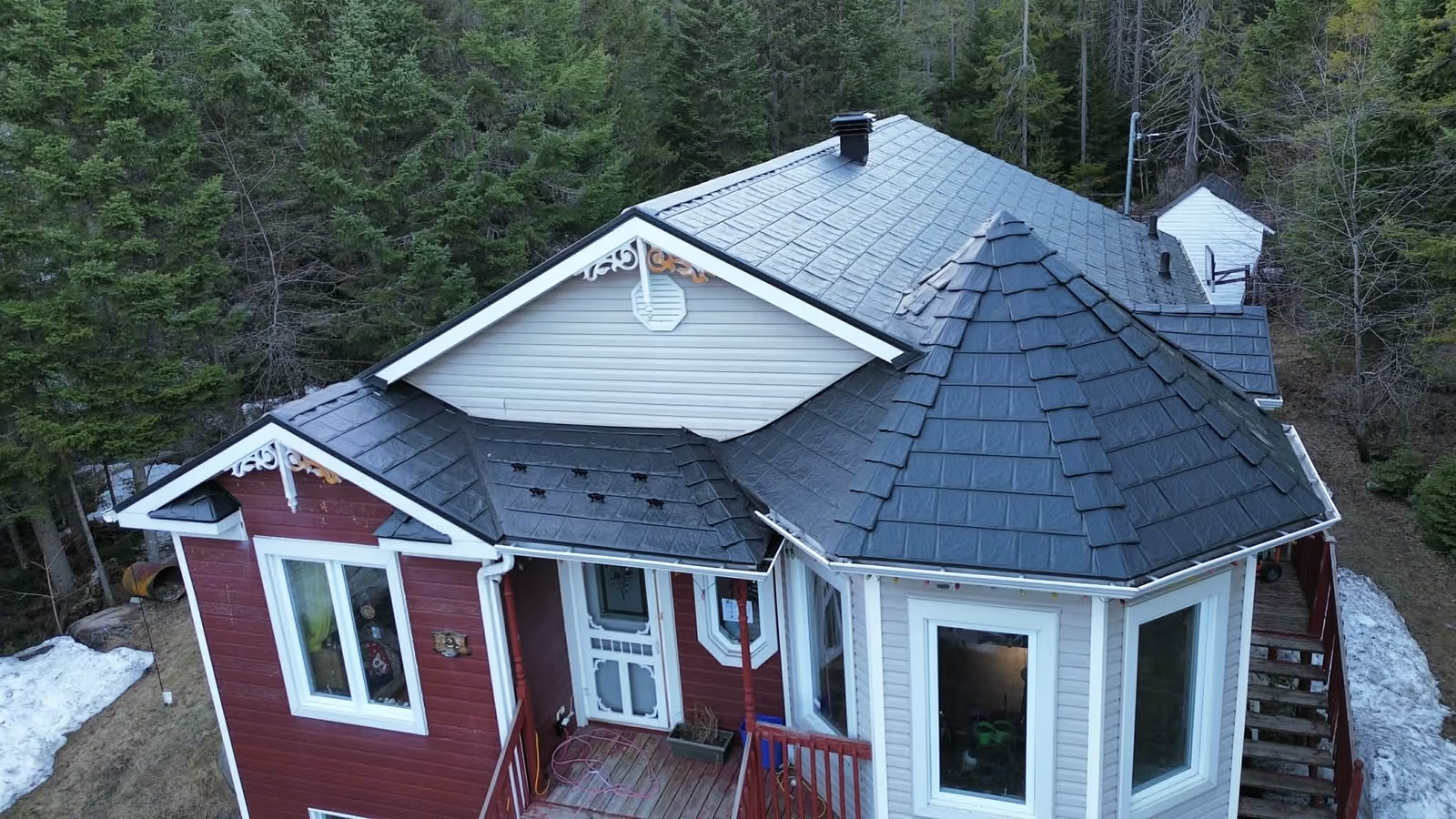
Source: METALMAX
The price per square foot is not fixed. Several technical factors specific to your home can influence the final amount on your roofing quote.
Roof complexity and slope: A steep roof, especially one with a slope greater than 6:12, requires additional safety equipment and can slow down the installation process. Dormers, valleys, chimneys, skylights, and complex rooflines also increase the time required for cutting, folding, and installing metal panels.
Site access: If your home is located on a narrow urban lot, a steep driveway, a wooded property, or an area with limited access for delivery trucks, handling and labour costs may increase.
Removal of the old roof: Removing and disposing of one or more layers of old asphalt shingles can add labour and container costs. This can often add around $2 to $4 per square foot, depending on the project.
Installation on Strapping vs. Over Existing Shingles
This is a common question for Canadian homeowners considering a metal roof.
Installation on strapping: Wood strapping, or furring strips, is installed over the existing roof covering or directly over the roof deck. This creates an air space that can help with ventilation and drainage behind the metal roofing, depending on the system installed.
Direct installation: Some systems can be installed over existing shingles with an appropriate underlayment or membrane. However, this method must respect the manufacturer’s recommendations, the condition of the roof deck, and the roof ventilation requirements.
For more information on preparation steps, consult roofing renovation resources to plan your project properly.
Long-Term Value: Metal Roofing vs. Asphalt Shingles in Canada
Source : Bâti-Toit Plus inc.
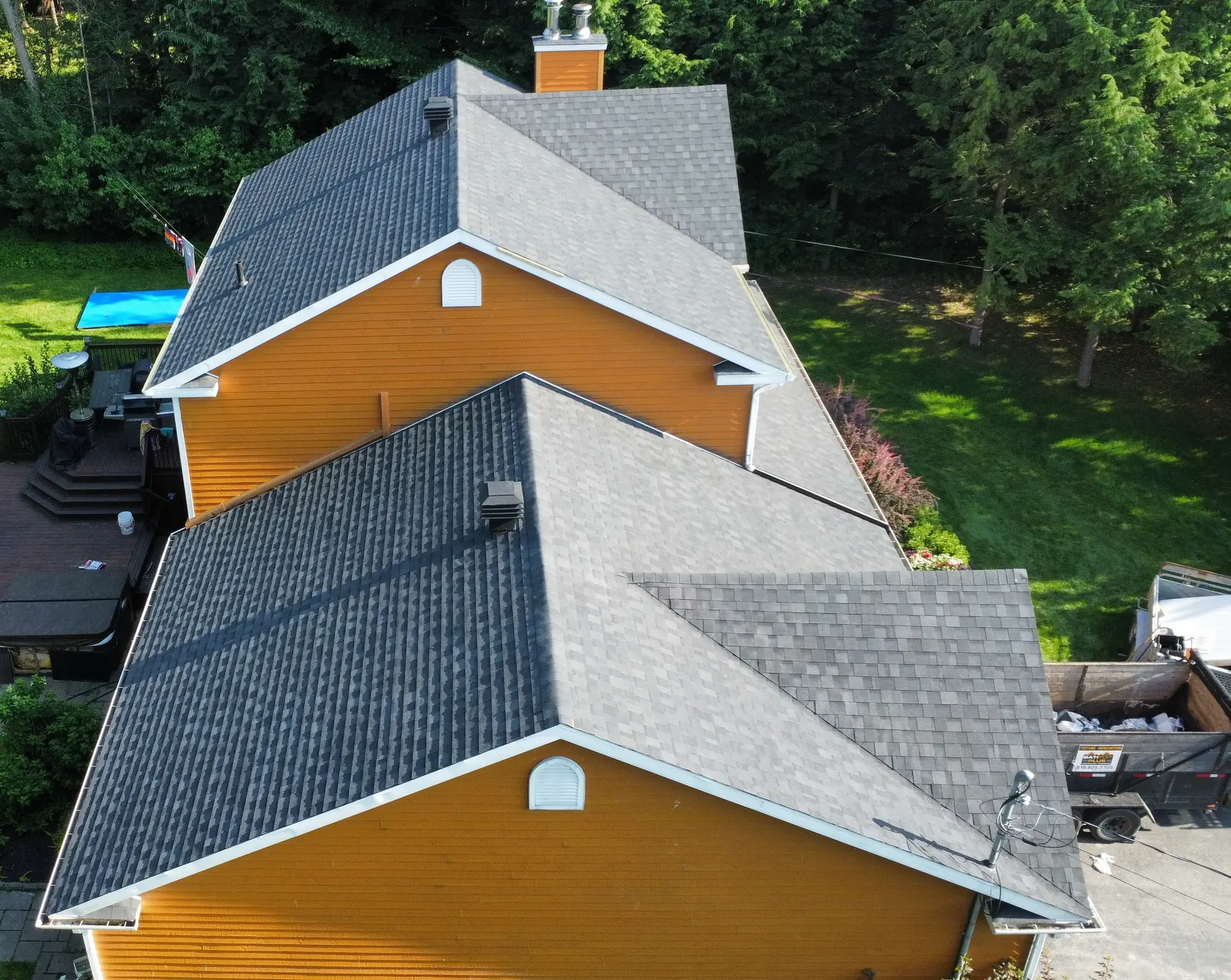
At first glance, asphalt shingles seem hard to beat, with an average installed price often around $5 to $9/sq. ft. However, the long-term comparison can tell a different story.
In many Canadian climates, asphalt shingles are exposed to summer UV rays, winter freeze-thaw cycles, wind, heavy rain, and snow accumulation. Their real-world lifespan often falls between 15 and 25 years, depending on product quality, attic ventilation, exposure, and installation quality. Over a 50-year period, an asphalt shingle roof may need to be replaced two or three times. When inflation and future labour costs are considered, the cumulative cost of asphalt shingles can approach or even exceed the cost of one well-installed metal roof.
Metal roofing can also offer additional advantages:
Snow management: On some sloped roofs, snow can slide more easily on a metal surface, which may reduce accumulation. However, snow guards may be required to control falling snow or ice.
Ice dam management: A well-designed metal roof may help snow evacuate more easily, but ice dam prevention depends mainly on insulation, air sealing, and attic ventilation.
Resale value: A durable, well-installed roof can reassure buyers and may help support a higher resale value, depending on the property and local market.
Regulations and Technical Requirements for Metal Roofs in Canada
Source: Brogo Installation&Rénovation inc
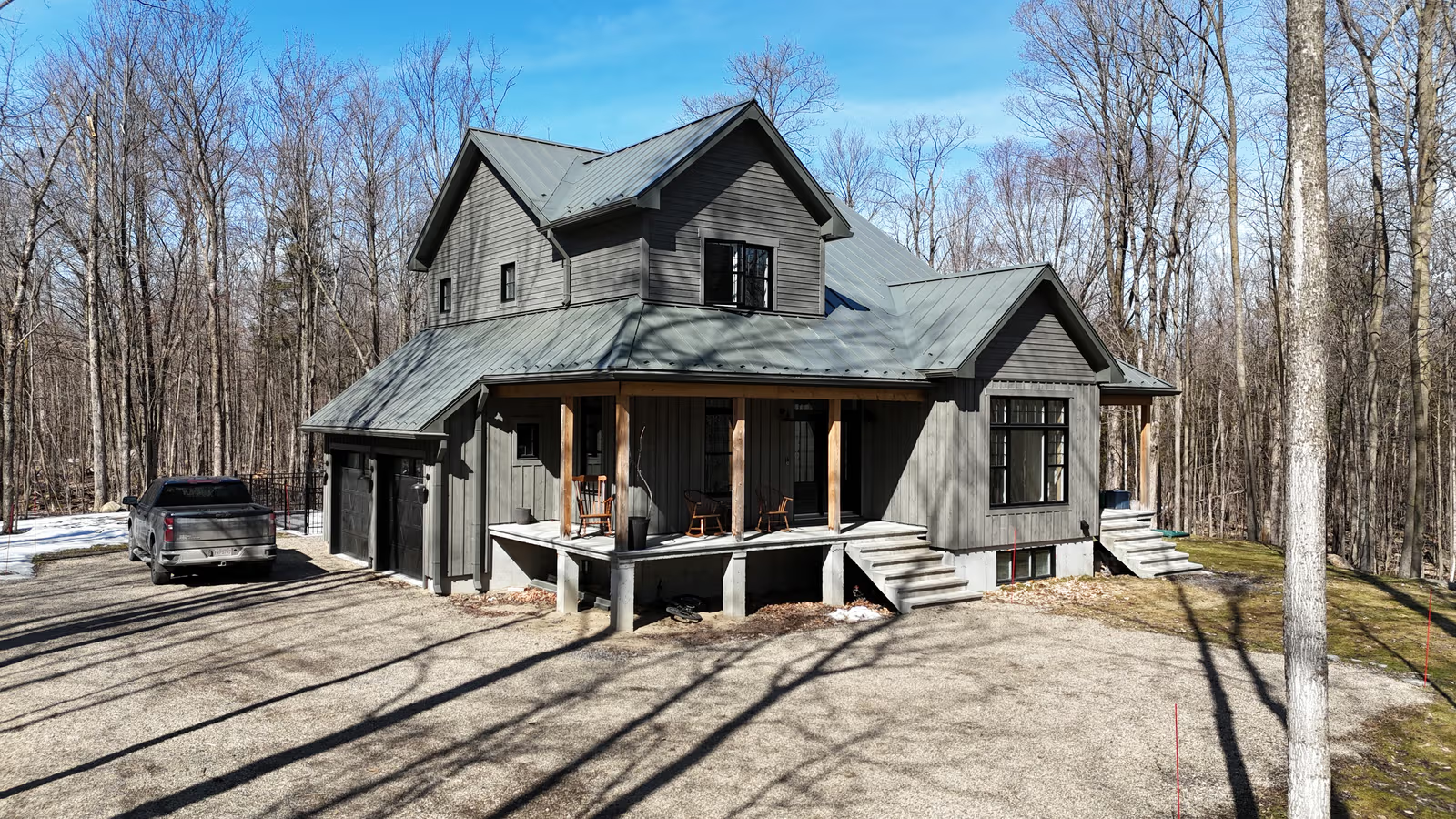
Across Canada, roofing requirements vary by province, municipality, roof system, and building type. Contractors must comply with applicable building codes, local bylaws, safety regulations, and manufacturer installation instructions.
Here are a few technical points to verify before starting your project:
Minimum slope: Several metal roofing systems, especially certain standing seam systems, require a minimum slope of around 2:12. However, this is not universal. Always check the manufacturer’s requirements and the waterproofing details required for the specific product.
Self-adhesive underlayment: A waterproofing membrane, often a high-temperature membrane, is generally required or strongly recommended at eaves, valleys, and vulnerable areas, depending on the system installed and the manufacturer’s requirements.
Snow guards: Depending on the municipality and building configuration, snow guards may be required or strongly recommended, especially when a sloped metal roof could allow snow or ice to fall toward an entrance, sidewalk, driveway, street, or pedestrian area.
Before signing a contract, verify the contractor’s qualifications, licence requirements in your province, insurance coverage, and experience with the type of metal roofing system you want installed.
How to Get the Best Price for Your Project
Investing in a metal roof in 2026 can be a strategic decision to protect your property over the long term. To get the best value, avoid choosing the first contractor you contact. The key is comparison.
Ask for at least three detailed quotes. Make sure each quote includes the type of metal, gauge, paint or finish system, such as a PVDF finish like Kynar 500, debris management, underlayment, snow guards if needed, and labour warranties. A professional roofer should also be able to provide proof of liability insurance and any licence or certification required in your province.
To streamline the process, use matching services such as RenoQuotes to find qualified contractors in your region who meet the licensing or certification requirements applicable in your province.
Looking for something else?
Related articles
The latest industry news, interviews, technologies, and resources.

Karine Dutemple
•16 Jun 2026
Summer is just around the corner, and for many homeowners, that means it’s time to start planning a backyard reno. If you’ve been searching for patio inspiration for several years, this could be the year your dream outdoor space finally comes together.
Editorial Team
•08 Nov 2023
Much more spacious than the shed, the garage is a privileged place to store an impressive quantity of goods, while ensuring your family vehicle safe storage.
Editorial Team
•08 Oct 2025
Is your work experience deemed non-construction, yet are hoping to leverage your know-how, log hours in your apprentice record book, and break into the industry? Come along as we take a deep dive into this subject matter, detailing how best to shoot your shot while showcasing your relevant work experience.
Cynthia Pigeon
•29 Sep 2026
How much does a turnkey basement renovation cost in Montréal in 2026? Depending on the level of finishing, expect to pay $60 to $ 125+ per square foot. For a 1,000-square-foot basement, a complete renovation with standard finishes can cost between $65,000 and $95,000. Explore renovation costs based on square footage, the work involved, and the unique characteristics of Montreal homes and multiplexes.
Editorial Team
•08 Nov 2023
Converting your roof to capture the power of the sun’s energy can benefit your home and wallet depending on how you go about it. Over the years, solar panels have become the go-to option for producing renewable energy.