Why Modern Homes Still Flood in Canada: The Gap Between Design and Drainage Reality
By Collaboration
Updated on July 9, 2026
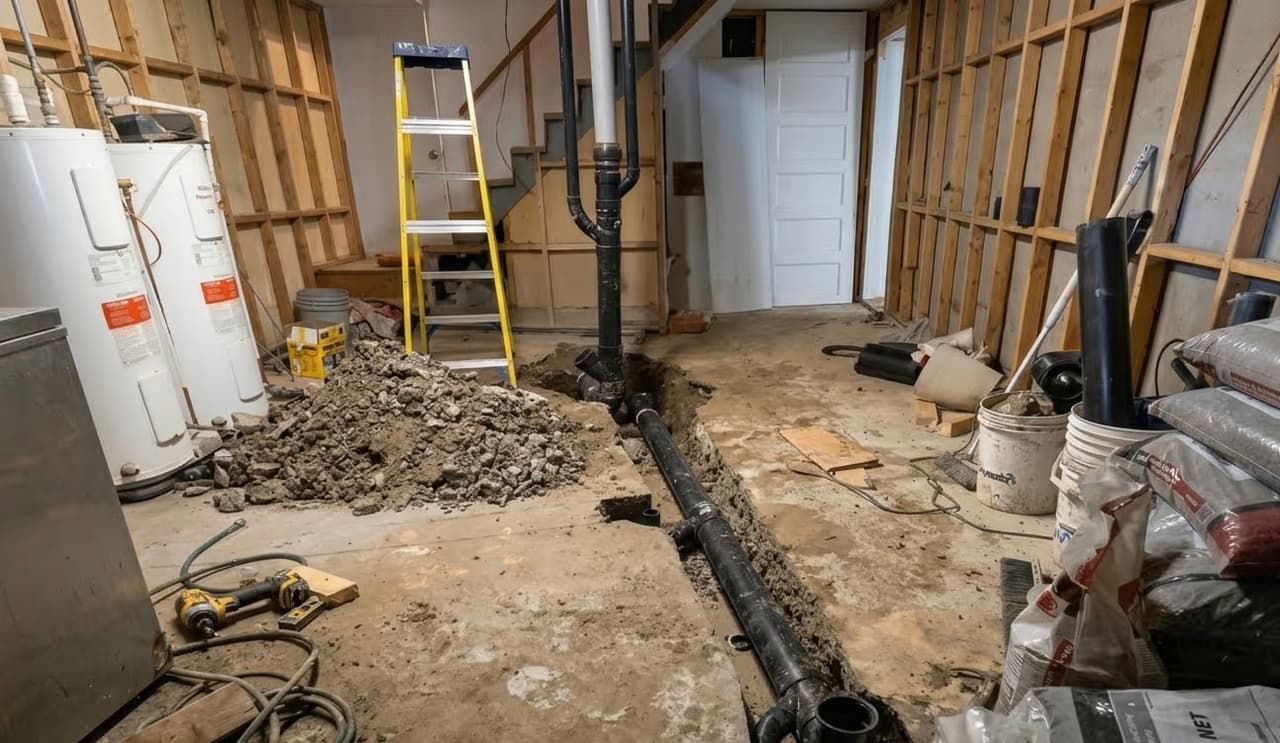
When people think of modern homes in Canada, they often imagine better construction, improved materials, and fewer maintenance headaches. Newer homes are built with updated codes, stronger materials, and more advanced plumbing systems. So it can feel surprising when flooding, especially in basements still happens.
The reality is that even newer homes are not immune to water problems. In many cases, the issue is not poor construction, but a disconnect between how homes are designed and how water behaves in real-life conditions.
The Reality of Water in Canadian Homes
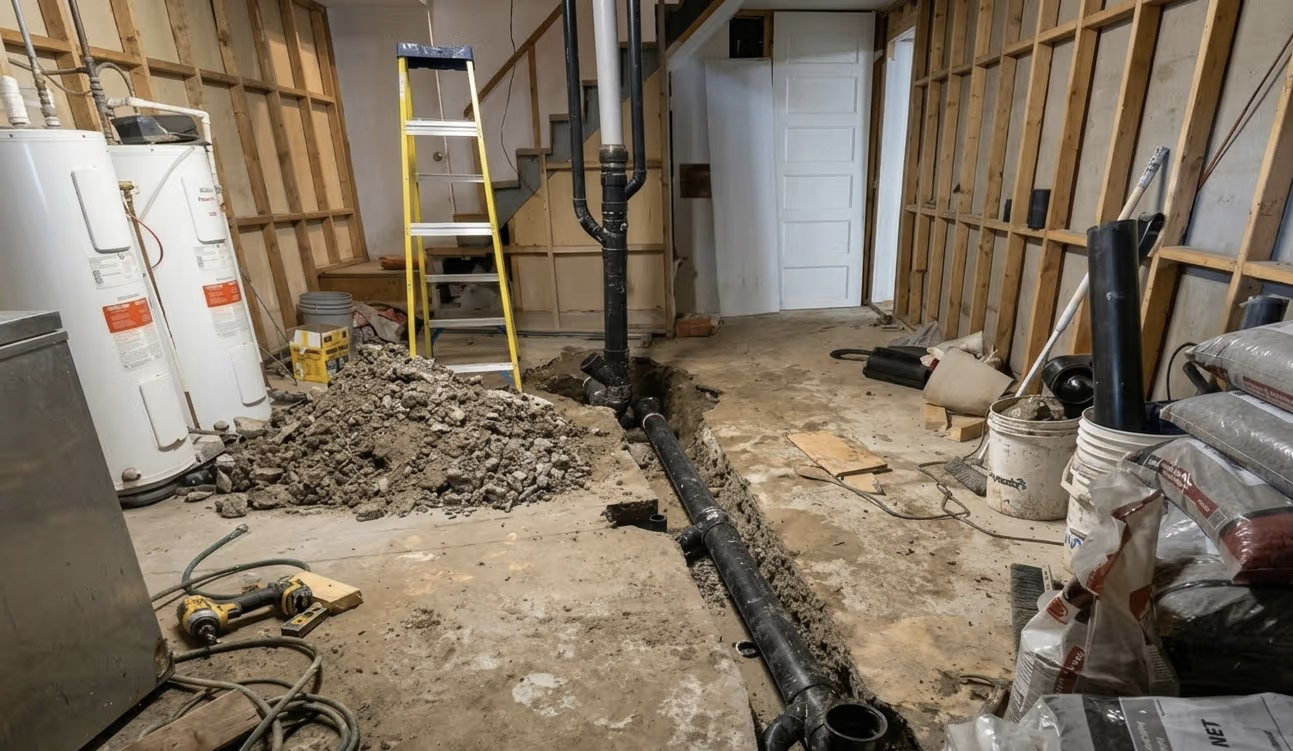
Source : Bougie Rénovation inc
Canada’s climate plays a huge role in how water interacts with residential properties. Heavy rainfall, rapid snow melt, and repeated freeze-thaw cycles create constant pressure on a home’s drainage system. These conditions can shift quickly, often faster than systems are designed to handle.
Building codes have improved over time, but they are often based on minimum standards. They don’t always account for extreme weather or long-term environmental changes. Water, however, doesn’t follow codes or plans, it follows gravity and finds the easiest path. When that path leads toward your home, problems can begin.
Design Often Prioritizes Looks Over Function
Modern homes are designed to look appealing and maximize living space. Finished basements, open layouts, and clean exterior landscaping are all popular features. However, these design choices sometimes overlook how water will move around and beneath the property.
A basement may be transformed into a comfortable living space without fully addressing long-term moisture exposure. Landscaping can be visually attractive, but it can also unintentionally direct water toward the foundation. Hard surfaces like patios and driveways may prevent proper absorption, causing water to collect where it shouldn’t.
These choices are not necessarily wrong, but they require careful planning. Without proper drainage considerations, even well-designed homes can face water issues.
Urban Growth Is Changing How Water Moves
As cities expand, natural drainage is often replaced by concrete, asphalt, and other hard surfaces. This limits the ground’s ability to absorb water, increasing the amount of runoff that needs to be managed.
In many neighbourhoods, stormwater systems are under pressure. Older infrastructure may not be able to keep up with increased demand, while newer developments sometimes rely on systems designed for ideal conditions rather than extreme ones.
This combination can lead to water pooling near homes, increased strain on drainage systems, and a higher likelihood of sewer backups during heavy rain.
Renovations Can Create Hidden Risks
Home renovations are another factor that can contribute to flooding risks. Many homeowners focus on improving the appearance and functionality of their space, but don’t always assess the underlying systems first.
A finished basement may look great, but if existing moisture issues are not addressed beforehand, the risk of damage increases. Adding new plumbing fixtures without evaluating drainage capacity can create additional strain on the system. In some cases, sealing surfaces or upgrading interiors can trap moisture instead of preventing it.
These changes may seem harmless at first, but over time, they can contribute to bigger problems if the foundation and drainage systems are not properly considered.
Infrastructure Isn’t Always as New as the Home
Even when a home is newly built, the infrastructure connected to it may not be. Municipal sewer systems, storm drains, and surrounding networks can be decades old. These systems often struggle to handle the demands of growing communities.
When infrastructure becomes overwhelmed, homeowners may notice slower drainage, recurring backups, or unexpected flooding during storms. The home itself may be modern, but the systems supporting it can still create vulnerabilities.
Changing Weather Patterns Add More Pressure
Weather patterns across Canada are becoming less predictable, with more intense rainfall events occurring in shorter periods of time. This puts additional pressure on drainage systems that were not originally designed for such conditions.
Heavy downpours can quickly overwhelm weeping tiles, sump systems, and municipal sewers. Water can accumulate faster than it can be redirected, increasing the chances of it entering the home.
Even properties that have never experienced flooding before may begin to face issues as conditions change.
Why Drainage Planning Matters More Than Ever
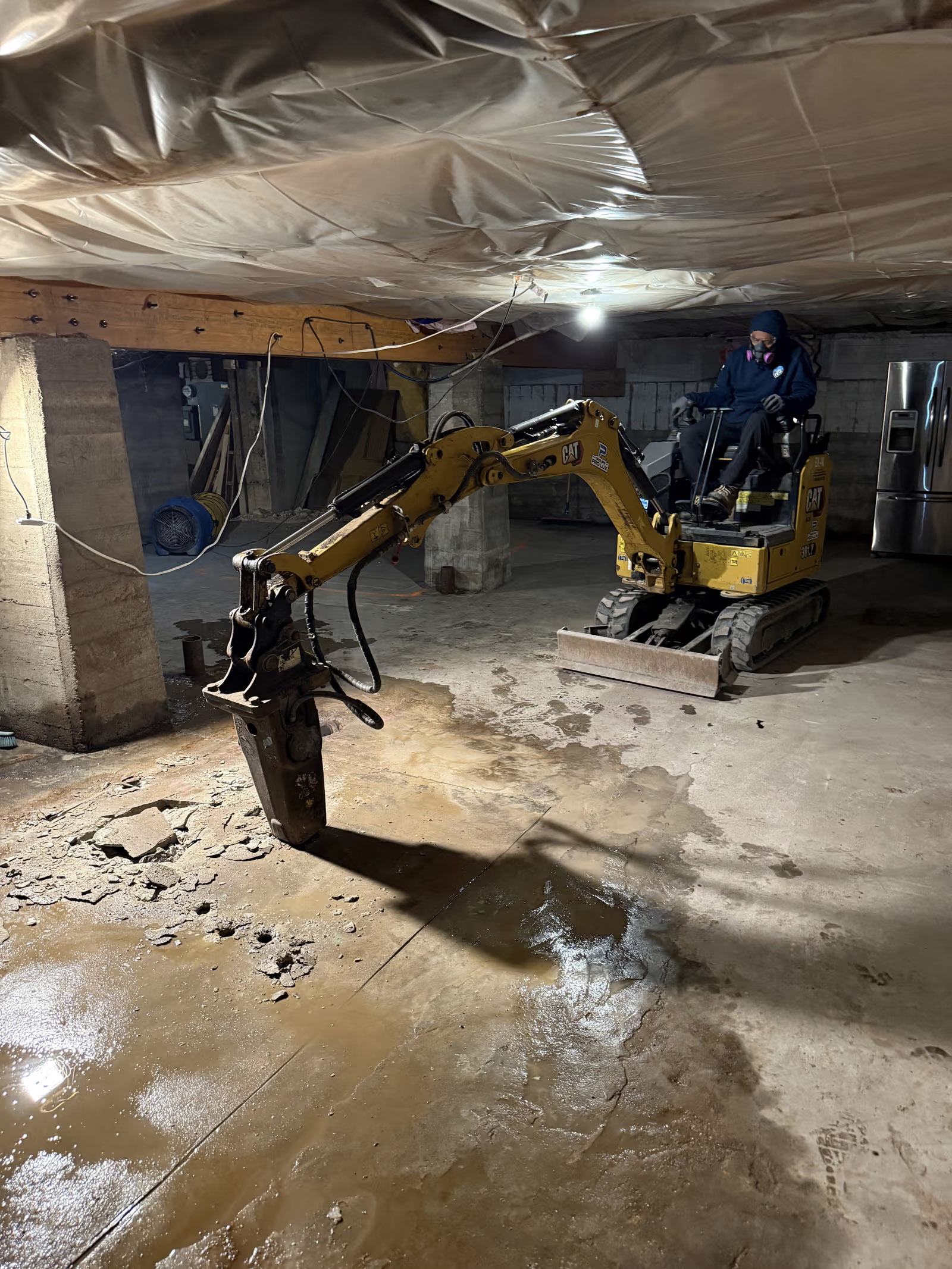
Source : 9523 6618 Quebec In (Groupe Pro Lux)
The key to reducing flooding risk lies in understanding how water interacts with your home over time. It’s not just about construction it’s about how all the systems work together under real conditions.
Effective drainage planning involves ensuring that water is directed away from the foundation, maintaining proper grading, and making sure drainage systems are functioning as intended. It also means evaluating the condition of sewer lines and ensuring that protective measures like sump pumps are in place when needed.
Many homeowners only think about these elements after a problem occurs, but addressing them early can prevent significant damage later on.
The Value of the Right Expertise
Water management is complex, and not all issues are visible on the surface. Understanding how different systems interact requires experience and a detailed approach. Working with experienced Canadian drainage and plumbing experts can help homeowners identify potential risks before they become serious problems. These professionals understand how water behaves in different environments and can recommend solutions that are both practical and long-lasting.
Closing the Gap Between Design and Reality
Modern homes in Canada offer many advantages, but they are not automatically protected from flooding. The gap between design and drainage reality exists because water doesn’t behave predictably, and not all risks are accounted for during construction or renovation.
By taking a more complete approach to drainage and water management, homeowners can better protect their properties and avoid costly damage. Flooding is not just an issue for older homes, it’s a reminder that even modern construction needs to be supported by thoughtful planning and ongoing care.
Looking for something else?
Related articles
The latest industry news, interviews, technologies, and resources.

Léa Plourde-Archer
•17 Apr 2024
Being able to enjoy a cozy basement free of cold floors is probably something you have been dreaming of. If not, should you happen to have an unfinished basement, the possibility of converting this area into a livable space is probably at the forefront of your mind.

Collaboration
•12 Feb 2026
You know that thing where you wake up and realize you've been clinging to about six inches of mattress while your partner's somehow claimed the remaining 90%? Or maybe it's 3 AM and they just rolled over—again—and now you're wide awake wondering if you'll ever get back to sleep. Fun times, right?

Amanda Harvey
•08 Nov 2023
When building a new home, air barriers are not always part of the equation. However, air barriers are crucial structures that assist in aiding with energy efficiency as well as maintaining a comfortable and cozy home environment.

Editorial Team
•22 May 2024
Breaking up a concrete slab does mandate a certain know-how. Here are the tools you can use, as well as those that might be a tad ambitious for your project.
Editorial Team
•08 Oct 2025
Is your work experience deemed non-construction, yet are hoping to leverage your know-how, log hours in your apprentice record book, and break into the industry? Come along as we take a deep dive into this subject matter, detailing how best to shoot your shot while showcasing your relevant work experience.