Montreal Renovation Permit: Where to Find the Official Rules and How to Apply
By Editorial Team
Updated on February 26, 2026
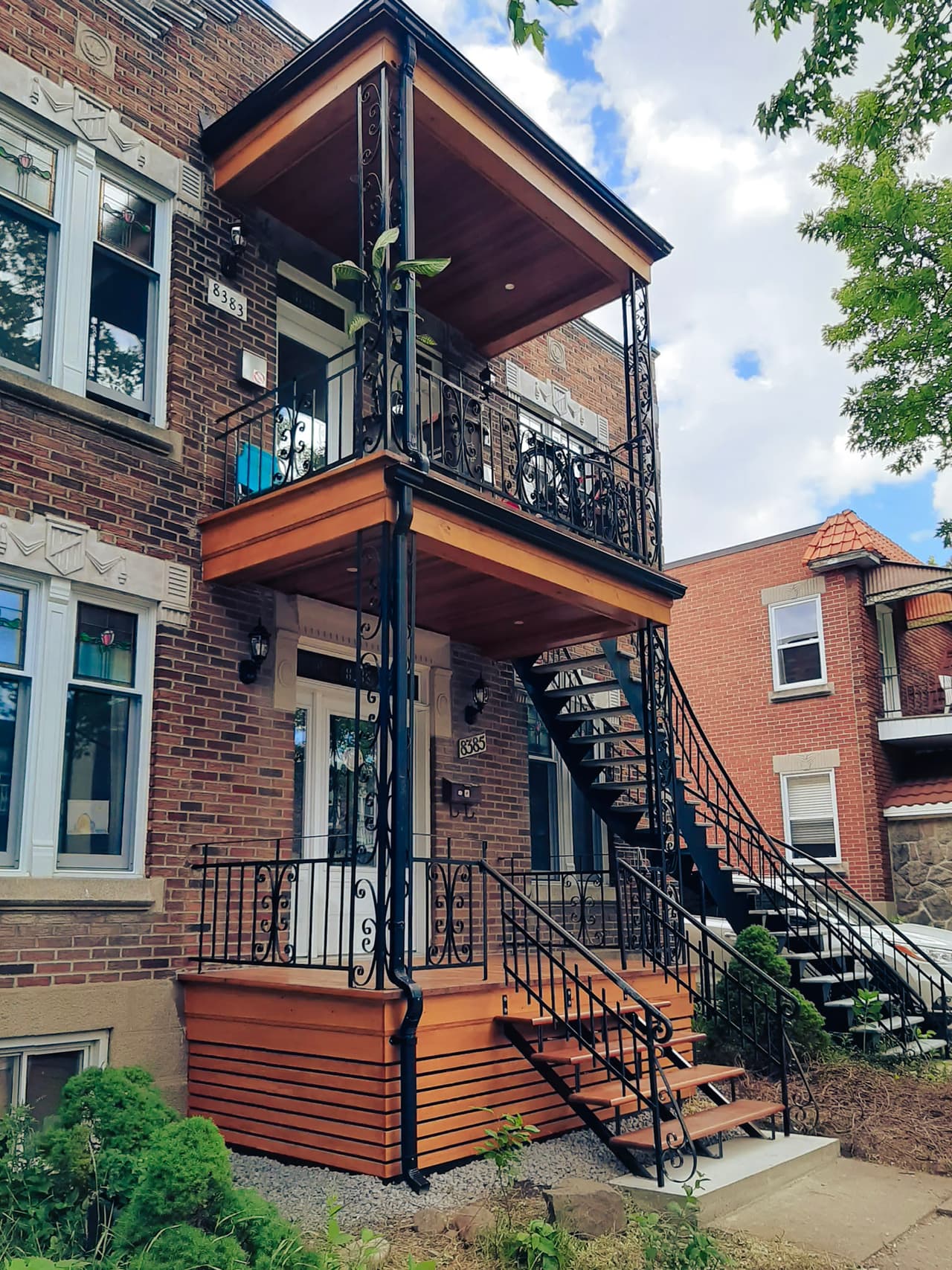
If you’re planning renovations in Montreal, the first step is confirming whether you need a permit (and which one), because requirements can change by borough and by the type of work. Before starting any project, it’s important to check the specific regulations that apply to your location and the nature of your renovations.
The resources below are official City of Montreal pages that help you (1) understand when a permit is required, including which types of projects are exempt or mandatory, (2) find detailed zoning/by-law rules relevant to your property and project, (3) know when heritage/PIIA (SPAIP in English) review applies, such as for buildings in historic districts or with special architectural value, and (4) submit your application the right way, ensuring you have all the necessary documents and information to avoid delays.
Before Searching
Location: Know your address and the district you are in.
Project in one sentence: What kind of project would you like to do? (e.g., bathroom renovation, extension, etc.)
Type of building: Bungalow, condominium, single-family house, etc.
Get Your Project Started Today
Submit your details and receive three free quotes from trusted contractors.
Where Can You Find Information in Montreal?

Source: Reno Quotes
1. Permits / Authorizations
To type on the site:
“renovate the interior of a building”
“renovation permit”
“permit counter”
“apply for a permit renovations”
“minor renovations permit not required”
“permit fees”
What we want to find:
Start with the City’s official renovation-permit guidance for interior work, because it clearly explains what does and does not require a permit (e.g., purely aesthetic work vs. structural/space changes), and it also points you to how to apply online or through your borough permit counter.
Helpful official pages:
2. Urban Planning / Zoning
To type on the site:
“zoning”
“urban planning permits and certificates”
“search for by-laws”
“minor exemption”
“borough zoning by-law”
“planning by-laws”
What we want to find:
Use the City’s official zoning and by-law tools to confirm what’s allowed on your property and what standards apply. The City specifically notes that if you plan to construct, renovate, or demolish, you should contact your borough permit counter to learn the requirements before starting work.
Helpful official pages:
3. Exterior / Heritage / SPAIP
To type on the site:
“SPAIP” or “Site Planning and Architectural Integration Program”
“heritage area”
“architectural integration”
“exterior modification”
“permit + heritage”
What we want to find:
If your building/lot has heritage value, is in a heritage area, or the project triggers additional qualitative criteria, you may need SPAIP approval before your renovation permit can be issued. This can add extra fees and longer review times (the City indicates about 2–4 months for SPAIP processing once a complete application is submitted).
Helpful official page:
4. Provincial Guidelines (RBQ, Standards) — Via Official Montreal Pages
To type on the site:
“plumbing and electricity”
“RBQ”
“construction and conversion of buildings”
“Building Act”
“sealed plans engineer”
“provincial legislation”
What we want to find:
The City clarifies that it does not issue permits for certain work types (including plumbing, electricity, and electric/gas heating), but you still must comply with provincial legislation (the City explicitly mentions contacting the RBQ for questions). You should also use the City’s permit-document guidance to understand what you may need to submit (certificate of location, data sheets, plans, proxy/authorizations, etc.).
Helpful official page:
Quick References

Source: Reno Quotes
Work requiring a permit (examples): Build, expand, remodel, demolish; structural work; modification of openings; excavation; water/sewer connections; often subject to borough regulations.
Work often exempt (check case by case): Interior painting, non-structural finishes; minor maintenance work outside a SPAIP; but be mindful of heritage districts.
Typical required documents: Signed form; site plan prepared by a land surveyor; architect/engineer plans if structural work is involved; certificate of location; photos; specifications.
When sealed plans are required: Structure (beams/walls), foundations, additions; specific requirements depending on the borough.
Indicative fees: Varies depending on the borough and the nature of the project (flat fee + $/per $1,000 of work).
Indicative timelines: Varies by borough and timing; allow several weeks for major projects.
Submission/Portal: montreal.ca (procedures by type of work)
Notes: Refer to the borough’s specific pages; open data available for issued permits.
Types of Renovation Projects That May Require Permits in Montreal
Source: Reno Quotes
Residential renovations:
Interior remodeling (removing/adding walls, converting rooms, changing layouts)
Exterior modifications (balconies, porches, decks, doors, windows, siding, roofing)
Additions (expanding the footprint, building garages, sheds, or outbuildings)
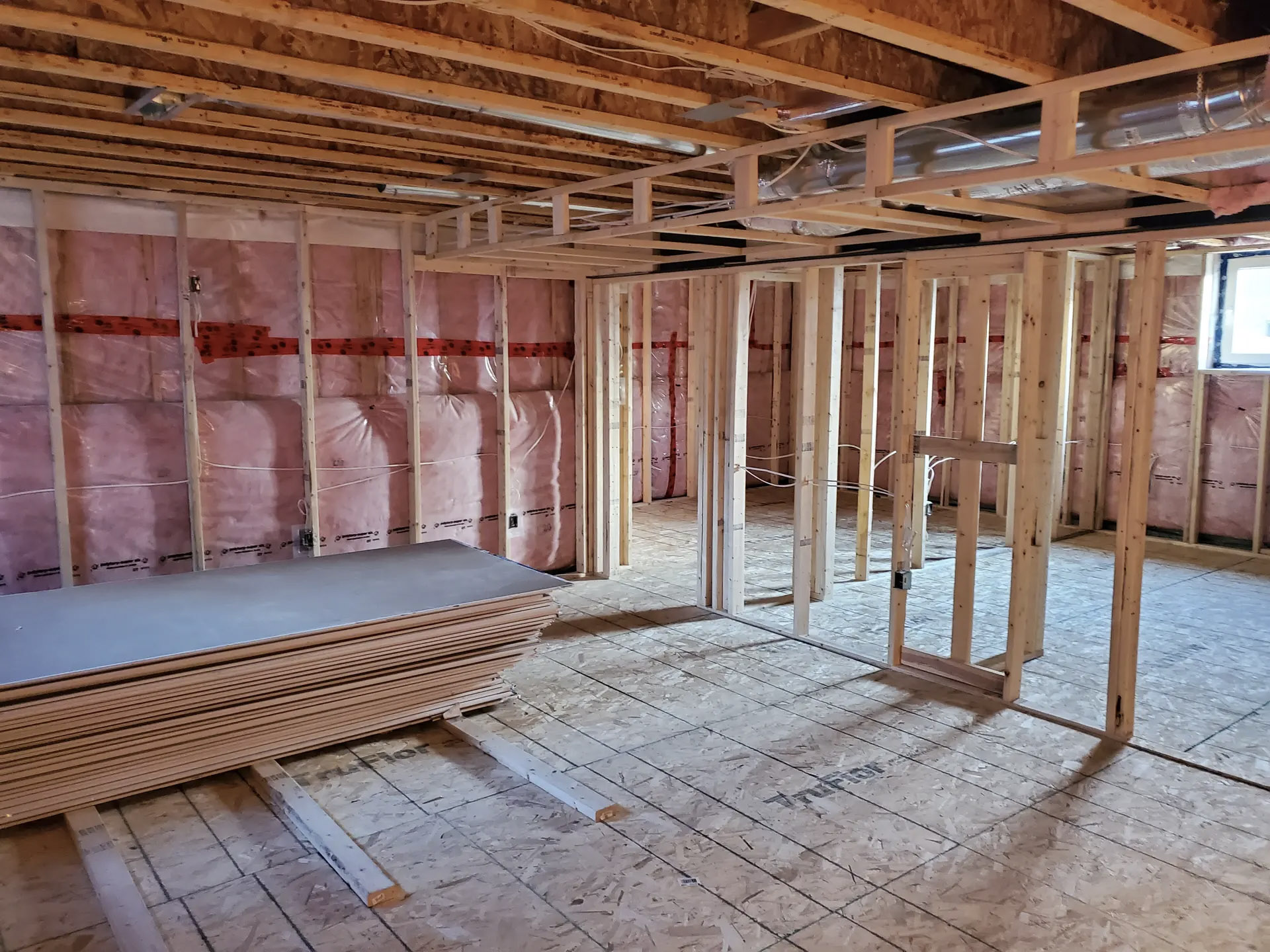
Basement finishing or conversions
Pool or spa installation
Demolition of structures (full or partial)
Modifications impacting structure (beams, foundations, load-bearing elements)
Heritage building renovations:
Any work on properties in heritage zones or with heritage status
Modifications requiring SPAIP review (architectural integration, façade changes)
Restoration or preservation of historic elements
Exterior and interior changes impacting character-defining features
Special categories:
Excavation work (affecting water/sewer connections)
Installation or replacement of solid fuel-burning appliances (e.g., fireplaces, stoves)
Conversion projects (e.g., duplex to single-family, or rental to divided co-ownership—may require exemptions)
FAQ
Where can I find official info for a Montreal renovation permit?
Use the City’s official permit guidance first, then confirm with your borough’s permit counter:
Do the rules change by sector/borough?
Yes. Requirements vary by borough, type of work, type of building, and use; for exterior work, heritage status / SPAIP can change documents, fees, and timelines.
What documents are generally required?
Often: certificate of location, building record, plans drawn to scale (professional quality), and an estimate/quote (taxes included). Depending on the type of work, you may also need façade photos, spec sheets (materials/appliances), or sealed plans.
When are sealed plans required?
When the structure is affected, the City may require structural plans signed/sealed by an engineer (when required). In some cases, plans signed/sealed by an architect may also be requested.
Can I apply online and what timelines should I expect?
Yes, many applications can be submitted online. After submission, the person responsible may contact you within a maximum of 14 days; after that, timelines vary by complexity/season, and some files (or SPAIP sectors) may add steps.
When is it necessary or recommended to call upon a professional for a renovation project in Montreal?
It’s necessary or strongly recommended to call a professional in Montreal when your project involves structural changes (e.g., modifying load-bearing walls, beams, foundations—often requiring plans sealed by an engineer), when it’s subject to SPAIP or heritage review (façade/exterior changes can trigger additional design requirements), or when the permit application requires technical plans and documents that must be precise to avoid delays.
Why is project planning and preparation important before starting a renovation in Montreal?
Thorough project planning and preparation help you define your budget, set realistic timelines, and select appropriate materials, reducing the risk of costly surprises and delays once work begins.
What should I include in my renovation project plan?
Your plan should outline your renovation goals, estimated costs, a timeline for each phase, and a list of materials to be used. This ensures you stay on track and make informed decisions throughout your project.
How can hiring professionals help with the Montreal renovation permit process?
Engaging qualified professionals ensures your renovation plans comply with municipal and building code requirements, streamlines the permit application process, and helps avoid costly mistakes or delays. Their expertise in preparing technical documents and understanding local regulations can make your permit approval smoother and more efficient.
What level of detail is required in renovation permit plans and documentation?
Permit plans typically need to be drawn to scale and clearly show the existing and proposed conditions of the property. Documentation should include site plans, floor plans, elevations, and, when applicable, technical specifications. The City may also require supporting documents such as as-built plans or a certificate of location to ensure accuracy.
Looking for something else?
Related articles
The latest industry news, interviews, technologies, and resources.

Editorial Team
•08 Nov 2023
Have you always wanted to have a peaceful area outside and simultaneously benefit from your rooftop space? Wondering what are the rules, how to proceed, and how much it'll cost? RenoQuotes.com will point you in the right direction to help you make this project a reality!

Amanda Harvey
•08 Nov 2023
The entrance to the driveway of your home sets the first impression for guests and travellers alike. Having a handsome gate not only serves as an attractive entryway into your property, but it can also be aesthetically pleasing, greatly adding to the curb appeal of your property. Aside from the way it looks, the function of your gate is very important.
Editorial Team
•03 Nov 2025
Water is essential to the wellbeing of humans, but as we know, this natural element can be both a blessing and a curse. Flooding is common in regions with high rainfall levels and proximity to large bodies of water.
Cynthia Pigeon
•08 Nov 2023
When a kitchen is too small to meet a household's needs, it quickly becomes a nuisance. And, since most people spend several hours a day in their kitchen, the lack of space is definitely felt on a daily basis. Therefore, a bigger kitchen is a recurring item on many homeowners' wish lists.

Editorial Team
•25 Jul 2025
[00:00:10.670] - Frédérique