Self-Building a Home in Canada: Laws, Permits & Regulations
By Cynthia Pigeon
Updated on October 31, 2026
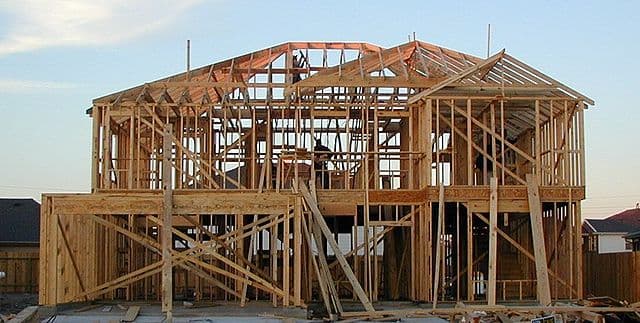
Building your own home requires extensive planning, but ensuring your project complies with applicable laws and regulations is just as important. Failing to meet these requirements can lead to serious complications down the road. So, what legal obligations must you follow when taking on a self-build project in Canada?
Self-Building a Home: How to Comply with Applicable Laws
Obtaining a Building Permit
One of the first steps in your project is applying for a building permit from your municipality. To get a permit, you will need to prove that your project is feasible by submitting several documents. These typically include a site plan showing where the house will be located on the property, along with copies of the construction drawings/blueprints and specifications.
The site plan may need to be prepared by a licensed land surveyor. This document helps establish whether the proposed home's dimensions and placement comply with local zoning regulations, including setbacks and lot coverage requirements.
Depending on the property, you may also need water quality testing, a soil assessment, or a geotechnical study. Keep several copies of these documents, as your financial institution will likely request them when reviewing your construction financing application.
If you choose not to hire an architect to prepare your home's plans, you may be able to work with an architectural technologist or building designer, depending on provincial requirements and the project's complexity. The priority is obtaining professional guidance to ensure the plans meet applicable building codes and include the necessary construction specifications and materials. Your project must also comply with municipal water supply and wastewater regulations.
Self-Building Regulations Across Canada

Building your own home does not necessarily mean completing every stage of construction yourself. You may need to hire professionals for specialized work or rely on family members and friends who volunteer to help with certain tasks.
Outside Quebec, self-build projects are governed by provincial building legislation, municipal bylaws, occupational health and safety requirements, and applicable contractor licensing rules. Requirements vary depending on the province, municipality, type of work, and whether you hire workers or contractors.
For example, homeowners undertaking self-build projects in major Canadian cities must consider the following requirements:
Toronto: Projects must comply with the Ontario Building Code and City of Toronto permit requirements. Electrical work is subject to Electrical Safety Authority (ESA) rules, and certain trades require appropriately licensed professionals.
Vancouver: Construction must comply with the Vancouver Building By-law and municipal permitting requirements. Provincial licensing and owner-builder requirements may also apply through BC Housing.
Calgary: Self-build projects must comply with Alberta's applicable building codes and City of Calgary permit requirements. Homeowners may require additional permits for electrical, plumbing, gas, and other regulated work.
Edmonton: Construction is subject to Alberta's building and safety codes, municipal permits, and applicable requirements for homeowner-performed work.
Ottawa: Homeowners must comply with the Ontario Building Code, municipal zoning regulations, and applicable trade licensing and inspection requirements.
If you hire workers directly rather than contracting with an established construction company, you may assume additional responsibilities as an employer. These can include payroll deductions, workers' compensation coverage, workplace safety obligations, and compliance with provincial employment standards.
Before hiring anyone, verify that the contractor or tradesperson holds the appropriate licences, certifications, and insurance for the work being performed. Ask for references and review previous projects to assess the quality of their work.
Depending on your province and employment arrangements, you may also need to register with the relevant workers' compensation authority, such as Ontario's Workplace Safety and Insurance Board (WSIB), WorkSafeBC, or Alberta's Workers' Compensation Board (WCB).
Self-Building a Home in Quebec Under the Supervision of the CCQ
In Quebec, the Commission de la construction du Québec (CCQ) oversees construction work on your property. If you hire workers to complete the necessary construction tasks, you will be subject to the Act respecting labour relations, vocational training and workforce management in the construction industry (Act R-20). You may also need to obtain a licence from the Régie du bâtiment du Québec (RBQ) to comply with the applicable legislation administered by the CCQ.
Act R-20 establishes specific requirements regarding who is authorized to perform construction work. If you hire workers directly, you may also need to register as an employer with the CCQ and pay the applicable registration fees. Working conditions on your construction site must comply with the collective agreement governing the residential construction sector.
When hiring your construction team, you must verify that each worker holds the appropriate competency certificates issued by the CCQ. You should also request references to assess the quality of their previous work and determine whether former clients were satisfied with the results.
As outlined by the RBQ, employers subject to CCQ requirements must submit monthly reports detailing hours worked and wages paid, along with the required contributions to employee benefit plans. Any contractor hired to complete part of your project should also comply with the applicable requirements of the Commission des normes, de l'équité, de la santé et de la sécurité du travail (CNESST).
Volunteer Work on a Self-Build Project
If family members or friends help with your project, you must verify whether provincial regulations permit them to perform the proposed work. Some activities may be allowed without professional certification, while others must be completed by qualified tradespeople.
Unpaid assistance does not automatically exempt a project from building codes, licensing requirements, or occupational health and safety regulations. The rules may also depend on whether volunteers are considered workers under applicable provincial legislation.
Remember that, as the property owner or person overseeing construction, you may have legal responsibilities for maintaining a safe worksite. These responsibilities can apply even when individuals are helping without compensation.
Self-Building While Working with Professionals
Certain construction activities require licensed or otherwise authorized professionals, depending on the province. Electrical and gas installations are particularly regulated, and homeowners must follow the applicable permit, qualification, and inspection requirements. Some provinces permit homeowners to perform specific electrical work on their own residences under strict conditions.
Foundation work and structural framing must also comply with building codes and any applicable engineering, inspection, and licensing requirements. Although homeowners may be permitted to complete some of this work themselves, complex structural activities should be assessed by qualified professionals to ensure the building's safety and integrity.
Key Facts to Remember
Obtaining a Building Permit
Apply for a building permit through your municipality.
Obtain a site plan prepared by a licensed land surveyor when required, along with construction drawings and specifications.
Water quality testing or a soil assessment may be necessary.
Keep several copies of all required documents.
Depending on provincial regulations, you can hire an architect, architectural technologist, or qualified building designer to prepare your plans.
Legal and Regulatory Obligations
Self-build projects are governed by provincial legislation and municipal building regulations.
You must comply with applicable building codes, zoning bylaws, and permit requirements.
Additional licensing or authorization may be required, particularly for owner-builders in British Columbia.
Workplace safety and employment regulations may apply if you hire workers directly.
Verify that contractors and tradespeople hold the necessary licences and certifications.
Register with the appropriate workers' compensation authority when required.
Getting Help From Family and Friends
Verify whether provincial regulations allow family members or friends to perform specific construction tasks.
Unpaid volunteer work may still be subject to licensing and safety requirements.
You may be legally responsible for maintaining a safe worksite for everyone involved in the project.
Hiring Qualified Professionals
Hire appropriately licensed professionals for regulated electrical, gas, and other specialized installations, unless homeowner-performed work is expressly permitted.
Ensure foundation and structural framing work complies with applicable building codes and engineering requirements.
Would you like more information? Here are some useful articles:
Looking for something else?
Related articles
The latest industry news, interviews, technologies, and resources.
Editorial Team
•08 Nov 2023
Infestation and the subsequent damage cannot only take you by surprise but also make your home nearly unlivable. If unseen and left to fester, the damage can easily spread and affect the structural integrity of your home. That is why it’s so important to stay on top of any infestation or damage and act as soon as you can.
Collaboration
•11 Feb 2026
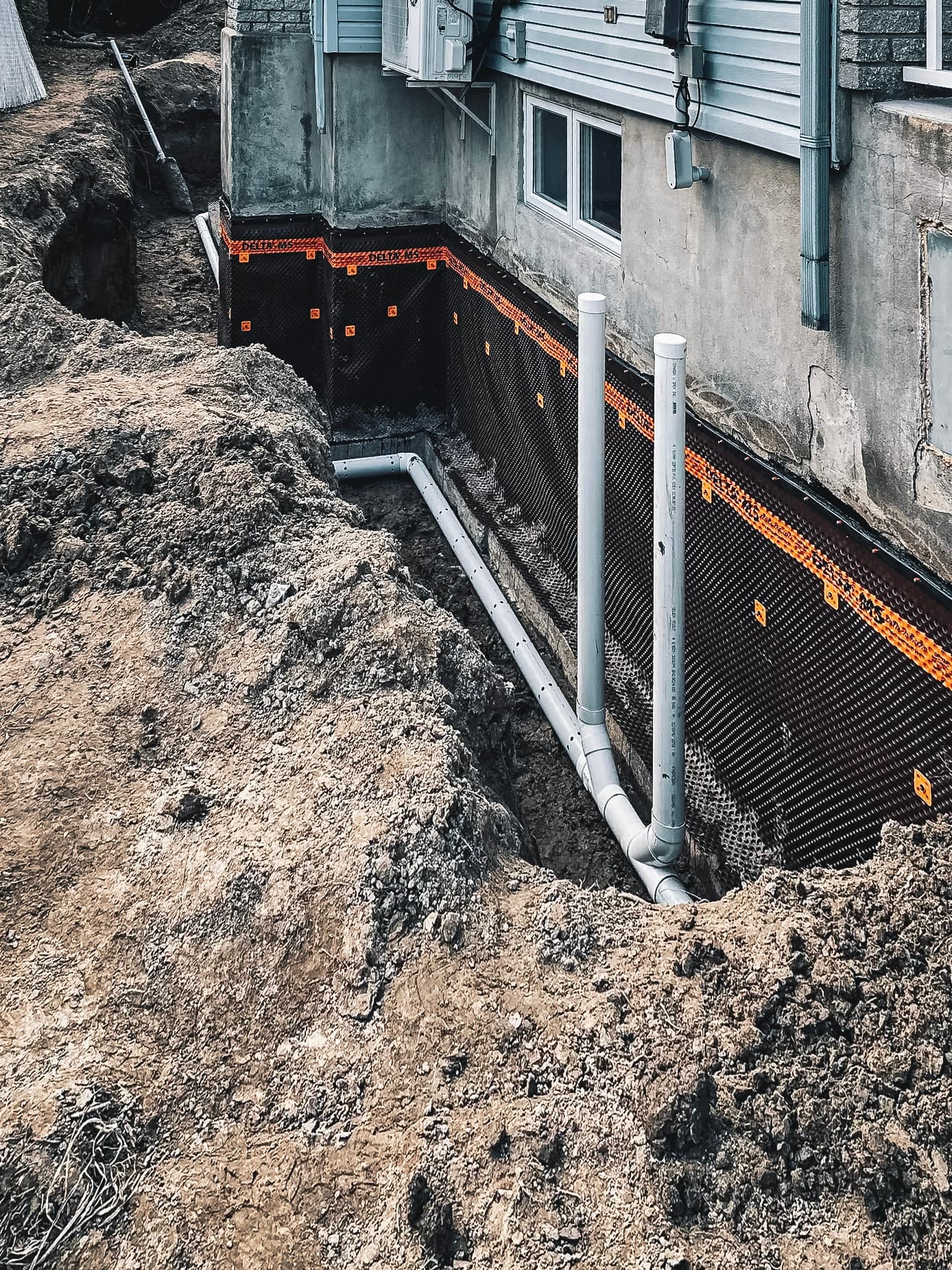
Modern civil engineering requires the precise redirection of liquid volumes to maintain the structural integrity of developed land. When construction projects replace permeable soil with non-porous surfaces like asphalt or concrete, the earth's natural capacity for moisture absorption is eliminated. This transformation forces precipitation to accumulate into a high-velocity lateral surge that gains kinetic energy as it follows the site's grading.
Cynthia Pigeon
•15 May 2026
In Canada, where winters can be harsh and seasonal temperature swings are significant, proper attic insulation is essential for improving comfort and reducing heat loss. Among the most common insulation materials, cellulose and spray foam, also known as sprayed polyurethane foam, stand out for their performance, cost, and long-term value.

Editorial Team
•08 Nov 2023
A garage ceiling can be insulated using several types of insulation materials. If you’re having a hard time wrapping your head around which ones, rest assured, you’ve come to the right place. In this article, we compared 14 different materials based on their thermal characteristics.
Editorial Team
•08 Nov 2023
Are you dreaming of living in a tiny house, but have a few reservations due to the constraints of designing such a limited interior space? Although you really need to use your imagination when living in a house when a modest layout, you can still make it just as practical as it is cozy! Here are a few examples you’ll surely like!