Technical Principles of Subsurface Fluid Management and Site Stability
By Collaboration
Updated on February 11, 2026
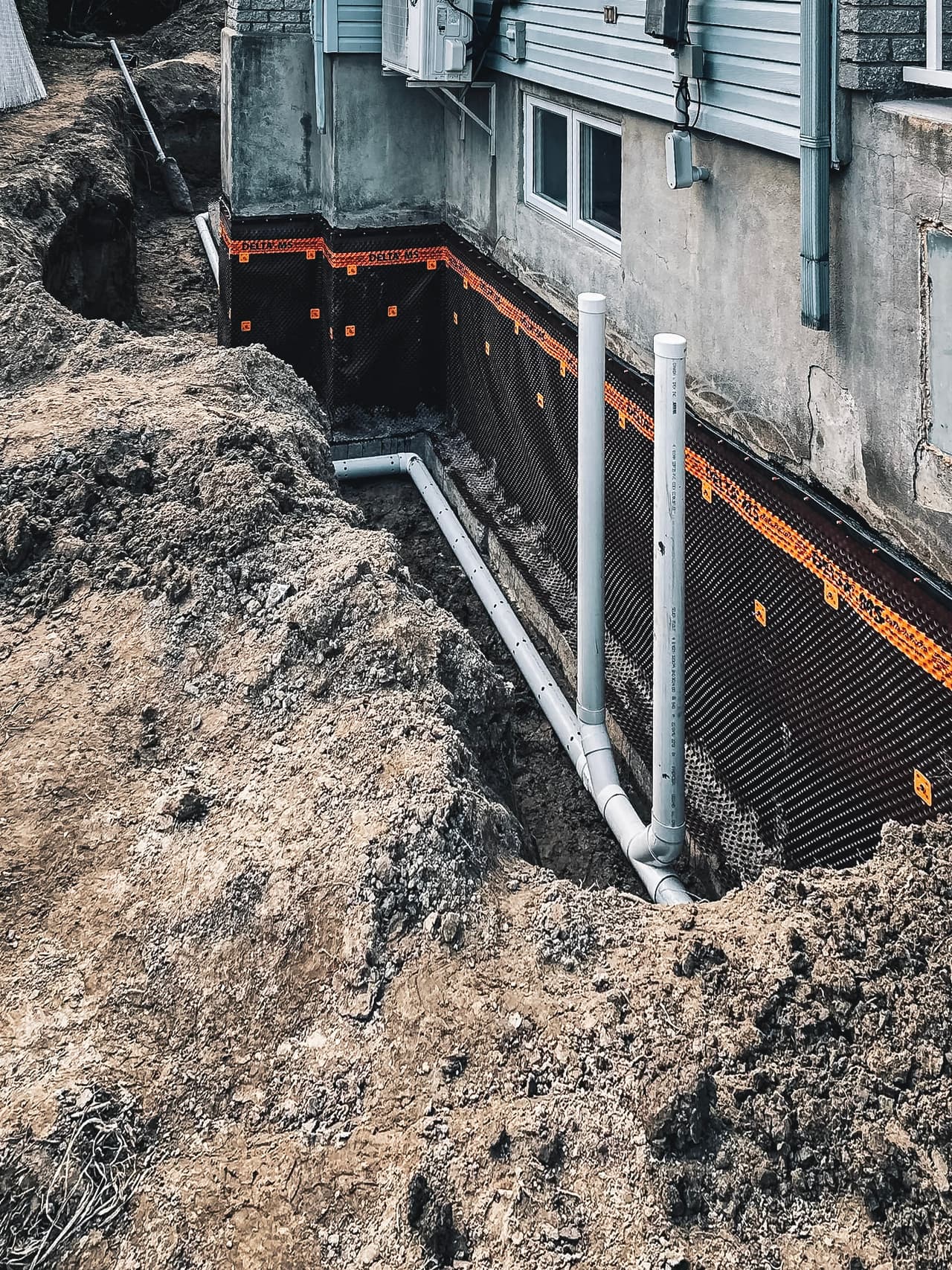
Modern civil engineering requires the precise redirection of liquid volumes to maintain the structural integrity of developed land. When construction projects replace permeable soil with non-porous surfaces like asphalt or concrete, the earth's natural capacity for moisture absorption is eliminated. This transformation forces precipitation to accumulate into a high-velocity lateral surge that gains kinetic energy as it follows the site's grading.
Get Your Project Started Today
Submit your details and receive three free quotes from trusted contractors.
Without a technical drainage strategy, this runoff generates mechanical friction that erodes topsoil and applies persistent physical stress to building perimeters. By utilizing a calculated hierarchy of collection points and buried conduits, engineers can prevent the soil saturation and hydrostatic pressure that lead to foundation failure.
Intake Mechanics and Sediment Filtration
Source: Construction Overload
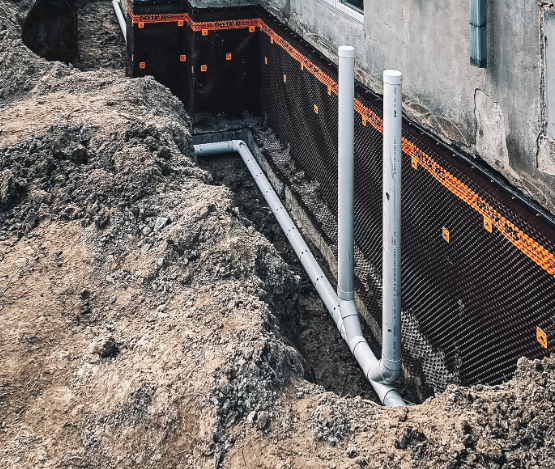
The primary objective of an effective drainage network is the transition of water from a horizontal surface plane into a vertical subsurface system. In areas characterized by localized depressions or predicted high-volume runoff, installing a catch basin allows for immediate collection and mechanical filtration. These units are engineered with a vertical chamber that disrupts the momentum of the incoming flow, allowing gravity to facilitate the separation of solids from the liquid stream. Heavier particulates, such as road grit, gravel, and organic matter, settle into a recessed sump area located below the outlet pipe. This process prevents the accumulation of silt within the lateral piping, ensuring that the internal hydraulic diameter remains constant and operational during peak rainfall events.
Mitigation of Hydrostatic Loads on Foundations
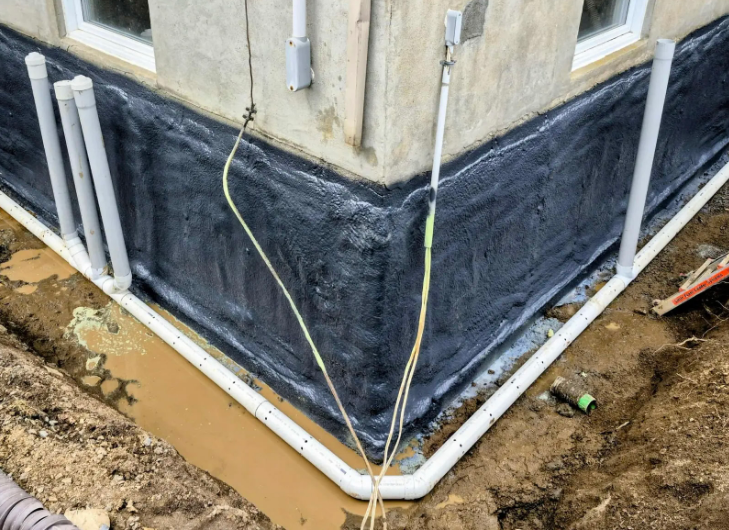
Unmanaged water accumulation generates significant hydrostatic pressure against subterranean walls and footings. When the soil surrounding a structure reaches its saturation point, the weight of the trapped water exerts a constant perpendicular force that drives moisture through the microscopic pores and construction joints of concrete. This process leads to the oxidation of internal reinforcement steel and the eventual loss of compression strength in masonry. A professional drainage layout addresses this by establishing a hydraulic gradient that pulls water away from the building envelope. By suppressing the local water table, the system prevents the soil expansion-contraction cycles that cause foundation cracking and surface heaving in climates subject to seasonal frost.
Fluid Dynamics and Pipe Gradient Physics
Source: Excavation Bermax Inc.
The movement of water through an underground network is dictated by the laws of fluid mechanics, specifically the relationship between pipe diameter, internal friction, and gravitational pitch. Engineers calculate the peak flow rate to ensure that pipes are sized to handle the anticipated volume without backing up. Maintaining a scouring velocity is a critical objective; this ensures that fine particles remain in suspension and are carried to the discharge zone rather than settling and hardening inside the line. If the pipe pitch is too shallow, water will stagnate, leading to the growth of anaerobic bacteria. Conversely, if the pitch is too steep, the flow may become turbulent, creating air pockets that disrupt the laminar flow and reduce the system's processing capacity.
Component Resilience and Material Standards
The long-term functionality of a drainage system depends on the mechanical properties and chemical resistance of the installed hardware. Materials must be selected based on their ability to withstand environmental stressors, including UV radiation, thermal expansion, and specific Load Class ratings. From pedestrian-rated grates to heavy-duty covers for industrial loading zones, each component must meet standardized durability requirements to prevent structural failure under weight. Utilizing high-density polyethylene (HDPE) or reinforced polymers ensures that the system remains immune to the corrosive effects of de-icing salts, hydrocarbons, and acidic precipitation.
Conclusion
The systematic implementation of these drainage solutions ensures that subsurface infrastructure remains a permanent asset. By prioritizing mechanical filtration, pressure relief, and material resilience, site planners can safeguard the property against the destructive potential of uncontrolled hydraulic forces. This technical approach ensures that the land remains stable and the structural core of the building remains protected from moisture-related degradation over its entire lifecycle.
Looking for something else?
Related articles
The latest industry news, interviews, technologies, and resources.

Amanda Harvey
•27 Jun 2024
Installing a brand-new toilet in your bathroom isn’t exactly a desirable project. Plumbing aside, this isn’t a job for the faint at heart and takes some time, effort and heavy lifting. However, if you’ve got a spirit for adventure and you’re feeling up for it, this is a DIY job that you can easily take on!
Cynthia Pigeon
•08 May 2026
In Canada, the cost to repair a foundation crack generally ranges from $500 to $1,500 for an interior polyurethane or epoxy injection. If the situation requires exterior work, including excavation and waterproofing membrane installation, the cost is usually closer to $3,000 to $5,500 per crack. Prices vary depending on the depth and severity of the crack, site accessibility, soil conditions, and how urgent the repair is before freeze-thaw cycles worsen the damage.

Editorial Team
•21 Aug 2024
The mere thought of adding wood accents to your new bathroom design is enough to bring a big smile to your face, but are you still a bit skeptical about it? Note that the use of wood in bathrooms has been a growing trend over the last few years. Not only is it aesthetically pleasing, but it’s also a durable choice. Courtesy of wood, your bathroom exudes warmth, and that’s here to stay.

Editorial Team
•21 May 2026
Given that we spend a significant amount of time in our bathrooms, they get dirty in the blink of an eye. Your ceramic bathroom floor may darken, and the grout joints are likely to accumulate dirt. So, how can you effectively clean your bathroom ceramic tile floor?

Cynthia Pigeon
•08 Nov 2023
Roofing underlayment isn’t a luxury. It’s the one element that guarantees a decent and weather-protected structural design.