Where to Buy Vinyl Sheet Flooring in Vancouver: A Local Buyer's Guide
By Collaboration
Updated on August 25, 2026
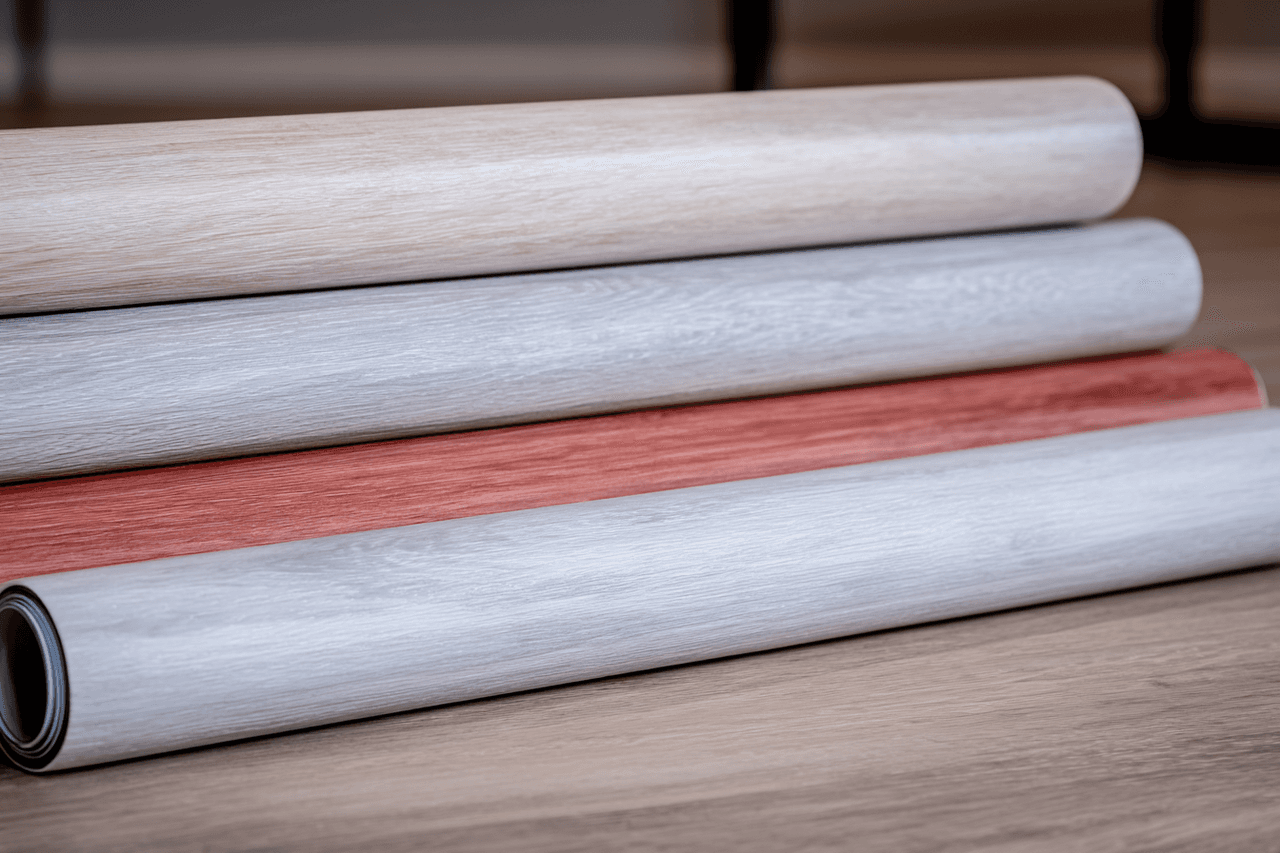
Kitchen floor looking rough? Laundry room seeing more puddles than it should? That's usually the moment people start looking into vinyl sheet flooring. It comes in wide rolls instead of individual planks or tiles, so a room can often be covered with almost no seams at all, which is basically why it ends up in kitchens, laundry rooms, rental suites, and entryways more than anywhere else.
There's no shortage of places to buy it around Vancouver, either. A flooring showroom, the flooring aisle at one of the big home improvement stores, a supplier that mostly works with contractors, or just a local catalogue you scroll through on your phone before leaving the house : all of these work. If you want a rough sense of colours and patterns before showing up anywhere in person, a collection like vinyl sheet flooring Vancouver is a fine place to start.
Just don't stop at the price per square foot. That number rarely tells the whole story. Depending on what's under your current floor, you might also need adhesive, subfloor prep, transition strips, delivery, old-floor removal, and installation on top of it. Plenty of people pick the "cheaper" product and end up paying more overall, simply because the subfloor needed extra work or the room's shape wasted more material than expected.
Where Vancouver Buyers Actually Shop?
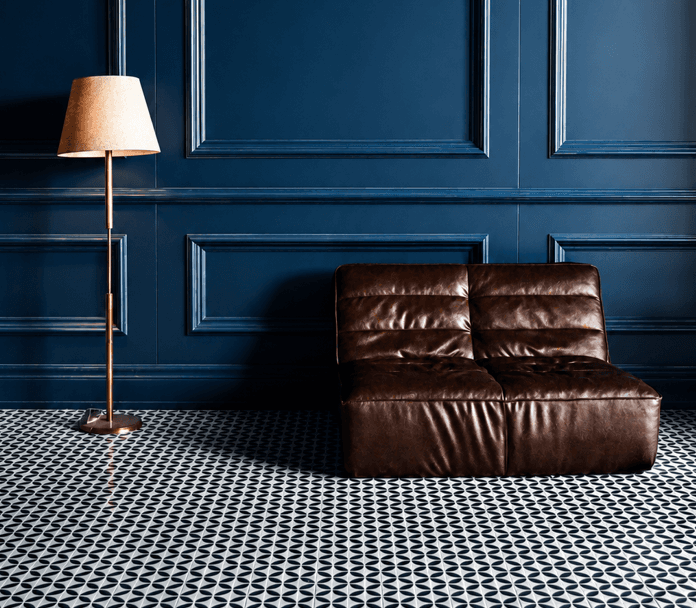
Source : Volkan Buyukvardar
Independent flooring showrooms are hard to beat if you want to see and touch the material before committing to anything. Samples are usually bigger there, colour and texture are easier to judge, and staff can talk you through measurements, prep, and installation on the spot. That matters more than people expect in older Vancouver homes and condos, where the floor underneath is almost never perfectly flat.
Home improvement stores are more of a convenience play — useful when flooring is just one stop on a longer renovation list and you'd rather not make five separate trips. Selection swings a lot from store to store, though, so if you've already got a specific sheet vinyl in mind, it's worth a phone call first to check it's actually on the shelf and not something you'll wait weeks for.
Then there are the trade-oriented suppliers, which tend to get overlooked by homeowners but shouldn't be. They're built for heavier-use spaces, and while a lot of their business is contractors and commercial clients, most will still sell to you directly. Ask about minimum order quantities, how the material's cut, delivery, and whether they'll arrange installation.
And finally, local online catalogues — good for narrowing things down before you drive anywhere. You can compare styles and specs from your couch. Just keep in mind flooring almost always looks a bit different on a screen than it does in the room, so if the exact shade matters to you (and it usually does), track down a physical sample before you commit.
Where Can You Buy Vinyl Sheet Flooring in Vancouver?

Source : Nadin Sh
Once you know roughly what you're after, the real work starts: comparing actual sellers. Vancouver and the surrounding area have a mix of specialty flooring stores, local suppliers, and the big home-improvement chains, and all of them carry vinyl sheet flooring in one form or another. Some will hold your hand through measurements and installation. Others assume you already know what you want and just sell it to you.
Grabbing the first store you find isn't really a strategy. Stock shifts constantly, and a pattern that's sitting on the shelf at one supplier might need a three-week special order at the next one over. Delivery fees, installation costs, subfloor prep, return policies — any of these can quietly change the final number.
Price out two or three options before committing to anything. Look at the material, obviously, but also dig into what's actually in the quote, how fast it ships, whether a sample comes home with you, and how much help you'll get if the room needs extra prep. That tells you a lot more than just eyeballing whoever has the lowest number on the tag.
Store or Supplier | Area / Type | What Buyers Can Check |
VC Floor | Vancouver flooring supplier | Vinyl sheet flooring selection, product specifications, availability, samples, and installation options |
BC Floors | Greater Vancouver flooring company | Sheet vinyl products for residential and commercial projects |
Floors Depot | Vancouver flooring store | Vinyl sheet flooring, including options intended for commercial spaces |
Lonsdale Flooring | North Vancouver flooring retailer | Sheet vinyl alongside other residential and commercial flooring types |
Canadian Flooring Supplies | Vancouver flooring supplier | Vinyl sheets, vinyl tiles, carpet, and other flooring products |
Home Depot Canada | Major home-improvement retailer | Vinyl sheet products and flooring installation services; local stock can vary |
RONA | Major home-improvement retailer | Vinyl rolls and sheet flooring in several styles and specifications |
Don't just count patterns when you're weighing these against each other. Check what's actually in stock right now, whether a sample can leave the store with you, how the flooring's sold and cut, what installation system it needs, and whether delivery or install actually reaches your part of Metro Vancouver. And ask each seller to quote the same scope of work — otherwise you're comparing apples to something that isn't quite an apple.
What to Compare Before You Buy?
Buying factor | Why it matters | What to ask |
Intended use | Different rooms see different traffic and wear | What residential or commercial use is it rated for? |
Sheet width and room size | Affects seams and how much material is wasted | Can the room be covered with one main sheet? |
Subfloor requirements | Unevenness can show through flexible flooring | What preparation is required? |
Installation method | Some products need specific adhesives or steps | Which system does the manufacturer specify? |
Warranty | Coverage often hinges on correct installation | What conditions could void it? |
Stock and lead time | Special orders can throw off your schedule | Is this pattern physically in stock locally? |
Total installed cost | Material price is only one piece of it | Does the quote include prep, removal, delivery, and installation? |
A Quick Way to Rank Your Priorities
It helps to score what actually matters to you before you shop, rather than figuring it out mid-transaction. A busy household might rank durability and easy cleaning first, then moisture resistance, then design, low-emission materials, and price after that. (The buyer-priority chart here is an original graphic made for this article — the numbers on it are illustrative, not manufacturer data, so don't quote them at a store.)
Don't Skip the Subfloor
Sheet vinyl is flexible. That's great for installation, but it also means bumps, gaps, damaged plywood, old adhesive ridges, or uneven concrete tend to show through to the surface eventually. Ask what prep is needed before ordering, not after. Concrete or below-grade floors especially — follow the manufacturer's instructions on substrate and moisture there, no shortcuts.
Straightforward flooring replacement is usually on the City of Vancouver's list of renovation work that doesn't need a permit. That changes fast once structural elements, plumbing, electrical, or gas lines get involved, so if your project's bigger than a simple floor swap, check the City's current guidance before you start.
Indoor Air Quality Matters Too
Flooring, finishes, and adhesives can all put volatile organic compounds into the air of your home. Health Canada suggests looking for "low emission" or "low VOC" labels where you can, and treats ventilation as a real part of keeping air quality in check — not an afterthought. When comparing sheet vinyl, ask about the adhesive too, since the two are really one installation system, not two separate products.
Got someone in the house who's sensitive to renovation smells? Talk through the product and the ventilation plan before installation day. Way easier than dealing with it after the floor's already glued down.
Measure Twice, Order Once
Measure the room's longest length and width — alcoves, doorways, all of it — and sketch it out for whoever's selling or installing. Multiplying length by width isn't enough on its own. Pattern direction, seams, room shape, sheet width, and trim allowance all eat into how much material you actually need.
Pro installing it? Ask whether they'll do their own final site measurement. Doing it yourself? Lock in the cutting plan before the roll gets touched, because custom-cut material tends to come with its own, stricter return rules.
Don't Forget Removal and Disposal
Tearing out the old floor? Build disposal into the plan from day one, not as an afterthought once the truck's already loaded. Metro Vancouver has construction and demolition waste guidance covering reuse, recycling, disposal facilities, and general planning for exactly this. Check what a given facility takes, and whether there's a fee, before you haul anything over.
A bit more caution with older flooring specifically — if you come across material, adhesive, or underlay you can't identify, leave it alone rather than sanding or grinding it until you actually know what you're dealing with.
Final Buying Checklist
Before paying a deposit, confirm the exact product code, colour, quantity, installation method, subfloor preparation, delivery date, return policy, warranty, and total installed price. Take a sample home and view it in daylight and evening lighting. If possible, compare at least two quotes using the same scope of work.
The best place to buy vinyl sheet flooring in Vancouver is therefore the seller that provides clear technical information and a complete project cost, not automatically the store with the lowest advertised material price. Compare showrooms, major retailers, trade suppliers, and online catalogues on equal terms, then choose the source that best fits your room and installation plan. One local catalogue that can be included in that comparison is VC Floor.
Looking for something else?
Related articles
The latest industry news, interviews, technologies, and resources.
Editorial Team
•08 Nov 2023
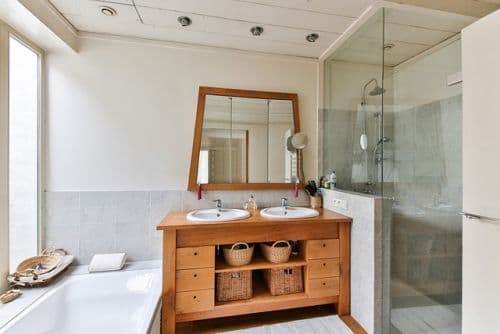
Feeling like your bathroom needs a makeover? Need to increase your storage space? Renovation projects can be very expensive. Plumbing, flooring installation and custom-made furniture are all projects that can easily become quite onerous.
Editorial Team
•17 Sep 2024
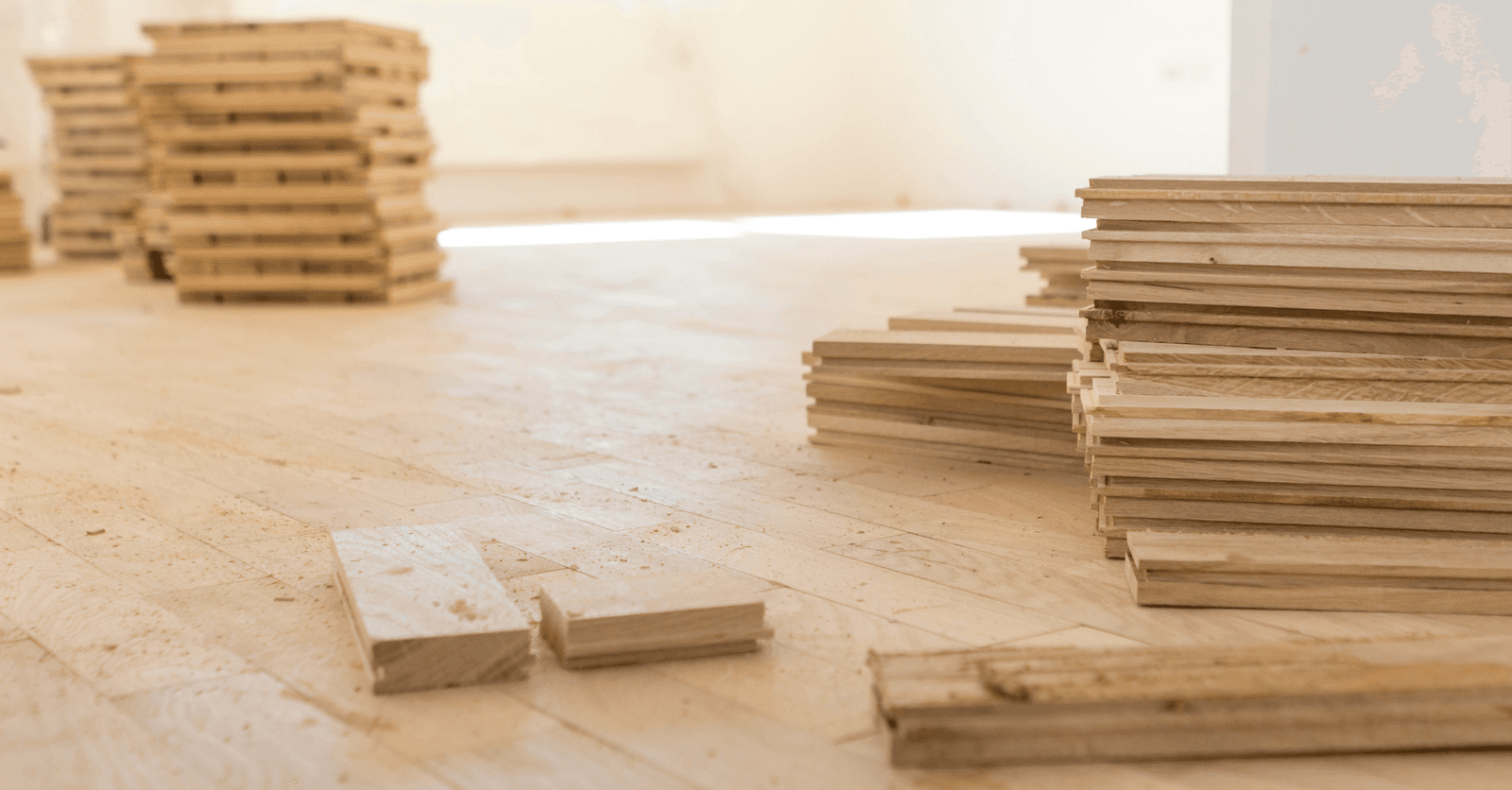
Engineered wood floors are most certainly the type of flooring you need. To ensure you’re choosing the best type of flooring for your interior living spaces, here are flooring-specific must-haves to stand the test of time, as well as installation tips.
Editorial Team
•04 Nov 2025
Everyone envisions their ideal home with a specific idea in mind. For some, this means dreaming of a spacious kitchen, while for others, it’s an opulent bathroom or a complete structural transformation of a home’s floor.

Editorial Team
•07 May 2026
Excavation is an unavoidable step in numerous construction projects, whether to build a foundation, put in a swimming pool, or for landscaping purposes.

Editorial Team
•13 May 2026
Our homes are becoming intelligent. Each day, we interact with tiny little devices, such as our phones and computers, that are in place to capture personal data about our interests, wants and needs.