Why Take Out Home Insurance Before Starting Renovation Work
By Editorial Team
Updated on May 11, 2026

Are you in the early stages of a renovation project? Among the things to plan during the preparation period is taking out home insurance. If you don’t already have a home insurance policy for your house, don’t delay in getting one—especially as summer approaches and contractors’ schedules fill up quickly. The agreement must be finalized before the work begins so that protection is in effect.
Why is it so important to have valid home insurance during the work? That’s what we’ll explain below.
Reasons to Take Out Home Insurance During Renovation Work

Source: Reno Quotes
Renovation work creates more situations where damage to your property could occur. There are greater chances of structural problems, fires, water damage, and material breakage. Renovation sites involve various safety issues, so all parties involved should be protected from the start of the project.
Do Renovation Contractors Need to Take Out Insurance?
Absolutely. If the contractors you’re dealing with haven’t taken out an insurance policy, it will be difficult to obtain compensation in case of a problem.
In Quebec, contractors who hold an R.B.Q. licence benefit from a bond and liability coverage for such situations. In France, certified renovation contractors are required to take out insurance (ten-year, professional liability, builder’s risk).
Just as important: confirm who is responsible for permits and documentation. A contractor can often apply for permits on your behalf, but it should be written into the contract (who obtains permits, who schedules inspections, and who provides you copies of approvals and reports). Even if the contractor handles it, homeowners should keep copies for their insurer.
Home Insurance During Renovation Work: What to Know
First, you must ensure that the insurance policy you select actually covers renovation work. Each type of contract may include different clauses depending on the insurance company you deal with, the laws of the country where you live, and the extent of the coverage offered.
Obtain the Proper Permits Before You Start
Just as importantly, make sure your project is compliant before work begins. Many renovations require municipal or provincial permits (and sometimes inspections), even when you hire a contractor. Unpermitted work can create legal issues and may complicate — or even jeopardize — insurance coverage if you need to file a claim later.
Contact Your Insurer Early
Do you already have a home insurance contract for the address where the renovations are being done? If so, contact your insurer quickly to confirm what coverage applies during the work. This is also the right moment to disclose any material change in risk (for example, major structural work, adding a bathroom, finishing a basement, adding a rental unit, or leaving the home unoccupied), since non-disclosure can lead to coverage problems if something happens.
If you don’t currently have a valid home insurance policy, you’ll need to contact insurance companies to compare what’s available. Review the contracts, clauses, premiums, and coverage limits so you’re protected if something goes wrong.
Expect Premiums to Change (Sometimes Temporarily)
It’s also worth asking how your renovation may affect your premium. Depending on what you’re doing, costs can go up (higher rebuild value or added risk) or sometimes down (risk-reducing upgrades). In some cases, insurers may adjust your rate temporarily during the renovation period because the home is more exposed to fire, theft, and water damage while work is underway — then reassess once the project is complete.
What Type of Insurance Coverage Is Available for Renovations?
If you live in Canada, and more specifically in Quebec, you can contact your bank or a private insurance group to compare the different home insurance products available. When you speak to an insurance broker, mention that you’re planning renovation work so they can guide you to a product that covers it. If permits or inspections apply to your project, ask what documentation your insurer expects you to keep on file.
For readers living in France, Groupama’s comprehensive home insurance offers lifetime global coverage. You can choose the level of protection that suits you, while specifying that work is planned on your home. As with any renovation, confirm whether permits, approvals, or inspection records should be retained for insurance purposes.
What Damages Can Be Covered by Home Insurance?
A good insurance contract for a renovation project should include the following clauses:
Civil liability for injuries and damages: In case someone is injured on site, or in case of damage caused by the work.
Property damage: Accidental damage caused by the renovation work, such as fires, water damage, or structural problems.
Theft or loss of materials: If the home is less secure during the work, the risk of theft (tools, personal belongings) can increase.
Damage to neighbouring properties: Sometimes work carried out on a private property causes damage to neighbouring residences. The insurance contract should provide coverage in case of this type of issue.
Coverage for an unoccupied home: In some cases, the work is carried out in a home that is not occupied. Make sure your insurance covers this situation.
How Renovations Can Change Your Insurance Costs

Source: Reno Quotes
Renovations can affect what you pay because premiums are closely tied to replacement cost (what it would cost to rebuild your home as it stands today) and to any new risks introduced by the upgrade.
Renovations That Often Increase Premiums
Common projects that may increase premiums include:
Finishing a basement or adding a basement apartment: Increases usable living space and rebuild costs, and may introduce more plumbing/electrical exposure.
Home extensions / additions (more square footage): Generally raises the cost to repair or rebuild.
Kitchen or bathroom remodels: Upgraded finishes and fixtures can raise replacement cost.
Pools, hot tubs, trampolines, or similar features: Can increase liability risk and may require higher limits or endorsements.
Wood stoves, fireplaces, or major heating changes: May increase fire risk depending on installation and maintenance requirements.
Detached structures (garage, shed, workshop): Can increase insured value and risk exposure.
Renovations That May Lower Premiums Through Risk Reduction
Not all renovations raise premiums. Some upgrades can reduce risk and may qualify you for discounts (depending on the insurer), such as:
Upgrading old electrical wiring (reduces fire risk)
Replacing aging plumbing (reduces leaks and water damage)
Replacing an older roof (reduces storm and water intrusion risk)
Installing monitored alarms, security cameras, or smart water-leak detection
Improving drainage/sump systems or adding backwater valves (where applicable)
Simple Examples
If you finish your basement, your insurer may reassess your policy because you’ve increased living space and the replacement cost of the home — which can increase premiums.
If you upgrade old wiring and add a monitored alarm system, your premium may stay flat or even decrease, because you’ve reduced the likelihood of fire or theft losses.
Keep the Right Documentation
To avoid delays if a problem occurs, keep a clear paper trail throughout the renovation, including:
Copies of permits and any related approvals
Inspection reports / compliance certificates (as applicable)
Signed contracts and proof of your contractor’s licence/insurance
Invoices, receipts, and payment records for labour and materials
Change orders (scope or budget changes)
Photos/videos before work starts, during key stages (walls open, electrical/plumbing), and after completion
Quick Checklist: What Insurers Often Consider When Adjusting Premiums
Does the renovation increase replacement cost (more space, higher-end finishes, new structures)?
Does it add higher-risk features (pool/hot tub, wood stove, rental unit, major plumbing changes)?
Is there a temporary increase in risk during construction (home unoccupied, open walls, tools/materials on site)?
Did you make risk-reducing upgrades that could qualify for discounts (roof, wiring, plumbing, alarms)?
Did you notify your insurer and keep the right documentation (permits, inspections, receipts)?
In Conclusion
When it comes time to plan a renovation project and calculate the estimated budget, the insurance policy should not be overlooked. It should never be considered optional, as the risks are too high if something goes wrong—especially during the busy summer season, when projects move quickly and contractor availability is limited.
Take the time to choose the right insurance policy and confirm the necessary clauses for renovation work, ideally early in your planning so you’re ready when your contractor is. Make sure all parties involved in the project also have insurance. Finally, treat permits and documentation seriously: they help protect you legally and make insurance claims smoother — and they can influence what you pay if your insurer adjusts premiums during or after the renovation.
FAQ
Renovation work: how do I file an insurance claim?
Contact your insurer as quickly as possible to inform them of the situation. The agent you’re dealing with will guide you through the next steps. If you must carry out emergency repairs, keep all your receipts, as well as the damaged goods. Take plenty of photos and gather all the documents you think will be useful to complete the claim. These will be used when evaluating the amount offered as coverage.
If your renovation required permits or inspections, include copies of those documents (and any final sign-offs) with your claim package when relevant — they can help demonstrate the work was compliant and accurately valued.
My contractor caused damage to my home: what should I do?
In Quebec, you must contact the Régie du bâtiment du Québec to inform them of the situation. If the contractor has a valid licence, you’ll have recourse against them. They are legally required to have insurance, so you can claim compensation. The Office de la protection du consommateur also receives complaints against faulty contractors. Finally, if your contractor is a member of a professional order, you can file a complaint with that organization.
How can I reduce the cost of my home insurance?
Everyone wants to reduce their monthly expenses, and many people may be tempted to choose a cheaper insurance policy. However, this is not an area where you should go for the lowest option, especially if you’re doing renovation work, which temporarily increases property risks.
The best way to find an affordable insurance policy is to compare plans with the same insurer and then with different companies. Make sure the clauses are equivalent. Speak to an insurance broker, as they can guide you toward the plan that best suits your budget and needs.
Does it affect my insurance if I renovate my home myself instead of hiring a contractor?
Insurance requirements differ between DIY and professional renovations. DIY projects are often seen as riskier by insurers, which can lead to higher premiums, more paperwork, or denied coverage, especially for major work. Insurers may ask for proof of experience, permits, and code compliance for DIY jobs. Hiring an insured professional usually makes getting renovation insurance easier, as they follow safety standards and are covered for accidents. Always inform your insurer before starting any renovation to ensure proper coverage.
How does moving out during major renovations affect home insurance coverage in Canada?
If your home is left unoccupied or vacant during renovations, your standard home insurance policy may restrict or even void certain coverages due to the increased risks of theft, vandalism, and undetected damage. To stay protected, you should always inform your insurer if you plan to move out for any length of time during the project. Your insurance provider may require you to get a vacancy permit or purchase specialized vacant property coverage to maintain full protection while you’re away. Planning ahead and keeping your insurer in the loop ensures your home stays properly insured throughout the renovation.
Looking for something else?
Related articles
The latest industry news, interviews, technologies, and resources.
Editorial Team
•17 Feb 2025
The kitchen is such an important part of a home. People spend time cooking, some even prefer to have their family meals there, too. Essentially, it’s a space that’s meant to reflect you. How can you design a kitchen plan that truly suits your fancy? What free online tools can help you create a custom space? How can they be used to preview the finished project beforehand? Courtesy of all the tips detailed, you’ll be able to transform your kitchen into the ideal space.
Cynthia Pigeon
•08 Nov 2023
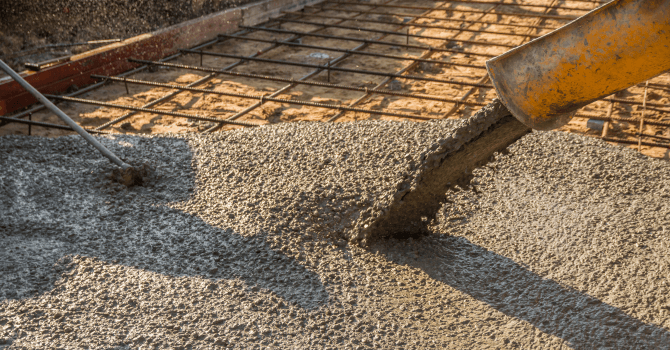
Whether for interior or exterior work, knowing how to pour a concrete slab is vital for anyone wanting to carry out major home renovations. This process can be a bit tricky, especially since you have to follow certain steps to a T, otherwise, the slab could crack prematurely.

Cynthia Pigeon
•08 Nov 2023
Pergola. This word, with a slight Italian intonation, is rather reminiscent of bright, sunny summer days, no? The pergola is actually the perfect in-between betwixt an exterior shade and a sunroom. It’s the ideal space to lay out whilst still being protected from the sun or adverse weather conditions.

Cynthia Pigeon
•11 May 2026
In 2026, the cost of residential renovation in Canada generally ranges from $10/sq. ft. for minor cosmetic updates to over $250/sq. ft. for major reconstruction projects. For a standard full-home renovation (including kitchen and bathroom), the average budget typically falls between $125 and $175 per square foot. These prices reflect recent increases in labour costs across provinces, as well as continued pressure on construction material prices nationwide.
Cynthia Pigeon
•09 Jun 2026
In Quebec, maintaining a single-family home, semi-detached house, or condo requires special attention to the building envelope. Given the harshness of our climate, marked by particularly cold winters, humid summers, and constant freeze-thaw cycles, exterior sealing is your first line of defence against the elements. With economic changes and the rising cost of materials observed in 2026, planning renovation work requires clear and transparent pricing data.